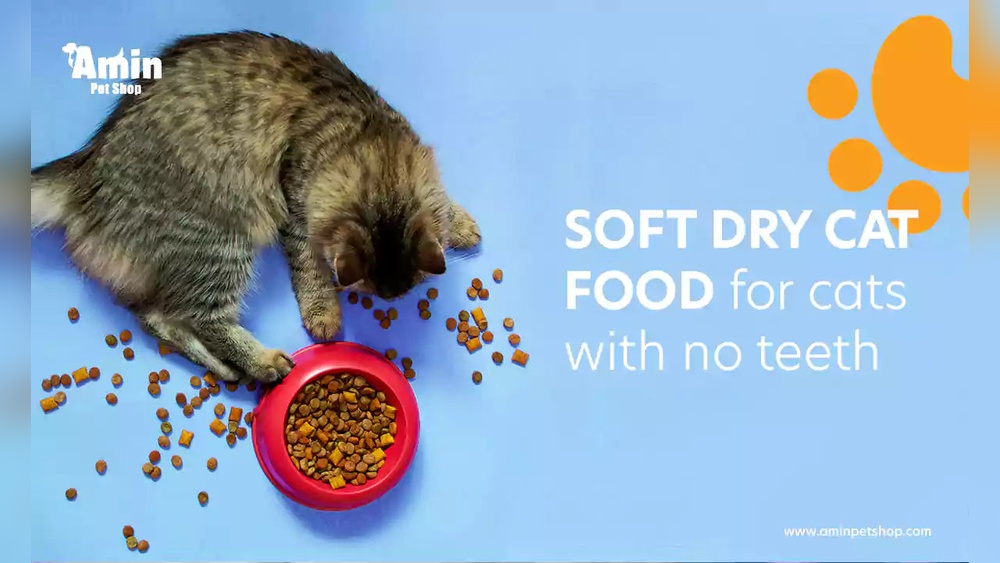
Soft Food For Senior Cats Not Eating Well
Caring for an aging cat is not just about love and cuddles. As cats grow older, their needs change, especially when it comes to food. Many senior cats start to eat less or struggle with regular kibble. This can be worrying for pet owners in the USA, where cats are often treated like family.
If your older cat is not eating well, finding the right soft food can make all the difference—helping them feel comfortable, stay healthy, and enjoy their golden years.
There’s no one-size-fits-all answer. Senior cats might avoid food for many reasons: dental pain, illness, loss of smell, or even stress. In this article, we’ll look at why cats refuse food, what types of soft food are best, and how to encourage better eating habits. We’ll also compare popular options, review ingredients, and share practical tips. By the end, you’ll know how to choose and serve the best soft food for your senior cat, even if they’re picky or struggling.
Why Senior Cats Refuse Food
Older cats often show less interest in food, which can lead to weight loss, weakness, and other health problems. Let’s explore the main reasons.
- Dental issues: Gum disease, loose teeth, or mouth sores are common in senior cats. Chewing dry kibble can be painful, so they avoid eating.
- Loss of smell: Cats rely heavily on their sense of smell. As they age, this can fade, making food less appealing.
- Kidney disease: Affects many senior cats. It can cause nausea or changes in taste preferences.
- Arthritis and pain: Moving to the food bowl or bending down may be uncomfortable.
- Digestive problems: Older cats may have sensitive stomachs or trouble digesting certain foods.
- Stress or environmental changes: New surroundings, loss of a companion, or changes in routine can reduce appetite.
Understanding the cause is the first step. If your cat suddenly stops eating, visit a veterinarian to rule out serious problems. Sometimes, a simple switch to soft food solves the issue, but medical advice is essential.
What Makes Soft Food Ideal For Senior Cats
Soft food—sometimes called wet food—offers many advantages for older cats who struggle with eating.
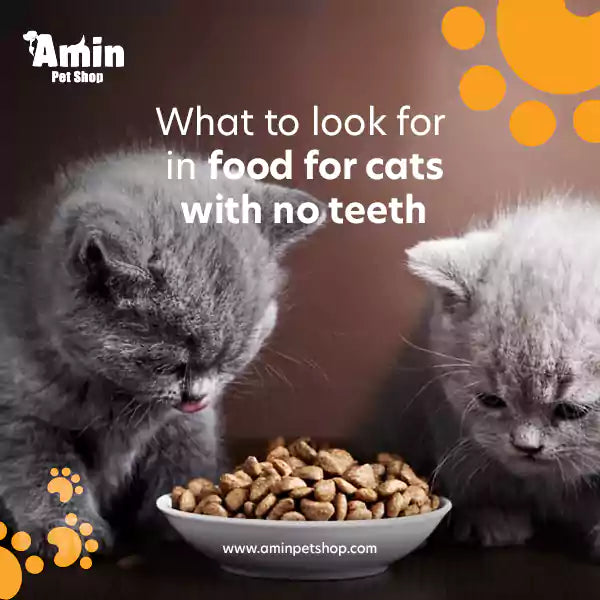
- Easy to chew: Soft textures reduce pain for cats with dental problems.
- Higher moisture content: Senior cats often drink less water. Wet food helps prevent dehydration.
- Stronger aroma: Soft food often smells more appealing, attracting cats with weaker senses.
- Variety in flavors and textures: Helps keep picky cats interested.
Choosing the right soft food isn’t just about convenience. It can directly impact your cat’s health and happiness.
| Benefit | Soft Food | Dry Food |
|---|---|---|
| Easy to Chew | Yes | No |
| Hydration | High | Low |
| Aroma | Strong | Weak |
| Digestibility | Better | Varies |
Most veterinarians recommend soft food for senior cats, especially those with health issues or poor appetite. But, not all wet foods are equal. Some contain fillers, artificial flavors, or low-quality ingredients that can harm your cat. Reading labels and knowing what to avoid is critical.
Key Ingredients For Senior Cat Soft Food
When choosing soft food, the ingredient list is your best friend. Here’s what you should look for:
- High-quality animal protein: Chicken, turkey, salmon, and lamb are good sources. Protein helps maintain muscle mass.
- Healthy fats: Omega-3 and omega-6 fatty acids support skin, coat, and brain health.
- Limited carbohydrates: Cats are obligate carnivores. Too many carbs can lead to obesity or diabetes.
- Added vitamins and minerals: Taurine, B vitamins, and antioxidants are crucial for senior cats.
- Minimal fillers: Avoid foods with corn, wheat, or soy.
- No artificial colors or flavors: These can cause allergies or digestive upset.
Some brands add glucosamine and chondroitin for joint health. Others focus on kidney support or digestive care. Your cat’s individual needs should guide your choice.
| Ingredient | Purpose | What to Avoid |
|---|---|---|
| Animal Protein | Muscle, energy | By-products |
| Healthy Fats | Skin, coat, brain | Excess saturated fat |
| Vitamins | Immune, heart | Artificial additives |
| Minerals | Bone, kidney | Too much salt |
Many beginners miss the importance of moisture content. Senior cats need at least 75% moisture in their food to support kidney and urinary health. Check this on the label—it’s often overlooked.
Types Of Soft Food For Senior Cats
Soft cat food comes in several forms. Each has pros and cons depending on your cat’s needs and preferences.
Canned Wet Food
This is the most common type. It comes in different flavors, textures (pâté, chunks in gravy, shredded), and portion sizes.
Pros:
- High moisture content
- Easy to serve and store
- Many options for dietary needs
Cons:
- Some brands use too much filler
- Can spoil if left out
Pouch Food
Sold in small pouches, often as shredded meat in sauce or jelly. Convenient for single servings.
Pros:
- Freshness and easy portion control
- Good for picky eaters
Cons:
- Usually more expensive per ounce
- Limited flavors in some brands
Homemade Soft Food
You can prepare soft food at home with fresh ingredients. Examples include boiled chicken, tuna, or pumpkin puree.
Pros:
- You control ingredients and quality
- Can be tailored to your cat’s taste
Cons:
- More time-consuming
- Must ensure proper nutrition
Prescription Diets
Veterinarians may recommend prescription diets for cats with kidney, thyroid, or digestive issues.
Pros:
- Formulated for specific health needs
- Usually palatable for sick cats
Cons:
- Expensive
- Requires vet approval
Freeze-dried Or Dehydrated Soft Food
These foods are rehydrated with water. They offer convenience and can be very nutritious.
Pros:
- Good shelf life
- Can be customized for texture
Cons:
- Preparation required
- Not all cats like them
Credit: www.pethealthclub.com
How To Encourage Senior Cats To Eat Soft Food
Even the best food won’t help if your cat refuses to eat. Here are proven ways to help your senior cat enjoy soft food:
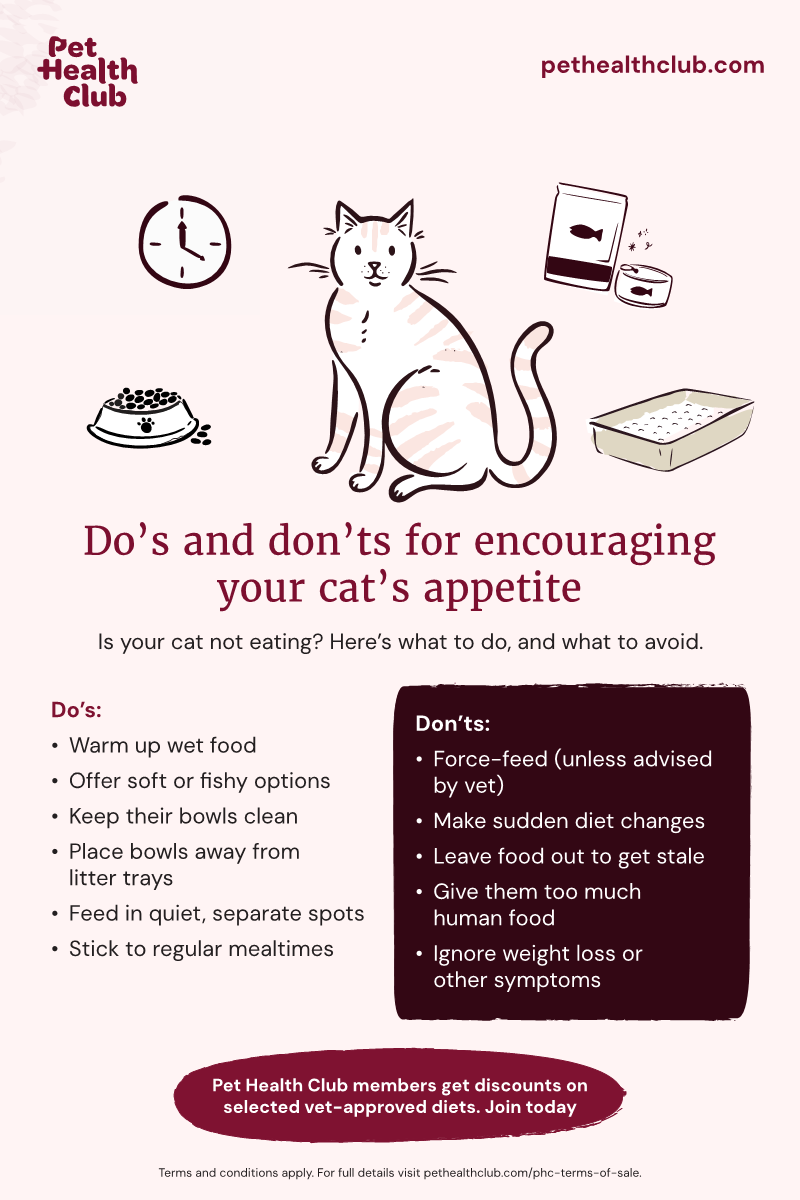
- Warm up the food: Slightly heating wet food releases more aroma, making it more appealing.
- Try different textures: Some cats prefer pâté, others like chunks or flakes. Experiment with what your cat likes.
- Serve small, frequent meals: Older cats may eat better if offered food more often.
- Hand feed: If your cat is very weak or picky, feeding with a spoon or your hand can help.
- Mix with favorite treats: Sprinkle crushed treats on top to encourage eating.
- Reduce stress: Quiet feeding areas, away from other pets or loud noises, help cats relax and eat.
- Add extra water: If your cat is dehydrated, mix water or unsalted broth into the food.
Many beginners miss the power of routine. Senior cats do best with a consistent feeding schedule. Sudden changes can cause stress and refusal.
Top Soft Food Brands For Senior Cats In The Usa
Choosing a brand can feel overwhelming. Here are some of the most trusted options, with their strengths and weaknesses:
- Hill’s Science Diet Senior Wet Cat Food
- Offers balanced nutrition, supports kidney and heart health.
- High moisture and easy-to-chew texture.
- A bit pricey, but very reliable.
- Royal Canin Aging 12+ Wet Food
- Specially designed for cats over 12 years.
- Contains antioxidants and joint support ingredients.
- Some cats don’t like the flavor.
- Purina Pro Plan Senior Cat Food
- Widely available and affordable.
- Good protein content, easy to digest.
- Some recipes contain more fillers.
- Wellness Complete Health Senior Cat Food
- Grain-free, with high-quality proteins.
- No artificial colors or flavors.
- Limited flavors.
- Blue Buffalo Healthy Aging Wet Food
- Natural ingredients, enhanced with vitamins.
- Easy for sensitive stomachs.
- Slightly less moisture than some brands.
- Nutro Senior Soft Loaf
- Soft loaf texture ideal for cats with dental issues.
- Limited carb content.
- Not as widely available.
- Instinct Original Grain-Free Senior
- Real meat as the first ingredient.
- Good for cats with allergies.
- Pricier than mainstream brands.
- Iams Proactive Health Senior Wet Food
- Balanced nutrition, supports immune health.
- Affordable.
- May contain some by-products.
- Fancy Feast Senior 7+ Pâté
- Many flavor options, highly palatable.
- Good for picky eaters.
- Contains some artificial additives.
- Tiki Cat Silver Wet Food
- Real shredded meat, high moisture.
- Low in carbs.
- Expensive.
Each brand offers something unique. Try small cans or pouches before buying in bulk. Cats can be surprisingly picky, and what works for one may not work for another.
Credit: aminpetshop.com
Homemade Soft Food Recipes For Senior Cats
If you want to make soft food at home, you can customize ingredients for your cat’s needs. Here are two simple recipes:
Chicken And Pumpkin Soft Food
- 1 cup cooked, shredded chicken breast (no skin, bones, or seasoning)
- 1/2 cup pure pumpkin puree (not pie filling)
- 1/4 cup water or unsalted chicken broth
Mix all ingredients together until smooth. Serve at room temperature. This recipe is gentle on digestion and easy to chew.
Salmon And Rice Soft Food
- 1/2 cup cooked salmon (boneless, skinless)
- 1/4 cup cooked white rice
- 1/4 cup water
Combine and mash ingredients. This meal is high in protein and mild in flavor.
Cooking tips:
- Always remove bones and skin.
- Do not add salt, spices, or onions.
- Portion out servings to avoid waste.
Homemade food must be balanced. If you plan to feed it regularly, consult your vet or use recipes from trusted sources like the ASPCA.
Comparing Soft Food Textures And Flavors
Cats have unique preferences for texture and flavor. Here’s a comparison to help you decide:
| Texture | Flavor Profile | Best For |
|---|---|---|
| Pâté | Rich, smooth | Dental issues |
| Chunks in Gravy | Meaty, savory | Picky eaters |
| Shredded Meat | Natural, mild | Healthy seniors |
| Loaf | Dense, hearty | Active seniors |
| Stew | Complex, aromatic | Variety seekers |
Testing different types is wise. Some cats love gravy, others prefer a simple pâté. Don’t be discouraged if your cat rejects a new flavor—it can take several tries.

Credit: cats.com
Practical Tips For Feeding Senior Cats
Feeding an older cat is more than just choosing food. Here are practical strategies to make mealtime easier:
- Elevate the food bowl: Arthritis makes bending difficult. Use a raised bowl to reduce strain.
- Use shallow bowls: Senior cats may find deep bowls uncomfortable.
- Clean bowls daily: Residue and bacteria can deter cats from eating.
- Monitor eating habits: Track how much your cat eats each day. Sudden drops signal problems.
- Watch for allergies: If your cat shows signs like itching or diarrhea, switch foods.
- Consult your vet: Regular checkups help identify early issues.
Many owners miss the importance of portion control. Too much food at once can overwhelm older cats. Offer smaller portions and adjust based on appetite.
Signs Of Improvement And When To Worry
After switching to soft food, you should see positive signs:
- Increased appetite
- Better hydration
- More energy
- Stable weight
If your cat still refuses to eat, loses weight, or seems lethargic, contact your vet immediately. Persistent refusal can indicate serious illness.
Common Mistakes When Choosing Soft Food
Even experienced cat owners can make mistakes. Here are common errors to avoid:
- Choosing based only on price: Cheap food often contains fillers and low-quality ingredients.
- Ignoring moisture content: Not all “wet” foods have enough water.
- Frequent switching of brands: Cats need consistency. Changing food too often causes stress.
- Overlooking dietary needs: Senior cats may require special formulas for kidney or joint health.
- Assuming all cats like the same thing: Individual preferences are strong. Test and observe.
Avoiding these mistakes will help your cat enjoy mealtime and stay healthy.
Data: Senior Cat Nutrition In The Usa
Let’s look at some numbers to better understand the challenge:
- Nearly 40% of cats in the USA are considered seniors (age 7+).
- About 60% of senior cats show signs of dental disease by age 10.
- Wet food sales have increased by 20% in the past five years, mostly due to older cats needing softer diets.
- Veterinary studies show that cats fed high-moisture diets have 30% fewer kidney issues.
These statistics show why soft food is so important for senior cats in America. Owners are becoming more aware, and the market is responding with better products.
How To Transition Your Cat To Soft Food
If your cat is used to dry kibble, switching to soft food requires patience.
- Mix small amounts of wet food into dry food: Gradually increase the wet portion over 7–10 days.
- Watch for digestive issues: Soft food can cause diarrhea or vomiting if changed too quickly.
- Maintain routine: Feed at the same time each day.
- Be gentle: Some cats resist change. Offer praise and affection during meals.
Transitioning can take time. Don’t rush—slow changes help prevent stomach upset and stress.
When Soft Food Isn’t Enough
Sometimes, even the best soft food won’t solve the problem. If your cat refuses food, loses weight, or shows other health issues, medical intervention may be needed.
- Appetite stimulants: Veterinarians can prescribe medication to encourage eating.
- Assisted feeding: In severe cases, syringe feeding or feeding tubes may be required.
- Regular checkups: Senior cats need more frequent vet visits to track health.
Don’t wait too long. Early action can save lives and improve quality of life.
Frequently Asked Questions
What Is The Best Type Of Soft Food For Senior Cats With Dental Problems?
Pâté-style wet food is usually best. It’s smooth and easy to chew, even for cats with missing teeth. Avoid chunks or dry food. Brands like Hill’s Science Diet and Nutro Soft Loaf are good options.
How Much Soft Food Should I Feed My Senior Cat?
Most senior cats need 2–3 small meals per day, totaling about 3–5 ounces of wet food daily. Adjust based on your cat’s weight and appetite. Always consult your vet for personalized advice.
Can I Feed My Senior Cat Only Homemade Soft Food?
Yes, but homemade food must be balanced and complete. Cats need taurine, vitamins, and minerals. Use recipes from trusted sources or consult your vet. Avoid feeding only meat or fish without supplements.
Is Grain-free Soft Food Better For Senior Cats?
Not always. Grain-free food is good for cats with allergies, but some grains can be safe and offer energy. Focus on protein, moisture, and minimal fillers. Read the ingredient list carefully.
How Do I Know If My Senior Cat’s Soft Food Is Working?
Look for improved appetite, stable weight, more energy, and better hydration. If your cat stops eating, loses weight, or acts lethargic, contact your vet. Monitor daily and adjust as needed.
Choosing soft food for senior cats not eating well can feel overwhelming. But with careful selection, patience, and practical strategies, you can help your feline friend enjoy life and stay healthy. Remember, every cat is unique, and your love and attention are the most important ingredients.

Leave a Reply