
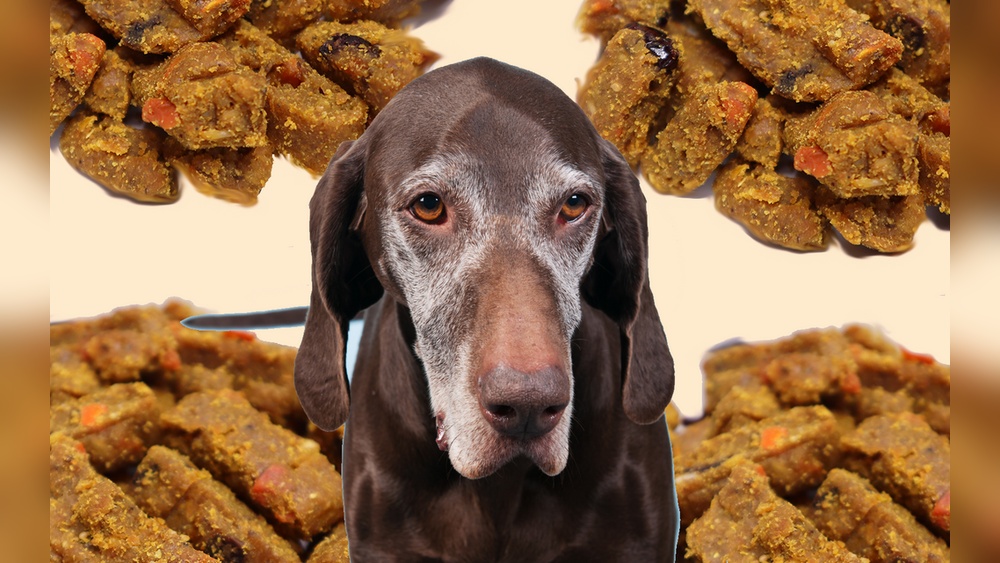
When your beloved dog grows old and loses teeth, mealtime can become stressful. Many senior dogs struggle to chew hard kibble or bones, and some even refuse to eat. This is why choosing the right soft dog food is so important. You want meals that are easy to eat, gentle on their mouth, and full of nutrients. Let’s explore how to keep your senior dog happy and healthy—even if they have no teeth.
Why Soft Dog Food Matters For Toothless Senior Dogs
Soft dog food is not just about texture. It can help your dog maintain weight, enjoy eating, and absorb nutrients better. Older dogs often deal with dental problems, gum pain, or missing teeth. Hard food can cause discomfort or choking. Soft food options, like wet dog food, fresh meals, or homemade blends, make eating safer and more enjoyable.
Many veterinarians recommend switching to soft food as dogs age. In fact, a study from the American Veterinary Dental College found that over 80% of dogs over age three have some dental disease. For senior dogs, this number is even higher, making soft food a must-have.
Best Types Of Soft Dog Food For Senior Dogs
There are several options for dogs with no teeth. Each has benefits and drawbacks, so let’s compare:
| Type | Texture | Nutrition | Convenience |
|---|---|---|---|
| Canned Wet Food | Very soft | High protein | Easy to serve |
| Fresh Cooked Meals | Soft/mushy | Customizable | Needs prep |
| Raw Food Blends | Soft, moist | Rich in nutrients | Special handling |
| Hydrated Kibble | Softened | Balanced | Quick to make |
How To Prepare Soft Meals At Home
If you prefer homemade, you can cook meals using easy-to-chew ingredients. Try these:
- Chicken breast (boiled and shredded)
- Sweet potato (mashed)
- Brown rice
- Pumpkin puree
- Low-sodium broth
Mix these together and add supplements if needed. For extra softness, blend or mash the food. Avoid using salt, spices, or hard vegetables.
:strip_icc()/best-dog-food-for-older-dogs-4579808-39040096ef9640df95cb3fcd1ba6aff6.jpg)
Credit: www.thesprucepets.com
What To Look For In Store-bought Soft Dog Food
Not all soft dog food is equal. When shopping, pay attention to:
| Key Factor | Why It Matters | Tip |
|---|---|---|
| Protein source | Supports muscles | Choose real meat |
| Moisture content | Easy to swallow | Look for 70%+ water |
| Calories | Prevents weight loss | Check label |
| Preservatives | Can irritate gums | Pick natural |
Many US brands offer senior dog formulas. For example, Hill’s Science Diet and Blue Buffalo Homestyle Recipe are popular, but always check the ingredient list. Avoid fillers like corn or soy.
Practical Tips For Feeding Senior Dogs With No Teeth
Some dogs may refuse food if it’s too dry or bland. Here are solutions:
- Warm up the food slightly to boost aroma.
- Add a splash of low-sodium broth for taste.
- Serve in shallow bowls for easy access.
- Monitor your dog’s eating habits and adjust texture as needed.
A non-obvious tip: Try rotating flavors to keep interest high. Another insight—mixing a probiotic supplement can help digestion, since older dogs often have weaker stomachs.

Credit: www.goodmorningamerica.com
Frequently Asked Questions
Can My Senior Dog Survive Without Teeth?
Yes. Dogs adapt well with soft food. Just make sure meals are easy to swallow and full of nutrients.
How Often Should I Feed My Toothless Senior Dog?
Most experts suggest 2-3 meals daily. Small, frequent portions help with digestion and energy.
Is Homemade Food Better Than Canned?
Both can work. Homemade allows control over ingredients, but canned food is convenient and often balanced. Consult your vet for advice.
Are There Risks With Soft Food?
Soft food can spoil faster. Always refrigerate leftovers and clean bowls after each meal to prevent bacteria.
What If My Dog Refuses To Eat Soft Food?
Try changing flavors or warming the meal. If refusal continues, check for health issues or ask your vet for help.
Soft dog food can transform mealtime for senior dogs with no teeth. With the right texture, nutrition, and flavor, your pet can enjoy eating again. Remember to adjust portions, watch for allergies, and talk to your vet if you’re unsure. For more guidance, visit the ASPCA Dog Nutrition Tips. Your senior dog deserves comfort and care every day.

Leave a Reply