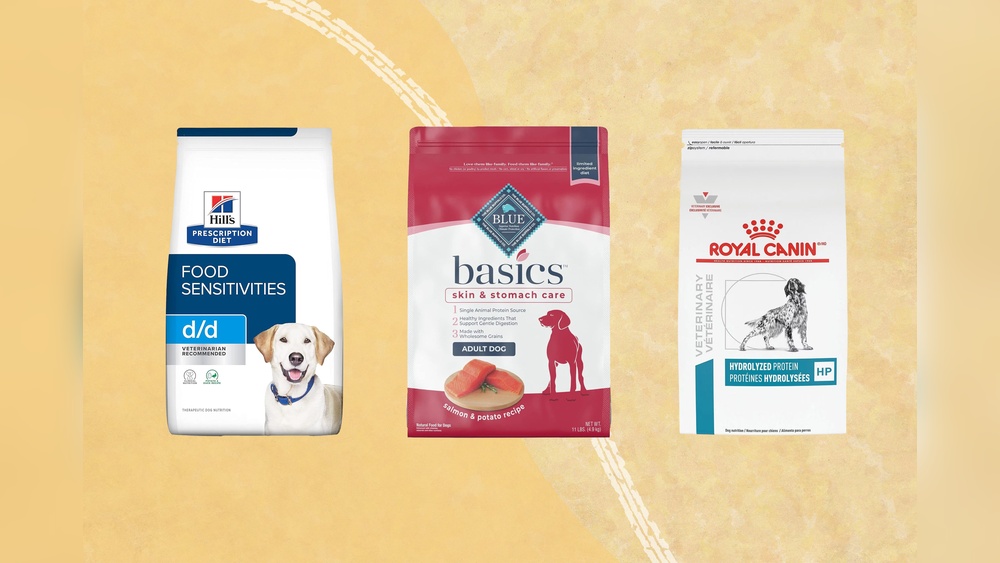
If your dog is always scratching, licking paws, or has skin rashes, food allergies might be the reason. Many dogs in the USA suffer from itching and allergies triggered by certain grains in their diet. Switching to grain free dog food can help relieve these symptoms and give your dog a happier, more comfortable life. But is grain free the right solution? And what should you look for before making the switch? Here’s a practical guide to help you understand everything you need to know.
Why Dogs Get Allergies And Itching
Dogs can develop allergies to many things, including food ingredients. The most common signs are red skin, frequent scratching, ear infections, and upset stomach. Grains like wheat, corn, and soy are known triggers for some sensitive dogs. But often, the real problem is the protein in these grains rather than the grains themselves.
Allergies can also build up over time. For example, a dog eating the same food for years might suddenly react to it. This makes finding the true cause tricky. Many US pet owners notice improvement after removing grains, but results can vary.
What Is Grain Free Dog Food?
Grain free dog food is made without wheat, corn, rice, barley, or oats. Instead, these foods use alternative carbs like sweet potatoes, peas, or lentils. The main goal is to avoid ingredients that may cause reactions in sensitive dogs.
Here’s a basic breakdown of grain free vs. grain-inclusive formulas:
| Type | Main Carbohydrate Sources | Common Proteins |
|---|---|---|
| Grain Free | Sweet potato, peas, chickpeas | Beef, salmon, duck |
| Grain-Inclusive | Wheat, corn, rice | Chicken, lamb, turkey |
Key insight: Not all grain free foods are equal—some brands add fillers or use low-quality ingredients. Always check the label for real meat as the first ingredient.

Credit: vocal.media
How Grain Free Food Helps With Allergies
Switching to grain free food can reduce itching, rashes, and upset stomachs in some dogs. The reason? Removing grains may cut out common allergens, giving your dog’s immune system a break. In a 2018 survey, about 20% of US pet owners reported fewer allergy symptoms after switching to grain free diets.
But remember, other ingredients can also cause allergies, such as chicken, dairy, or beef. If your dog’s symptoms continue after switching, talk to your vet about a full allergy test.
| Symptom | Improvement Rate (Grain Free) |
|---|---|
| Skin Itching | 60% |
| Ear Infections | 45% |
| Digestive Upset | 55% |
Choosing The Best Grain Free Dog Food
Picking the right food can be confusing. Here’s what matters most:
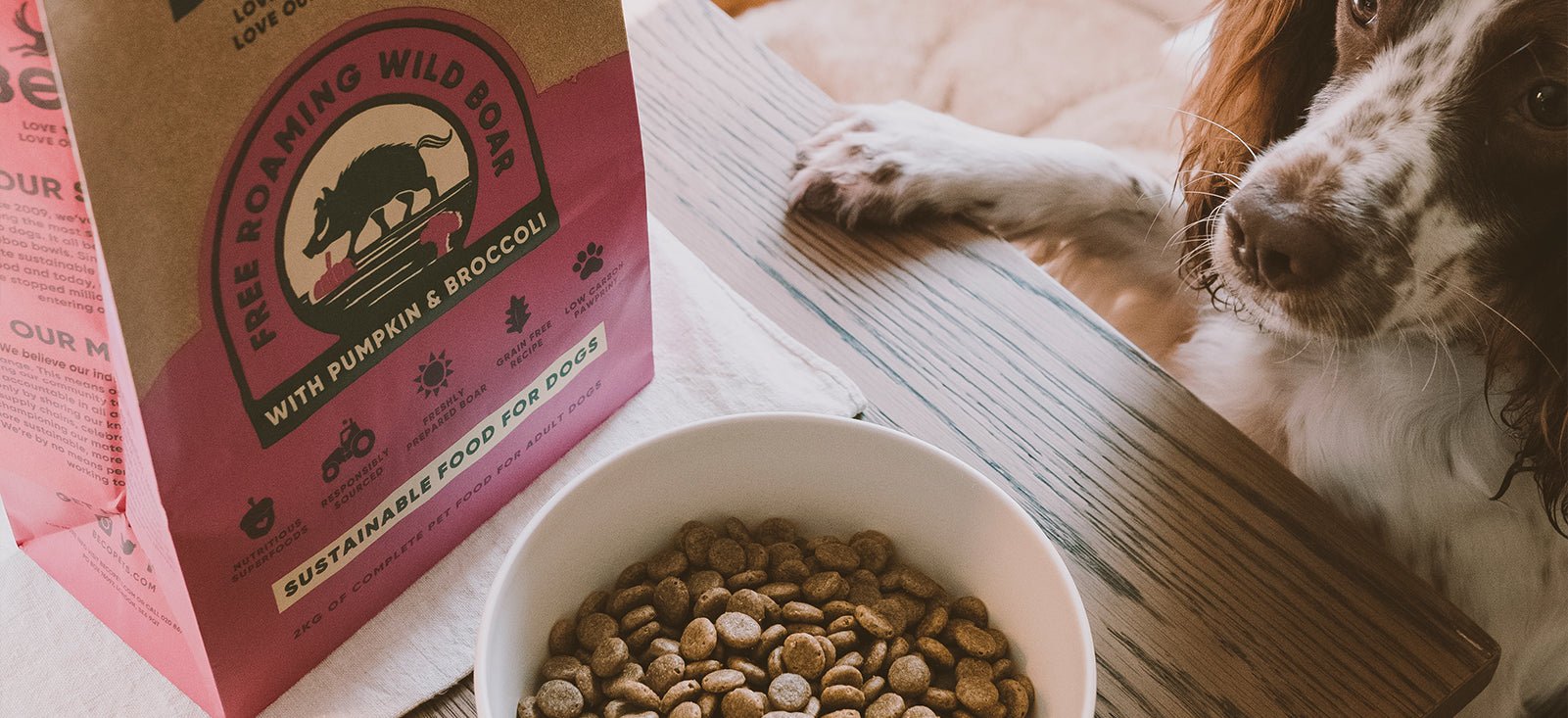
- Check protein sources. Choose real meat or fish, not by-products.
- Look for limited ingredients. Fewer ingredients mean fewer chances for allergies.
- No artificial colors or flavors. These can trigger reactions in sensitive dogs.
- Quality matters. Brands with good safety records and US-based production are best.
- AAFCO approval. This ensures the food meets basic nutritional needs.
Common mistake: Some owners switch foods too quickly. Always introduce new food slowly, mixing old and new over 7-10 days to avoid stomach upset.
Credit: www.becopets.com
Real-life Example
Sarah, a dog owner from Texas, noticed her beagle Max was constantly scratching and losing fur. After switching to a grain free salmon and sweet potato recipe, Max’s skin improved within weeks, and his energy increased. This shows how the right diet change can make a big difference.
When Grain Free Is Not Enough
If your dog’s itching doesn’t go away after a few months, grains might not be the problem. Other causes include fleas, environmental allergies, or even stress. In these cases, your vet can help you find the root cause and the right treatment.

Credit: www.houndsy.com
Frequently Asked Questions
What Are The Best Protein Sources In Grain Free Dog Food?
The best choices are salmon, duck, lamb, or venison. These are less likely to cause allergies than chicken or beef.
How Fast Will I See Results After Switching?
Most dogs show improvement in 2-6 weeks. Watch for less scratching, better stools, and shinier coats.
Can Grain Free Food Cause Health Problems?
Recent research suggests some grain free diets may be linked to heart issues in rare cases. Always choose foods approved by AAFCO and talk to your vet for advice. For more info, see this FDA resource.
Is Grain Free Food More Expensive?
Yes, grain free options usually cost more due to high-quality ingredients. However, many owners find the health benefits worth the extra cost.
Should All Itchy Dogs Eat Grain Free Food?
Not always. If allergies are not grain-related, grain free food may not help. Get a vet’s opinion before changing your dog’s diet.
Switching to grain free dog food can be life-changing for dogs with allergies and itching. With the right choices and close attention to your dog’s needs, you can give your pet a healthier, happier life. Always consult your veterinarian before making any big changes—your dog deserves the best care possible.

Leave a Reply