
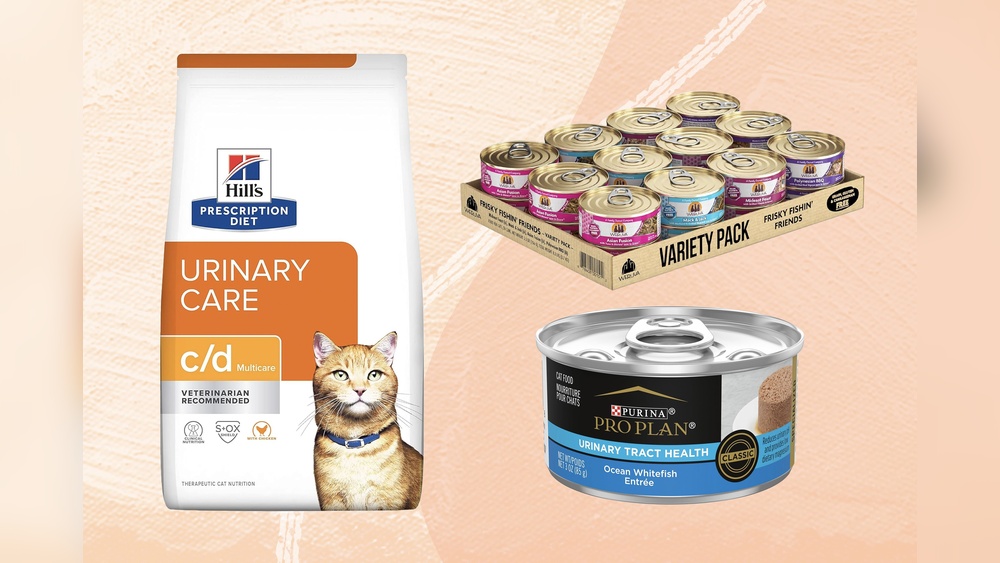
If you have a cat, you probably know how important it is to keep them healthy and happy. One problem many cat owners face is urinary tract issues. These can be painful for your pet and stressful for you. The right food can make a big difference. But what if you’re on a budget? Many specialized urinary health foods are expensive, and it’s easy to feel lost when trying to choose a good, affordable option. The good news: you do not have to break the bank to help your cat’s urinary tract health. Let’s explore how you can find cat food for urinary tract health that fits your budget—without sacrificing your cat’s well-being.
Why Urinary Tract Health Matters For Cats
Urinary problems are common in cats. They can include infections, bladder stones, and a condition called Feline Lower Urinary Tract Disease (FLUTD). These issues can cause your cat to urinate outside the litter box, strain to pee, or even stop urinating altogether—a life-threatening emergency.
The causes are many: genetics, dehydration, stress, and especially diet. Cats are designed to eat moist food in the wild, and dry kibble can sometimes lead to concentrated urine, which increases the risk of urinary problems. While no food can guarantee perfect health, choosing the right diet can reduce risk and help manage existing issues.
What To Look For In Budget Cat Food For Urinary Health
When shopping for affordable cat food, it’s easy to focus only on price. But not all budget foods are the same. Some actually make urinary problems worse. Here’s what you should check:
- Moisture content: Wet food is usually better. If using dry food, make sure your cat drinks enough water.
- Magnesium and mineral levels: High magnesium can cause stones. Look for foods with controlled mineral content.
- Protein quality: Cats need animal protein. Cheap fillers can hurt health.
- Added ingredients: Some foods have DL-methionine or cranberry for urinary health. These can help acidify urine and prevent stones.
- AAFCO approval: Foods that meet the Association of American Feed Control Officials (AAFCO) standards are nutritionally complete.
Below is a simple comparison of wet and dry foods for urinary health:
| Type | Pros | Cons |
|---|---|---|
| Wet Food | High moisture, better for urinary health, often more palatable | Can be more expensive, shorter shelf life once opened |
| Dry Food | Convenient, cheaper, longer shelf life | Low moisture, may not encourage enough water intake |
How Diet Affects Cat Urinary Health
A cat’s urinary system is sensitive to what they eat. Here’s how:
- Water intake: More water dilutes urine, which helps flush out crystals and bacteria.
- PH balance: The right food keeps urine pH slightly acidic, which prevents stone formation.
- Mineral control: Too much magnesium, calcium, or phosphorus can lead to crystals or stones.
- Protein source: Animal-based protein supports bladder health better than plant-based sources.
Many cat owners miss the importance of moisture. Even a budget wet food can do more for your cat’s bladder than a premium dry food. If your cat only eats dry food, try adding a second water bowl, water fountain, or ice cubes in their dish.
Top Budget Cat Foods For Urinary Tract Health
Let’s look at some affordable options that support urinary health. These foods are widely available in the US and offer good value without high prices. Prices can change, but these choices generally stay under $2 per day for an average adult cat.
1. Purina One Urinary Tract Health Formula (dry)
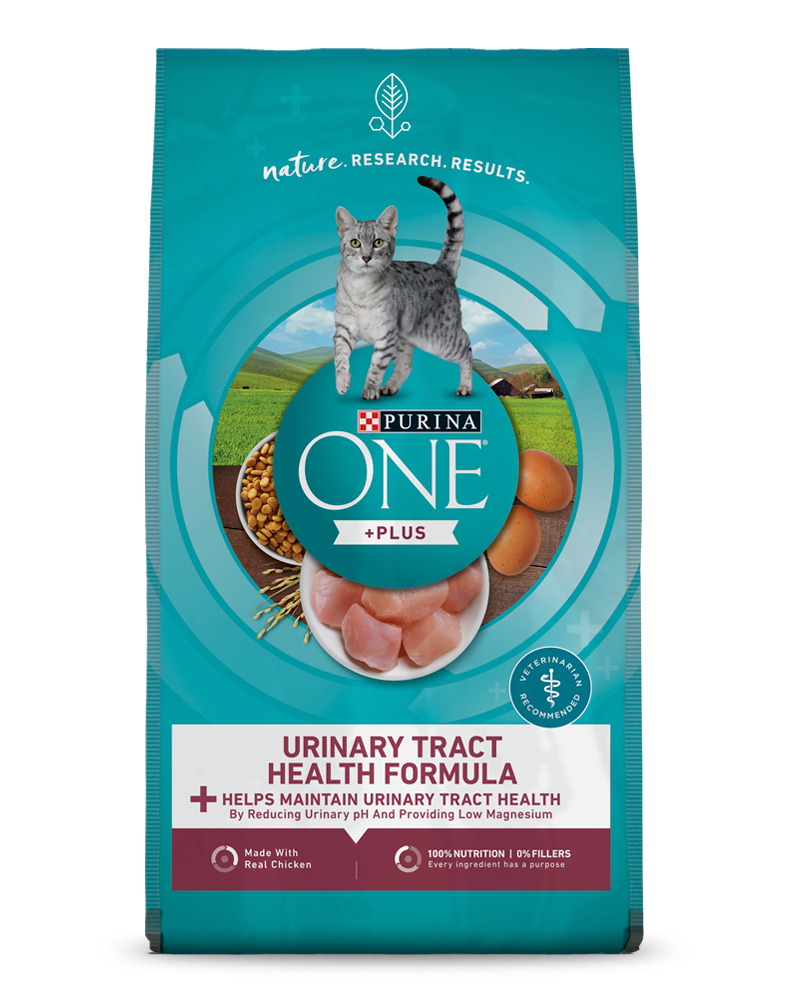
Purina ONE is a popular choice for budget-conscious owners. This formula is designed to lower urinary pH and contains reduced magnesium. It uses real chicken as the main protein, not just by-products, and is widely sold in grocery and pet stores.
Pros:
- Affordable (often under $1/lb)
- Readily available
- Supports urinary health with proper minerals
Cons:
- Dry food, so less moisture
- Contains some fillers like corn
2. Friskies Special Diet Urinary Tract Health (wet)
Friskies offers a urinary health formula in their “Special Diet” line. This canned food is wallet-friendly and helps keep cats hydrated. It’s available in a variety of flavors, so picky eaters have options.
Pros:
- Wet food (good moisture)
- Very budget-friendly
- Widely available
Cons:
- Lower in protein than some premium brands
- Contains by-products
3. Fancy Feast Classic Pâté (wet)
Fancy Feast Classic is not marketed for urinary health, but many vets recommend it as a budget alternative. The classic pâté formulas are high in moisture, low in carbohydrates, and lower in minerals than many dry foods.
Pros:
- High moisture
- Good protein source
- Cats love the taste
Cons:
- Not a prescription diet
- Some recipes contain fish, which can be a problem for sensitive cats
4. 9lives Plus Care (dry)
9Lives Plus Care is an affordable dry food that claims to support urinary health. It’s not as specialized as prescription diets, but it’s designed with lower magnesium and helps maintain a healthy urinary pH.
Pros:
- Inexpensive
- Easy to find
- Cats often accept it well
Cons:
- Contains corn and meat by-products
- Lower protein quality
5. Hill’s Science Diet Urinary Hairball Control (dry)
Hill’s is well-known for its prescription foods, but their Science Diet line is a solid non-prescription option. This formula helps manage both urinary health and hairballs, making it a good multi-purpose budget choice.
Pros:
- Reputable brand
- Supports urinary tract and hairball control
- Widely available
Cons:
- More expensive than grocery store brands
- Still dry food (less moisture)
6. Blue Buffalo Natural Veterinary Diet Wu Weight Management + Urinary Care (dry)
If your budget allows for slightly higher prices, this diet offers urinary support and weight control. It’s not a prescription food, but still more affordable than full prescription diets.
Pros:
- Grain-free option
- Good for overweight cats with urinary issues
- Quality ingredients
Cons:
- Mid-range price
- Only available in some stores
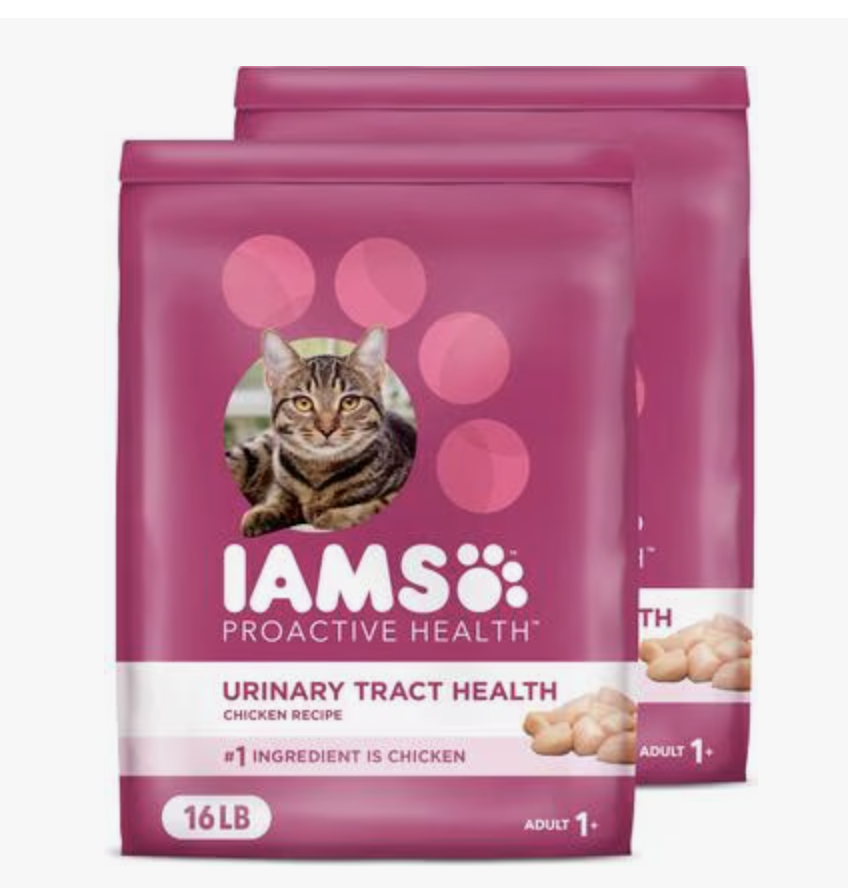
7. Iams Proactive Health Urinary Tract Health (dry)
Iams is a common US brand found in most supermarkets. Their urinary health formula helps maintain a healthy pH and is priced for tight budgets.
Pros:
- Affordable
- Easy to find
- Cats usually like the taste
Cons:
- Contains chicken by-product meal
- Less animal protein than some other brands
8. Tiki Cat Velvet Mousse (wet)
Tiki Cat Velvet Mousse offers a high-moisture, grain-free option. It’s not specifically for urinary health, but its nutrient profile supports hydration and lower mineral intake.
Pros:
- High moisture
- Simple ingredients
- Good for sensitive stomachs
Cons:
- Slightly more expensive than Friskies or Fancy Feast
- Some cats don’t like mousse texture
9. Sheba Perfect Portions (wet)
Sheba Perfect Portions are convenient, single-serve trays. These are high in moisture and generally lower in minerals, helping to dilute urine.
Pros:
- Convenient serving size
- Moist, palatable
- Affordable for wet food
Cons:
- Small portions (may be costly for big cats)
- Can be pricier per ounce
10. Weruva Cats In The Kitchen (wet)
Weruva’s “Cats in the Kitchen” line offers high-quality, protein-rich wet food with good moisture and controlled minerals. It’s grain-free and made in human food facilities.
Pros:
- High moisture
- Human-grade ingredients
- Lots of flavors
Cons:
- Mid-range price
- Can be hard to find in smaller stores
Comparing Top Budget Urinary Health Cat Foods
To help you see the differences, here’s a side-by-side look at some popular options:
| Brand & Formula | Type | Avg. Cost/Day* | Moisture (%) | Magnesium (%) | Meets AAFCO? |
|---|---|---|---|---|---|
| Purina ONE Urinary | Dry | $0.60 | 12 | 0.10 | Yes |
| Friskies Special Diet | Wet | $1.00 | 78 | 0.03 | Yes |
| Fancy Feast Classic | Wet | $1.20 | 78 | 0.02–0.04 | Yes |
| 9Lives Plus Care | Dry | $0.50 | 10 | 0.08 | Yes |
| Iams Urinary Health | Dry | $0.70 | 10 | 0.09 | Yes |
*Costs are estimates for a 10-lb cat as of 2024. Prices vary by store and location.
How To Transition Your Cat To A New Urinary Health Food
Changing your cat’s diet should be done slowly to prevent stomach upset and rejection. Cats are creatures of habit and sudden changes can lead to vomiting, diarrhea, or refusal to eat. Here’s a proven method:
- Start slow: Mix 25% new food with 75% old food for 2-3 days.
- Increase gradually: Move to 50/50 for 2-3 days, then 75/25 for 2-3 more days.
- Watch for issues: If your cat gets sick or stops eating, slow down the transition. Don’t force the change.
- Hydration first: If moving from dry to wet food, offer both at first. Some cats need time to accept new textures.
- Patience pays: Some cats take weeks to adjust. Stick with it and don’t give up too soon.
A common mistake is to switch foods overnight. This often backfires and makes cats hate the new food. Patience is key.
Credit: www.vetstreet.com
Tips To Improve Urinary Health Beyond Food
Food is important, but it’s not the only factor. Here are simple ways to support your cat’s urinary health, even on a budget:
- Encourage drinking: Add a pet water fountain—many cats love running water.
- Multiple water bowls: Place several bowls around the house, not just one.
- Clean the litter box often: Dirty boxes can stress cats and lead to holding urine.
- Reduce stress: Keep routines, offer hiding spots, and use calming pheromones if needed.
- Play more: Exercise helps reduce stress, which can trigger urinary issues.
Some owners add extra water to canned food or even a splash to dry kibble. This boosts hydration, especially for cats who ignore their water dish.
What To Avoid In Budget Cat Foods
Some cheap foods can actually make urinary problems worse. Here’s what to avoid:
- High ash: Cheap foods may have “ash” as a filler. This is leftover minerals from meat processing and can increase the risk of stones.
- Fish-heavy diets: Too much fish can raise magnesium and phosphorus, increasing stone risk.
- Soy and wheat fillers: These are not ideal for cats and can irritate sensitive systems.
- Artificial colors/flavors: These do nothing for health and can cause allergies.
It’s tempting to buy the cheapest bag on the shelf, but reading labels can prevent bigger vet bills later.
Common Mistakes When Choosing Budget Cat Food
Here are mistakes many cat owners make when trying to save money:
- Buying bulk dry food without checking labels: Not all dry foods are safe for urinary health.
- Ignoring moisture: Cats get most of their water from food. Dry-only diets can increase risk.
- Switching too quickly: Sudden food changes cause stomach upset and stress.
- Trusting marketing over facts: “Healthy” and “natural” don’t always mean good for urinary health.
- Skipping the vet: Always check with your vet if your cat has a history of urinary problems.
Does Prescription Food Offer Better Value?
Prescription foods like Hill’s c/d, Royal Canin SO, or Purina UR are made for cats with serious urinary issues. They are excellent, but expensive. For healthy cats with mild symptoms, over-the-counter foods can be enough. If your cat has a history of blockages or stones, talk to your vet before switching to budget food.
Prescription foods have stricter controls on minerals and urine pH, but for most cats, a good non-prescription diet plus plenty of water is effective and much more affordable.
Real-life Stories: Owners Who Saved On Urinary Health
Many cat owners in the US have faced huge vet bills due to urinary problems. But with the right food and some simple tricks, they found success on a budget.
- Ashley from Ohio switched her cat from an expensive prescription to Fancy Feast Classic, added a water fountain, and saw no more urinary issues for two years.
- Mark in California uses 9Lives Plus Care dry food, but adds a tablespoon of water to each meal and offers wet food twice a week.
- Janine from Texas rotates between Friskies Special Diet and Sheba Perfect Portions, depending on what’s on sale, and her three cats have avoided urinary problems.
What these owners learned: hydration matters most, and even budget foods can work if you pay attention to moisture and minerals.
How To Read Cat Food Labels For Urinary Health
Reading the fine print on a food bag can be confusing. Here’s how to spot urinary-friendly foods:
- Look for “urinary health” or “urinary tract” on the label.
- Check magnesium content: Look for 0.08–0.12% in dry food and 0.02–0.05% in wet food.
- Find moisture level: Wet foods should be 75%+.
- Protein source: Main ingredients should be animal protein, not corn or soy.
- AAFCO statement: This means the food is nutritionally complete.
If you see “ash” above 7% in dry food, or fish as the first ingredient, keep looking.
When To See A Vet
No food can fix all urinary problems. If your cat shows these signs, see a vet right away:
- Straining or crying in the litter box
- Bloody urine
- Urinating outside the box
- Frequent licking of genitals
- No urination for 12+ hours
Urinary blockages can kill cats in less than 48 hours. Never delay care. Even if money is tight, emergency clinics can often work out payment plans.
How To Make Your Own Budget Cat Food For Urinary Health
Some owners consider homemade food. While this can be affordable, it’s tricky to get the right balance. Most homemade diets miss key nutrients or minerals. If you want to try, work with a vet or pet nutritionist, and always use a balanced recipe.
A simple homemade tip: add a little low-sodium chicken broth to wet or dry food to increase moisture and flavor. Just make sure it has no onions or garlic.
Credit: www.target.com
Finding Discounts And Saving Money On Cat Food
You don’t have to pay full price. Here are some ways to save:
- Sign up for store loyalty programs
- Use manufacturer coupons (Purina, Hill’s, etc.)
- Shop online (Chewy, Amazon) for bulk deals
- Compare prices at big box stores (Walmart, Target)
- Watch for sales and stock up
Some animal shelters sell discounted food to owners in need. Ask your local shelter or rescue group for resources if you’re struggling.
The Bottom Line: Affordable Choices Without Sacrificing Health
Urinary tract issues in cats are serious, but you don’t need to buy the most expensive food to keep your pet healthy. Focus on moisture, controlled minerals, and good protein sources. Wet foods—even affordable ones—are usually better for urinary health than dry foods alone. Always make changes slowly, keep your cat hydrated, and check with your vet if you notice any problems.
If you want to learn more about feline urinary health, check out this Cornell Feline Health Center page for expert advice.
Credit: www.purina.com
Frequently Asked Questions
What Is The Best Budget Cat Food For Urinary Tract Health?
The best affordable cat food for urinary tract health is usually a high-moisture, low-magnesium wet food. Options like Friskies Special Diet, Fancy Feast Classic, or Purina ONE Urinary Tract Health (dry) provide good balance for most cats without a big price tag. Always check with your vet for your specific cat’s needs.
Can I Feed My Healthy Cat Urinary Health Cat Food?
Yes, most urinary health formulas are safe for healthy adult cats, especially those from reputable brands. They help maintain a healthy urinary pH and can prevent problems. However, avoid switching foods without a gradual transition.
Is Wet Or Dry Food Better For Cats With Urinary Problems?
Wet food is usually better for urinary health because it contains more moisture. This helps keep urine diluted and reduces the risk of stones and infections. If you use dry food, encourage your cat to drink more water.
How Do I Know If My Cat Is At Risk For Urinary Tract Problems?
Cats at higher risk include males, overweight cats, cats that eat mostly dry food, and those with a history of stress or urinary problems. Watch for straining, bloody urine, or urinating outside the box, and see a vet if you spot any of these signs.
Can I Use Homemade Food For Urinary Health?
Homemade food can be risky if not balanced properly. It’s easy to get minerals wrong, which can make urinary problems worse. If you want to try homemade diets, consult a vet or certified pet nutritionist to ensure your cat gets all necessary nutrients.
Taking care of your cat’s urinary tract health doesn’t have to be expensive or complicated. With smart choices and a little extra care, you can keep your feline friend happy—and save money at the same time.

Leave a Reply