
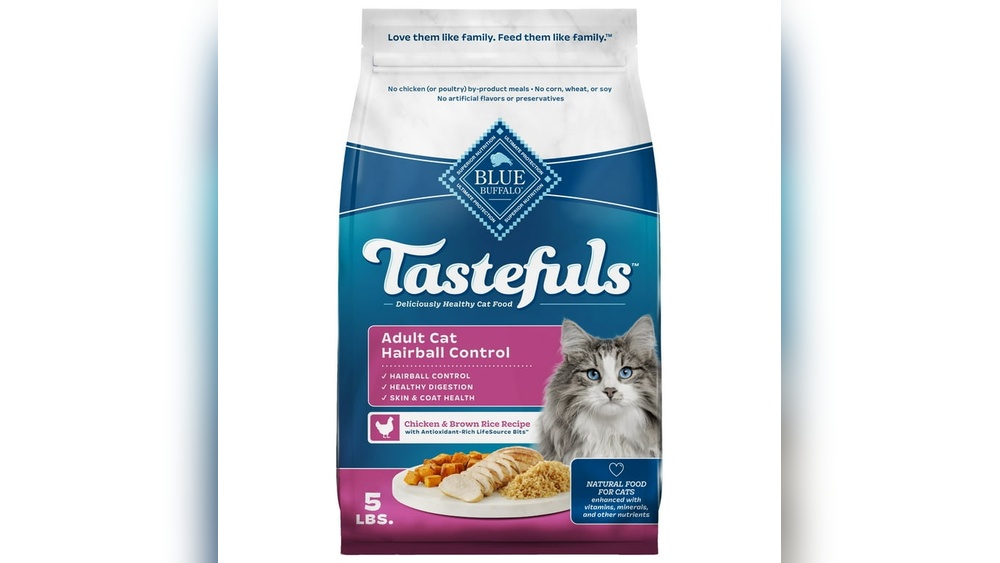
Cats are some of the most beloved pets in the USA, known for their playful personalities, gentle purrs, and soft, shiny coats. But if you’re a cat owner, you might have noticed your furry friend coughing, gagging, or leaving behind a clump of fur on the carpet. These are hairballs, and while they are common, frequent hairballs can be stressful for both cats and their people. Many cat owners are now searching for cat food for hairball control with natural ingredients. They want solutions that are gentle, effective, and safe—without harsh chemicals or artificial additives.
Let’s dive deep into what causes hairballs, how natural ingredients can help, and how to choose the right food for your cat. This guide gives you clear, practical information with real-world examples, tips, and insights you won’t find in a quick online search.
Why Do Cats Get Hairballs?
Cats are expert groomers. Their tongues have tiny hooks that catch loose and dead hair. Most of this hair passes through the digestive system and comes out in the litter box. However, some hair can stay in the stomach, forming a hairball. When the clump gets too big, your cat will try to cough or vomit it up.
Common causes of hairballs:
- Long-haired breeds (like Maine Coons or Persians) shed more and swallow more fur.
- Older cats groom themselves more and move less, so digestion slows.
- Cats with dry skin or who shed a lot during certain seasons (spring, fall).
- Digestive problems that make it harder for hair to pass through.
Most cats have a hairball once in a while, but more than once a month can be a sign of trouble.
The Problem With Frequent Hairballs
While hairballs are natural, too many can be a sign of:
- Digestive issues (constipation or blockages)
- Poor diet (not enough fiber, too many fillers)
- Stress or boredom (overgrooming out of anxiety)
If hairballs are happening often, it’s a good idea to talk with your vet. In rare cases, hairballs can cause dangerous blockages that require surgery.
How Diet Affects Hairballs
What your cat eats plays a huge role in hairball control. The right food can:
- Add fiber, which helps move hair through the digestive tract.
- Improve skin and coat health, so your cat sheds less.
- Reduce inflammation that can slow digestion.
On the other hand, poor-quality food with lots of fillers, artificial colors, and low-quality proteins can make hairballs worse.
Why Choose Natural Ingredients?
Many US cat owners are now looking for natural ingredients in their pet’s food. Here’s why:
- Safer and easier to digest: Natural ingredients are less likely to cause allergies or stomach issues.
- Fewer chemicals: No artificial colors, flavors, or preservatives.
- Better nutrition: Whole foods give more vitamins, minerals, and antioxidants.
- Sustainability: Natural foods often support more eco-friendly practices.
But “natural” doesn’t always mean “better. ” It’s important to know what to look for—and what to avoid.
Key Natural Ingredients For Hairball Control
Certain natural ingredients are proven to help with hairballs. Here’s what you should look for:
- Fiber sources: Fiber helps hair move through the digestive system.
- Pumpkin: Gentle on the stomach, high in soluble fiber.
- Beet pulp: Supports gut health and regular bowel movements.
- Psyllium husk: Adds bulk and moisture.
- Brown rice, oats, barley: Whole grains that add fiber and nutrients.
- Healthy fats: Good fats keep the skin and coat healthy, so your cat sheds less.
- Salmon oil: High in omega-3s, supports skin health.
- Chicken fat, flaxseed: Source of omega-6 and omega-3 fatty acids.
- Quality animal protein: Real meat (chicken, turkey, fish) is easier to digest than by-products.
- Natural antioxidants: Blueberries, cranberries, and carrots support the immune system and reduce inflammation.
Table: Common Natural Ingredients And Their Functions
| Ingredient | Function | Example Brands |
|---|---|---|
| Pumpkin | Soluble fiber, supports digestion | Wellness, Blue Buffalo |
| Salmon Oil | Omega-3 fatty acids, healthy skin | Natural Balance, Merrick |
| Beet Pulp | Moderate fiber, gut health | Hill’s Science Diet, Iams |
| Chicken | High-quality protein | Instinct, Nutro |
| Blueberries | Antioxidants, immune support | Wellness, Blue Buffalo |
What To Avoid In Cat Food
Some cat foods claim to control hairballs but use low-quality ingredients or unnecessary chemicals. Here’s what to watch out for:
- Artificial colors and flavors: Cats don’t care about color. These can cause allergies.
- By-product meals: These are lower quality and harder to digest.
- Excessive fillers: Corn, wheat, and soy can add bulk but little nutrition.
- Chemical preservatives: BHA, BHT, and ethoxyquin may cause health problems.
If you’re not sure, look for foods labeled “No artificial preservatives or colors” and read the ingredient list.
How To Choose The Right Food For Your Cat
Selecting the best cat food for hairball control with natural ingredients isn’t just about reading the label. Here’s a step-by-step approach:
- Check the first five ingredients. Look for real meats and whole foods, not fillers.
- Find the fiber content. For hairball control, aim for 3-5% crude fiber in dry food.
- Look for added omega-3 and omega-6 fatty acids.
- Avoid common allergens. If your cat is sensitive, avoid corn, soy, or dairy.
- Pick the right form: Dry food often has more fiber, but some cats prefer wet food or a mix.
Table: Comparing Natural And Non-natural Hairball Control Foods
| Feature | Natural Ingredient Food | Standard Hairball Food |
|---|---|---|
| Main Protein | Real chicken/fish | By-product meal |
| Fiber Source | Pumpkin, beet pulp, oats | Corn, cellulose |
| Preservatives | Mixed tocopherols (Vitamin E) | BHA, BHT |
| Artificial Colors | None | Often included |
| Omega Fatty Acids | Salmon oil, flaxseed | Vegetable oil (less effective) |
Top Natural Ingredients For Hairball Control: Deep Dive
Let’s look closer at the top natural ingredients and how they work in your cat’s body.
Pumpkin
Pumpkin is packed with soluble fiber. This type of fiber forms a gel in the gut, helping hair and waste move smoothly. It’s gentle on the stomach and usually well-tolerated, even by cats with sensitive digestion. Many brands add pumpkin puree or powder to their hairball formulas.
Beet Pulp
Beet pulp is a moderate fiber source that feeds the good bacteria in your cat’s gut. It helps create regular, well-formed stools, which makes it easier for swallowed hair to pass naturally. It’s often used in vet-recommended diets.
Psyllium Husk
Psyllium is a plant-based fiber with strong water-absorbing ability. It can bulk up stool and speed the passage of hair through the intestines. Not all cats tolerate it, but in small amounts, it’s very effective.
Salmon Oil And Flaxseed
Both are rich in omega-3 fatty acids. These healthy fats make your cat’s coat soft and shiny, which means less shedding and less hair to swallow. Salmon oil is especially good for cats with dry, itchy skin.
Blueberries And Cranberries
These fruits provide antioxidants. Antioxidants fight inflammation and support the immune system. They also add a natural touch of flavor and nutrients without extra calories.
Brown Rice And Oats
Whole grains like brown rice and oats add extra fiber and energy. They are easy to digest and rarely cause allergies. These grains also contain B vitamins, which help maintain healthy skin and fur.
How Natural Hairball Control Food Supports Overall Cat Health
Feeding your cat a diet focused on hairball control with natural ingredients does more than reduce hairballs. Here’s how it benefits your pet:
- Better digestion: More fiber means more regular bowel movements and fewer upset stomachs.
- Healthier skin and coat: Good fats and real proteins make your cat’s fur shinier and softer.
- Stronger immune system: Natural antioxidants help your cat fight off illness.
- More energy: Cats on high-quality diets are more playful and alert.
Some owners also notice less litter box odor and fewer stomach upsets.
Real-world Examples: Natural Hairball Control Cat Foods
Many US brands now offer hairball control formulas with natural ingredients. Here are some popular options (always check the latest formulas, as ingredients can change):
- Blue Buffalo Indoor Hairball & Weight Control: Real chicken, brown rice, oatmeal, pea fiber, flaxseed, and no artificial colors.
- Wellness Natural Hairball Control: Deboned chicken, chicken meal, brown rice, peas, tomato pomace, and cranberries. Contains omega-3s and probiotics.
- Nutro Wholesome Essentials Hairball Control: Chicken, brown rice, pea fiber, and salmon oil. Non-GMO ingredients.
- Hill’s Science Diet Hairball Control (Natural version): Chicken as the first ingredient, whole grains, and beet pulp for fiber.
- Merrick Purrfect Bistro Hairball Control: Deboned chicken, salmon oil, sweet potatoes, and no artificial preservatives.
When trying a new food, introduce it slowly to avoid stomach upset.
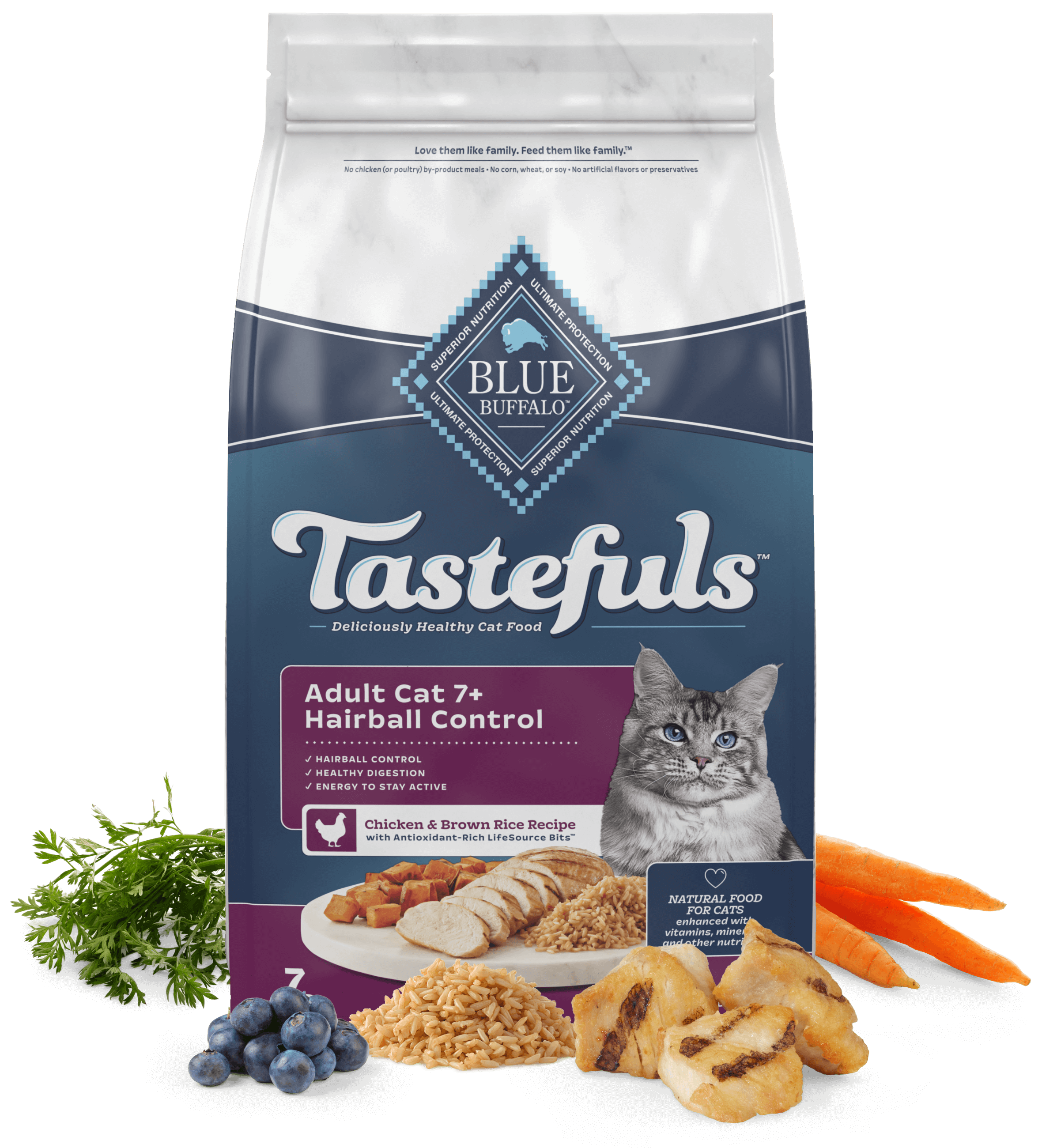
Credit: www.bluebuffalo.com
How To Switch Your Cat To A Natural Hairball Control Food
Switching foods quickly can make your cat sick or cause diarrhea. Here’s how to do it safely:
- Start slow: Mix 25% new food with 75% old food for 2-3 days.
- Increase gradually: Move to 50/50 for another 2-3 days, then 75/25 for 2-3 more days.
- Watch your cat: Look for changes in appetite, stool, or energy. If you see vomiting or diarrhea, slow down the switch.
- Offer fresh water: Good hydration is key for moving hair through the gut.
Some cats are picky and may need extra time to adjust.
Common Mistakes Cat Owners Make
Even with good intentions, it’s easy to make mistakes when choosing hairball control food:
- Switching too fast: Sudden changes can cause stomach problems.
- Not reading the ingredient list: Some brands add “natural” to the name but still use fillers.
- Ignoring your cat’s preferences: If your cat refuses to eat, the food won’t help.
- Skipping vet visits: Frequent hairballs can be a sign of a medical problem.
- Overfeeding treats or human food: These can add calories and upset the stomach.
A less obvious tip: Some cats need more moisture in their diet. Adding a little water or broth to dry food can help.
Do Natural Hairball Control Foods Really Work?
Research and owner experiences show that diets with the right blend of fiber, healthy fats, and animal protein can cut down on hairballs. But results vary by cat. Some see improvement in a few weeks; others need more time or additional changes (like more brushing or less stress).
A 2021 survey by the American Pet Products Association found that 64% of US cat owners noticed fewer hairballs after switching to a hairball control diet with natural ingredients.
But remember, no food can completely prevent hairballs, especially in long-haired breeds. The goal is to reduce frequency and make hairballs easier for your cat to pass.
Beyond Food: Other Ways To Help Your Cat
Diet is important, but it’s not the whole story. Here are some extra ways to control hairballs naturally:
- Regular brushing: Removes loose hair before your cat swallows it. Long-haired cats may need daily brushing.
- Hydration: Wet food or a pet fountain encourages more water drinking.
- Play and exercise: Keeps digestion moving and reduces stress-based grooming.
- Reduce stress: New pets, moves, or changes at home can cause overgrooming.
- Hairball gel or paste: Some natural products use petroleum-free formulas with malt or fish oil to help hair pass.
If you try these tips with a good food, you’ll see the best results.
How To Read Cat Food Labels Like A Pro
Understanding labels can be confusing. Here’s what to focus on for hairball control with natural ingredients:
- Crude fiber: Look for 3-5% in dry food.
- First ingredients: Should be named meats or fish, not “meat by-products.”
- No artificial colors or flavors: These are not needed and can cause problems.
- Natural preservatives: Look for “mixed tocopherols” (vitamin E) instead of BHA or BHT.
- Added omega fatty acids: Often listed as salmon oil, flaxseed, or fish oil.
If a brand doesn’t clearly state these details, it’s better to choose another.
Table: Sample Ingredient Labels Comparison
| Ingredient Order | Natural Hairball Control Food | Standard Hairball Food |
|---|---|---|
| First Ingredient | Deboned chicken | Poultry by-product meal |
| Second | Brown rice | Corn gluten meal |
| Third | Pumpkin | Wheat flour |
| Preservative | Mixed tocopherols | BHA/BHT |
| Added Fiber | Beet pulp, pea fiber | Cellulose |
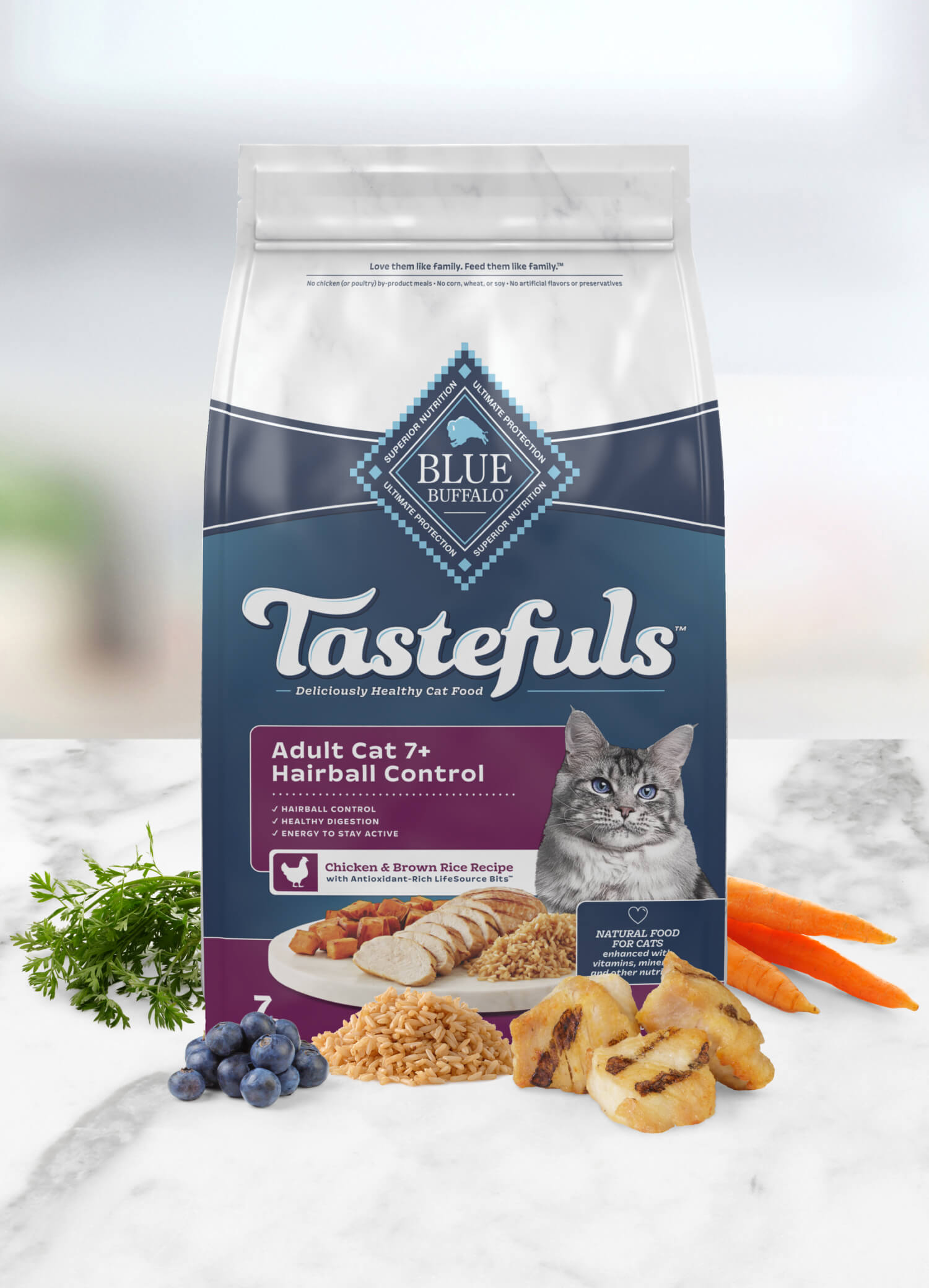
Credit: www.bluebuffalo.com
Are Home-cooked Or Raw Diets Good For Hairball Control?
Some owners want to make food at home or try raw diets. While this can work, it’s tricky:
- Home diets must be balanced—too little fiber or fat can make hairballs worse.
- Some raw diets lack safe fiber sources.
- It’s easy to miss important vitamins and minerals.
If you want to try home-cooked or raw, talk with a vet or animal nutritionist first. They can help you create a safe, balanced plan.
Special Considerations For Kittens, Seniors, And Sick Cats
- Kittens: Rarely get hairballs, but need protein for growth. Wait until 1 year old before switching to hairball control food.
- Seniors: Older cats may need more fiber and easier-to-digest food. Ask your vet before changing diets.
- Cats with health problems: Some need special diets for kidneys, diabetes, or allergies. Don’t switch foods without checking with your vet.
The Importance Of Regular Vet Checks
Even the best food can’t replace good veterinary care. If you notice:
- More hairballs than usual
- Vomiting, diarrhea, or constipation
- Loss of appetite or energy
- Weight loss
See your vet. Sometimes, hairballs can hide more serious problems.
Final Tips For Success
- Read ingredient labels carefully.
- Introduce new foods slowly.
- Brush your cat often.
- Keep your cat hydrated.
- Watch for changes in behavior or health.
Sometimes, a small change—like switching to a food with pumpkin and salmon oil—can make a big difference.

Credit: www.walmart.com
Frequently Asked Questions
What Is The Best Natural Ingredient For Hairball Control?
Pumpkin is one of the best natural ingredients. It’s gentle, high in soluble fiber, and easy to digest. Many high-quality hairball control foods include pumpkin or beet pulp for this reason.
How Long Does It Take For Natural Hairball Control Food To Work?
Most owners see results in 2 to 4 weeks. Some cats need more time, especially if they have a lot of hairballs or are older. Keep an eye on your cat’s behavior and litter box, and talk to your vet if you don’t see improvement.
Can I Mix Dry And Wet Hairball Control Food?
Yes, mixing dry and wet food is fine and can help increase water intake. Just make sure both foods are made for hairball control and have natural ingredients. Transition slowly to avoid stomach upset.
Is Hairball Control Food Safe For All Cats?
Most hairball control foods are safe, but not all cats need extra fiber. Kittens and cats with certain illnesses may need different nutrition. Always check with your vet before switching, especially for young or sick cats.
Where Can I Learn More About Cat Nutrition?
You can find reliable information from the ASPCA’s cat nutrition tips. They offer science-based guidance for US pet owners.
A hairball-free life is possible with the right food, care, and attention. By choosing a cat food for hairball control with natural ingredients, you give your cat a healthier, happier future—and fewer messes to clean up. Your cat will thank you with a soft, shiny coat and lots of purrs.

Leave a Reply