Stuffed animals holding food blend cute design with comfort, gifting charm, and collector appeal.
If you love clever plush, you’re in the right place. I study design trends and collect plush, and I’ve tested care, storage, and buying tips for years. This guide breaks down stuffed animals holding food from styles to sourcing, with clear steps and real-life examples to help you buy, display, and enjoy them with confidence.

What makes stuffed animals holding food so popular
Stuffed animals holding food tap into joy and comfort at once. The plush gives warmth. The food adds a playful story. Together, they feel cozy and fun.
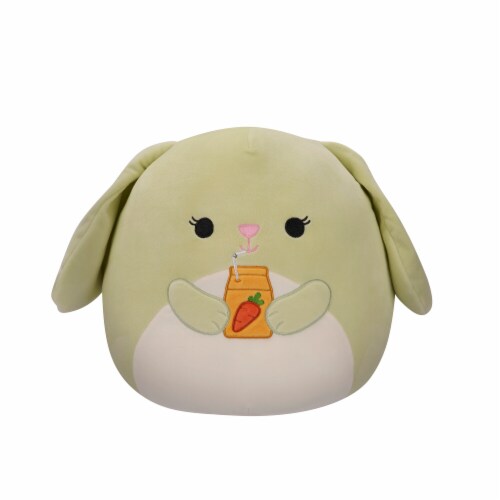
These designs also tell small tales. A bunny hugging a carrot feels calm and sweet. A panda with boba feels cute and modern. You can feel mood, taste, and place in one plush.
Collectors like clear themes. Food is a strong theme. It helps you build a set with color and style that match. That makes displays easy and eye-catching.
For search and shopping, the phrase stuffed animals holding food helps you find what you want fast. It narrows choices from a very big market. It also helps sellers label their products clearly.

Types and trends in stuffed animals holding food
The category is wide and grows fast. Here are major styles I see all the time. I’ll note why each one works.
Classic comfort foods
Think donuts, pizza, burgers, and hot cocoa. The shapes are bold and simple. Colors pop in photos. These stuffed animals holding food sell well as gifts, since everyone knows the foods.
Cute, cafe-inspired picks
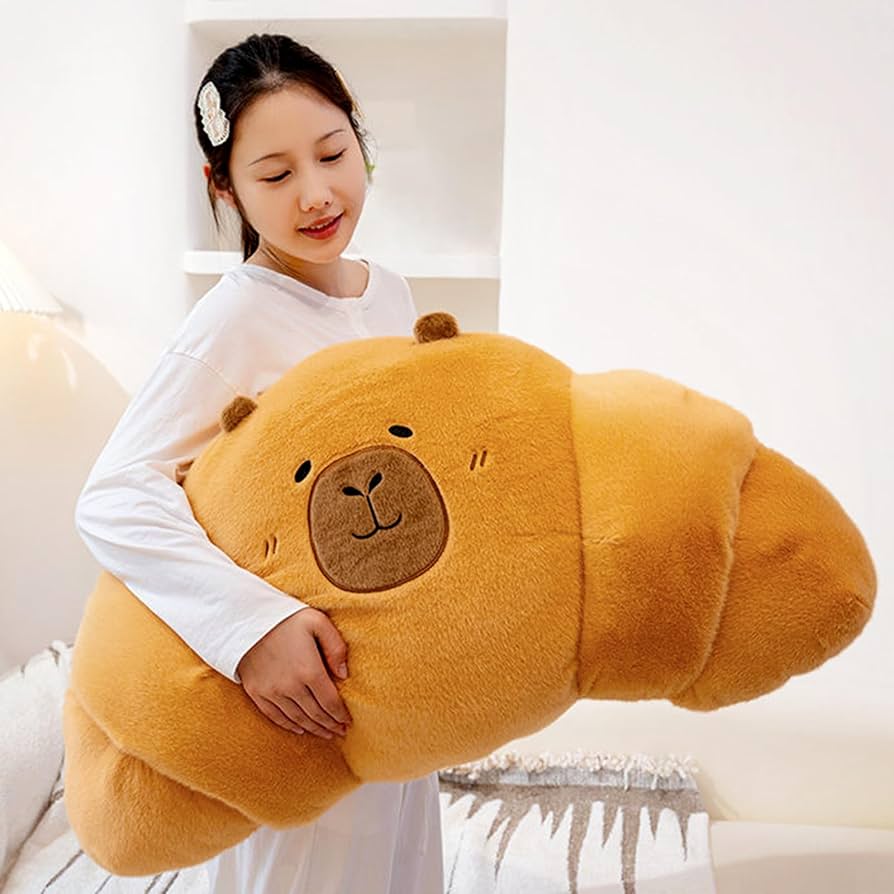
Boba tea, macarons, and croissants lead this group. Soft pastels and round forms feel calm. They fit office desks and dorm rooms. They also pair well with plants and books.
Healthy and nature themes
Carrots, strawberries, corn, and avocados sit here. These bring fresh colors and a calm feel. Parents like them for nurseries. They also work in classroom reading corners.
Seasonal specials
Pumpkin spice, gingerbread, and heart-shaped treats show up for holidays. These stuffed animals holding food draw collectors who like limited drops. Buy early, since these often sell out.
The trend across all groups is clarity. A plush that reads like “bear plus bread” at a glance gets more clicks. Simple faces and round shapes help. So does a good prop scale.
Design elements that work
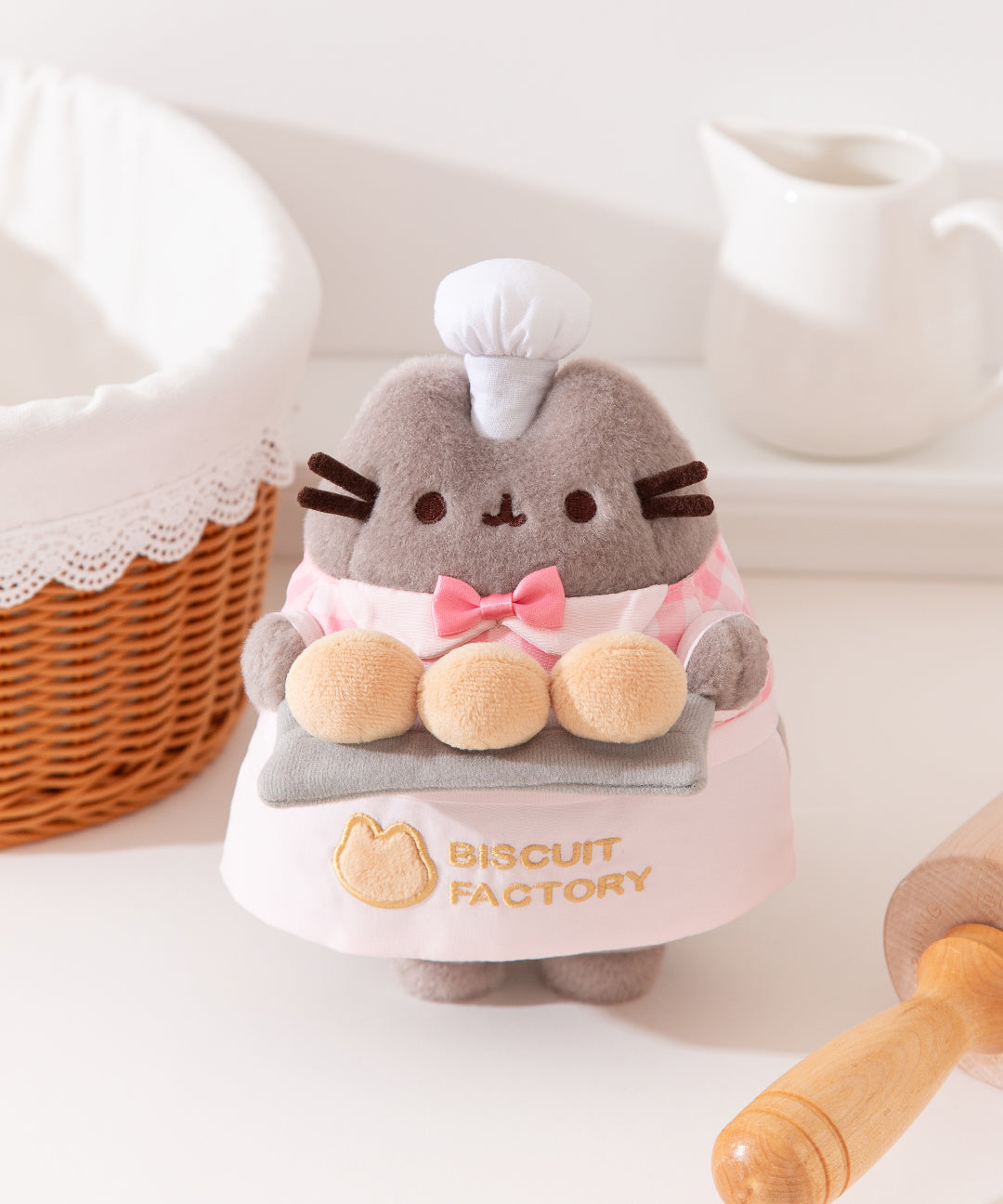
Great stuffed animals holding food follow simple rules. I use these checks when I buy or design.
- Clear silhouette: You should spot the animal and the snack fast.
- Right scale: The food should look cute, not huge or tiny.
- Soft colors: Pastels and warm tones photograph well in most rooms.
- Gentle face: Closed eyes or a small smile invites a hug.
- Hand feel: Velboa or minky feels smooth; sherpa feels cozy.
- Safe details: Embroidered eyes beat glued parts for small kids.
- Prop firmness: The food should keep its shape over time.
If you shop online, zoom in on seams and the “hold” point. The join between paw and food sees stress. Quality shows in that stitch line.

Buying guide and authenticity
Stuffed animals holding food look simple, but quality ranges a lot. Use this quick path to get the best value.
- Set your goal: gift, decor, cuddle use, or collect. This drives size and price.
- Check fabric: short pile sheds less. Long pile feels luxe but traps dust.
- Read tags: look for fiber fill type, age grade, and test marks.
- Compare photos: real items match brand colors and seams. Blurry tags can be a red flag.
- Scan reviews: focus on stitch quality, stuffing, and wash results.
When I test a new brand, I order one small piece first. I check seams, tags, and smell. If it passes, I buy the larger plush. This step saved me from a few weak copies.
Price can signal risk. Very cheap stuffed animals holding food are often under-filled. They lose shape fast. Pay a bit more for tight seams and a stable design.
Care, cleaning, and storage
Good care keeps shape and color bright. It also helps resale value for collectors.
- Surface clean first: use a damp cloth with a drop of mild soap.
- Spot test: try any cleaner on a hidden area before use.
- For machine-safe plush: a mesh bag, cold water, gentle spin, then air dry.
- Reset loft: pat and shake while drying. A soft brush helps smooth the pile.
- Avoid heat: no hot dryer. Heat can warp glue or eyes.
- Store right: keep out of sun and dust. Use a lidded bin for long-term.
I keep silica packets in storage boxes. It stops musty smells. For stuffed animals holding food, I also pad the food prop so it does not crease the body.
DIY and customization
Want your plush to feel unique? You can add food props the safe way.
Simple add-ons
- Felt food: cut and stitch a tiny donut or cookie.
- Removable strap: sew a small loop on the paw and attach with Velcro.
- Mini basket: place faux fruit in a tiny basket the plush can “hold.”
Step-by-step
- Draw the prop at scale and test in paper.
- Cut felt or foam. Stitch edges with blanket stitches.
- Add soft stuffing to hold shape.
- Attach with a loop, not glue, so you can wash the plush.
This approach lets you switch themes by season. Your stuffed animals holding food can “hold” cocoa in winter and lemonade in summer.

Display and gifting ideas
Display makes a big impact. Keep it simple and bright.
- Shelf sets: group by color or food type. Odd numbers look best.
- Desk buddies: one small plush near your mug or plant.
- Shadow boxes: frame a mini set with a card tag.
- Seasonal trays: swap in holiday foods on entry tables.
For gifts, add a short note that links the plush to a memory. “Bear with bagel, like our Sunday walks.” It makes stuffed animals holding food feel personal and warm.

Safety and age considerations
Safety comes first, always. Check the age grade on the tag. Small parts can be a risk for kids under three. Avoid loose bows, plastic charms, and scented beads for young kids.
Pick embroidered eyes and secure seams. For pets, skip beads and bells. Wash new stuffed animals holding food before giving them to toddlers. It reduces dust and loose fibers.
If allergies are a concern, choose hypoallergenic fill and wash in a bag. Dry fully to avoid damp smells. Check labels for material content.

Where to buy and price guide
You can find stuffed animals holding food in many places. Each has trade-offs.
- Official brand stores: best quality and return policy. Higher price.
- Artisan marketplaces: unique designs and custom sets. Check maker reviews.
- Specialty toy shops: curated picks and helpful staff. Limited stock.
- Conventions and fairs: rare finds and signed tags. Prices vary.
- Import shops online: wide range, but confirm authenticity.
Prices vary by size, material, and brand. Minis sit at budget levels. Mid-size sits in the gift range. Large or limited runs cost more. Always compare listings and photos.
Collecting, value, and resale
A good collection has a focus. I like sets by food theme or color. It helps you stay on budget and display well.
Save tags, cards, and bags. They support value if you resell. Log details in a simple sheet: date, price, shop, and notes on condition.
Keep a gentle care routine. Rotate displays out of direct sun. For rare stuffed animals holding food, use dust covers. Take clear photos if you plan to sell later.
Frequently Asked Questions of stuffed animals holding food
What are stuffed animals holding food?
They are plush characters that hold a food item, like pizza or boba. The combo adds charm and clear theme appeal.
Why are these plush so popular right now?
They blend comfort with playful style that photographs well. Social feeds love cute props with clear shapes and colors.
Are stuffed animals holding food safe for toddlers?
Choose embroidered eyes and no loose parts. Always check the age grade and avoid tiny accessories.
How do I clean a plush that holds a food prop?
Start with spot cleaning and a mesh bag if machine washing is allowed. Air dry and reshape the prop by hand.
Where can I find rare designs?
Try brand drops, artisan shops, and toy conventions. Join collector groups to track release calendars and restocks.
Do these plush hold value for collectors?
Yes, if they are limited, well-kept, and complete with tags. Document details and store away from sun and dust.
How can I spot fakes online?
Check seams, tag clarity, and color accuracy. If the price looks unreal, it likely is.
Conclusion
Stuffed animals holding food bring easy joy, strong stories, and warm decor in one hug. With smart buys, gentle care, and a clear display plan, your collection will look great and last. Try one small piece this week, set it on your desk, and watch how it lifts your mood. Ready for more ideas? Subscribe for fresh guides, drop alerts, and budget-friendly picks.

Leave a Reply