As dogs grow older, their bodies change in many ways. One change can be how they react to food. Some older dogs develop food intolerance. This means their body does not like certain foods. It can cause problems for your dog. Knowing the signs helps you keep your dog healthy and happy.
What Is Food Intolerance?
Food intolerance is different from food allergy. An allergy is when the dog’s immune system reacts badly. Food intolerance is when the body has trouble digesting some foods. It does not involve the immune system. But both can cause discomfort and health issues. Many older dogs face food intolerance.

Credit: www.esseg.eu
Why Do Older Dogs Get Food Intolerance?
- Digestive system weakens with age.
- The body makes fewer enzymes to break down food.
- Older dogs may have other health problems.
- Long-term exposure to some foods can cause intolerance.
Because of these reasons, older dogs can react badly to some foods.
Common Signs of Food Intolerance in Older Dogs
Food intolerance can show many signs. Some are easy to see. Others are quiet and slow. Watch your dog closely. The sooner you notice, the better you can help.
1. Digestive Problems
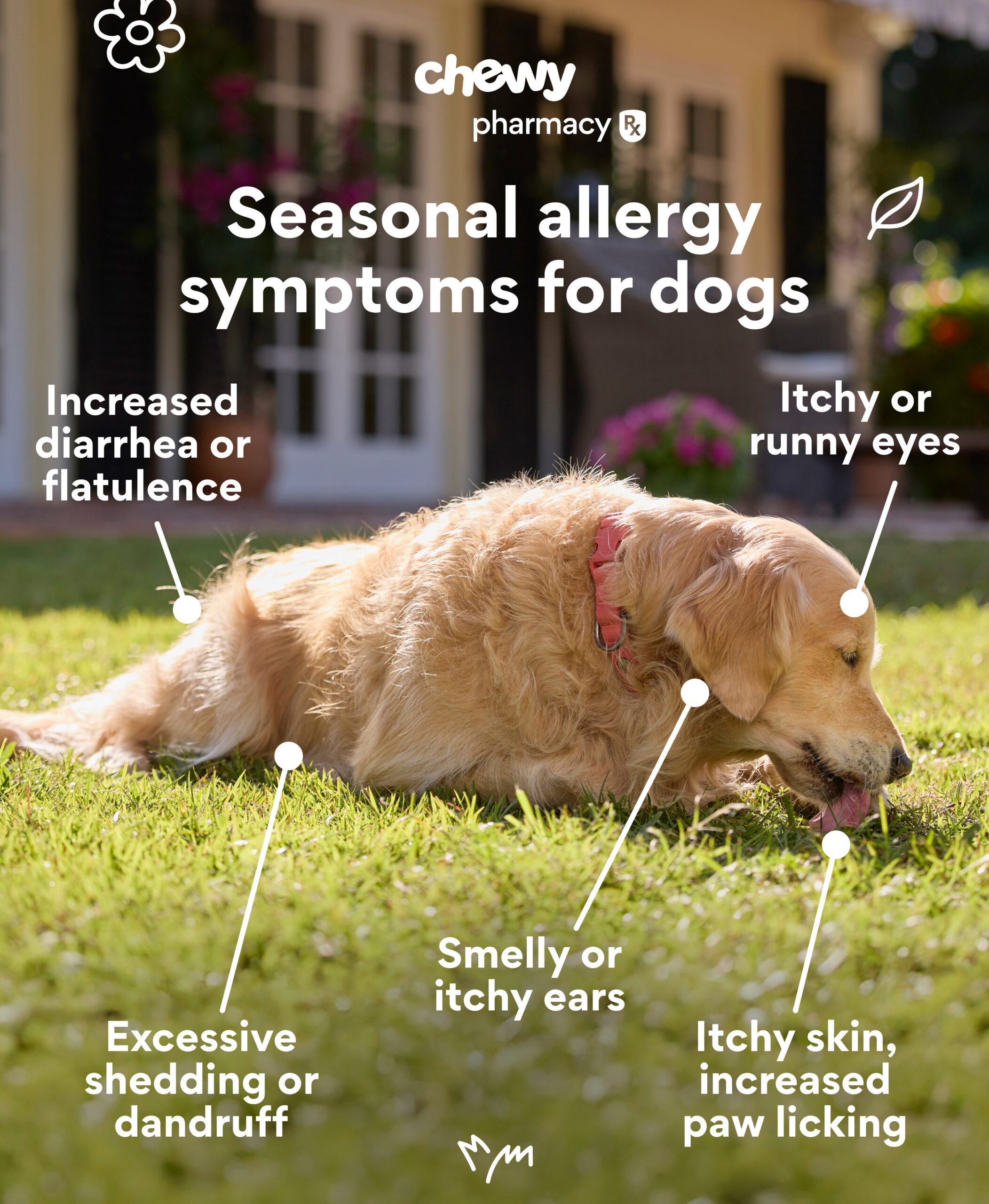
One of the first signs is trouble in the stomach. Your dog may have:
- Diarrhea that comes and goes
- Vomiting after eating
- Gas or bloating
- Constipation
These problems may happen soon after eating certain foods.
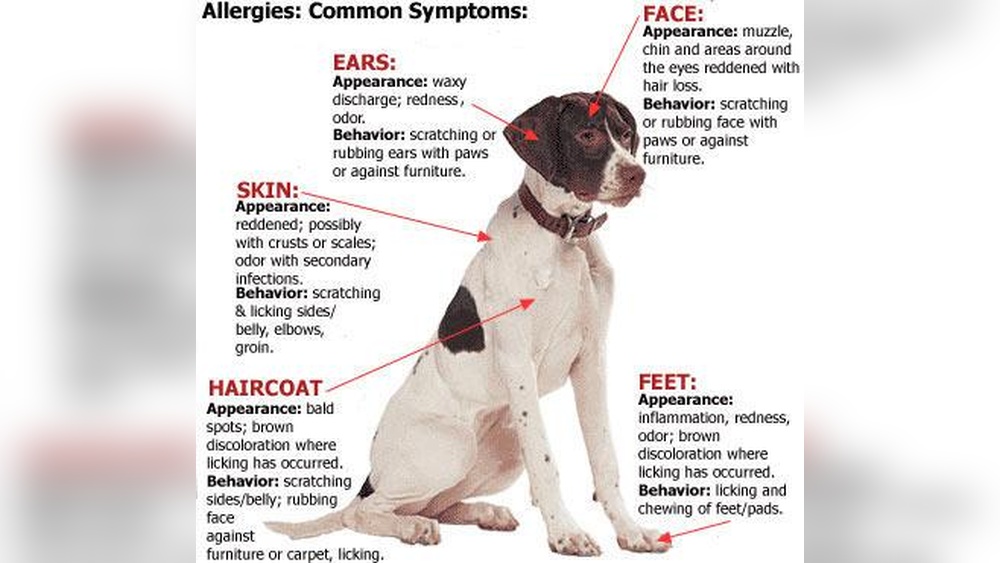
2. Itchy Skin And Hair Loss
Food intolerance can cause skin problems. Your dog may scratch a lot. You may see red spots or rashes. Hair may fall out in patches. The skin can look dry or flaky.
3. Ear Infections
Older dogs with food intolerance may get ear infections often. Their ears can be red, smelly, or itchy. If your dog scratches ears a lot, check food causes.
4. Changes In Behavior
Food intolerance can affect how your dog feels. Signs include:
- Less energy than usual
- More tired or sleepy
- Being restless or uncomfortable
These changes may happen because your dog feels unwell.
5. Weight Changes
Your dog may lose weight without trying. Or they may gain weight. Both can be signs of food intolerance. If your dog’s weight changes fast, check their food.
6. Bad Breath
Food intolerance can cause bad breath. If your dog’s breath smells worse, this might be a clue.
Foods That Often Cause Intolerance
Some foods are more likely to cause problems. These include:
- Dairy products like milk and cheese
- Wheat and gluten
- Beef and chicken
- Soy
- Eggs
- Corn
Not all dogs react to these foods. But they are common triggers.
How to Help Your Older Dog with Food Intolerance
It is important to help your dog feel better. Here are steps you can take:
1. Watch And Write Down Symptoms
Keep a diary of your dog’s symptoms. Note when they start. Also, write down what your dog eats. This helps find problem foods.
2. Change Your Dog’s Diet
Try feeding simple foods first. Use one protein and one carb. See if symptoms improve. Slowly add other foods back.
3. Avoid Common Triggers
If you know certain foods cause problems, stop feeding them. Look for dog food made for sensitive stomachs.
4. Consult Your Vet
Always talk to a vet if you see signs of food intolerance. They can help find the cause. Sometimes tests are needed. The vet can suggest the best food plan.
5. Use Supplements Carefully
Some supplements help digestion. But do not give without vet advice. Some may not be good for older dogs.
Table: Common Signs of Food Intolerance and What to Do
| Sign | What to Do |
|---|---|
| Diarrhea or Vomiting | Note foods eaten, try bland diet, consult vet |
| Itchy Skin or Hair Loss | Check diet, avoid common allergens, vet checkup |
| Ear Infections | Clean ears gently, check food, visit vet |
| Behavior Changes | Observe closely, keep diet simple, seek vet advice |
| Weight Loss or Gain | Monitor food intake, adjust diet, consult vet |
| Bad Breath | Check teeth, review diet, vet visit if needed |
Credit: www.chewy.com
Remember: Patience Is Key
Finding food intolerance is not quick. It takes time. Your dog needs your help and care. Changing food slowly is important. Watch your dog every day.
Older dogs depend on you for good health. Food intolerance is common but manageable. With care, your dog can live happily.
Final Thoughts
Signs of food intolerance in older dogs can be many. Digestive trouble, skin issues, and behavior changes are key. Knowing these signs helps you act fast. Change your dog’s diet carefully. Always ask your vet for help.
Your older dog deserves comfort and good health. Watch, care, and love your dog well.
Frequently Asked Questions
What Are Common Signs Of Food Intolerance In Older Dogs?
Older dogs may show vomiting, diarrhea, itching, or excessive gas. Watch for changes in appetite or energy levels as well.
How To Tell If My Older Dog Has A Food Allergy?
Look for skin redness, swelling, or constant scratching. Digestive issues like diarrhea can also signal allergies.
Can Food Intolerance Cause Weight Loss In Senior Dogs?
Yes, food intolerance often leads to poor nutrient absorption, causing weight loss. Monitor your dog’s weight closely.
Why Does My Older Dog Vomit After Eating Certain Foods?
Vomiting may mean your dog’s digestive system rejects some ingredients. Food intolerance can irritate their stomach.

Leave a Reply