
Senior cat food often boosts protein, moisture, and joint support; adult food maintains general health.
If you’re comparing Senior cat food vs adult cat food, you’re in the right place. I help pet parents navigate labels, nutrients, and real-life feeding choices. We’ll break down what changes as cats age, how formulas differ, and what to buy for your cat’s unique needs. By the end, you’ll feel confident choosing the best diet for your older friend.
What actually changes as cats age
Cats age quietly. You may not notice the small shifts at first. Metabolism slows for some, yet many seniors lose muscle and become pickier. Hydration often drops, and kidney or dental issues may creep in.
Taste and smell can fade, which affects appetite. Digestion can become less efficient. Many cats need either fewer calories or more energy-dense food, depending on weight trends. This is why Senior cat food vs adult cat food is not a simple swap. It is a tailored choice.
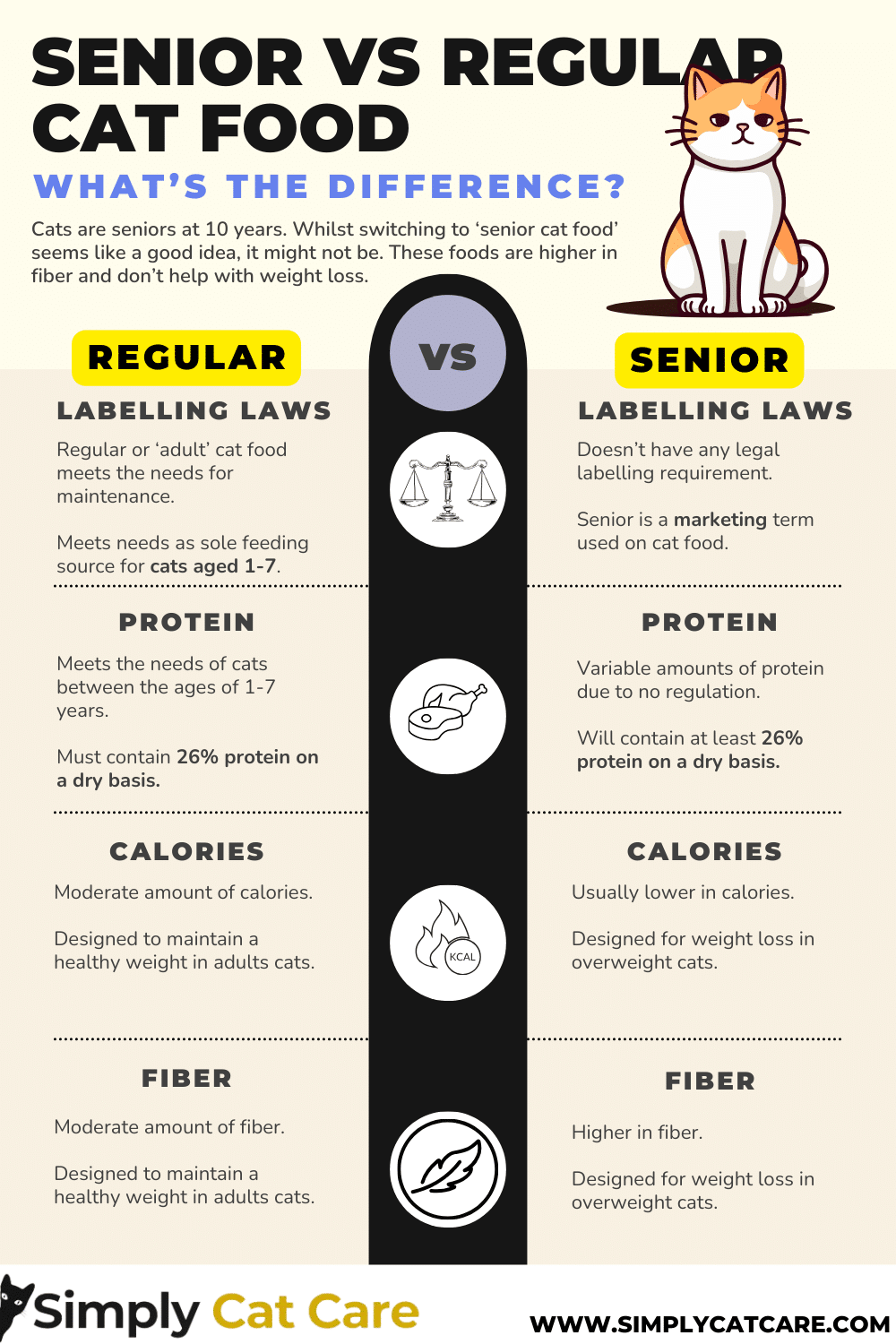
Senior cat food vs adult cat food: key differences
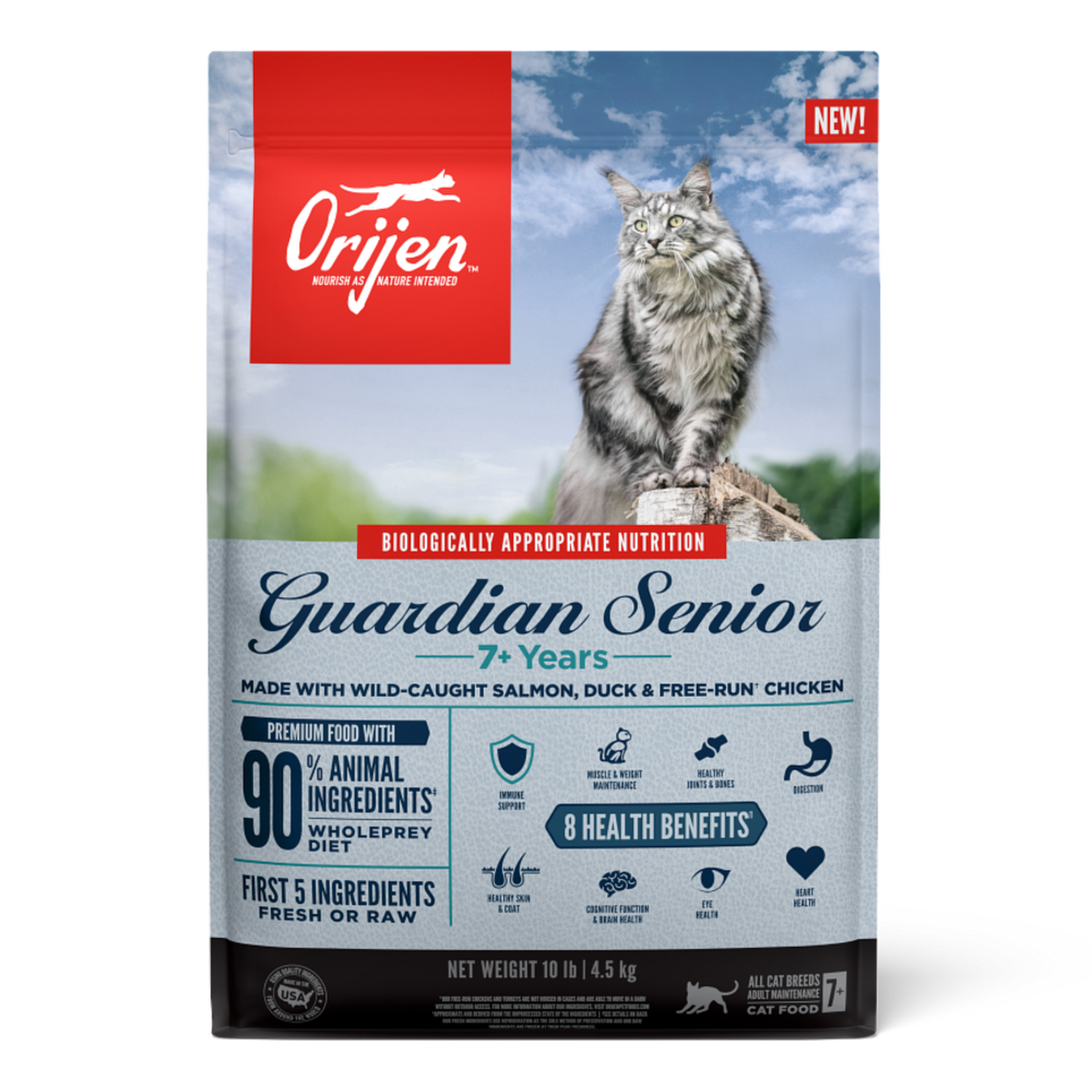
Manufacturers design adult food for maintenance in healthy cats. Senior food is still adult maintenance by standards, but with tweaks for aging bodies. In many cases, senior formulas aim to protect muscle, kidneys, and joints.
Key differences you may see:
- Protein: Senior foods often raise high-quality protein to help prevent muscle loss.
- Phosphorus: Many senior foods lower phosphorus to be kinder to aging kidneys.
- Sodium: Some senior lines moderate sodium for heart and blood pressure support.
- Moisture: More wet options and higher moisture to support hydration.
- Add-ons: Omega-3s from fish oil, antioxidants, and prebiotics for gut health.
Senior cat food vs adult cat food is not one-size-fits-all. Some seniors thrive on regular adult food. Others need specific senior tweaks.
The nutrition deep dive: protein, fat, calories, and carbs
Protein
- Older cats often need the same or more protein than younger adults.
- Look for named animal proteins. Aim for a robust protein percentage on a dry matter basis.
- If your cat has kidney disease, ask your vet. Most need controlled phosphorus and enough protein to maintain muscle.
Fat and calories
- Some seniors gain weight and need lower calories. Many over 12 years lose weight and need more energy.
- Watch your cat’s body condition monthly. Adjust calories up or down. Small tweaks work best.
Carbs and fiber
- Moderate carbs are fine for most cats. Focus on digestibility.
- Fiber helps stool quality and hairballs. Too much can reduce calorie intake in thin seniors.
When comparing Senior cat food vs adult cat food, think protein quality, controlled minerals, and moisture. Then match calories to your cat’s body.
Kidney, heart, joints, and weight: special senior needs
Kidney support
- Lower phosphorus can help protect kidneys. Many senior foods reduce it compared to adult foods.
- More moisture helps. Wet food or a mixed diet can support hydration.
Heart and blood pressure
- Some senior diets use moderate sodium. Your vet can guide targets if your cat has hypertension.
Joints and mobility
- Omega-3s like EPA and DHA help with inflammation. You may also see glucosamine in some formulas.
- Keep weight in check. Extra pounds strain joints.
Weight management
– Track body condition and muscle condition, not only the scale.
- Thin seniors may need energy-dense wet food, warmed for aroma. Overweight cats may need controlled calories with high protein.
In short, Senior cat food vs adult cat food often means extra kidney care, more moisture, and targeted add-ons that fit common senior issues.
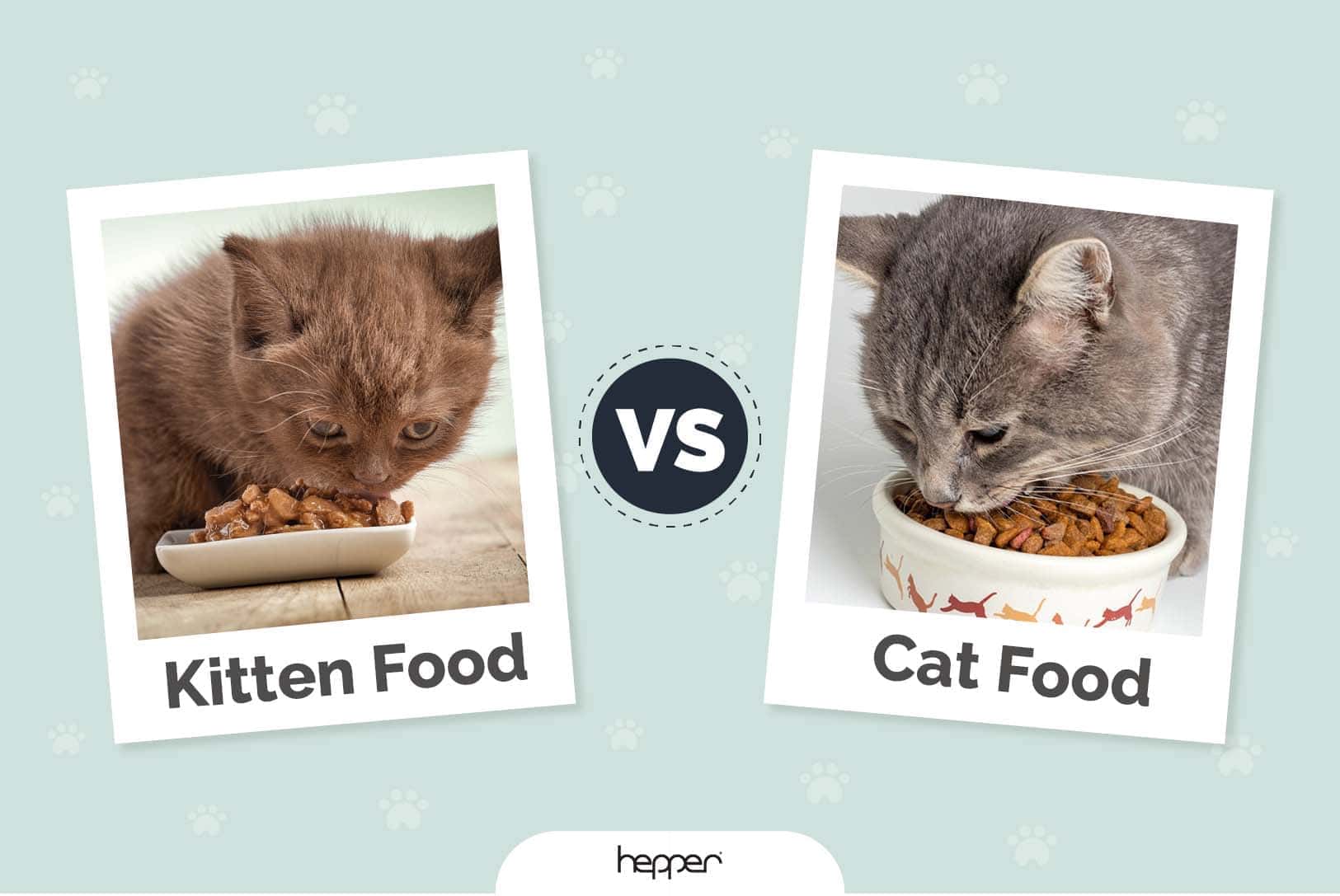
Wet vs dry vs mixed feeding for seniors
Wet food
- Boosts hydration, which helps kidneys and urinary health.
- Softer texture is great for dental pain or missing teeth.
- Often more aromatic, which helps picky seniors eat.
Dry food
- Shelf-stable and budget-friendly. Some cats prefer the crunch.
- Not a cure for dental disease. Still brush or schedule cleanings.
Mixed feeding
- Common for seniors. You get hydration plus convenience.
- Try wet food as the main meal, with a small dry portion for enrichment.
When deciding on Senior cat food vs adult cat food, consider adding wet food even if you stick with your current brand. Moisture is an easy win for older cats.
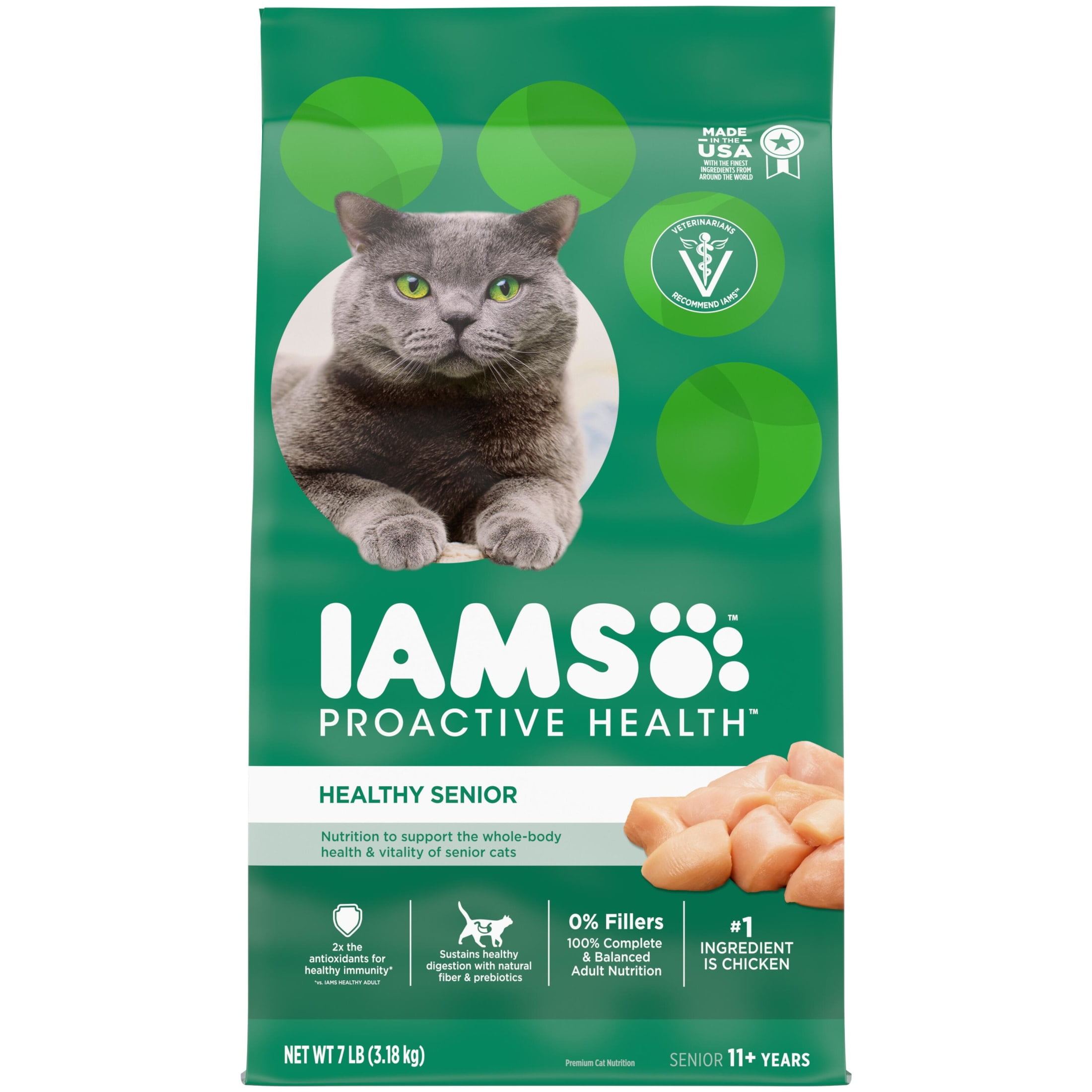
How to switch from adult to senior food safely
- Go slow over 7 to 10 days: 25% new, then 50%, 75%, then 100%.
- Warm wet food slightly to boost aroma. Add a little water or broth without onions or garlic.
- Track stools, appetite, and energy. If diarrhea or vomiting appears, pause and step back a day.
- Keep one thing constant at a time. Do not change food and litter or routine on the same week.
A gradual change helps you learn whether Senior cat food vs adult cat food is truly better for your cat, not just different.
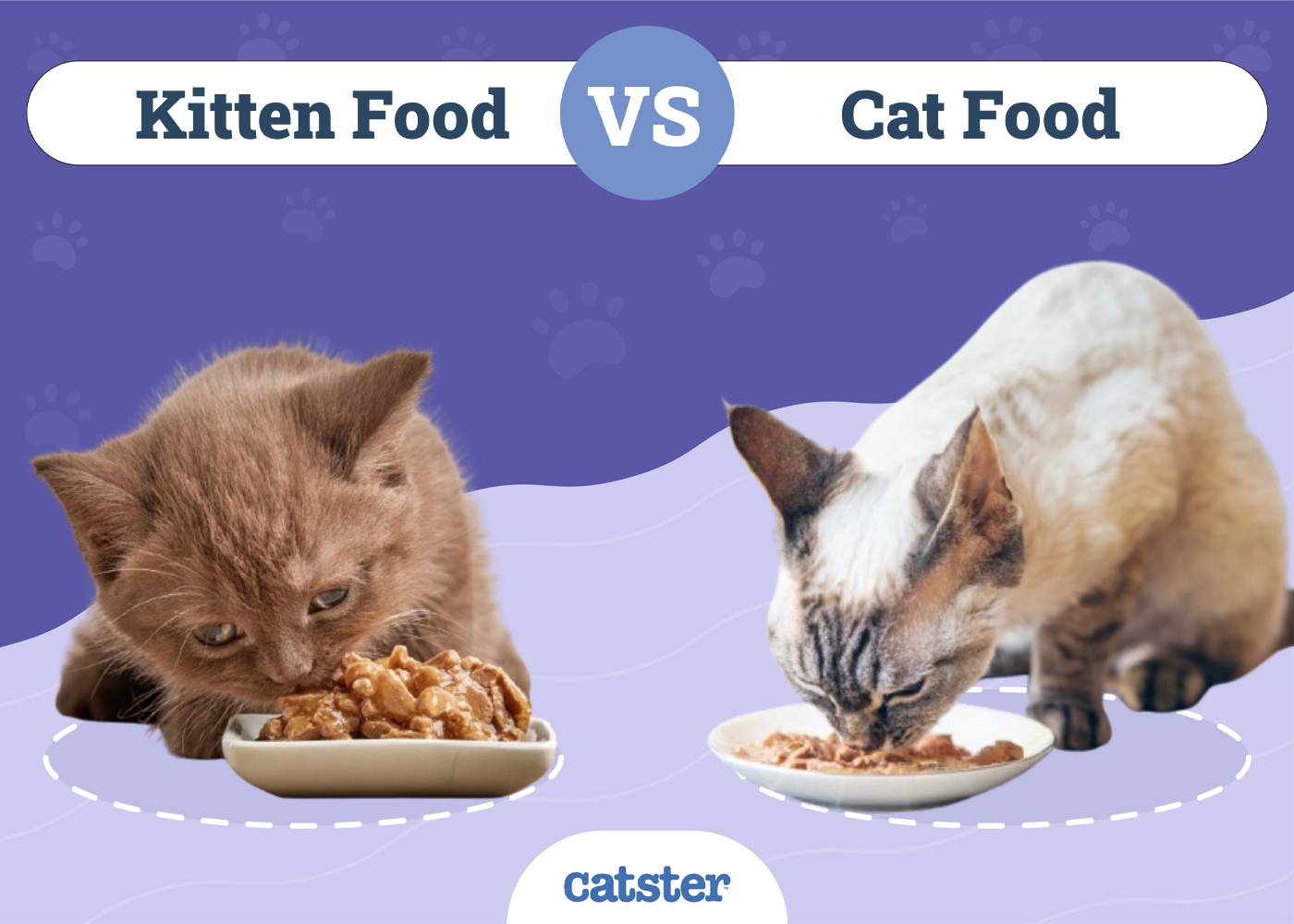
Reading cat food labels like a pro
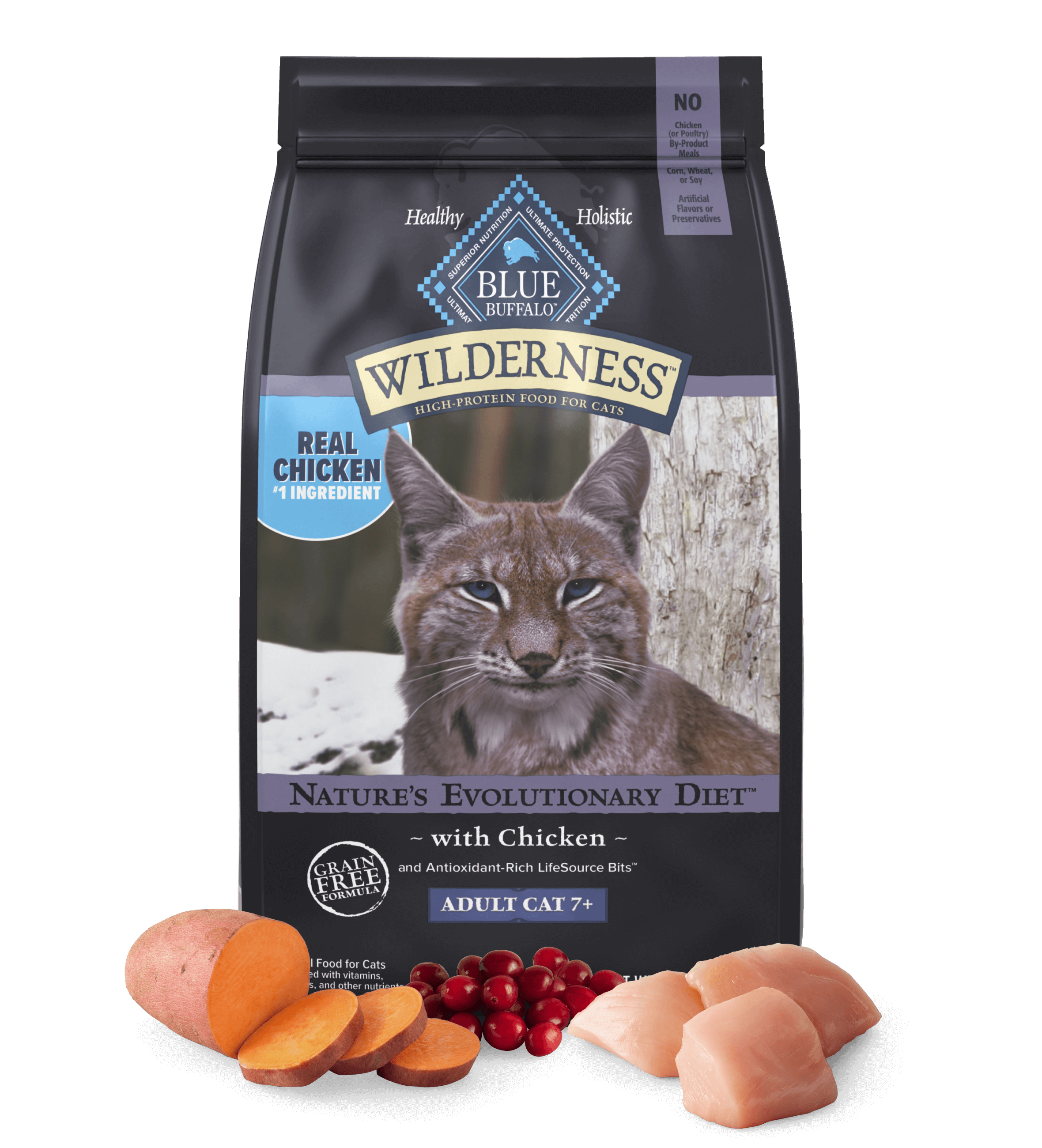
- AAFCO statement: Look for adult maintenance or all life stages.
- Ingredient list: Named meats first. Poultry by-products can be nutritious. Focus on quality, not buzzwords.
- Guaranteed analysis: Compare protein, fat, fiber, and moisture. Convert to dry matter for apples-to-apples.
- Calorie content: Essential for weight management.
- Extras: Omega-3s, prebiotics, and antioxidants can help seniors.
I take photos of labels and compare at home. It makes the Senior cat food vs adult cat food decision clear when you can see numbers side by side.
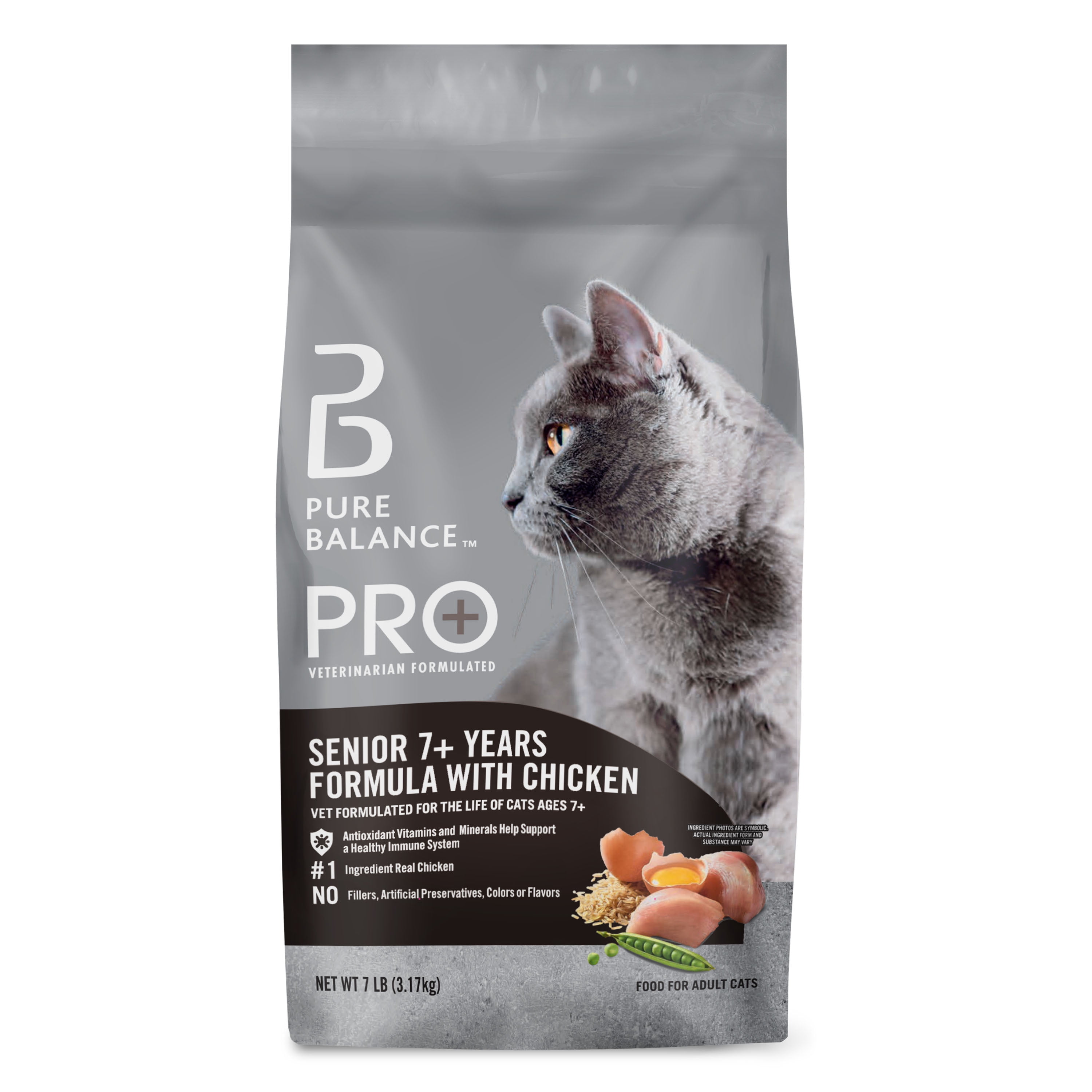
Budget and smart shopping tips
- Buy the best you can afford. Consistency and portion control matter more than hype.
- Use mixed feeding to stretch budget. One wet meal a day still improves hydration.
- Choose larger cans if your cat will eat them within two days in the fridge.
- Watch for subscription discounts and loyalty programs.
Value is about fit, not price alone. With Senior cat food vs adult cat food, the right formula saves on vet bills later.
Common mistakes to avoid
- Cutting protein too low in seniors without a medical reason.
- Ignoring body and muscle condition. Feeling ribs under a thin fat layer is normal. Sharp bones are not.
- Switching too fast and blaming the new food for tummy upset.
- Assuming grain-free is always better. Many cats do fine with grains.
- Skipping vet checkups. Seniors need labs to guide diet choices.
These simple checks make Senior cat food vs adult cat food a smooth, safe change that supports long life.
A real-life example from my kitchen
My 14-year-old tabby, Miso, went from a round couch potato to a picky eater. He lost muscle over one summer. We tried three adult foods with no luck. Then we moved to a senior wet formula with higher protein, added warm water, and fed smaller, more frequent meals. His appetite returned. His coat improved, and his weight stabilized.
That experience taught me this: Senior cat food vs adult cat food is about the cat in front of you. Watch, adjust, and be patient.
Senior cat food vs adult cat food: a quick comparison checklist
Use this checklist when you shop:
- Protein: Is it strong and from named animal sources?
- Phosphorus: Lower is helpful for older kidneys, unless your vet advises otherwise.
- Moisture: Wet or mix feeding for better hydration.
- Calories: Match to body and muscle condition, not age alone.
- Add-ons: Omega-3s, prebiotics, antioxidants can support seniors.
- Texture and aroma: Will your cat eat it today and next month?
- Vet fit: Does it align with labs and any diagnoses?
This takes the guesswork out of Senior cat food vs adult cat food and puts you in control.
Frequently Asked Questions of Senior cat food vs adult cat food
When should I switch my cat to senior food?
Most cats benefit from a senior review around age 10 to 12. Switch only if your cat’s weight, labs, or appetite suggest they need different nutrition.
Is senior cat food always better than adult food?
Not always. Many healthy seniors do great on adult food, especially if it is high in protein and moisture.
What if my senior cat is losing weight on adult food?
Talk to your vet and check labs. Try a higher protein, higher moisture diet and offer small, frequent meals.
Does wet food help senior cats?
Yes, the extra moisture supports hydration and kidneys. It is also easier to chew and often more appealing to picky eaters.
How long should I take to transition foods?
Aim for 7 to 10 days. Go slower if your cat has a sensitive stomach or if you notice loose stools.
Are supplements needed with senior cat food?
Often not if you pick a complete diet. Omega-3s can help some cats, but ask your vet before adding anything new.
Conclusion
Senior cats thrive when food meets their changing needs. Focus on protein quality, moisture, and controlled minerals, then match calories to body and muscle condition. Senior cat food vs adult cat food is not about the label age; it is about the right fit for your cat.
Take a moment today to check your cat’s body condition, read your current label, and plan a slow test of a better-fit diet if needed. Want more guidance like this? Subscribe for updates, ask a question, or share your cat’s story in the comments.

Leave a Reply