Natural means minimally processed ingredients; organic means certified farming and processing across the supply chain.
Choosing between Natural cat food vs organic cat food can feel confusing. I work with pet parents every week on label claims and nutrient needs, and I’ve tested both options across age groups and sensitive stomachs. This clear guide breaks down Natural cat food vs organic cat food so you can shop with confidence and feed with peace of mind.
What “natural” means in cat food
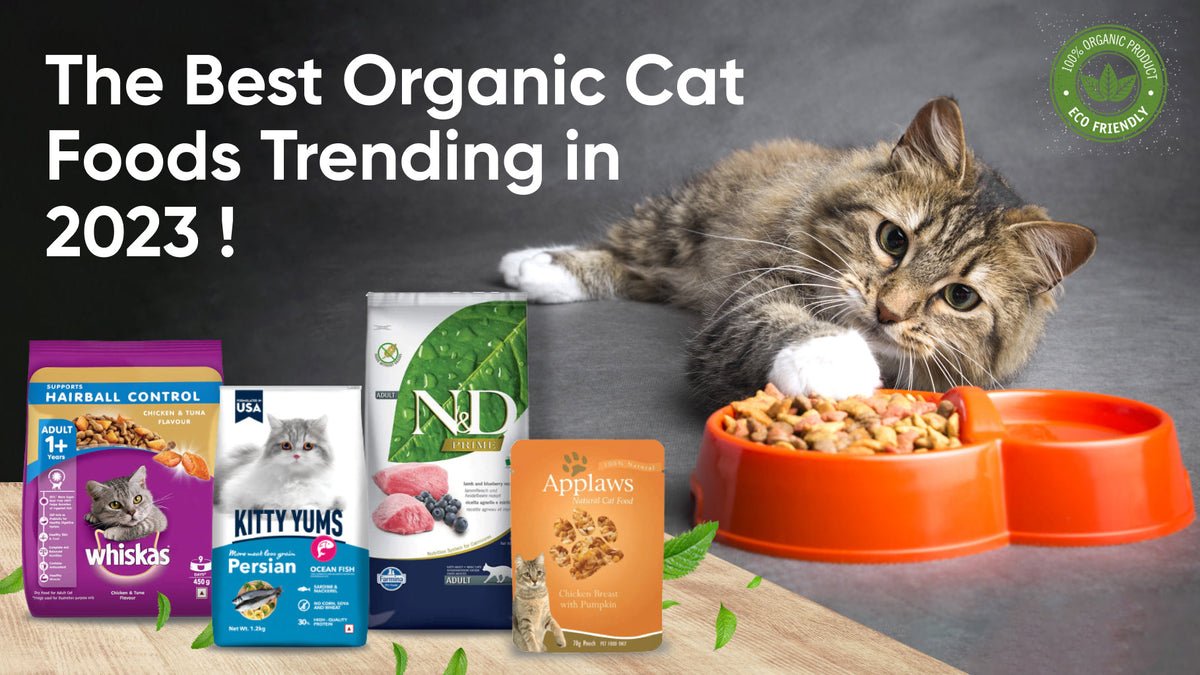
Natural in pet food follows the AAFCO definition. It means ingredients come from plant, animal, or mined sources and are only minimally processed. It allows synthetic vitamins, minerals, and amino acids, since cats need precise nutrients like taurine. Natural is a broad claim and is not the same as certified organic.
What “organic” means in cat food
Organic follows USDA National Organic Program rules, even for pet food. At least 95% of ingredients (by weight, minus water and salt) must be organic to carry the USDA Organic seal. Organic farms avoid most synthetic pesticides, GMOs, and routine antibiotics and hormones. Processing plants and each ingredient need certification from a recognized organic certifier.

Natural cat food vs organic cat food: key differences at a glance
- Definition: Natural is about ingredient origin and minimal processing. Organic is a full certification system from farm to bag.
- Verification: Natural is a claim checked by regulators if challenged. Organic is audited by third-party certifiers with annual inspections.
- GMOs and pesticides: Natural can include GMO crops and conventionally grown plants. Organic excludes GMOs and limits synthetic pesticides.
- Animal welfare: Natural has no built-in welfare rule. Organic includes rules on animal care and access to the outdoors for livestock.
- Processing: Natural limits harsh chemical steps. Organic controls both farming and processing inputs.
- Label signal: Natural reads as a quality cue. Organic is a legal standard with a seal and certifier code.

Nutrition comparison: which supports feline health better?
Here is the truth on Natural cat food vs organic cat food. A cat’s health depends more on complete and balanced nutrition than on the claim on the front. Look for diets that meet AAFCO standards for your cat’s life stage, with high animal protein, the right taurine, and the right moisture. Organic does not mean more protein or better amino acids by default, and natural does not guarantee balance.
From my work with picky eaters and sensitive tummies, protein source and moisture matter most. Many cats do best on wet or fresh foods with 70% or more moisture. If you choose dry, pick formulas with named meat meals and low fillers. Test small sizes and watch stools, energy, coat, and weight over two weeks.
Ingredient quality, sourcing, and transparency
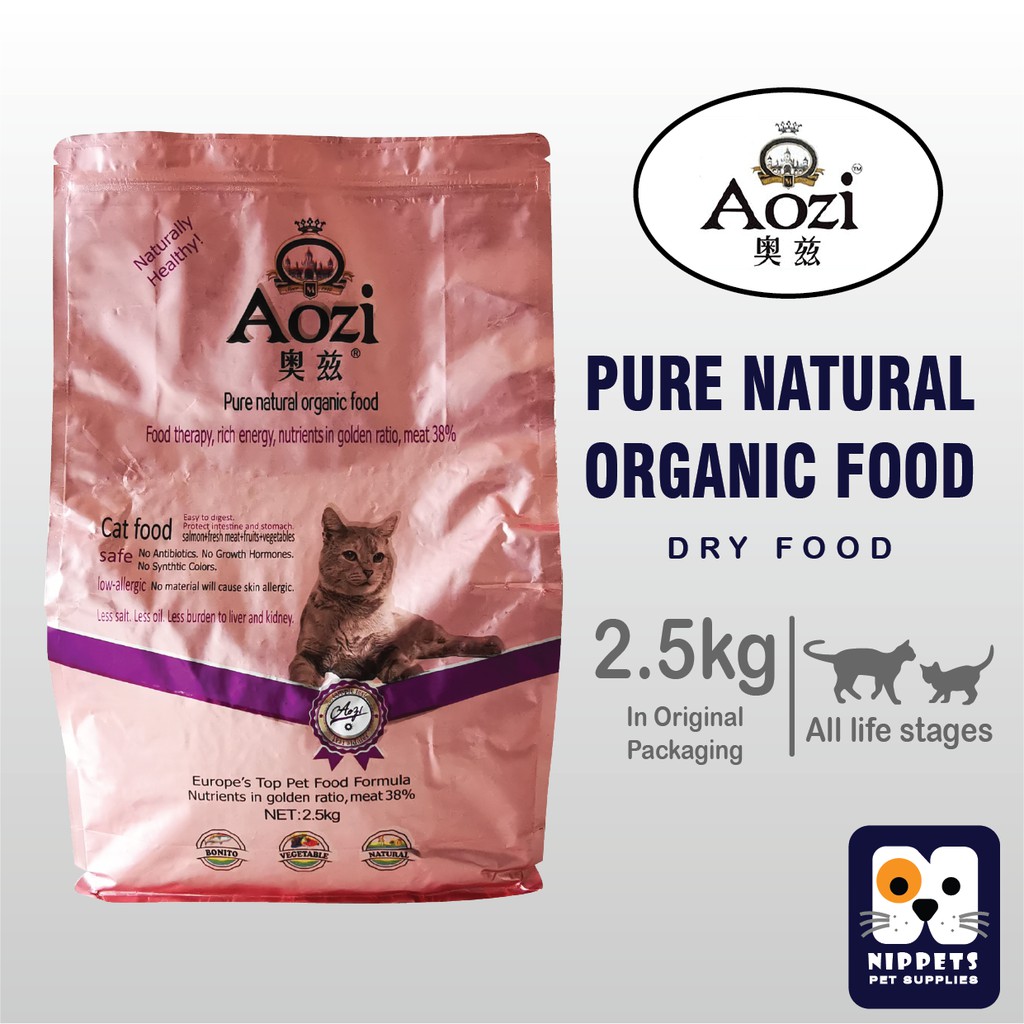
Natural cat food vs organic cat food both live or die by sourcing. Ask brands about traceability, supplier audits, and contaminant testing. Organic brands can share the certifier name and facility ID on request, and many print it on the bag. Natural brands should explain why they chose each ingredient and how they test for safety.
On labels, you may see “natural with added vitamins, minerals, and trace nutrients.” That is normal. For organic, look for “100% organic,” “organic,” or “made with organic” and scan the ingredient list for the organic marker next to each item. If a company is vague, email them. The best teams answer fast and clear.
Safety, contaminants, and recalls
Natural cat food vs organic cat food both face safety risks if quality control is weak. Organic may lower exposure to synthetic pesticides, but it does not remove natural toxins, heavy metals, or pathogens. Safety comes from good manufacturing practices, supplier checks, and batch testing. Review a brand’s recall history and how they communicate during issues.
Store food well to reduce mold and nutrient loss. Keep kibble sealed and dry, toss it 4 to 6 weeks after opening, and wash scoops. For wet food, use clean bowls, refrigerate leftovers, and discard after 24 hours in the fridge. Watch for sudden vomiting, diarrhea, or refusal to eat and call your vet if it lasts.
Price and value: is it worth it?
Organic often costs more due to certified farming and audits. The value can make sense if you want fewer synthetic farm inputs and supply chain checks. Natural can be a smart buy when the brand proves strong testing and uses named animal proteins. Let the budget serve the big rocks: complete and balanced formulas, quality protein, and moisture.
A simple tip I use with clients is to shift part of the budget to wet food. Even two wet meals a day boosts hydration and satiety. If you want organic but funds are tight, try “made with organic” options or add an organic topper to a solid natural base.
How to read a cat food label like a pro
- AAFCO statement: Confirm it says complete and balanced for your cat’s life stage.
- Protein sources: Prefer named meats like chicken, turkey, salmon; avoid vague words like “meat.”
- Guaranteed analysis: Compare protein and fat on a dry-matter basis to judge true density.
- Ingredient list: Shorter can be better, but context matters; look for animal protein first.
- Calories: Check kcal per cup or can to set portions and avoid weight gain.
- Organic signals: USDA Organic seal and a certifier ID when applicable.
- Tracking: Lot code and best-by date help trace any future recall or quality issue.

Which should you choose? A simple decision guide
Natural cat food vs organic cat food choices should fit your cat, values, and budget. Use this quick path.
- Your top priority is fewer synthetic farm inputs and audited sourcing: Pick certified organic that meets AAFCO and suits your cat’s life stage.
- Your cat needs a high-protein, low-carb plan on a budget: Choose a natural formula with named meats, and add wet food for moisture.
- Your cat has food sensitivities: Try a limited-ingredient natural or organic option with one animal protein and one carb.
- You want sustainability and welfare signals: Organic often bundles both through standards for livestock and land.
- You are unsure: Test one natural and one organic option for two weeks each and track stool, coat, energy, and appetite.
Transitioning your cat safely
Natural cat food vs organic cat food switches should be slow. Go 10 days if your cat is sensitive. Start with 75% old and 25% new for days 1 to 3, 50/50 for days 4 to 6, 25/75 for days 7 to 9, then 100% new. Watch stools, gas, and appetite.
Add water to meals or use a wet topper to boost moisture. A vet-approved probiotic can smooth the change. For picky eaters, warm wet food, crumble a freeze-dried meat topper, or hand-feed small bites to build trust.
Common myths about Natural cat food vs organic cat food
- Natural equals organic: False. Natural is about ingredient origin, while organic is a full certification.
- Organic is always grain-free: False. Organic can include organic grains; grain-free is a separate choice.
- Organic is pesticide-free: Not always. Organic restricts many synthetic pesticides but allows certain approved inputs.
- Natural means no synthetics at all: Not true. Synthetic vitamins and minerals are allowed to meet nutrient needs.
- Organic is always more nutritious: Not guaranteed. The recipe and balance drive nutrition, not the claim alone.
Frequently Asked Questions of Natural cat food vs organic cat food
Is organic cat food safer than natural?
Organic can reduce exposure to synthetic pesticides and GMOs. Safety still depends on manufacturing standards, testing, and storage.
Does organic cat food have more protein?
Not by default. Protein level and quality depend on the recipe, not the organic status.
How do I verify an organic claim on pet food?
Look for the USDA Organic seal and a certifier listed on the package. You can email the brand for the certificate and facility details.
Will switching from natural to organic fix allergies?
It might help if the trigger was a conventional crop or residue. Most food reactions come from proteins, so choose a limited-ingredient formula.
Is “natural” just marketing?
Natural has a definition and limits harsh processing. Still, it is broad, so check the AAFCO statement, protein sources, and company testing.
Conclusion
Natural cat food vs organic cat food is not a battle. It is a set of trade-offs between farming standards, price, and how a brand builds a complete and balanced diet. Put your cat’s needs first: high animal protein, the right nutrients, and plenty of moisture.
If organic aligns with your values and budget, great. If a well-made natural diet fits better, that is also a win. Choose one, transition slowly, and watch your cat’s energy, stool, and coat. Ready to go deeper? Explore more guides, ask a question, or share your cat’s story in the comments.

Leave a Reply