
High-protein cat food helps preserve lean muscle and satiety; low-calorie reduces energy for weight loss.
If you’re weighing high-protein cat food vs low-calorie, you’re already a step ahead. I’ve helped many cat parents navigate this exact choice, and the right answer depends on your cat’s age, weight, health, and habits. This guide breaks down the science, clears up myths, and gives you simple steps to choose wisely for your cat’s long-term health.
:strip_icc()/idealweightone-6a0b23d2d5eb4e06ab2ad7a1e7f7df3b.jpeg)
Why cats thrive on protein
Cats are obligate carnivores. Their bodies run on amino acids from meat. They use protein for energy and to maintain lean muscle, even at rest. This is why protein quality and quantity matter so much.
A higher-protein diet can curb hunger and help cats hold onto muscle during weight loss. Studies in adult cats show that more protein supports lean mass and stable blood sugar. It also tends to reduce begging, which is a big win for both of you.
Cats need key amino acids like taurine and arginine every day. These come from animal protein. Plant-based protein can help, but it should not be the main source for most cats. When in doubt, aim for animal-first protein and fewer fillers. In the high-protein cat food vs low-calorie debate, this is the core reason high-protein often comes out ahead for health and comfort.

What low-calorie cat food really means
Low-calorie cat food lowers the energy per cup or can. Brands do this by reducing fat, adding fiber, and sometimes increasing water content. That can help if your cat needs fewer calories.
But calories are not the whole story. If protein drops too low, your cat may lose muscle along with fat. That can slow metabolism and make weight regain more likely. Too much fiber can also lower the digestibility of protein and make some cats gassy or uncomfortable.
If you choose a low-calorie food, check that it still delivers solid protein and balanced nutrients. Low-calorie without adequate protein is like a diet salad that leaves you hungry an hour later. In the high-protein cat food vs low-calorie choice, balance is key.
High-protein cat food vs low-calorie: which is better for weight loss?
Both can work. The best plan often blends the two: lower calories, but not low protein.
Here is what I see work most often in clinic and at home:
- Aim for higher protein to protect muscle. Muscle keeps metabolism steady.
- Reduce calories by 10 to 25 percent from maintenance to start. Adjust every 2 to 4 weeks.
- Use wet food to increase water and satiety. Many cats feel fuller on wet food.
- Choose foods with more of the calories from protein and moderate fat. Keep carbs low.
Why this strategy beats “low-calorie only”:
- Cats on higher-protein diets tend to lose fat, not muscle.
- Satiety improves, so less begging at 2 a.m.
- Blood sugar swings are less likely, which helps overweight and diabetic cats.
Bottom line for high-protein cat food vs low-calorie: if you have to pick one, prioritize protein. Then trim calories thoughtfully.

Match the diet to your cat’s life stage and health
No one diet fits every cat. Tie your pick to your cat’s needs.
- Kittens and teens need high protein and enough calories. Low-calorie diets are not for growing cats.
- Healthy adults benefit from higher protein with controlled calories if weight is creeping up.
- Seniors still need quality protein to protect muscle. Watch kidney health and hydration.
- Overweight cats do well on higher-protein, controlled-calorie foods. Expect slow, steady losses.
- Diabetic cats often respond best to higher protein and lower carbs. Many stabilize better this way.
- Cats with chronic kidney disease need veterinary guidance. Protein amount and phosphorus control matter. Most do not need extreme protein unless advised by a vet. Focus on high-quality protein and low phosphorus.
- Cats with pancreatitis may need lower fat at times. Work with your vet to find a gentle, higher-protein option.
In the high-protein cat food vs low-calorie decision, your cat’s medical chart sets the rules. When in doubt, ask your vet to help tailor the plan.
How to read labels: a simple system that works
Most labels list protein as a percent “as-fed.” That number is not the whole story. You need to know how much protein your cat gets per calorie.
Use this simple approach:
- Convert to dry matter. Dry Matter Protein = Protein% ÷ (100 − Moisture%) × 100.
- Estimate calories from each macro. Pet foods use average factors: protein 3.5 kcal/g, fat 8.5 kcal/g, carbs 3.5 kcal/g.
- Aim for a higher share of calories from protein. As a rule of thumb, look for:
- At least 35 to 45 percent protein on a dry matter basis for adult cats.
- Higher for weight loss goals, when safe for your cat’s health.
- Moderate fat, not ultra-low, to support taste and nutrient absorption.
- Lower digestible carbs.
Quick example:
- A wet food lists 12% protein and 78% moisture.
- Dry matter protein = 12 ÷ (100 − 78) × 100 = 54.5% DM.
- That is a strong protein level for many cats.
When you compare high-protein cat food vs low-calorie, this method helps you spot foods that cut calories without starving protein.

A step-by-step feeding plan you can follow
You can support your cat’s goals with a simple plan.
- Set a starting calorie target. Many indoor adult cats need 180 to 220 kcal per day to maintain. For weight loss, start 10 to 25 percent below that and track weekly.
- Split meals into 2 to 4 feedings. Timed meals beat free-feeding for most cats.
- Use wet food for volume. More water equals more fullness for the same calories.
- Add puzzle feeders. They slow eating and add fun.
- Transition foods over 7 to 10 days. Mix 25% new, then 50%, 75%, and 100%, watching stool and appetite.
- Weigh weekly. Aim to lose 0.5 to 2 percent of body weight per week.
In high-protein cat food vs low-calorie, the process matters as much as the product. Routine, enrichment, and slow changes prevent setbacks.
Real-world lessons: what actually works
I once coached a family with a 16-pound tabby who begged nonstop. They had tried a popular low-calorie dry food. He lost a little at first, then stalled and got cranky. We switched to a high-protein wet food with moderate calories, set meal times, and added a puzzle feeder. He lost a steady 0.8 percent per week and stopped howling at 4 a.m.
Big mistakes I see often:
- Choosing low-calorie but low-protein food. This risks muscle loss and rebound weight gain.
- Free-feeding. Many cats overeat when food is always available.
- Using too much fiber. It can reduce protein use and cause tummy troubles.
- Ignoring hydration. Wet food or a fountain can help a lot.
- Cutting calories too fast. That risks fatty liver disease in cats.
These lived lessons shape how I weigh high-protein cat food vs low-calorie with clients.

Budget-smart ways to choose better food
You can feed better without breaking the bank.
- Seek value brands with animal-first protein. The first ingredients should be named meats.
- Use more wet food for satiety, and fill in with a compatible high-protein dry if needed.
- Buy by the case for discounts. Check per-calorie cost, not just per can.
- Rotate proteins if your cat tolerates them. Variety helps picky eaters and can reduce boredom.
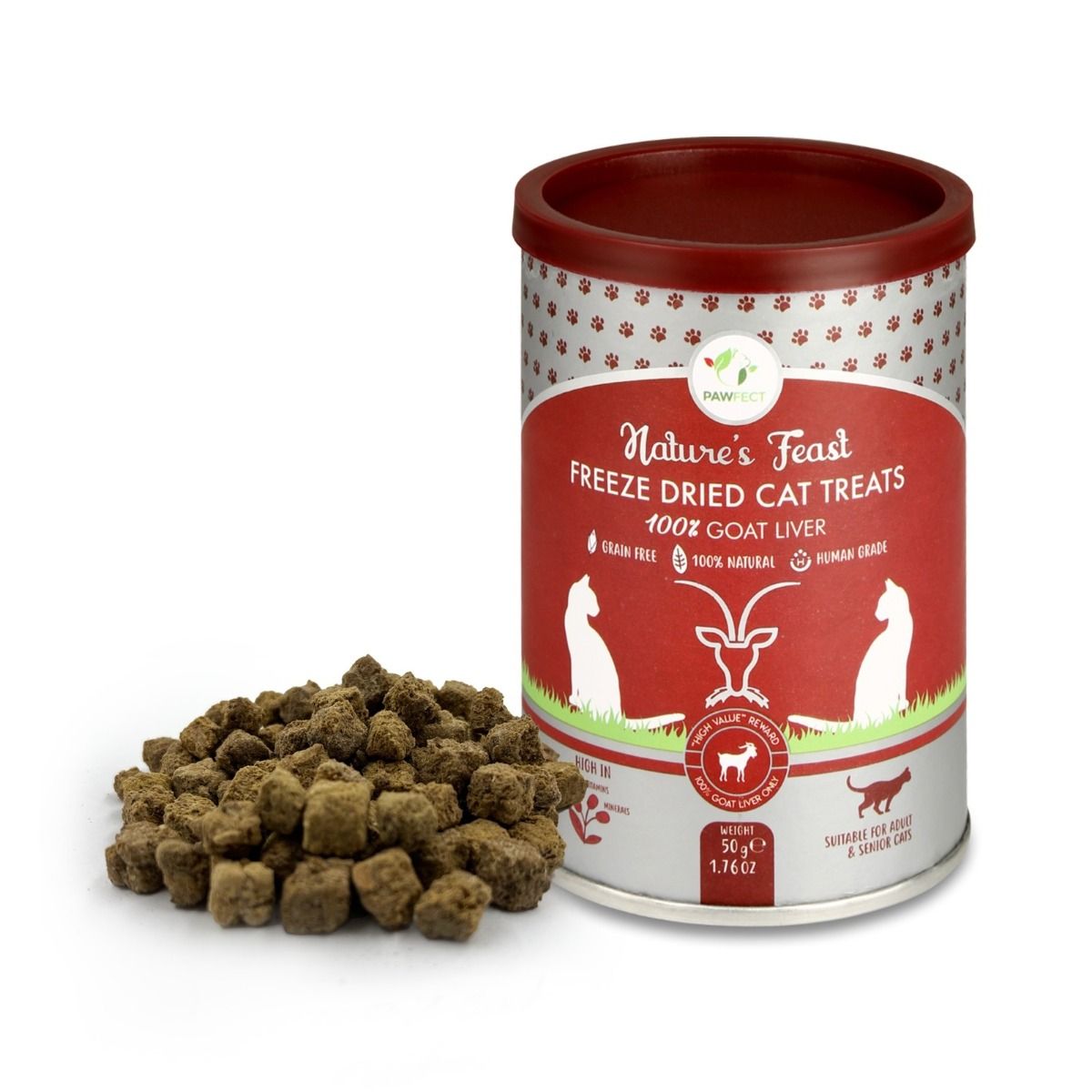
- Keep treats to under 10 percent of daily calories. Choose high-protein treats or use a bit of the main food.
These tips help you win the high-protein cat food vs low-calorie battle even on a budget.
When to talk to your vet
Call your vet before big diet changes if your cat is senior, diabetic, underweight, or has kidney, liver, or GI disease. If your cat stops eating for 24 hours, call right away. Cats can develop fatty liver fast, especially if overweight.
Ask your vet to:
- Set a safe calorie target.
- Suggest protein and phosphorus ranges if kidney disease is a concern.
- Review label choices and help compare protein on a calorie basis.
Your vet’s guidance adds safety and confidence to any high-protein cat food vs low-calorie plan.
Frequently Asked Questions of High-protein cat food vs low-calorie
Is high-protein safe for senior cats?
Often yes, if kidneys are stable. Seniors need quality protein to protect muscle, but your vet should confirm targets and check phosphorus.
Is low-calorie food good for kittens?
No. Kittens need energy and protein to grow. Choose energy-dense, high-protein foods made for growth.
Is high-protein better than low-calorie for diabetic cats?
Many diabetic cats do well on higher-protein, lower-carb diets. Calories still matter, but protein helps stabilize blood sugar and reduce hunger.
How fast should my cat lose weight?
Aim for 0.5 to 2 percent of body weight per week. Faster loss can be risky, so adjust calories and check in with your vet.
Wet or dry for high-protein cat food vs low-calorie goals?
Wet food helps with satiety and hydration, and many wet foods are higher in protein per calorie. Some dry foods can work too; compare protein on a calorie basis.
Why is my cat not eating the new diet?
Sudden changes can cause refusal. Transition slowly over 7 to 10 days and warm wet food slightly to boost aroma.
Conclusion
Choosing between high-protein cat food vs low-calorie is not either-or. Most cats do best with a higher-protein diet and a smart, gentle calorie cut, plus structure and enrichment. Protect muscle, keep your cat full, and let the scale move at a safe pace.
Start today: compare your current food’s protein on a calorie basis, set a simple meal plan, and track weekly. If you need help, ask your vet to tailor the numbers. Want more step-by-step guides like this? Subscribe, share your questions, or drop a comment about your cat’s progress.

Leave a Reply