

Hairball foods add fiber; sensitive stomach foods focus on gentle digestion.
I help cat parents choose diets that actually work at home, not just on the label. In this guide, we’ll unpack Hairball control food vs sensitive stomach food with clear steps, simple tips, and real stories from the cats I’ve helped. You’ll learn what each formula does, how to read labels, and how to pick the right plan for your cat’s tummy and coat.
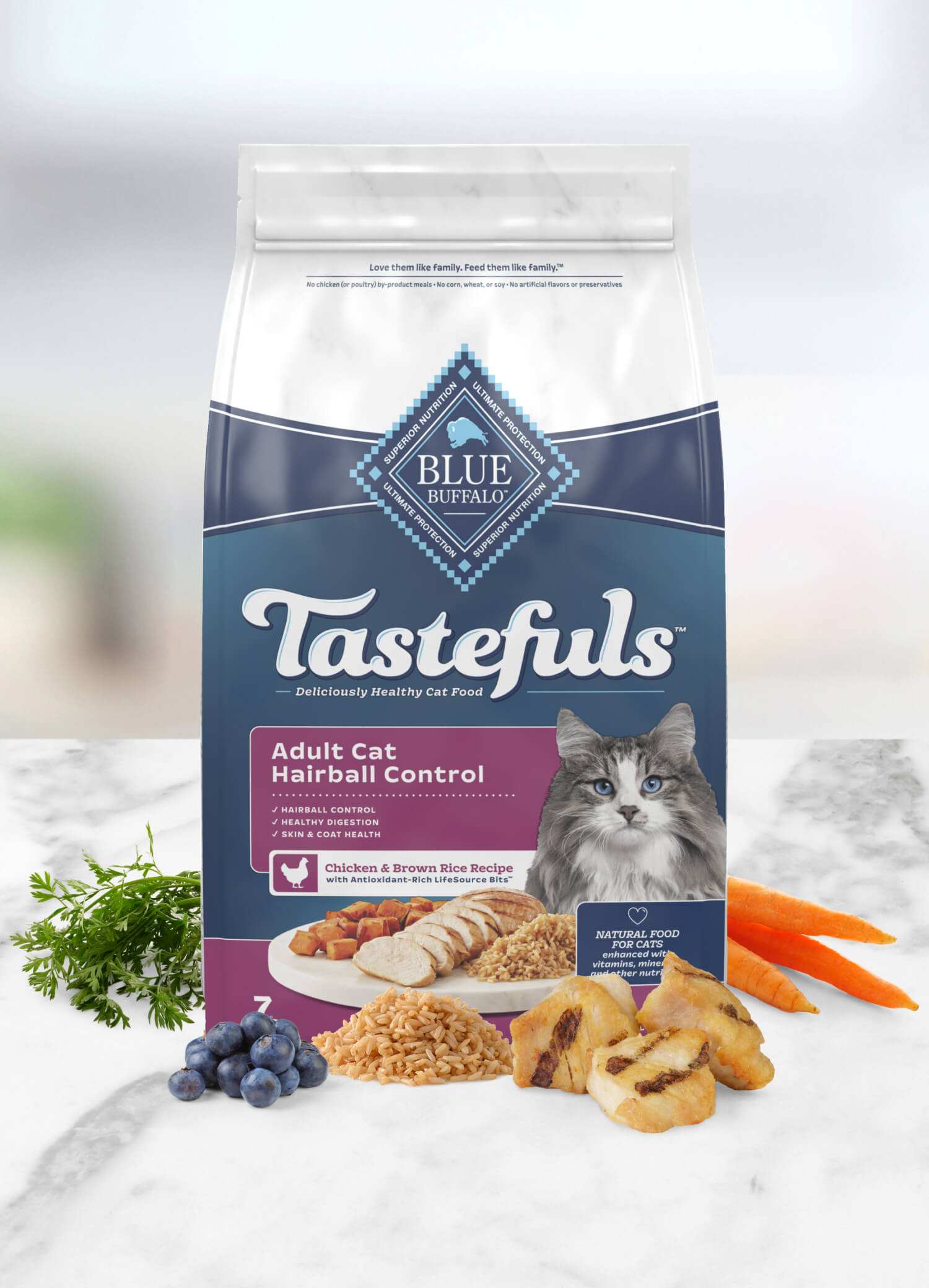
Hairball control food vs sensitive stomach food: what’s the difference?
Both solve tummy troubles, but they target different causes. Hairball control food adds strategic fiber and coat support to move swallowed hair through the gut. Sensitive stomach food focuses on easy-to-digest ingredients to reduce upset, gas, and vomiting.
Think of Hairball control food vs sensitive stomach food like two tools in one toolbox. Hairball diets help prevent clumps of fur from building up. Sensitive stomach diets lower irritation from the food itself. If your cat hacks up tubes of fur, start with hairball control. If your cat vomits clear foam, bile, or half-digested food, a gentle stomach formula is often the better first step.
I’ve seen many cats need a blend of both ideas. That is why comparing Hairball control food vs sensitive stomach food is so useful before you buy.
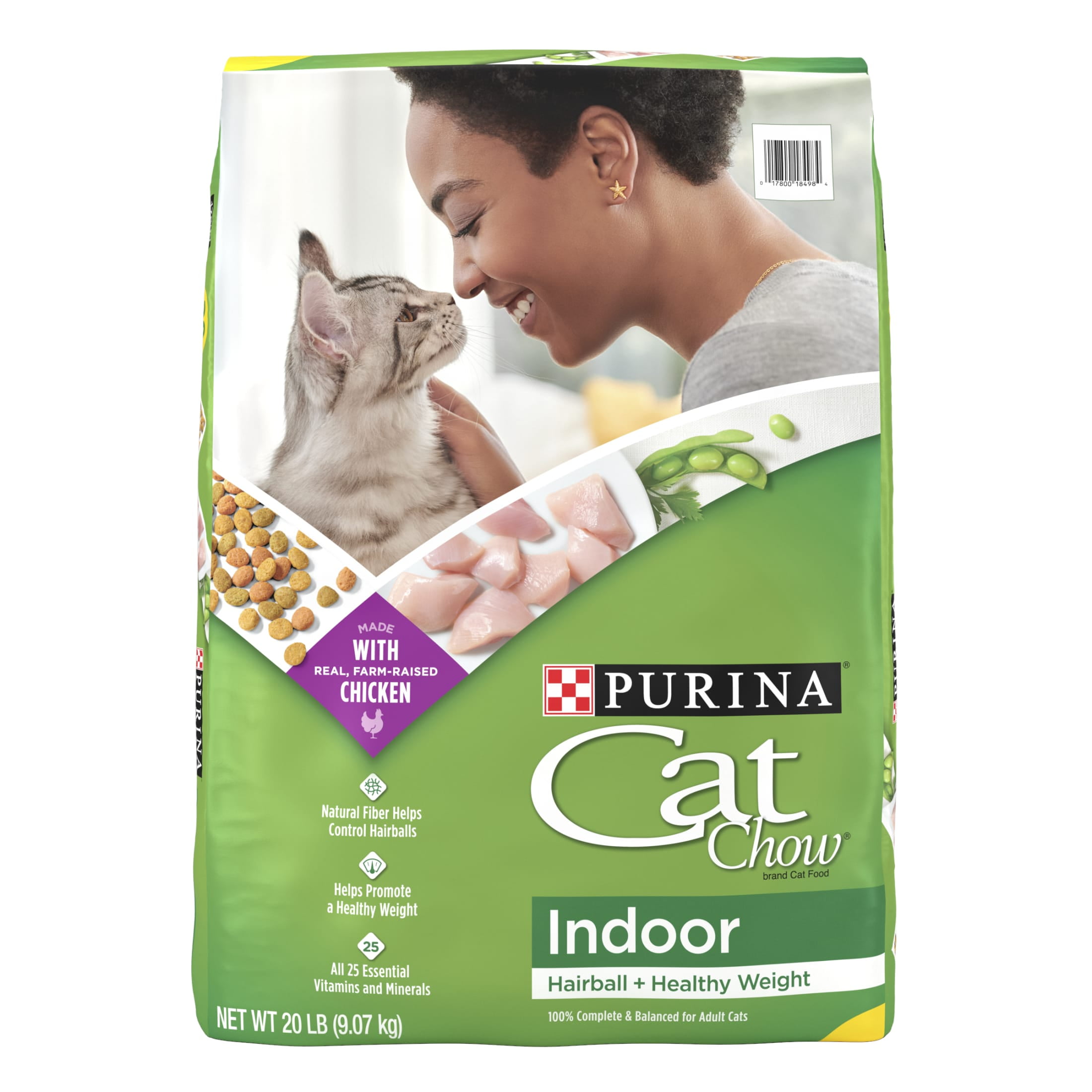
How hairball control formulas work
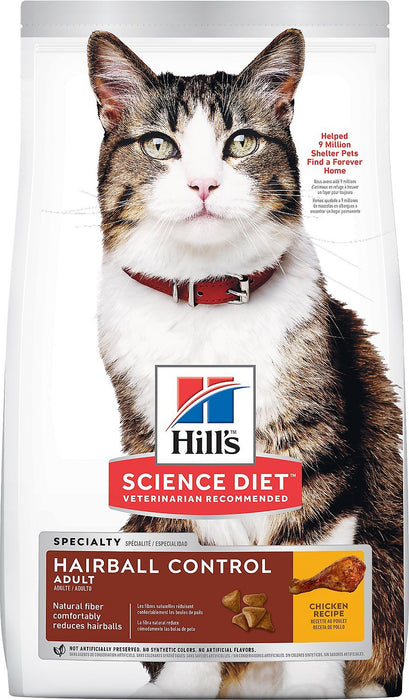
Hairball control diets aim to reduce hair buildup and improve gut movement.
What they usually include:
- Insoluble fiber to push hair along. You’ll see cellulose or powdered cellulose.
- Soluble fiber to gel and carry hair. Common sources are psyllium, beet pulp, or gums.
- Omega-3 and omega-6 fats to support skin and coat, which can lower shedding.
- Sometimes extra hydration support in wet formulas to help motility.
Why it helps:
- Fiber changes the texture of gut contents, so hair moves through instead of clumping.
- Better coat health means less hair swallowed during grooming.
- Studies in feline nutrition show mixed fibers reduce hairball events in many cats.
Watch-outs:
- Too much insoluble fiber can cause hard stools or constipation.
- Excess fiber may lower calorie density and, in rare cases, reduce nutrient absorption.
- Some cats need time to adjust; go slow during the switch.
This is the first half of the Hairball control food vs sensitive stomach food picture. If fur is the trigger, this tool often wins.

How sensitive stomach formulas work
Sensitive stomach diets lower the workload on the gut and help balance the microbiome.
What they usually include:
- Highly digestible proteins, often from chicken, turkey, or fish. Some use hydrolyzed protein.
- Simple recipes with fewer ingredients to reduce triggers.
- Prebiotics and probiotics to support healthy gut bacteria.
- Moderate fat and added electrolytes to support digestion.
Why it helps:
- High digestibility means fewer leftovers to ferment in the colon, so less gas and upset.
- Hydrolyzed or novel proteins can lower immune reactions in sensitive cats.
- Prebiotics like chicory root (inulin) feed good bacteria and support the gut lining.
Watch-outs:
- These diets may be lower in fiber. Hairballs may continue if fur is the real issue.
- A cat with true food allergy may still react unless the protein is hydrolyzed or changed.
This is the second half of Hairball control food vs sensitive stomach food. If food itself causes trouble, this tool is often best.

Ingredient-by-ingredient comparison
Use this quick lens when reading labels for Hairball control food vs sensitive stomach food.
For hairball control:
- Fiber sources: psyllium, cellulose, beet pulp, pea fiber, oat fiber.
- Fat and coat: fish oil, flaxseed, chicken fat with added omega-3s.
- Target fiber level: often higher than standard diets. Dry foods may list crude fiber around 6–10%.
For sensitive stomach:
- Protein: one main animal protein, or hydrolyzed protein for higher tolerance.
- Carbs: simple, easy-to-digest sources like rice or potato in some formulas.
- Gut support: prebiotics, probiotics, and gentle fibers like inulin or FOS.
Overlap you might see:
- Many gentle stomach foods still include a touch of fiber.
- Some hairball diets add probiotics to help stool quality.
When comparing Hairball control food vs sensitive stomach food on the shelf, match the formula to your cat’s main symptom: fur tubes vs frequent vomit or soft stool.
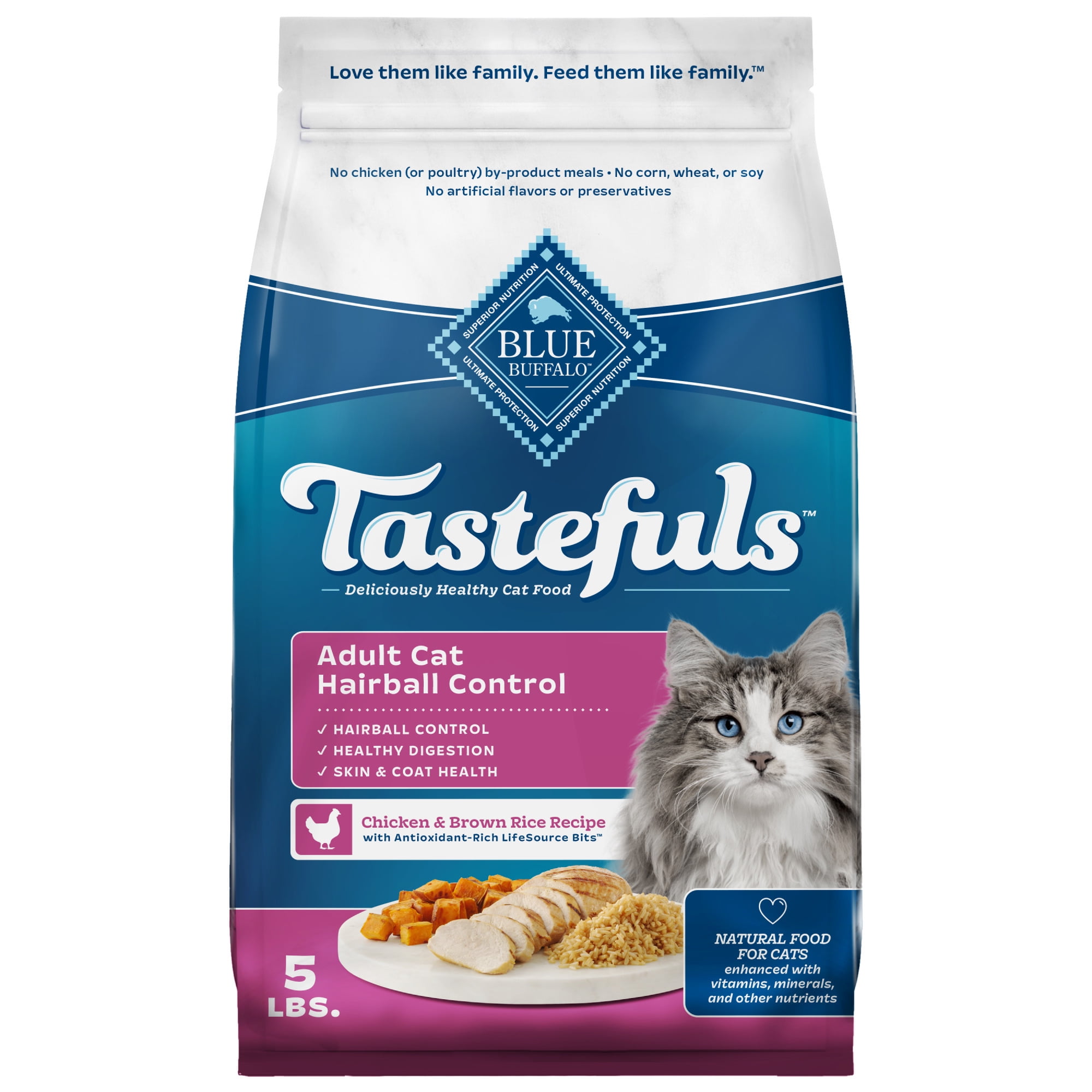
Choosing for your cat: a simple decision flow
Match symptoms to strategy when deciding on Hairball control food vs sensitive stomach food.
Start here:
- You find long, tubular hair in vomit: try hairball control first.
- Vomit has food, bile, or foam with little hair: try sensitive stomach first.
- Constipation with hair in stool: hairball control with added moisture and grooming.
- Loose stool, gas, or frequent regurgitation: sensitive stomach with probiotics.
Next steps:
- If hairball diet helps but vomiting remains, layer in a gentle stomach formula or a probiotic.
- If sensitive stomach diet helps but hairballs remain, add a measured hairball gel or psyllium as advised by your vet.
- If symptoms persist, ask your vet about parasites, IBD, pancreatitis, or dental pain.
In short, Hairball control food vs sensitive stomach food is not either/or for many cats. You can blend ideas to fit your cat’s pattern.
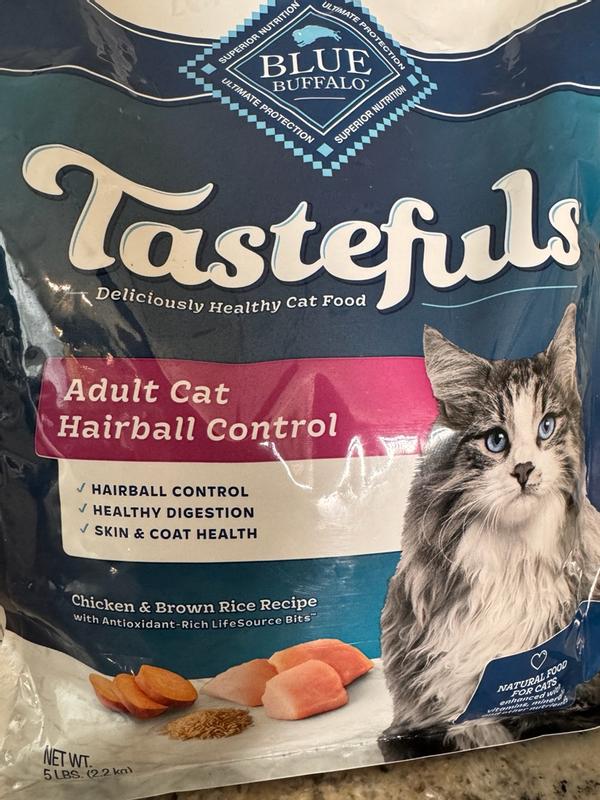
Real-world examples from my practice
Luna, a medium-hair cat, coughed up a hairball every week. We moved her to a hairball control dry with psyllium and added a wet topper. We brushed her every other day. Hairballs dropped to once every two months.
Max, a picky eater with soft stools, did best on a sensitive stomach wet food with one protein and added probiotics. Vomiting stopped within two weeks. When we tried a high-fiber hairball recipe, he got constipated. So we kept his diet gentle and added more brushing to limit hair.
Jasper, a senior, had both issues. We used a sensitive stomach base and added a small daily dose of psyllium mixed with wet food. This hybrid plan solved both problems. That is the power of pairing Hairball control food vs sensitive stomach food with grooming.
Feeding tips and a smooth transition plan
A good plan makes Hairball control food vs sensitive stomach food work better.
Switch slow:
- Mix 25% new food with 75% old for 2–3 days.
- Move to 50/50 for 2–3 days.
- Finish with 75/25, then 100% new.
Boost hydration:
- Add a spoon of water or broth (no onion, no garlic) to meals.
- Offer more wet food, which helps both hairball movement and digestion.
Groom often:
- Brush daily for long-hair cats and 3–4 times a week for short-hair cats.
- Wipe with a damp cloth to catch loose hairs after brushing.
Feed smart:
- Set two to four small meals to ease the gut.
- Keep treats under 10% of daily calories. Avoid rich, fatty snacks.
If you wonder why your cat don't eat dry food, try warming wet food, small meals, or a different texture. Mouth pain or nausea may also be the cause, so check with your vet.

Reading labels and marketing claims
Marketing can be loud. Labels tell the truth. Here is how to read Hairball control food vs sensitive stomach food.
Focus on:
- AAFCO statement saying the food is complete and balanced for your cat’s life stage.
- Ingredient order. The first items should match the formula’s promise.
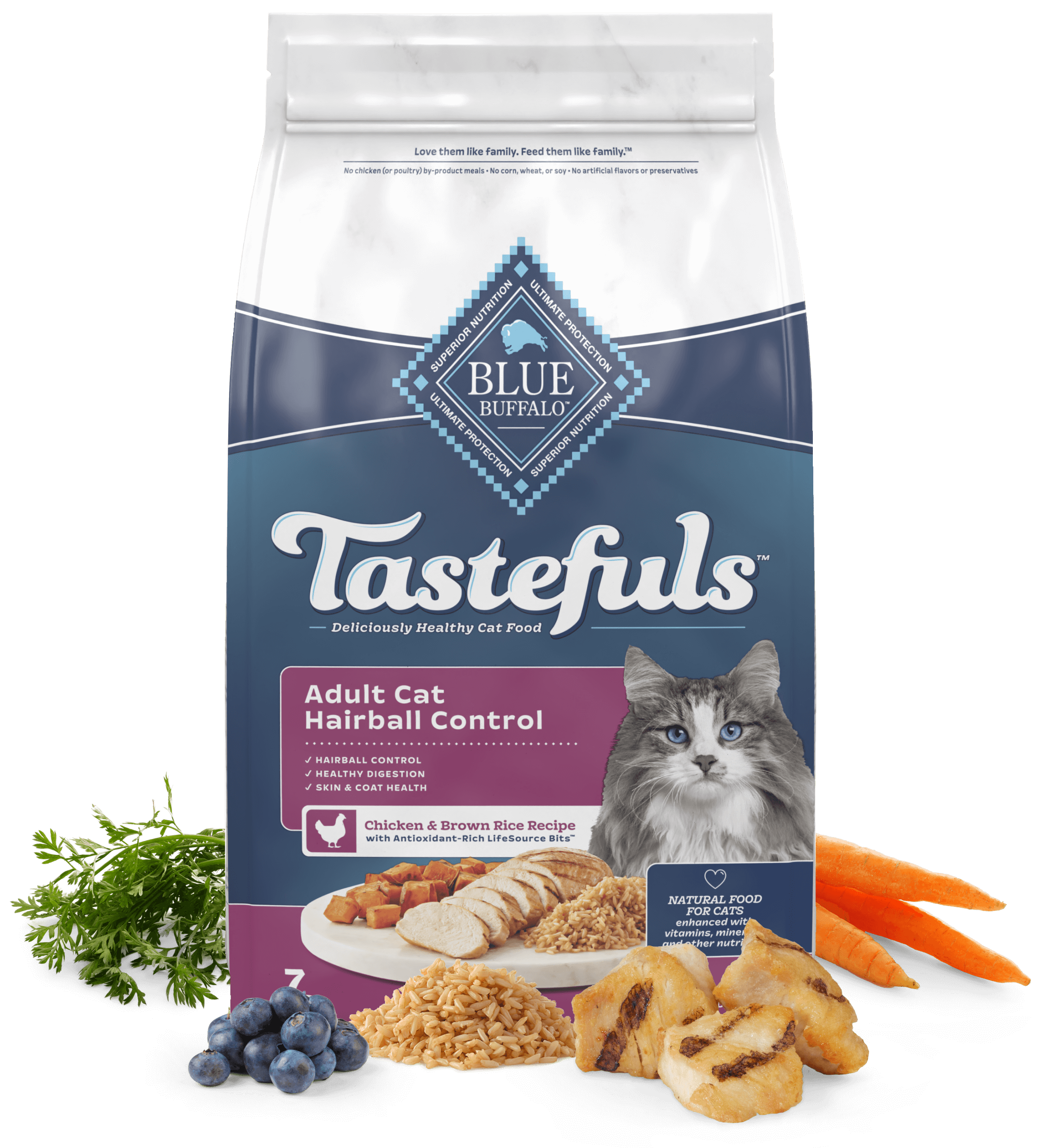
- Fiber level. Hairball diets often list more fiber than regular food.
- Digestibility cues. Words like hydrolyzed protein, single protein, and prebiotics.
- Add-ons that help. Psyllium, beet pulp, inulin, fish oil, and live probiotics.
Be cautious of:
- Vague claims without matching ingredients.
- Lots of colors or flavors that add no value.
- Sudden changes in stool when fiber is very high.
When you weigh Hairball control food vs sensitive stomach food, let the ingredient panel and your cat’s symptoms drive the choice, not the front of the bag.
When to call the vet
Food can help a lot, but some signs need medical care.
Call your vet if you see:
- Weight loss, low energy, or repeated vomiting.
- Straining in the litter box or painful belly.
- Blood in stool or vomit.
- No stool for more than two days in a hairball-prone cat.
- Retching with no hairball produced, drooling, or gagging.
Your vet can check for parasites, dental pain, foreign bodies, IBD, or pancreatitis. Share what you have tried. Bring photos of stools or vomit. This helps your vet guide you on Hairball control food vs sensitive stomach food or special therapeutic diets.
Frequently Asked Questions of Hairball control food vs sensitive stomach food
Can I mix hairball control and sensitive stomach foods?
Yes, many cats do well on a blend. Start with a 50/50 mix and watch stools, energy, and vomiting for two weeks.
How long until I see results after switching?
Give it 10–14 days for digestion to adjust. Hairball frequency may drop over several weeks as old hair passes and grooming improves.
Do wet foods help with hairballs and sensitive stomachs?
Often yes. Wet food adds moisture, supports motility, and is easy to digest. Pair wet meals with brushing for best results.
Is high fiber safe for all cats?
Not always. Some cats get constipated on very high fiber. If stools get hard or your cat strains, lower fiber and add water or wet food.
What if my cat still vomits on both types of food?
Talk to your vet. You may need a hydrolyzed protein, novel protein, or a medical workup for issues like IBD or pancreatitis.
Will a probiotic replace a sensitive stomach diet?
No, but it can help. Probiotics work best as part of a full plan that includes the right food and a slow transition.
How do I know if shedding is the real problem?
Check the vomit for clear hair clumps. If you see them often, add grooming and consider a hairball control food first.
Conclusion
Hairball control food vs sensitive stomach food is about matching the tool to the job. Use fiber and coat support when hair is the trigger. Use gentle, highly digestible recipes when food causes the upset. Many cats need a smart blend plus simple grooming and hydration.
Try the steps in this guide for two weeks, track symptoms, and adjust with care. If results stall, loop in your vet for a tailored plan. Want more tips like this? Subscribe for updates or share your cat’s story in the comments so we can help you choose with confidence.

Leave a Reply