
Grain-free helps some dogs with sensitivities; regular dog food suits most healthy pets.
If you are weighing Grain-free dog food vs regular dog food, you want clear, kind advice. I work with pet parents every week on food choices that fit real dogs, real budgets, and real health needs. This guide blends hands-on experience with current research to help you pick with confidence and care. Read on to learn how Grain-free dog food vs regular dog food affects health, cost, and daily life.
What grain-free and regular actually mean
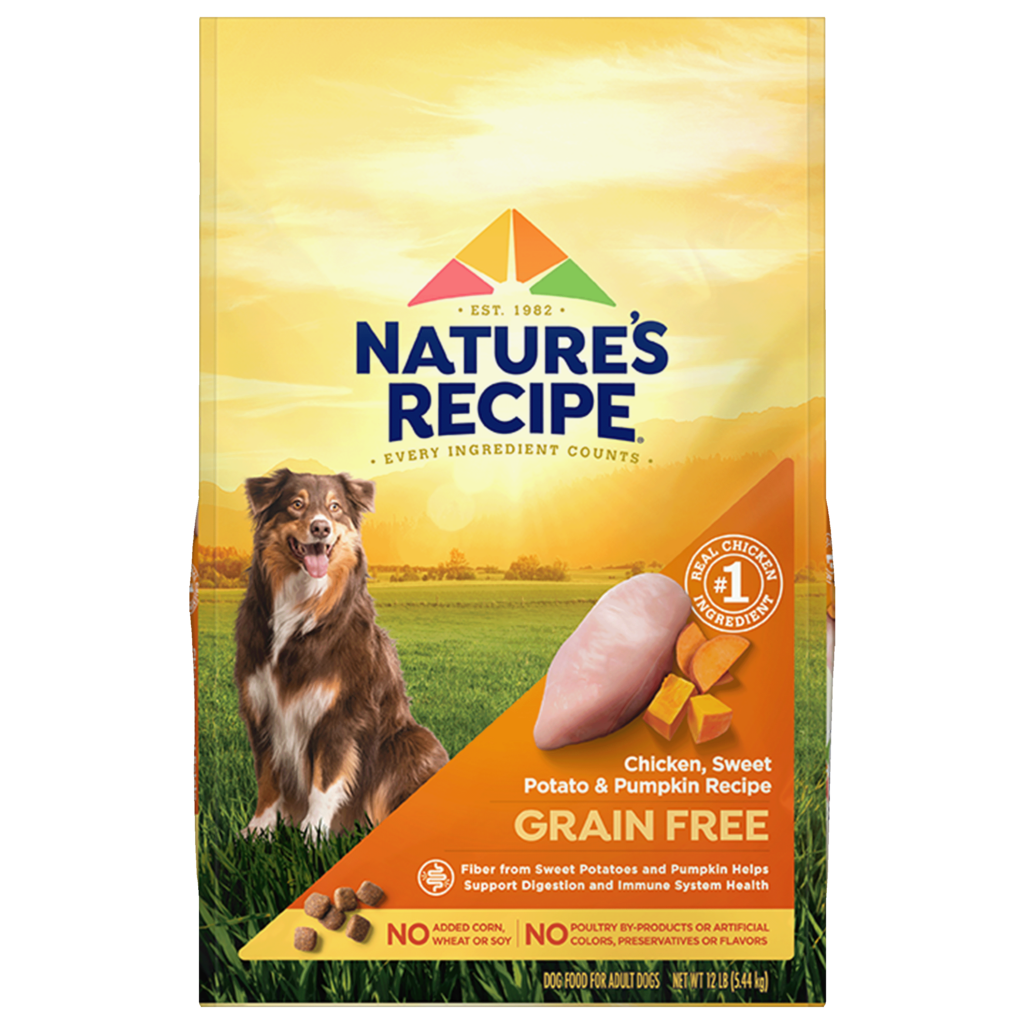
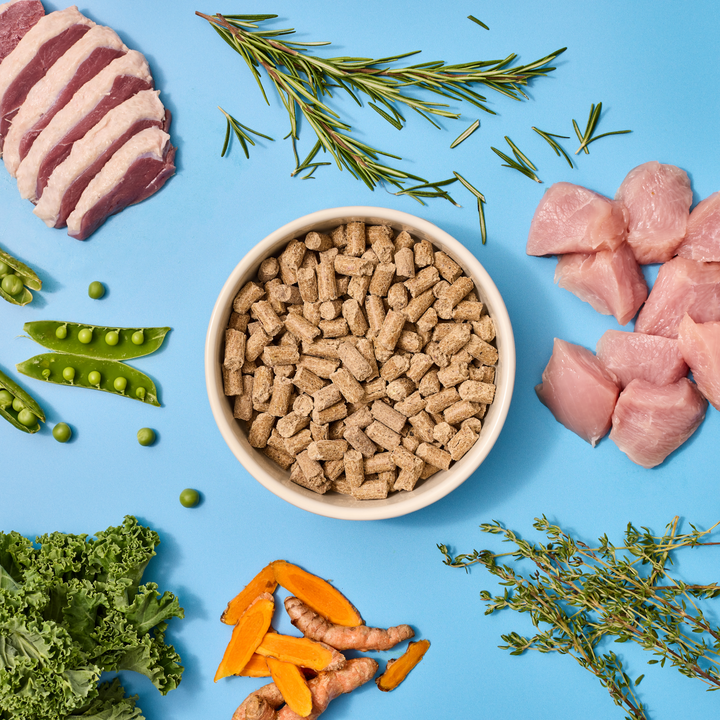
Grain-free dog food removes common grains like corn, wheat, rice, barley, and oats. It often uses peas, lentils, chickpeas, potatoes, or sweet potatoes for carbs. It may have more meat by design, but that is not always true. Grain-free is not the same as low-carb.
Regular dog food contains grains, which bring carbs, fiber, vitamins, and energy. Whole grains can aid gut health. Many dogs digest them well. Dogs are not wolves; they adapted to digest starch long ago.
Both styles can meet AAFCO standards for complete and balanced diets. Quality matters more than the label. The best plan is the one your dog digests, enjoys, and thrives on in daily life.

Nutritional comparison at a glance
When you compare Grain-free dog food vs regular dog food, start with balance. Protein, fat, and carbs should match your dog’s age and lifestyle. Check the AAFCO statement on the bag. It tells you if the food meets growth or adult needs.
Protein levels vary by brand, not by grain status alone. Many regular foods have solid protein and good amino acids. Many grain-free foods do too. Look for named animal proteins high on the list.
Micronutrients like taurine, EPA, DHA, and B vitamins matter. Formulation choices affect them more than grains alone. Some grain-free recipes use many legumes, which can change fiber and may affect nutrient use. Good brands test and adjust for this.
Pros and cons of grain-free diets
Pros:
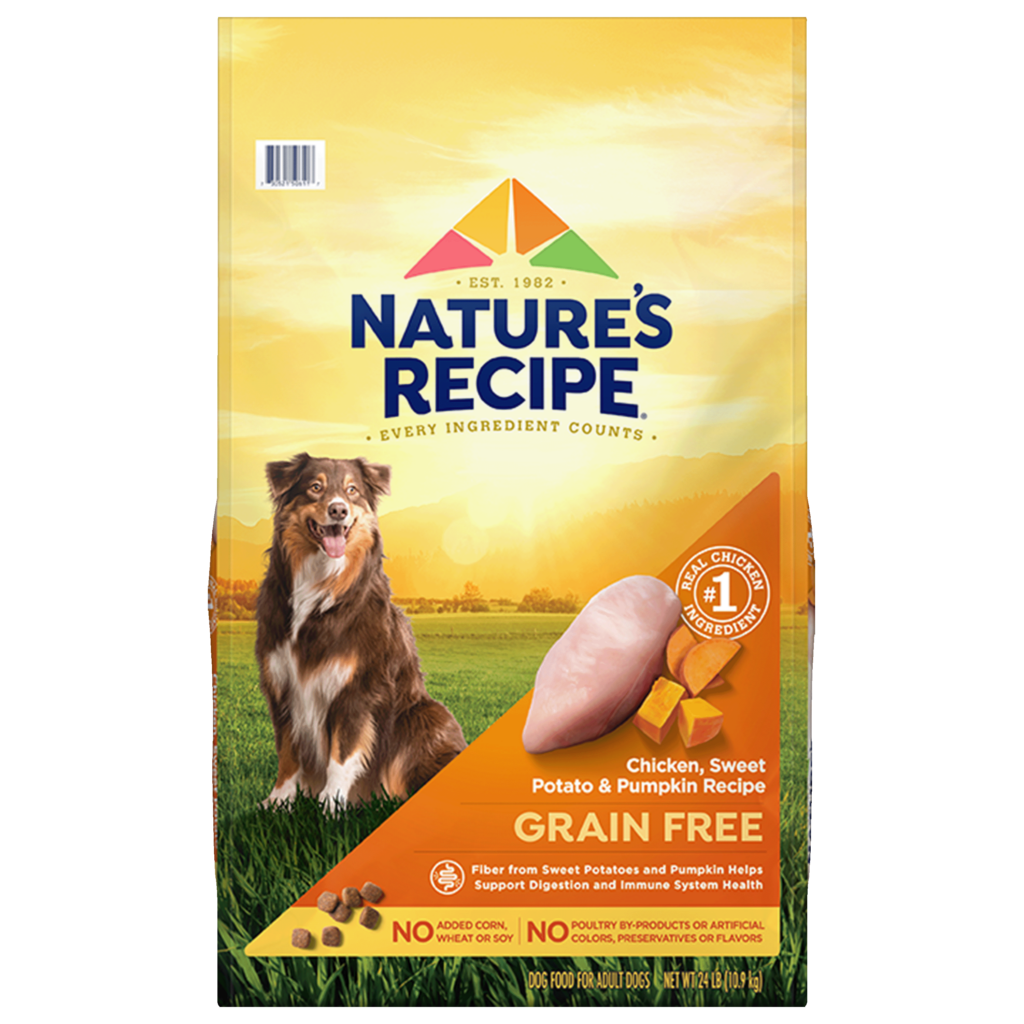
- May help dogs with a true grain allergy or intolerance. This is rare but real.
- May have higher meat content in some lines. Some dogs keep lean muscle on these diets.
- Can work well for dogs that do better on lower glycemic carbs.
Cons:
- Some recipes rely on peas and lentils a lot. This can raise fiber and change stool.
- The FDA reviewed reports of diet-associated dilated cardiomyopathy in 2018–2020. Many cases ate legume-rich, grain-free foods. A direct cause is not proven, but caution is wise.
- Often costs more per calorie. You may feed less volume, but not always.
Pros and cons of regular dog food
Pros:
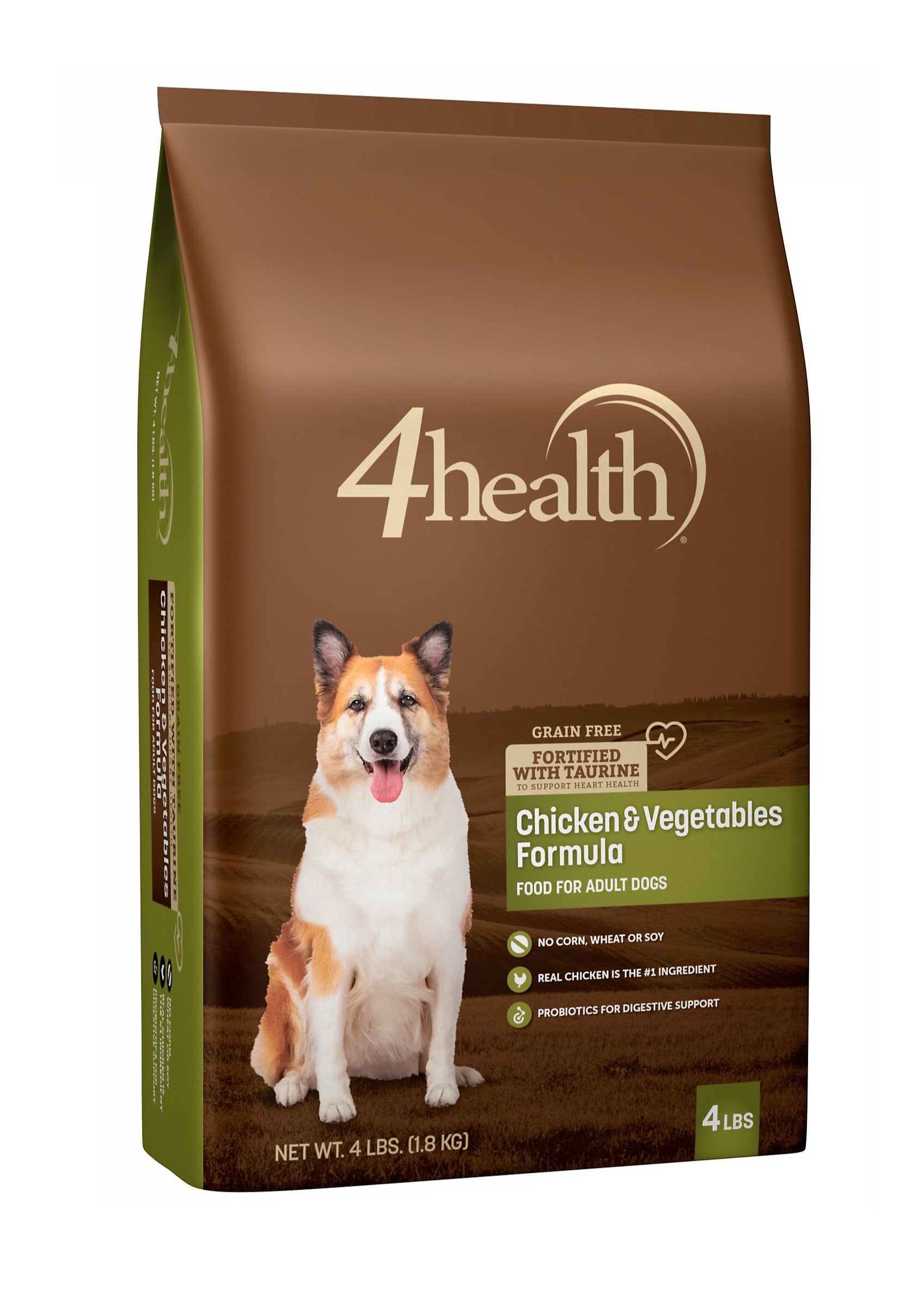
- Fits most healthy dogs very well. The research base is broad and long.
- Usually more affordable and easy to find. It helps with long-term planning.
- Whole grains add soluble and insoluble fiber. This can support gut health and steady energy.
Cons:
- Not ideal for a dog with a grain allergy, which is uncommon. Most allergies are to proteins like beef or chicken.
- Lower quality options may lean on fillers. Choose brands that meet or exceed AAFCO and do digestibility testing.
- Some dogs get softer stool on some grain blends. A slow switch and added probiotics can help.
Health considerations and what the science says
Allergies and sensitivities: True grain allergy rates are low. Most itchy dogs react to proteins like beef, dairy, or chicken. An elimination diet is the gold standard to confirm.
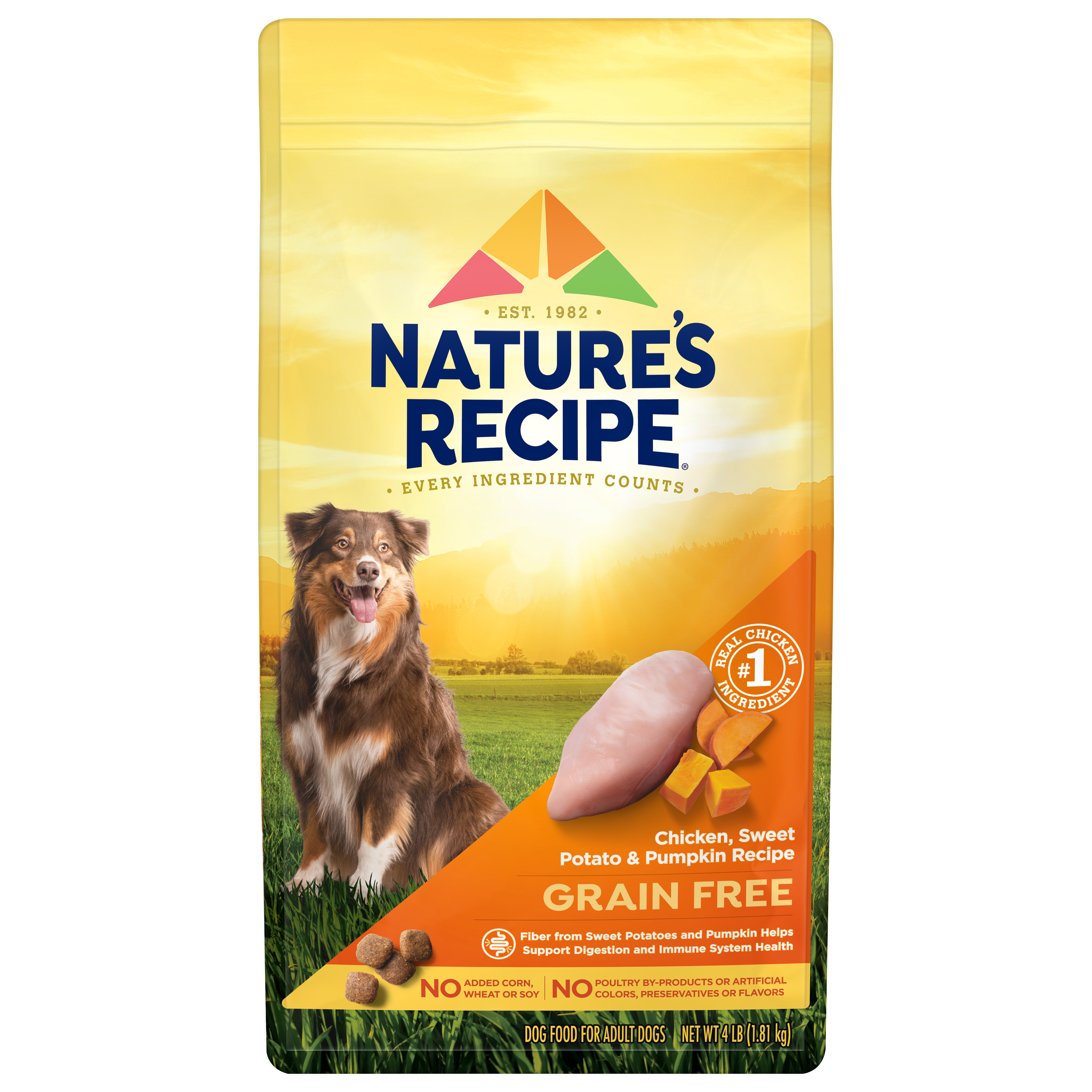
Heart health: Reports linked some grain-free, legume-heavy diets with DCM in certain dogs. The FDA reviewed cases and research is ongoing. It is not a clear cause-and-effect, but vets suggest care with heavy legume loads and long-term exclusive use.
Gut and weight: Fiber type and amount drive stool quality and weight control. Some grain-free diets are calorie dense. Measure meals to avoid weight gain. Regular diets with whole grains can help stool shape and satiety.
From my case notes: I helped a young Lab with loose stool on a pea-heavy grain-free food. A change to a regular diet with rice and fish stabilized her gut in days. Another client’s Spaniel had itchy skin on two regular recipes. A well-formulated grain-free salmon plan calmed the flare. In Grain-free dog food vs regular dog food, the dog in front of you is the guide.
Matching food to life stage, size, and activity
Puppies need food made for growth. Large-breed puppies need careful calcium and energy control. Some regular foods are ideal here. Some grain-free foods also meet this need. Check the AAFCO growth statement.
Active dogs may do best with higher fat and good protein. That could be either grain-free or regular. Seniors often need lean protein and joint support. Fiber balance helps stool and weight for older dogs.
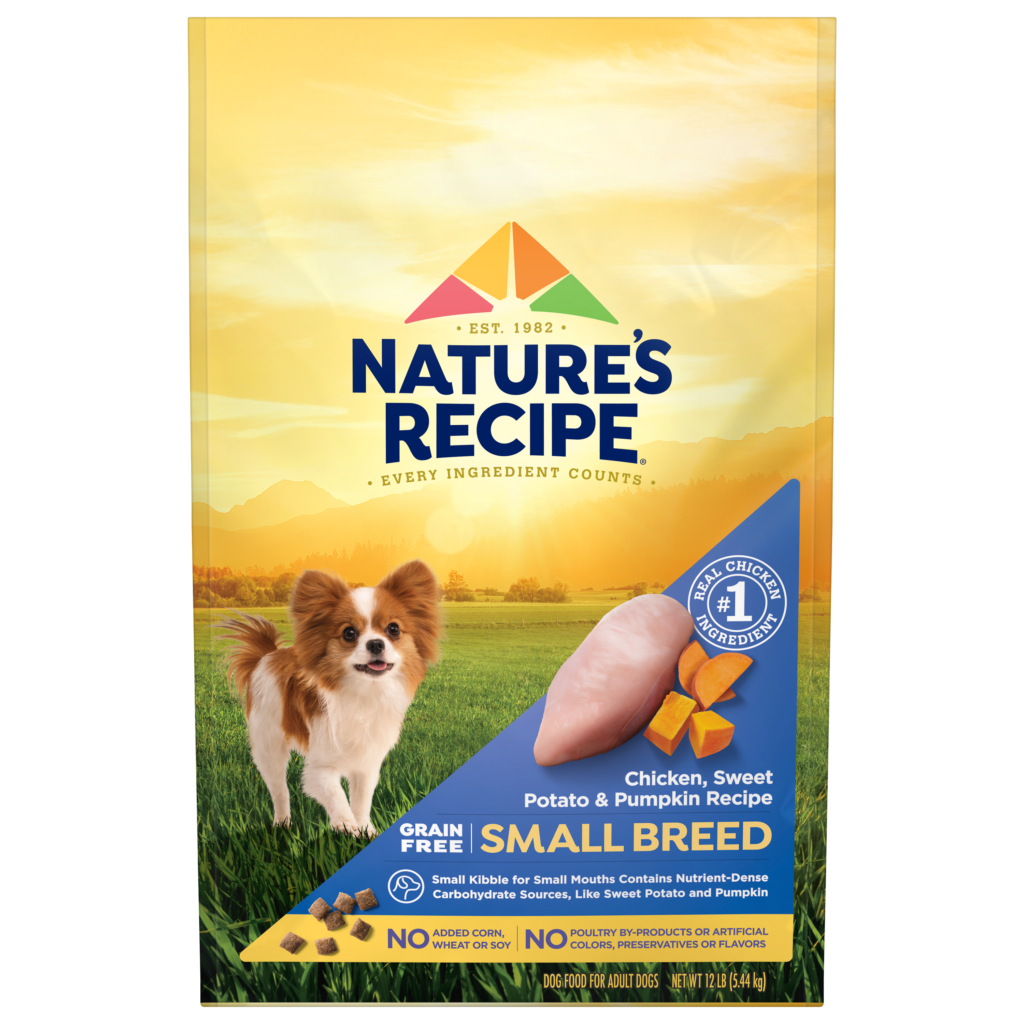
Small breeds need calorie-dense kibble that is easy to chew. Giant breeds need joint-friendly formulas and steady growth as pups. When choosing Grain-free dog food vs regular dog food, fit the life stage first, then the label.
How to read the label for real answers
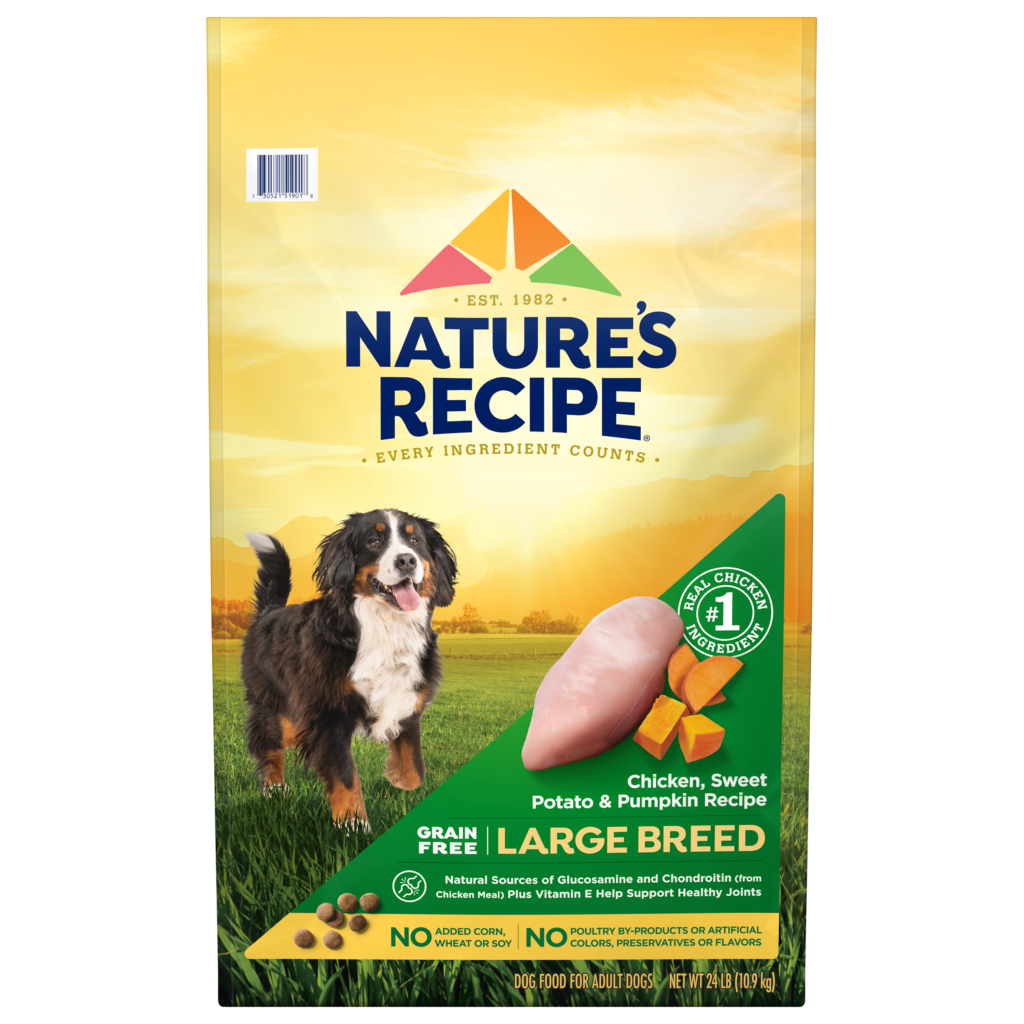
For Grain-free dog food vs regular dog food, labels tell the truth if you know where to look. Check these points first.
- AAFCO statement: Look for complete and balanced. Growth, adult, or all life stages should match your dog.
- Ingredients: Named animal proteins should lead. Watch for many legumes listed in a row.
- Guaranteed analysis: Protein, fat, fiber, and moisture guide you. Compare on a dry-matter basis when possible.
- Calories per cup: High-calorie foods need smaller portions. Use a scale for accuracy.
- Add-ons: Look for omega-3s from fish oil, mixed tocopherols, and clear mineral sources.
Brand transparency matters. Ask for digestibility data and feeding trials. Companies that share testing details tend to craft better foods.
Transition plan and practical tips
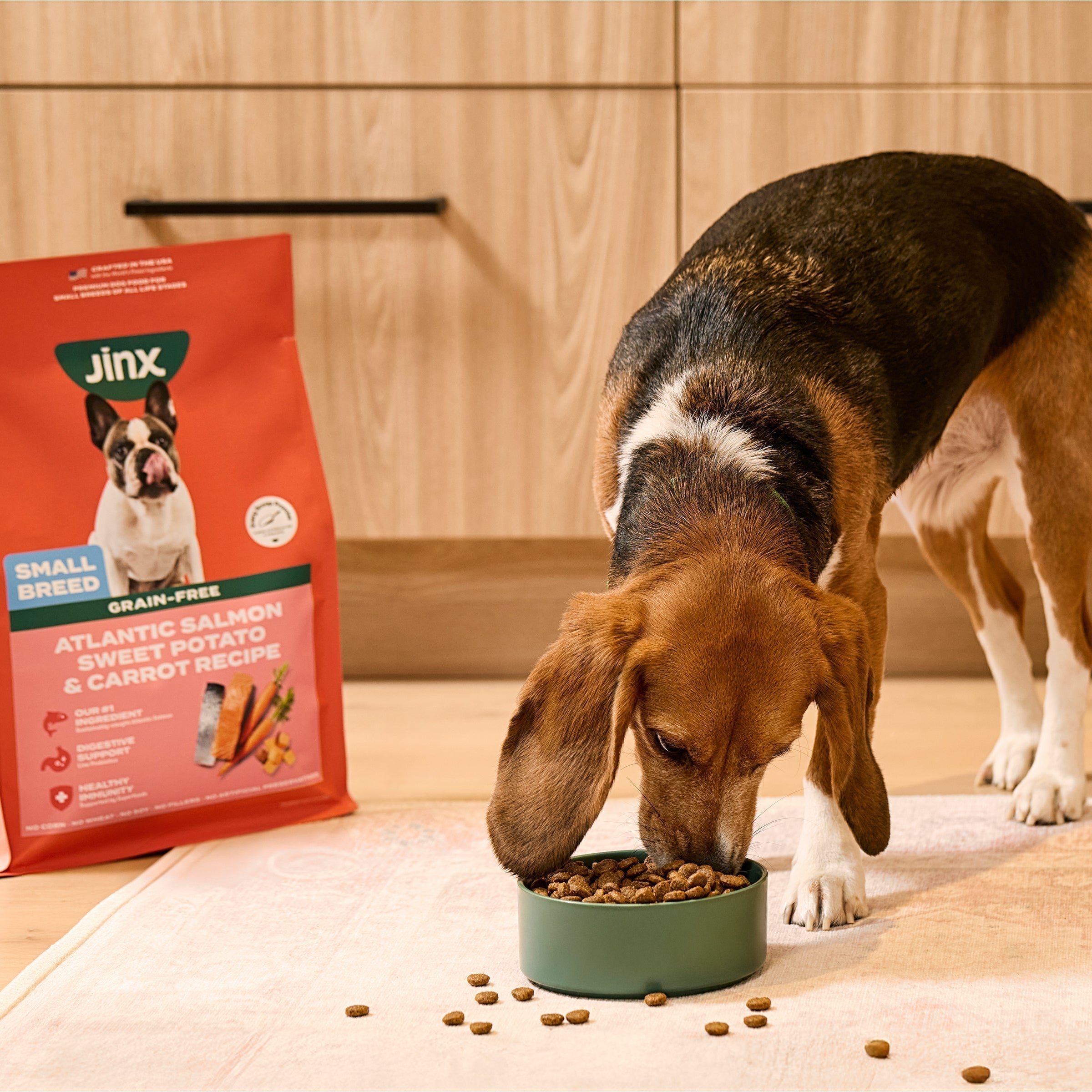
Switch food slowly. Mix 25 percent new with 75 percent old for two to three days. Then 50–50 for two to three days. Then 75–25 before a full switch. Stretch longer for sensitive dogs.
Watch stool, gas, itch, and energy. Small changes in water intake and stool are normal. Big changes are not. If you see vomiting, diarrhea, or rapid weight change, call your vet.
In Grain-free dog food vs regular dog food, keep notes. Track cups fed, treats used, and daily stool. This simple log saves time and stress. It also helps your vet spot patterns fast.
Cost, sourcing, and sustainability
Set your budget by cost per day, not bag price. High-calorie foods may look pricey but feed smaller portions. Do a quick per-1000-calorie math to compare.
Protein source quality matters more than the grain label. Named meals and by-products can be very nutritious and safe. Responsible use of by-products also reduces waste.
Supply chains vary. Pick brands that audit suppliers, test batches, and share recalls. This builds trust. It also matters more than Grain-free dog food vs regular dog food alone.
A simple decision framework you can use today
Use this quick map for Grain-free dog food vs regular dog food.
- Healthy, no history of food reactions: Start with a proven regular diet from a trusted brand.
- Itchy skin or soft stool on regular food: Try a different protein first. If needed, test a well-formulated grain-free option with modest legumes.
- Known grain allergy by elimination trial: Choose grain-free from a brand that tests and has vet oversight.
- At risk for DCM or on a legume-heavy diet: Talk to your vet. Consider rotating to a regular food or a grain-free recipe low in legumes and rich in taurine and omega-3s.
- Any major change: Recheck weight, body condition score, and heart and stool signs at 4 and 8 weeks.
Remember, the winning choice is the one your dog thrives on. In real life, many dogs do best with a rotation of two to three foods within a brand family. This adds variety and resilience.
Frequently Asked Questions of Grain-free dog food vs regular dog food
Is grain-free better for all dogs?
No. Most healthy dogs do very well on regular diets. Grain-free can help specific cases, like confirmed grain allergies or certain sensitivities.
Does grain-free food cause heart disease?
A direct cause is not proven. Some reports linked legume-heavy, grain-free diets with DCM in certain dogs, so discuss risks with your vet.
How do I know if my dog needs grain-free?
Do an elimination diet with your vet’s help. If grains trigger symptoms and removing them resolves issues, grain-free may fit.
Are grains just cheap fillers?
Not when used well. Whole grains offer energy, fiber, vitamins, and can improve stool and gut health.
Can I rotate between grain-free and regular?
Yes, many dogs do great on safe rotations. Switch slowly, track stool and energy, and keep protein sources consistent at first.
What signs show a food is not working?
Watch for dull coat, itchy skin, soft stool, gas, low energy, or weight change. If these persist, adjust the plan with your vet.
How often should I reassess my dog’s diet?
Check every 6 months or with life changes like age, weight, or activity shifts. Simple body condition checks help you stay on track.
Conclusion
Grain-free dog food vs regular dog food is not a one-size answer. The right pick supports your dog’s health, fits your budget, and feels easy to use each day. Let results guide you, not trends.
Start simple. Choose a complete and balanced recipe from a brand you trust. Transition slowly, track changes, and partner with your vet. If this helped, share it with a friend, subscribe for more practical guides, or leave a question so I can help your dog thrive.

Leave a Reply