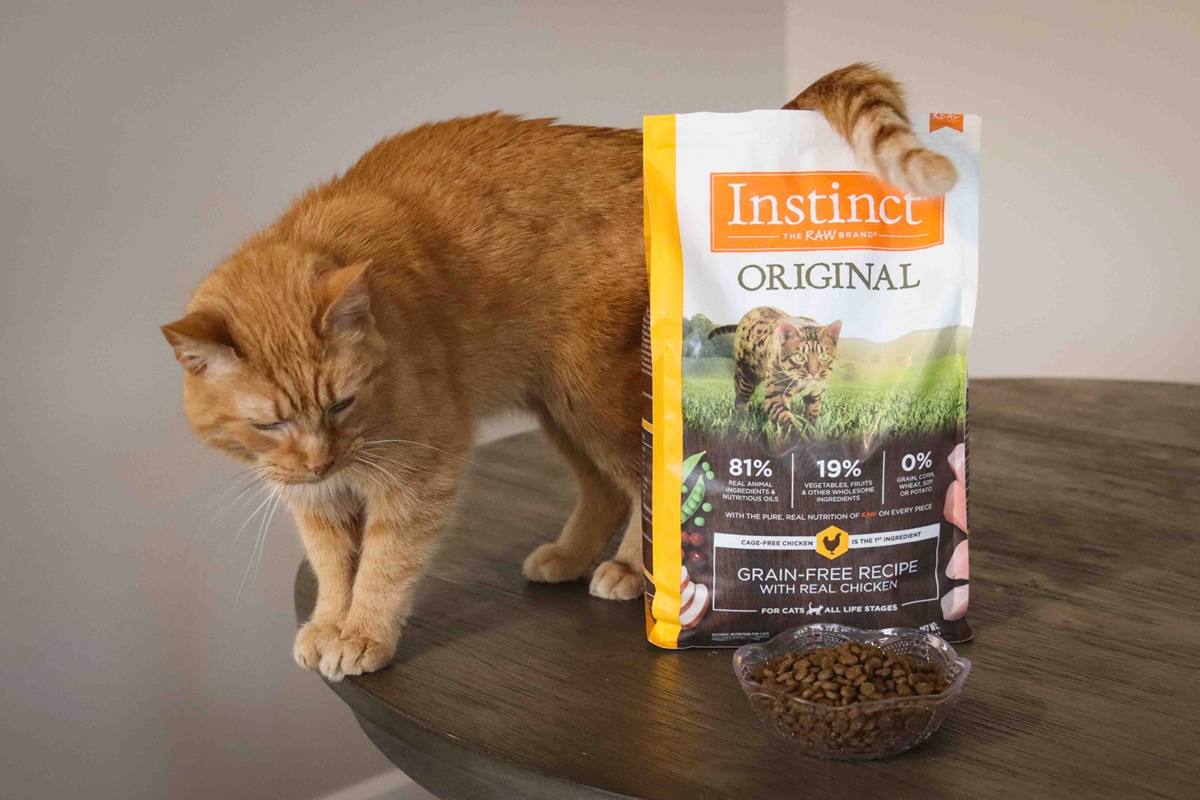
Grain-free can help some cats, but most thrive on balanced regular food.
You want the truth about Grain-free cat food vs regular without the sales spin. I have spent years comparing formulas, reading labels, and watching how real cats do on each. This guide breaks down Grain-free cat food vs regular with clear science, real stories, and simple steps you can use today. Stick with me, and you will know what to feed, when to switch, and how to avoid common mistakes.
What grain-free really means vs regular
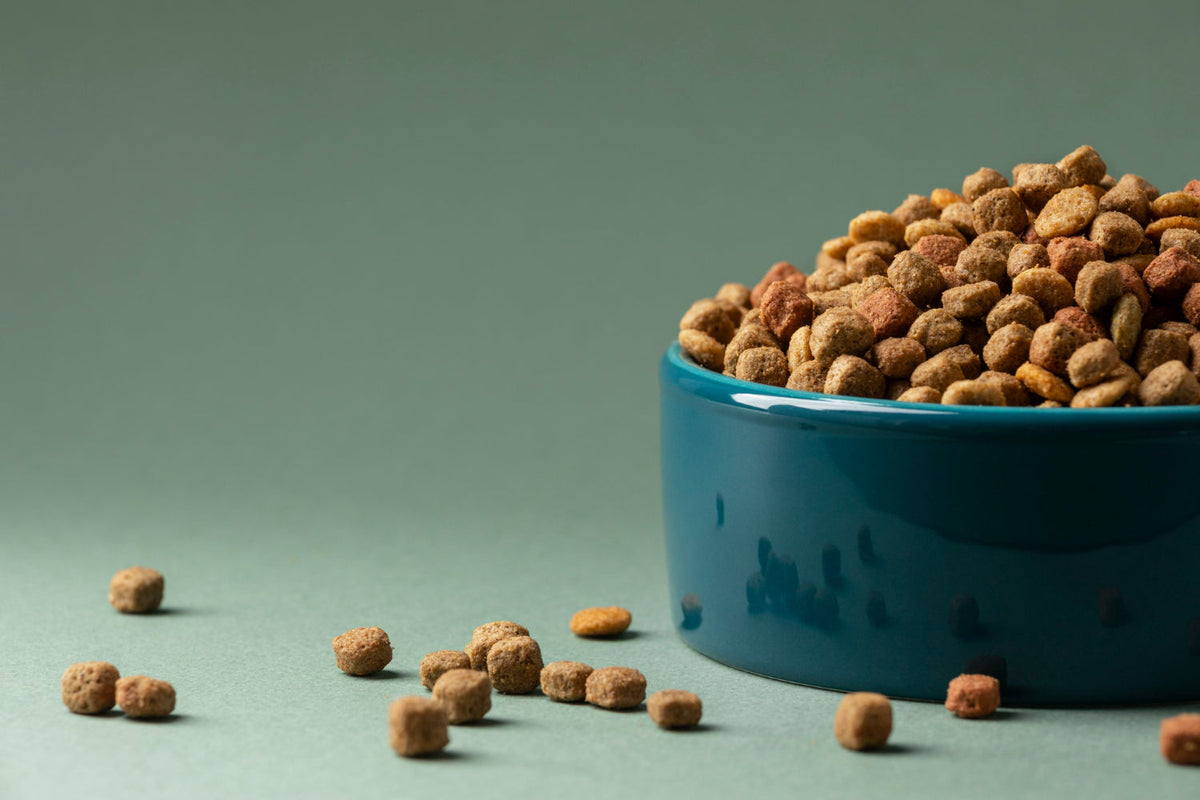
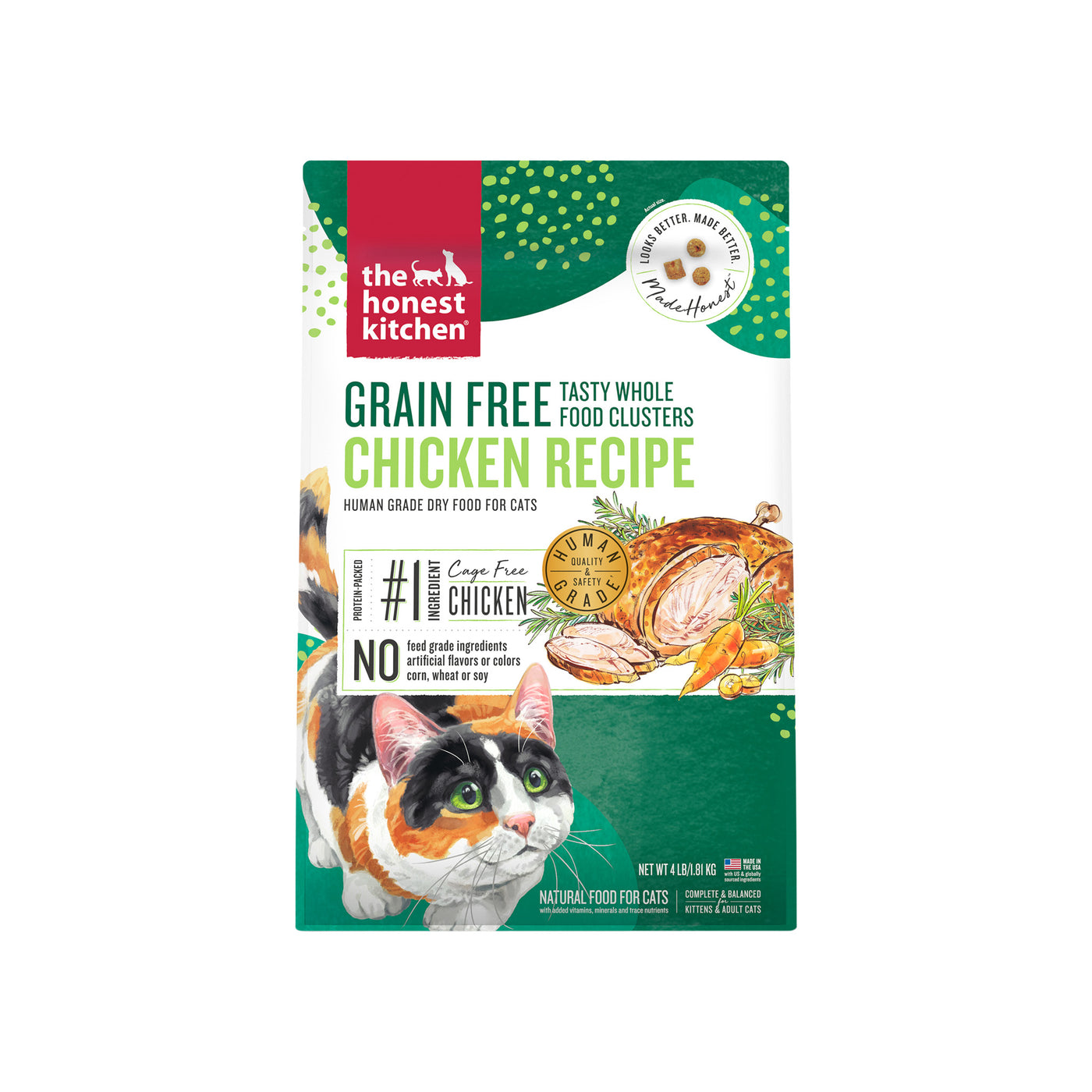
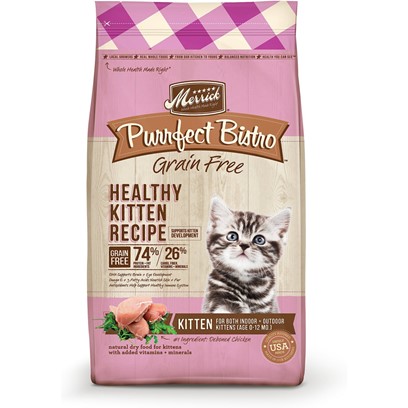
Grain-free removes grains like corn, wheat, rice, barley, and oats. It often swaps in peas, potatoes, or lentils. Regular cat food may include grains as a source of energy and fiber. Both can meet a cat’s needs when the recipe is well made.
Cats are obligate carnivores. They need animal protein and fat most of all. Carbs can be part of a diet. The key is balance. Grain-free is not the same as low carb. Some grain-free foods have more carbs than you think. The starch still has to hold the kibble together.
The safest bet is this: choose a food that is complete and balanced. Look for an AAFCO statement. Pick brands that do feeding trials and have a nutritionist on staff. That matters more than the grain debate. Still, comparing Grain-free cat food vs regular can help you find the best fit for your cat.
The science: nutrients cats need
Think nutrients first. Ingredients are only a way to deliver them.
- Protein. Cats need high animal protein to maintain muscle. Aim high quality. Animal sources digest better.
- Fat. Fat gives energy and essential fatty acids. It also helps the coat shine.
- Taurine. This is vital for the heart, eyes, and bile acids. Good foods add taurine to meet targets.
- Vitamins and minerals. These must meet AAFCO profiles for the life stage.
- Moisture. Many cats do not drink enough. Wet food helps the kidneys and bladder.
Good regular cat food can meet all of these. Good grain-free cat food can also meet all of these. Grain-free cat food vs regular is a question of quality, not only grains. Look for clear recipes, good sourcing, and a company that tests often.
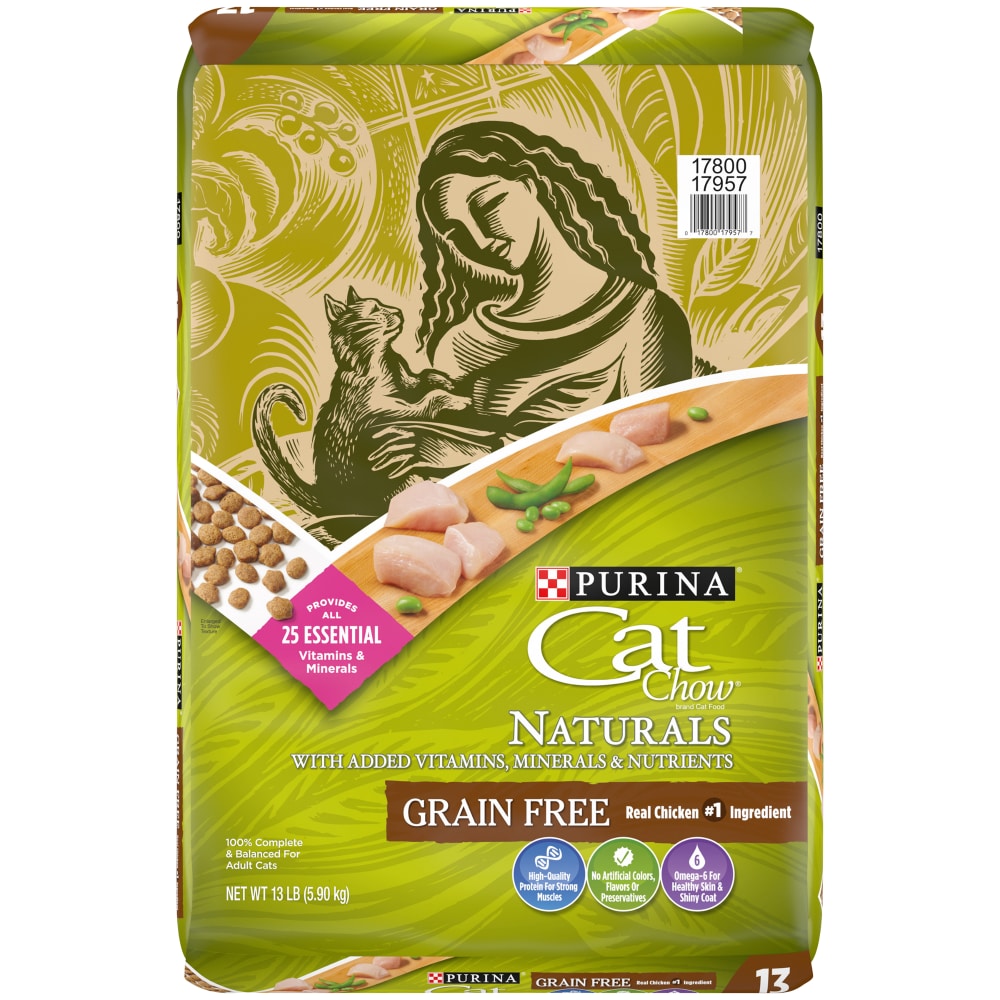
Pros and cons of grain-free cat food
There are real perks, and there are risks. Keep both in mind.
Pros:
- Helpful for a rare true grain allergy. Skin may calm. Stool may firm up.
- Some cats do better on recipes with fewer filler carbs. Energy can improve.
- May reduce stool volume in some cats due to digestibility of animal protein.
Cons:
- Not always lower carb. Peas and potatoes can push carbs up.
- Cost is higher. You may pay more without extra benefit.
- Linked to diet issues when poorly formulated. Taurine and fiber balance can slip.
- Harder to find long-term research for every formula.
If you choose grain-free, focus on brands with deep nutrition teams. In Grain-free cat food vs regular, the winner is the one that meets your cat’s needs and is well tested.

Pros and cons of regular cat food
Regular food can be a great choice when it is balanced and well sourced.
Pros:
- Meets AAFCO standards across many price points. Many options exist.
- Often backed by feeding trials and vet nutrition research.
- Stable fiber and carb blends can help stool and energy.
- Usually more affordable and easier to find.
Cons:
- Some formulas use low-quality fillers or vague by-products.
- If your cat has a rare grain allergy, symptoms may flare.
- Marketing can hide the true protein quality.
Remember, grain is not a dirty word. Cats need protein first. In Grain-free cat food vs regular, do not judge by the front of the bag. Read the back.
Health issues to consider
Food allergies
- True grain allergy in cats is uncommon. Protein allergies are more common. Chicken and fish top the list.
- If itching, ear gunk, or soft stool does not improve, talk to your vet. An elimination diet is the gold standard.
Heart and taurine
- Taurine deficiency once caused heart issues in cats. Modern foods add taurine to prevent this.
- Poorly balanced diets can still fall short. Pick brands with strong quality control.
Digestive health
- Sensitive guts need stable recipes. Big changes can upset the belly.
- A blend of soluble and insoluble fiber can help stool and hairballs.
Urinary tract
- Moisture matters more than grain vs no grain. Wet food helps dilute urine.
- Aim for steady water intake and a healthy weight.
Weight and energy
- Calorie density varies a lot. Grain-free kibble can be very calorie dense.
- Use a kitchen scale for portions. Watch the waist, not the bowl.
When comparing Grain-free cat food vs regular, health comes first. Match the food to the problem you are trying to solve.
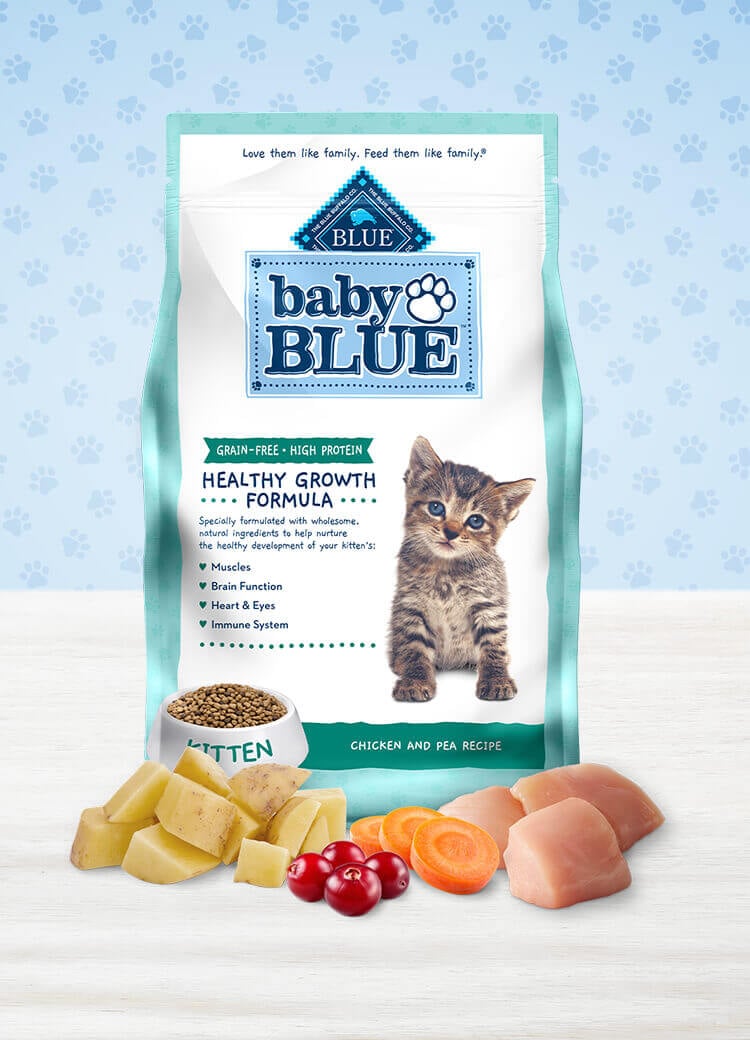
How to read labels and ingredients
Labels look complex. Use this simple system.
- Check the AAFCO statement. It should say complete and balanced for your cat’s life stage.
- Look at the first five ingredients. Animal proteins should lead.
- Check the guaranteed analysis. Higher protein. Moderate fat. Reasonable fiber.
- Scan the carb sources. Grains or starches both count as carbs. That includes peas and potatoes.
- Look for named fats and oils. Poultry fat, salmon oil, not vague “animal fat.”
- Note the caloric density. Compare calories per cup or per can.
- Review company transparency. Do they have a vet nutritionist? Do they do feeding trials?
This works for Grain-free cat food vs regular. The method is the same.
When to choose grain-free cat food vs regular
Use this quick guide to decide.
Choose grain-free if:
- Your vet suspects a grain allergy and wants a trial.
- Your cat does better on a recipe with non-grain carbs.
- You have found a brand with strong testing and a formula your cat thrives on.
Choose regular if:
- Your cat is healthy on a balanced, tested formula.
- You want more choice across budget and textures.
- You prefer brands with long feeding trial history.
Either can work if:
- The food meets AAFCO standards.
- Protein is high and from animal sources.
- Your cat’s coat, stool, weight, and energy are stable.
I use this framework in every consult on Grain-free cat food vs regular. It keeps the focus on results, not hype.
Transition plan and feeding tips
Change food slow. Your cat’s gut likes calm.
- Days 1–3: 75 percent old food, 25 percent new.
- Days 4–6: 50 percent old, 50 percent new.
- Days 7–10: 25 percent old, 75 percent new.
- Day 11+: 100 percent new food.
Practical tips:
- Warm wet food to boost aroma. A few seconds works.
- Add a spoon of water to dry or wet food to help hydration.
- Use a flat plate for whisker relief. It can help picky cats.
- Weigh meals. Watch weekly body weight and body shape.
- If stool loosens, slow the switch. If vomit or hives appear, call your vet.
This plan works for Grain-free cat food vs regular changes. Slow and steady wins.
Cost, sustainability, and ethics
Food is a daily cost. It also has a footprint.
- Budget. Price per day matters more than price per bag. Compare by calories.
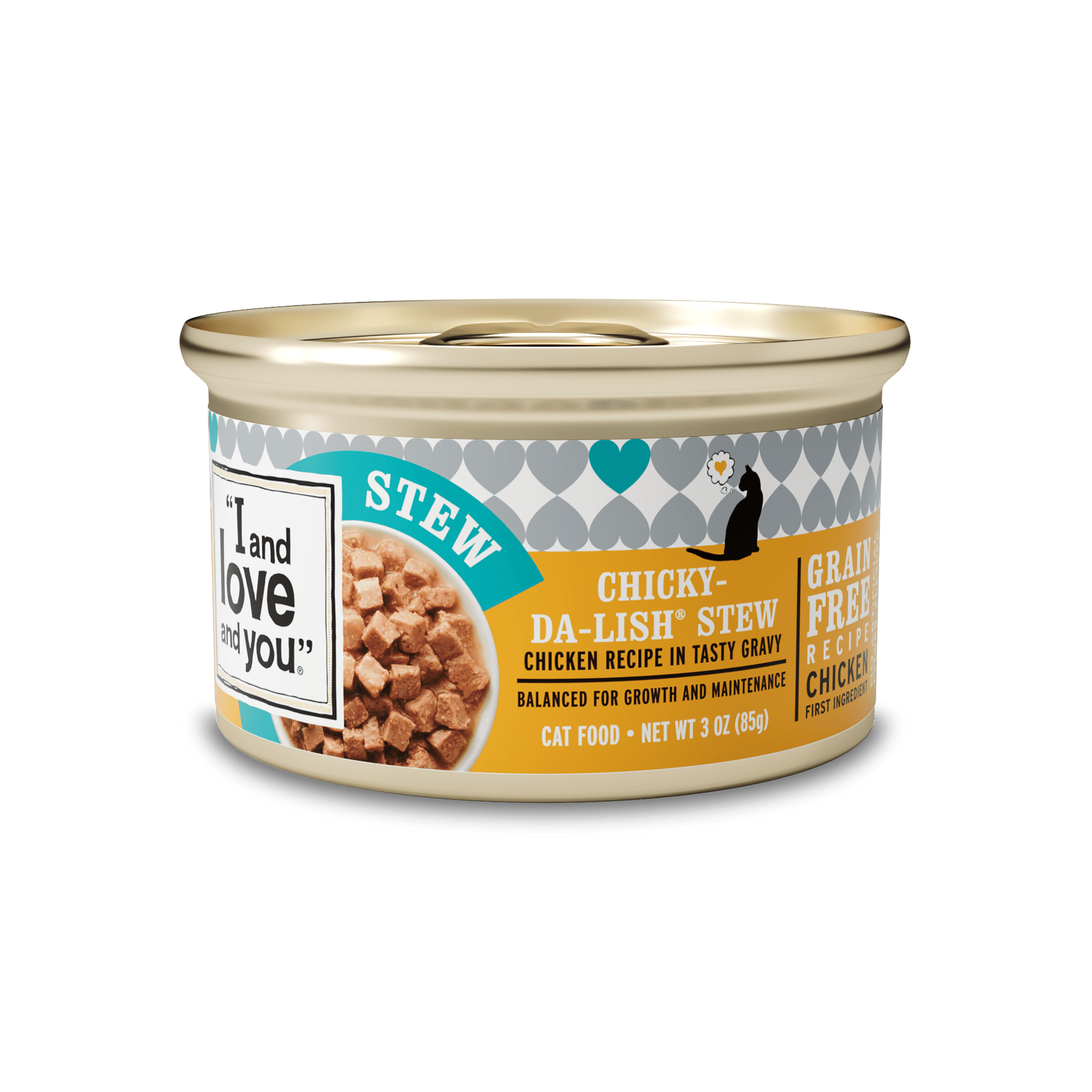
- Waste. Wet cans add recycling. Dry bags reduce waste but add carbs.
- Proteins. Some brands use by-products well. They reduce waste and can be safe and nutritious.
- Company values. Check sourcing, recalls, and testing.
Grain-free cat food vs regular can cost more or less depending on brand. Price does not equal quality. Shop smart.
Real-world notes from my practice
I have seen hundreds of cats switch diets. Here is what stands out.
- One senior cat had loose stool on a pea-heavy grain-free kibble. A regular, tested wet diet fixed it in one week.
- A young cat with itchy ears failed on three chicken recipes. A grain-free diet with rabbit protein and proper taurine solved it. It was the protein switch, not the grain-free label.
- Many owners ask why your cat don't eat dry food. For some cats, dry food smells weak. Warm wet food, add water, and try mixed feeding. Appetite often returns.
- The biggest mistake I see is fast switching. The second is judging by marketing words. The fix is slow change and label reading.
When I compare Grain-free cat food vs regular with clients, we start with the cat in front of us. Data and the cat’s response guide every move.
Frequently Asked Questions of Grain-free cat food vs regular
Is grain-free better for all cats?
No. Most healthy cats do well on a balanced regular diet. Choose grain-free only if there is a clear need or your cat does better on it.
Do grains cause allergies in cats?
True grain allergies are rare. Most food allergies in cats are to proteins like chicken, beef, or fish.
Is grain-free always low carb?
No. Grain-free foods often use peas or potatoes, which can raise carbs. Check the calories and the fiber to know the real picture.
Can grain-free cause heart issues in cats?
There is no clear proof in cats like in dogs. The real risk is any poorly balanced diet with low taurine or other gaps. Pick brands with strong testing.
Should I feed wet or dry?
Many cats do best with some wet food for moisture. Choose what your cat eats well and what keeps weight and stool on track.
How do I know if a food is complete and balanced?
Look for an AAFCO statement on the label. It should match your cat’s life stage, like adult maintenance or growth.
What if my cat refuses the new food?
Switch slower and warm the food. Add a spoon of water or a topper. If your cat still refuses, call your vet to rule out nausea or dental pain.
Conclusion
Grain-free cat food vs regular is not a war. It is a tool choice. The right food is the one that is complete, tested, and keeps your cat lean, shiny, and playful. Use labels, watch your cat, and let results guide you.
Try one change this week. Weigh the meals. Add some wet food for moisture. If you found this helpful, subscribe for more pet nutrition tips or leave a question. I am here to help you feed with confidence.

Leave a Reply