
Fresh food often offers better digestibility and moisture, while kibble wins on cost and convenience.
If you are weighing fresh dog food vs kibble, you are not alone. As a pet nutrition consultant who has helped hundreds of families, I’ve seen both shine in the right setting. This guide breaks down fresh dog food vs kibble with clear facts, real-world tips, and gentle coaching so you can choose with confidence. Stick with me, and you’ll leave with a plan that fits your dog and your budget.

What Fresh Dog Food Means vs Kibble Basics
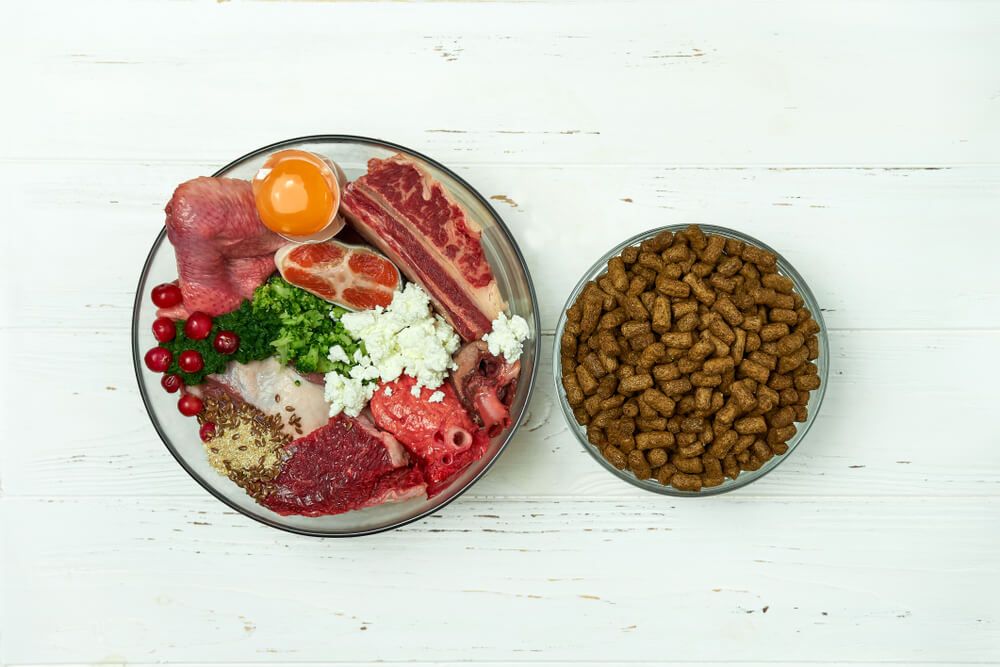
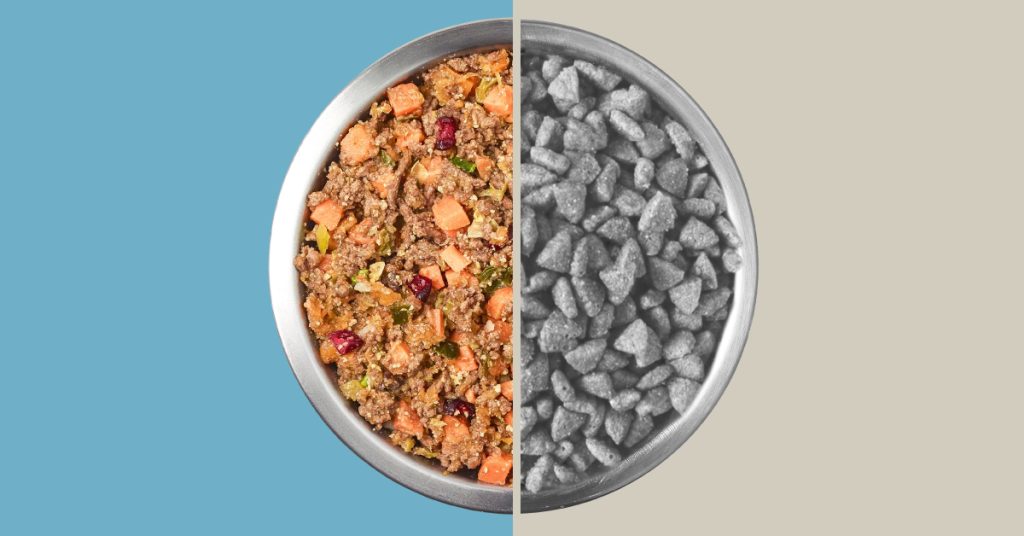
Fresh food usually means gently cooked, refrigerated, or frozen meals made from real meats, grains, and veggies. Many brands use human-grade ingredients and target complete and balanced nutrition that meets AAFCO standards. Kibble is an extruded, shelf-stable dry food designed to hit those same nutrient targets at a lower cost and with long storage life.
Here is how fresh dog food vs kibble often differs in daily life:
- Moisture: Fresh is high in water, which supports hydration. Kibble is very dry.
- Processing: Fresh is lightly cooked or gently processed. Kibble is cooked at high heat and then dried.
- Palatability: Fresh often smells and tastes better to picky eaters. Kibble varies by brand and formula.
- Storage: Fresh needs the fridge or freezer. Kibble needs a clean, airtight bin in a cool spot.
The big takeaway in fresh dog food vs kibble is trade-offs: quality of ingredients and digestibility versus convenience and price. Both can be great if the recipe is complete and balanced. Your dog’s age, health, and routine will guide the best choice.

Nutrition: Macros, Micros, and Bioavailability
In fresh dog food vs kibble, nutrients are not only about numbers. Bioavailability matters. Fresh foods tend to offer proteins and fats that are easier to digest for many dogs. Heat-sensitive vitamins and omega-3 fats may be better preserved in gently cooked fresh diets, though kibble often adds a vitamin-mineral premix to meet targets.
What to look for in any option:
- Complete and balanced statement for your dog’s life stage.
- Clear calorie information per cup or per serving.
- Named meat sources at the top of the ingredient list.
- Healthy fats, including omega-3s from fish or algae oil.
- Sensible fiber sources that support regular stools.
A good kibble can be very nutritious, especially premium formulas with better protein sources and added omega-3s. A good fresh food can improve stool quality and energy for dogs with sensitive digestion. The winner in fresh dog food vs kibble is the one your dog absorbs well, enjoys, and thrives on.

Digestive Health, Skin, and Energy
Digestibility is where many owners feel the difference in fresh dog food vs kibble. Fresh food’s higher moisture and gentle cooking can lead to smaller, firmer stools and less gas. Some dogs also show better coat shine and less itching when they switch to a high-quality fresh diet.
From my caseload, I’ve seen anxious, picky eaters relax into meals with fresh food, and senior dogs perk up with better energy. I’ve also seen great results with sensitive-stomach kibble when owners measure portions and avoid too many treats. If your dog’s stools normalize and the coat gleams, you’re on the right track.
Safety, Storage, and Convenience
Safety is a shared duty in fresh dog food vs kibble. Fresh food must stay cold, be used by the best-by date, and be handled with clean hands and bowls. Many fresh options are cooked, which reduces pathogen risk compared to raw, but normal kitchen hygiene still matters.
Kibble is easy to store, but it is not set-and-forget. Oxygen and heat speed up fat oxidation. Keep it in its original bag inside an airtight container. Close the bag, store it cool and dry, and use it within a month or so of opening for best freshness.
Convenience favors kibble, especially for travel and large dogs. Fresh food is simpler to portion and warm, and many dogs love it—but it needs fridge and freezer space. In day-to-day life, think of your routine, your storage, and your tolerance for prep.

Cost Comparison and Budget Tips
The budget side of fresh dog food vs kibble is real. For a 30–50 lb dog, a quality kibble might cost about 1–3 dollars per day, while many fresh plans run about 4–10 dollars per day, depending on brand, protein, and your dog’s calorie needs. Small dogs cost less, giant breeds cost more.
Ways to save without losing quality:
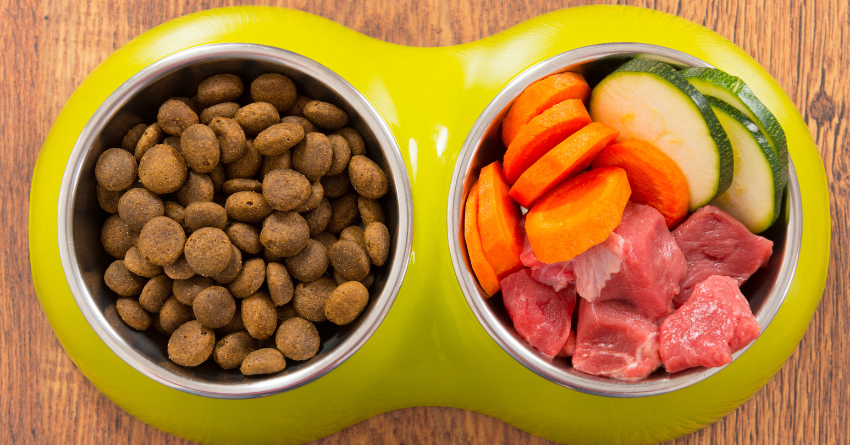
- Use a fresh topper over kibble to boost taste and moisture.
- Choose value proteins like chicken or turkey instead of exotic meats.
- Subscribe for discounts and plan your orders to avoid waste.
- Measure portions and body condition to prevent overfeeding.
- If doing DIY, use a veterinary nutritionist to avoid gaps.
Mix-feeding can be a smart middle path. It keeps costs manageable and often brings the taste and digestion wins from fresh food. In fresh dog food vs kibble, the best plan is the one you can sustain.
Real-World Scenarios: Which Option Fits Your Dog
Every dog is unique. Here is how fresh dog food vs kibble may play out in common cases:
- Picky eaters: Fresh food often wins. Try warming it a bit for aroma.
- Sensitive stomachs: Fresh or a high-digestibility kibble can work. Keep ingredients simple and consistent.
- Weight control: Either can work. Fresh makes portion control and satiety easier for some dogs.
- Working or sport dogs: Seek higher protein and fat, whether fresh or kibble, for steady energy.
- Multi-dog homes: Kibble is simpler to store and feed in bulk. Add fresh toppers for taste and moisture.
When health issues exist, ask your vet for guidance. Medical conditions may call for a prescription diet or a custom plan. Fresh dog food vs kibble is a tool choice; your dog’s health goals should lead.
How to Switch Safely and What to Watch
Switching diets takes patience. In fresh dog food vs kibble transitions, slow is smooth. Start with 25 percent new food for two to three days. Move to 50 percent, then 75 percent, then 100 percent over a week or so. Sensitive dogs may need two weeks.
Watch for signs of success:
- Stools: Aim for firm, easy-to-pick-up stools.
- Skin and coat: Check for reduced flakes and better shine.
- Energy and mood: Look for steady energy and eagerness at meals.
- Body condition: Ribs should be easy to feel, not see.
You can mix fresh and kibble in the same bowl if it suits your dog. Keep clean bowls, measure portions, and stick to a routine. Consistency helps the gut adjust.

Vet and Research Insights at a Glance
Veterinary groups stress complete and balanced formulas, quality control, and clear labeling. In fresh dog food vs kibble, both can meet AAFCO standards and support long-term health. Some studies report improved digestibility and stool quality with gently cooked fresh diets. Kibble has decades of feed-trial data and is practical for many homes.
Use this checklist, no matter the format:
- Look for a complete and balanced statement for life stage.
- Confirm calories per serving and feeding guidelines.
- Choose brands with transparent sourcing and safety testing.
- Track your dog’s body condition score monthly.
- Work with your vet if your dog has medical needs.
Evidence continues to grow. The most dependable results come from diets that are balanced, well-made, and well-measured. Your dog’s response is the final vote.

Frequently Asked Questions of Fresh dog food vs kibble
Is fresh dog food healthier than kibble?
It can be, but not always. The best choice is a complete and balanced diet your dog digests well, whether fresh or kibble.
Will fresh food help my dog’s skin and coat?
Many dogs show better coat shine with fresh food due to moisture and fats. Results vary, so track changes over four to six weeks.
Can I mix fresh dog food and kibble?
Yes. Mix-feeding is common and can improve taste and moisture while keeping costs in check.
How do I know if a fresh or kibble brand is safe?
Look for AAFCO compliance, transparent sourcing, and clear contact info. Ask the company about quality control, testing, and who formulates the diets.
Does kibble clean teeth better than fresh food?
Kibble offers only mild abrasion. Use approved dental chews, brushing, and vet cleanings for real dental care.
What if my dog has a sensitive stomach?
Start with a simple-protein formula and transition slowly. Monitor stools and talk to your vet if issues persist.
Is DIY fresh feeding a good idea?
It can work with expert help. Use a veterinary nutritionist to avoid nutrient gaps and keep the diet complete.
Conclusion
Fresh dog food vs kibble is not a battle. It is a choice between two tools. Fresh often boosts taste, digestibility, and moisture. Kibble offers value, storage ease, and steady nutrition. Your dog’s body, routine, and your budget decide which tool is best.
Try a small, measured change and watch your dog’s stools, skin, and energy for two to four weeks. If you see steady gains, keep going. If not, adjust. Ready to go deeper? Subscribe for more dog nutrition tips, or drop a comment with your dog’s age, breed, and goals so I can help you tailor a plan.

Leave a Reply