
Freeze-dried keeps more nutrients and taste; dehydrated costs less and rehydrates slower.
If you’re weighing Freeze-dried dog food vs dehydrated options, you’re in the right place. I’ve helped many pet parents choose between these two, and I’ve fed both to my own dogs. In this guide, I’ll break down how each is made, what it means for nutrition, safety, texture, cost, and daily use. You’ll get real-world tips, evidence-based insights, and a clear plan to pick the right food with confidence.
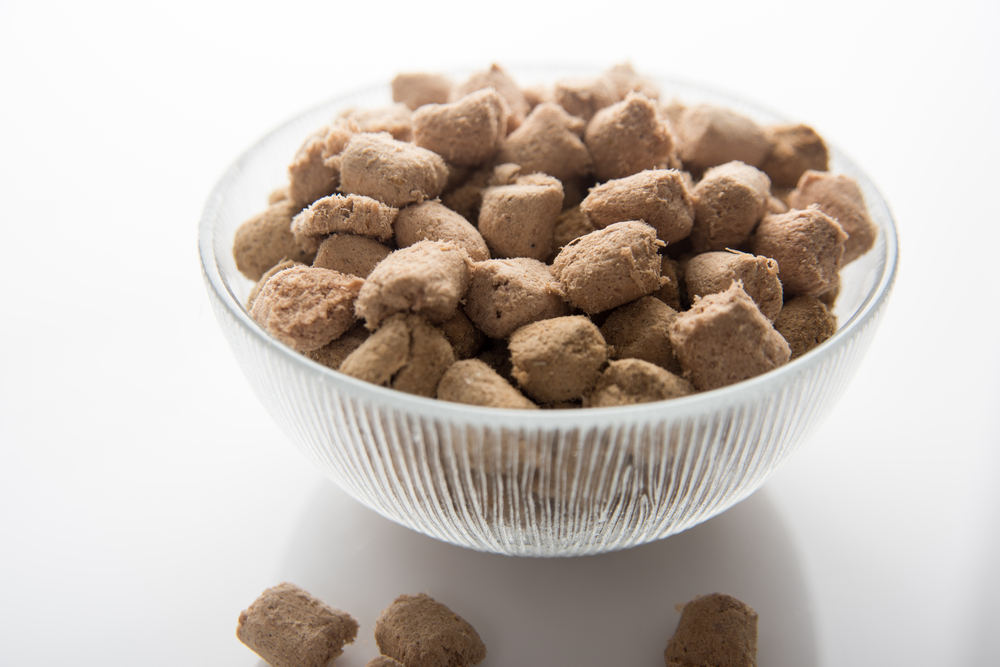
Freeze-dried dog food: how it works, what to expect
Freeze-dried dog food is made by freezing raw ingredients, then removing water under vacuum. The low temperature helps preserve nutrients and flavor. The result is light, crunchy pieces that rehydrate fast.
What I like about freeze-dried food:
- High palatability. Most picky eaters love it.
- Strong nutrient retention compared to heat-dried foods.
- Easy to crumble as a topper to boost meals.
What to watch:
- It can be pricey per serving.
- It is not sterile. Handle like raw until rehydrated.
- Fatty meats can oxidize if bags stay open too long.
Use cases:
- Great for dogs who turn away from kibble.
- Helpful for training treats with fewer crumbs.
- Perfect for travel due to low weight and fast rehydration.
I often see success when a dog needs more flavor or when appetite dips. Freeze-dried dog food vs dehydrated often comes down to taste and convenience here.

Dehydrated dog food: how it works, what to expect
Dehydrated dog food is dried with low, warm air to remove moisture. The heat is higher than freeze-drying, but lower than baking or extrusion. The texture is denser, and it can need longer soaking.
What I like about dehydrated food:
- More budget-friendly per calorie.
- Packable and stable with a sealed shelf life of 12 to 24 months.
- Many complete-and-balanced options with simple prep.
What to watch:
- Some heat-sensitive vitamins may drop compared to freeze-dried.
- Rehydration can take longer and may need warm water.
- Some dogs prefer the richer aroma of freeze-dried.
Use cases:
- Good for families feeding larger dogs on a budget.
- Reliable option for camping and emergencies.
- Solid middle ground between kibble and raw.
In my experience, dehydrated works well for routine feeding. When comparing Freeze-dried dog food vs dehydrated, dehydrated often wins on value and simplicity.

Freeze-dried dog food vs dehydrated: key differences that matter
This is where the rubber meets the road. Freeze-dried dog food vs dehydrated differs in how it affects nutrients, safety, texture, cost, and convenience.
Nutrients and digestibility
- Freeze-dried: Better at preserving heat-sensitive vitamins and aromas. Often very digestible.
- Dehydrated: Some nutrient loss can occur with heat. Still nutritious and often balanced.
Food safety
- Freeze-dried: Low temperature, but not sterilized. Follow safe raw handling.
- Dehydrated: Heat can reduce some microbes, but safety varies by process. Still handle with care.
Texture and taste
- Freeze-dried: Light, porous, rehydrates quickly, intense taste. Dogs tend to love it.
- Dehydrated: Denser, softer after soaking, mild taste. Some dogs need warm water to encourage eating.
Hydration and rehydration
- Freeze-dried: Soaks fast. Use cool to warm water, wait 2 to 5 minutes.
- Dehydrated: Soaks slower. Warm water helps. Wait 5 to 10 minutes.
Cost and value
- Freeze-dried: Higher per serving. Great as a topper to stretch budget.
- Dehydrated: Better price per calorie. Fits large breed needs well.
Shelf life and storage
- Both: Long shelf life sealed. Store in a cool, dry place. Reseal or use an airtight bin.
- Opened bags: Use within a month or per label for best flavor and fat stability.
Sustainability notes
- Freeze-dried: Energy-intensive process. Lightweight shipping helps a bit.
- Dehydrated: Lower processing energy, heavier per meal, but often simpler sourcing.
I often recommend using one as the base and the other as a topper. That solves the Freeze-dried dog food vs dehydrated debate for many homes, balancing cost and nutrition.
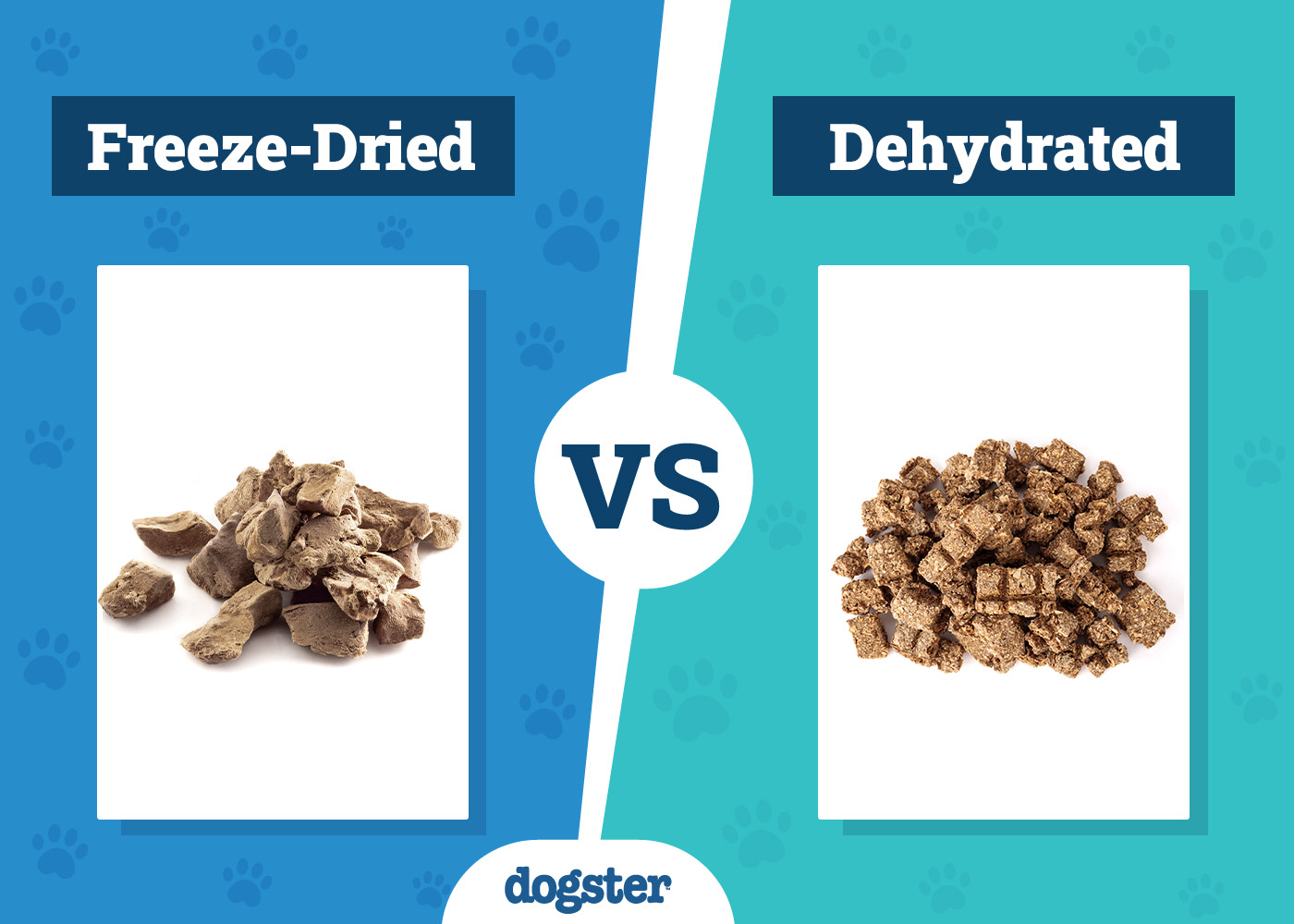
Which is better for your dog? A simple decision guide
Match your choice to your dog’s needs. Freeze-dried dog food vs dehydrated does not have a single winner.
Choose freeze-dried if:
- Your dog is picky and needs a strong aroma boost.
- You want high nutrient preservation and fast rehydration.
- You value light weight and portable meals or treats.
Choose dehydrated if:
- You want a lower cost per calorie.
- You feed medium to large dogs daily.
- You prefer a softer texture after soaking.
Specific cases
- Puppies: Look for complete and balanced formulas. Freeze-dried can support appetite; dehydrated helps budget.
- Seniors: Softer, well-soaked dehydrated is gentle on teeth. Freeze-dried crumbles well for toppers.
- Sensitive stomachs: Transition slowly. Choose limited-ingredient recipes in either category.
- Working or active dogs: Freeze-dried often wins on palatability and digestibility. Dehydrated can still perform well with proper rehydration.
When you say Freeze-dried dog food vs dehydrated, think fit, not fame. The best choice is the one your dog eats well and tolerates daily.
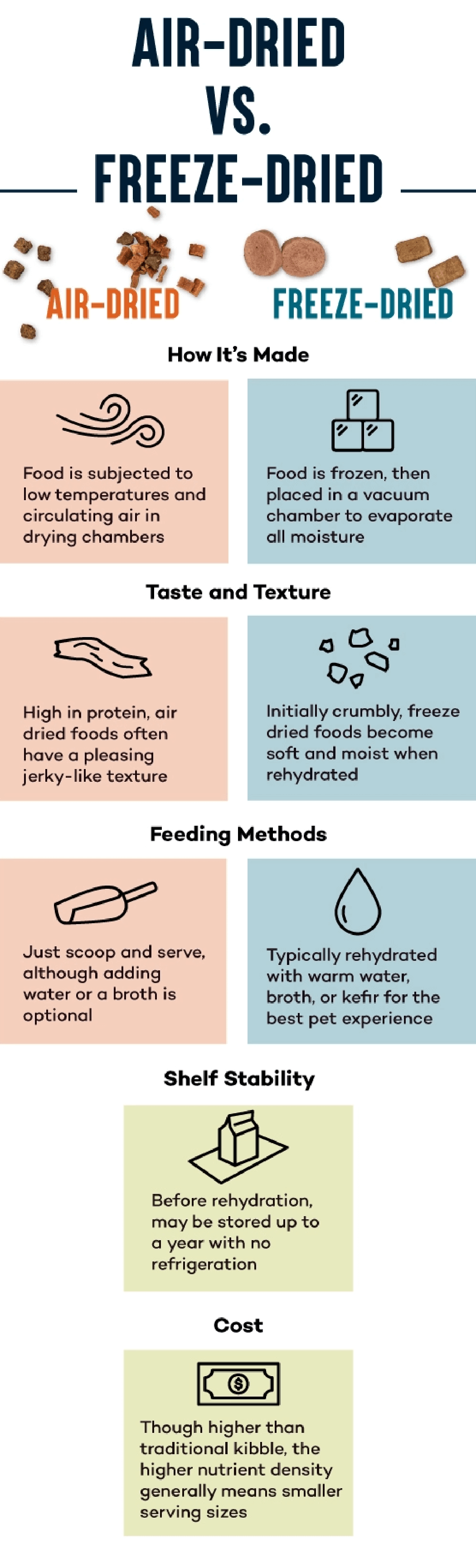
How to feed, rehydrate, and transition safely
Switch slowly. Your dog’s gut likes routine.
Steps to transition
- Days 1 to 3: 25% new food, 75% current food.
- Days 4 to 6: 50% new food, 50% current food.
- Days 7 to 10: 75% new food, 25% current food.
- Watch stools and energy; slow down if needed.
Rehydration tips
- Freeze-dried: Start with 1:1 water to food by volume. Wait 2 to 5 minutes.
- Dehydrated: Start with 1.5:1 to 2:1 water to food by volume. Wait 5 to 10 minutes.
- Use warm, not hot, water to protect nutrients and aroma.
Safety basics
- Wash hands and bowls after use.
- Seal bags tightly. Push out extra air.
- Do not leave rehydrated food out for long. Two hours is a common safe limit.
- Verify complete and balanced statements for long-term feeding.
These steps make Freeze-dried dog food vs dehydrated transitions smooth and stress-free.

Real-world notes from the field
What I’ve seen in practice:
- Picky eater breakthrough: A small freeze-dried topper made a nervous rescue finally finish meals.
- Budget stretch: A family with a high-energy Lab used dehydrated as the base and freeze-dried as a weekend treat. The dog thrived, and the budget stayed sane.
- Sensitive tummy: A limited-ingredient dehydrated turkey recipe stabilized loose stools after a slow transition.
Common mistakes to avoid
- Switching too fast. Give the gut time to adapt.
- Skipping rehydration. Most dogs do better with water added.
- Ignoring calories. Both types are calorie-dense. Use a measuring cup and track weight.
- Leaving bags open. Flavor and fats degrade with air and light.
When you weigh Freeze-dried dog food vs dehydrated, remember your routine matters too. Pick the one you can feed well, every day, with joy.

Cost and value: how to save without losing quality
You can feed smart without overspending.
Money-saving tips
- Use a topper strategy. Base diet with dehydrated, flavor boost with freeze-dried.
- Buy larger bags if you can store them well.
- Rotate proteins based on seasonal deals.
- Sign up for brand rewards and autoship discounts.
- Measure meals. Overfeeding is the fastest way to burn cash and add weight.
Value mindset
- Nutrient density matters. A food that your dog digests well may need smaller portions.
- Taste matters. A food that your dog loves reduces waste and stress.
- Consistency matters. A plan you can stick to beats the “perfect” plan you cannot.
This is the practical answer to the Freeze-dried dog food vs dehydrated debate: blend for taste, budget, and health.

Storage, travel, and emergency prep
Both options shine for travel and emergency kits.
Storage
- Keep bags cool, dry, and sealed.
- Use airtight bins for opened bags. Label dates.
- Protect fats from heat and light.
Travel
- Pre-portion meals in reusable bags.
- Carry a small scoop and collapsible bowl.
- Pack a thermos with warm water for dehydrated meals.
Emergency kit
- Include 7 to 14 days of food.
- Add extra water for rehydration.
- Keep a backup protein in case of shortages.
Freeze-dried dog food vs dehydrated both offer long shelf life and low weight. That makes them reliable when plans change fast.

Frequently Asked Questions of Freeze-dried dog food vs dehydrated
Is freeze-dried dog food raw?
Usually yes, it is raw or minimally processed. It is dried at low temperatures, so handle it with the same care as raw until rehydrated.
Does dehydrated dog food lose a lot of nutrients?
Some heat-sensitive vitamins can drop, but it is still nutritious. Many brands add vitamins and minerals to meet complete and balanced standards.
Which is easier to digest: freeze-dried or dehydrated?
Many dogs digest freeze-dried well due to the porous texture. Dehydrated can digest well too, especially when soaked long enough.
Can I mix freeze-dried and dehydrated in one meal?
Yes, and it works well for taste and budget. Rehydrate both fully and then mix to get an even texture.
How much water should I add?
For freeze-dried, start with equal parts water and food by volume. For dehydrated, use 1.5 to 2 parts water to one part food and adjust to your dog’s preference.
Is either option safe for puppies?
Yes, if the food is complete and balanced for growth. Transition slowly and confirm the label supports all life stages or puppy growth.
Will either help with picky eating?
Freeze-dried often wins for aroma and taste. You can crumble it on dehydrated food to tempt picky dogs.
Conclusion
Freeze-dried dog food vs dehydrated comes down to fit. Freeze-dried delivers strong taste and nutrient retention, while dehydrated offers value and steady routine. You can even pair them to get the best of both worlds.
Try a small bag of each, rehydrate well, and watch your dog’s stool, energy, and joy at mealtime. Ready to go deeper? Explore more guides, subscribe for updates, or drop your questions in the comments so we can help you choose with confidence.

Leave a Reply