
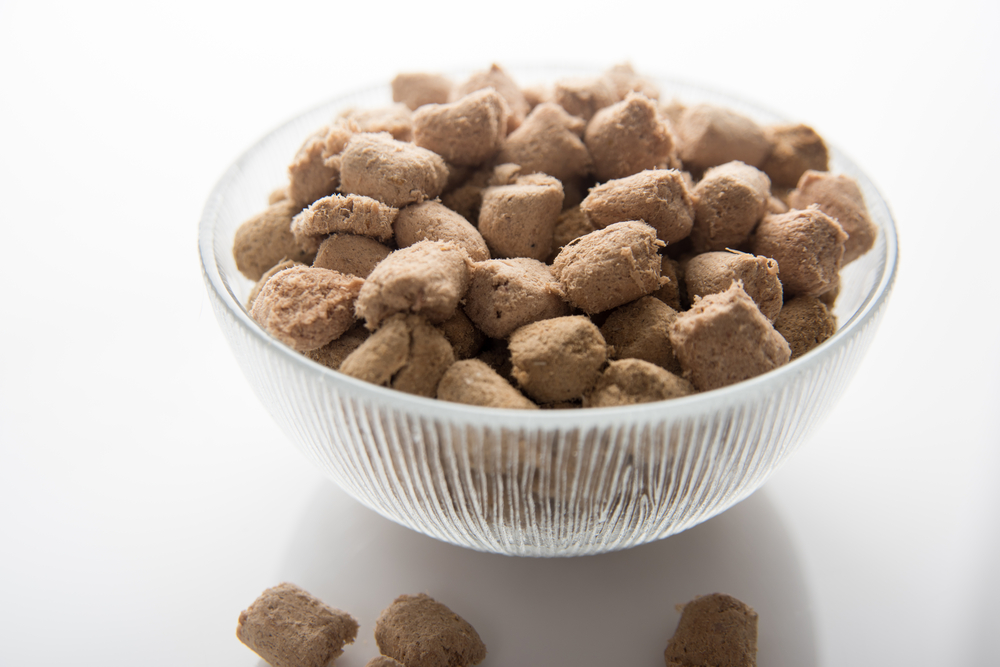
Freeze-dried cat food preserves nutrients better; dehydrated is cheaper and gentler to digest.
If you’re weighing freeze-dried cat food vs dehydrated, you’re in the right spot. I’ve fed both for years, tested brands, and worked through picky-eater drama with multiple rescue cats. In this guide, I break down how the two compare on nutrients, safety, cost, taste, and ease of use. You’ll get clear answers, real-world tips, and the confidence to choose what fits your cat and your budget.

Freeze-dried cat food vs dehydrated: what each one means
Freeze-dried food is raw food with water removed under very low temperature and pressure. This keeps structure and flavor intact. Many labels say to rehydrate before serving.
Dehydrated food is gently heated to remove moisture. It can be raw before drying or lightly cooked. It often turns into a soft mash after you add warm water.
Both aim to offer a fresh-style meal with less mess and longer shelf life. But freeze-dried cat food vs dehydrated food can feel very different in the bowl and in your wallet.

How the processes work and why it matters
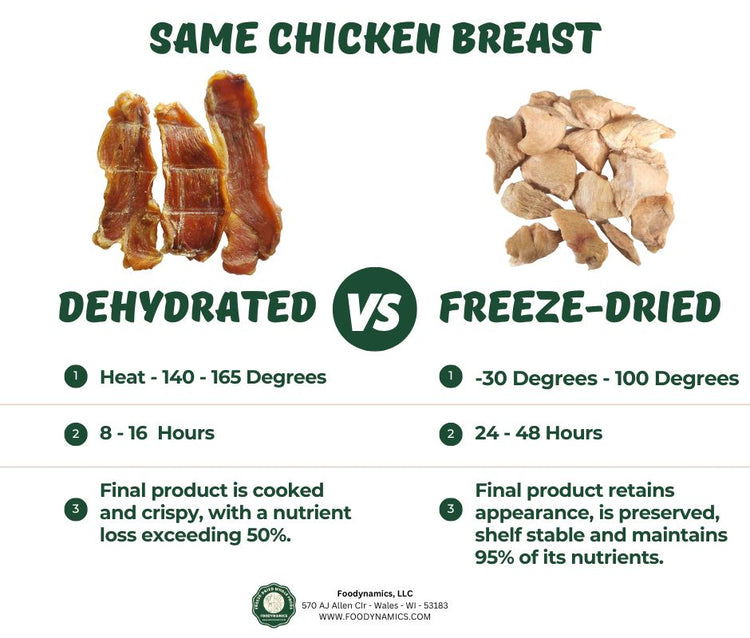
Freeze-drying uses sublimation. Ice turns straight to vapor. This protects fragile nutrients and fats. It also keeps the shape and taste close to raw.
Dehydration uses warm air. Water leaves over time. This can reduce some heat-sensitive vitamins, like certain B vitamins, and can change texture.
For your cat, this means freeze-dried can be more nutrient-dense per bite. Dehydrated can be smoother and easier to digest for some cats.

Nutrition head-to-head
When you look at freeze-dried cat food vs dehydrated, both can meet AAFCO profiles if formulated well. But their strengths differ.
- Protein quality: Freeze-dried often keeps proteins closer to raw form. Dehydrated can still be high in protein, but heat may change some amino acids.
- Fats and omega oils: Freeze-dried tends to protect delicate fats. Dehydrated may oxidize fat faster if not stored well.
- Vitamins and enzymes: Freeze-dried retains more heat-sensitive compounds. Dehydrated may need added vitamins to match targets.
- Carbs and fillers: Many dehydrated foods use produce for texture. Watch for added starch if your cat needs low carb.
Always check the label for complete and balanced claims for your cat’s life stage. Look for AAFCO or FEDIAF statements.

Safety and pathogens
Safety is key in the freeze-dried cat food vs dehydrated debate. Both are low-moisture foods, which helps shelf stability. But low moisture does not sterilize.
- Freeze-dried products that use raw meat can carry risk of Salmonella or Listeria. Some brands use HPP to lower this risk.
- Dehydrated foods use gentle heat. This can reduce microbes more than freeze-drying alone. Still, they are not sterile.
- Choose brands with lot testing, HACCP plans, and clear safety reports.
- Wash hands, clean bowls, and store food as directed.
If anyone in your home is immunocompromised, talk with your vet about the best option and handling practices.
Texture, taste, and picky cats
Cats can be fussy. Texture matters. In freeze-dried cat food vs dehydrated, you will see big texture swings.
- Freeze-dried rehydrates into meaty chunks. Many cats love the aroma and chew.
- Dehydrated turns into a smooth stew or pate. This can help senior cats with dental issues.
- Try mixing both to learn your cat’s preference.
- Warm the water a bit to boost scent and appeal.
My picky calico refused kibble but licked the bowl clean with rehydrated freeze-dried rabbit. My senior tabby did better with a soft dehydrated turkey blend.

Hydration and prep time
Both need water. This is great for cats who do not drink much.
- Freeze-dried rehydrates fast. Many meals are ready in 1 to 3 minutes.
- Dehydrated can take 5 to 10 minutes to soften well.
- Aim for a stew-like texture. Add more water for cats prone to urinary issues.
- Do not leave rehydrated food out too long. Two hours is a common rule.
For travel or busy days, freeze-dried can save time. For cats who love a warm, soft meal, dehydrated can shine.

Cost and value for money
Freeze-dried cat food vs dehydrated often comes down to budget.
- Freeze-dried is usually pricier per calorie. You pay for the complex process.
- Dehydrated is more budget-friendly for multi-cat homes.
- Compare cost per ounce rehydrated or cost per 100 kcal. This is the fairest measure.
- Use toppers and partial feeding to control cost. Even 25 percent upgrade can improve variety and moisture.
I use freeze-dried as a dinner topper and dehydrated as a full meal when I need to stretch dollars without giving up quality.

How to choose what fits your cat
Match the food to your cat, not the trend. Use this freeze-dried cat food vs dehydrated checklist.
- Health status: Kidney, pancreas, or GI issues may need gentle formulas. Ask your vet.
- Age and teeth: Seniors may prefer soft dehydrated. Kittens may love meaty chunks.
- Food sensitivities: Pick single-protein formulas. Avoid high-starch produce if it causes loose stool.
- Safety needs: If you want lower raw risk, choose brands with HPP or cooked options.
- Your routine: Need speed and less mess? Freeze-dried wins. Want warm comfort food? Dehydrated works well.
If you are unsure, rotate and observe. Track stool, coat gloss, weight, and energy for two to four weeks.
Reading labels like a pro
Labels can be tricky in the freeze-dried cat food vs dehydrated aisle. Focus on these points.
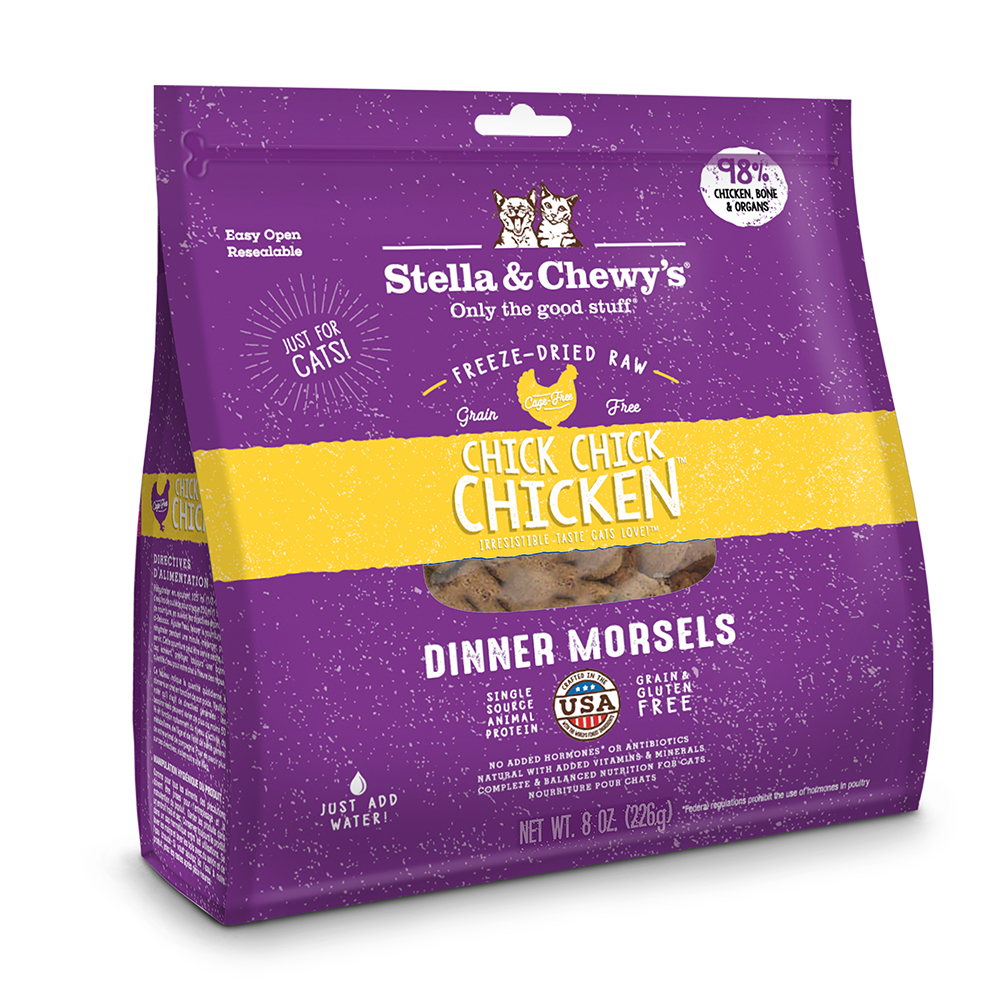
- AAFCO statement: Complete and balanced for your cat’s life stage.
- Feeding guide: Check calories per cup after rehydration.
- Ingredients: Named meats first. Organ meats add micronutrients. Avoid vague meals.
- Additives: Look for added taurine, vitamins, and minerals to meet standards.
- Testing and sourcing: Brands that share batch tests earn trust.
Call or email brands. Good companies answer questions fast and with data.
Storage, shelf life, and travel
Storage can be a tie-breaker in freeze-dried cat food vs dehydrated choices.
- Shelf life: Both do well sealed in a cool, dry place.
- After opening: Use within the brand’s window. Often 30 to 60 days.
- Rehydrated leftovers: Refrigerate and use within 24 hours.
- Travel: Freeze-dried is light and neat. Dehydrated is bulkier but still handy.
Keep desiccant packs inside bags. Squeeze out air and seal tight.
Environmental and sourcing notes
Processing has footprints. Freeze-drying is energy-heavy. Dehydration uses less energy, in general terms.
The biggest impact is still the protein source. Look for responsible sourcing, animal welfare standards, and reduced packaging. Rotating fish, poultry, and sustainable red meats can spread impact.
Use what your cat eats well. Waste is the worst footprint.
Common mistakes to avoid
I see these often when people compare freeze-dried cat food vs dehydrated.
- Not adding enough water. Dry chunks can cause tummy upset.
- Switching too fast. Transition over 7 to 10 days.
- Ignoring calories. These foods can be calorie-dense. Measure meals.
- Skipping vet input. Cats with chronic issues need tailored plans.
- Leaving food out too long. Moist food spoils faster than dry kibble.
Fix these, and most feeding plans run smooth.
My hands-on take after years of feeding both
With my own cats and client cats, I use both. Freeze-dried is my go-to for quick meals and high aroma. It helps picky eaters and keeps coats glossy.
Dehydrated is my budget ally. It is gentle on stomachs and easy to mix with meds. I often blend 50–50 for the best of both worlds.
Your cat’s response is the final judge. Let results guide you, not hype.
Frequently Asked Questions of Freeze-dried cat food vs dehydrated
Is freeze-dried cat food raw?
Often yes. Many freeze-dried foods start with raw meat and organs. Some brands apply HPP or include cooked recipes to reduce risk.
Do I need to add water to both?
Yes. Add warm water to improve hydration and digestibility. This also boosts aroma and taste.
Which is safer: freeze-dried or dehydrated?
Dehydrated uses gentle heat, which can lower microbes more than freeze-drying alone. Safety still depends on sourcing, testing, and handling.
Can I feed either as a complete diet?
Yes, if the label says complete and balanced for your cat’s life stage. If it says topper or intermittent feeding, do not use as the only food.
Which is better for picky eaters?
Many picky cats love the meaty texture of freeze-dried when rehydrated. Others prefer the smooth consistency of dehydrated; try both.
How fast should I transition?
Go slow over 7 to 10 days. Watch stool, appetite, and energy, and adjust the pace if needed.
Is freeze-dried more nutritious than dehydrated?
It often retains more heat-sensitive nutrients. A well-formulated dehydrated food can still meet all needs.
Conclusion
Freeze-dried cat food vs dehydrated is not a winner-takes-all fight. Freeze-dried shines for nutrient retention, speed, and aroma. Dehydrated wins on cost, gentle texture, and simple prep. Both can be great when complete, balanced, and matched to your cat.
Pick one based on your cat’s health, your budget, and your routine. Try a small bag, rehydrate well, and track results for two weeks. If this helped, share it with a fellow cat parent, subscribe for more practical guides, or drop your questions in the comments.

Leave a Reply