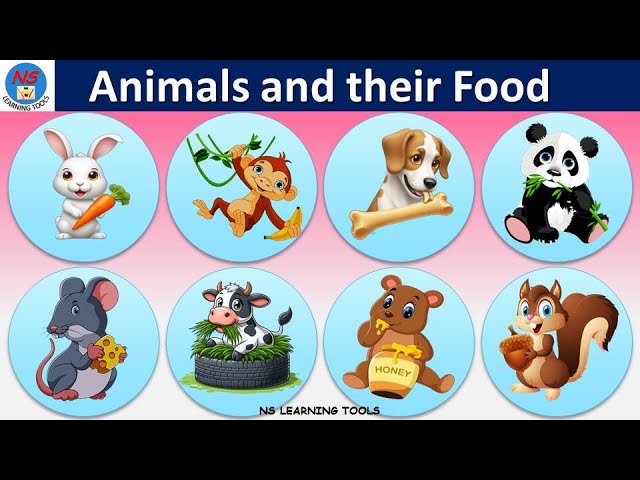
Animals eat plants, meat, insects, fungi, and more, shaped by habitat.
If you want a clear, human guide to the foods that animals eat, you’re in the right place. I blend hands-on experience with deep research to show what, how, and why animals choose their meals. We will explore the foods that animals eat across species and places, the science behind those choices, and simple tips you can use with your own pets.
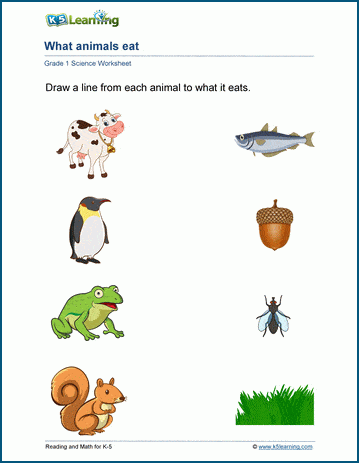
How animal diets are classified
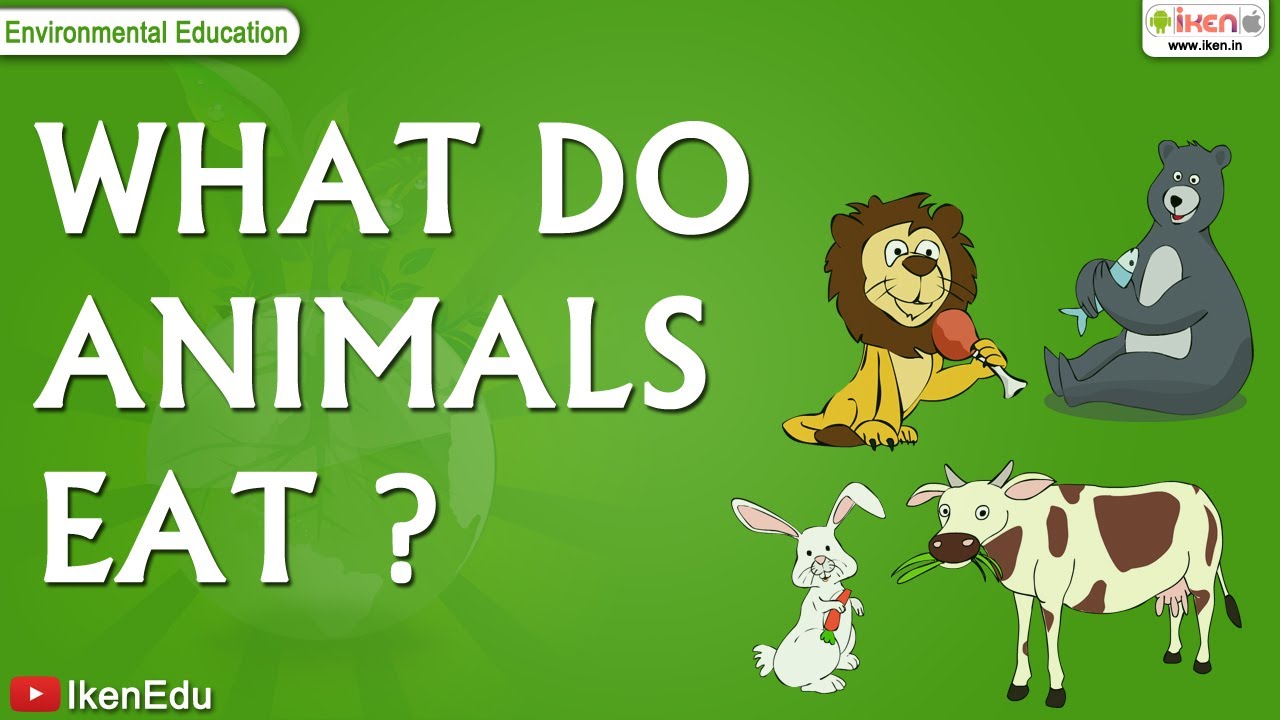
Animals eat in many ways, yet the big groups are simple. These groups help us see patterns in the foods that animals eat. They also show how bodies and teeth match the menu.
Herbivores
Herbivores eat plants. Think cows, rabbits, and giraffes. They graze, browse, or clip leaves and stems.
- Common foods: grasses, leaves, bark, seeds, fruit
- Traits: flat molars, long guts, rich gut microbes
Carnivores
Carnivores eat other animals. Lions, hawks, and spiders fit here. They hunt or scavenge.
- Common foods: meat, organs, bones
- Traits: sharp teeth or talons, short guts, strong stomach acid
Omnivores
Omnivores eat both plants and animals. Bears, pigs, and humans are classic cases. Diet shifts with season and place.
- Common foods: fruit, roots, eggs, insects, meat
- Traits: mixed teeth, flexible gut, broad foraging skills
Insectivores
Insectivores focus on bugs. Anteaters, many bats, and frogs thrive on them. These are protein-dense foods that animals eat.
- Common foods: ants, termites, beetles, moths
- Traits: sticky tongues, fine teeth, fast digestion
Piscivores
Piscivores eat fish. Think otters, seals, and many birds like ospreys.
- Common foods: fish, squid, crustaceans
- Traits: gripping beaks or teeth, sleek bodies for water
Frugivores and nectarivores
These animals love fruit or nectar. Fruit bats, toucans, and hummingbirds are examples.
- Common foods: ripe fruit, nectar, pollen
- Traits: brush tongues, light bones, fast energy use
Detritivores and scavengers
They clean the world. Vultures, crabs, and many insects eat dead stuff or waste.
- Common foods: carrion, decaying plants, dung
- Traits: tough guts, strong immunity
These groups overlap in wild life. The foods that animals eat shift with season, growth, and stress. I have seen deer nibble bird eggs in lean winters. Nature bends rules when it must.

What drives what animals eat
The foods that animals eat come from more than taste. Many forces shape each bite. Here are the big ones I see in the field and in research.
- Evolution and anatomy: Teeth, beaks, and guts set the menu. Sharp canines cut. Flat molars grind.
- Habitat and season: Food changes with rain, snow, and bloom. Bears chase berries in late summer.
- Risk and energy: A safe plant may beat a risky hunt. Animals pick the best gain per effort.
- Life stage: Babies and moms need more protein or fat. I have watched nesting birds double their insect take.
- Microbiome: Gut microbes help break fiber or chitin. This unlocks foods that animals eat that would be useless alone.
- Learning and culture: Young animals copy elders. Orcas teach hunt tricks. Urban foxes learn bin routes fast.
Field notes back this up. In a dry year, I saw raccoons raid mussels at night. That swap made sense. The river was low, and the payoff was high.

Diets by habitat with real examples
Place matters. The foods that animals eat depend on what grows, moves, or hides nearby. Here is a quick map by habitat.
Forests
- Deer: leaves, buds, acorns, mushrooms
– Woodpeckers: beetle larvae, ants, sap - Black bears: berries, nuts, grubs, carrion
Tip: In mast years, nut crops boost many species. More fat means better winter survival.
Grasslands and savannas
- Zebras and bison: grasses and sedges
- Lions and cheetahs: antelope, zebra, small game
- Meerkats: insects, small reptiles, eggs
Tip: Grazers track green waves of new grass. Predators track the grazers.
Deserts
- Camels: thorny shrubs, dry grasses
- Fennec foxes: insects, rodents, fruit
- Kangaroo rats: seeds, with water from food
Tip: Many desert animals get water from the foods that animals eat, not from streams.
Freshwater
- Beavers: bark, twigs, water plants
- Herons: fish, frogs, crayfish
- Turtles: algae, plants, snails, carrion
Tip: Flood cycles change menus fast. New shallows bring easy prey.
Oceans and coasts
- Humpback whales: krill and small fish
- Sea otters: urchins, crabs, clams
- Puffins: small fish like sand eels
Tip: Upwelling zones feed food webs. When currents shift, diets shift.
Cities and farms
- Pigeons: seeds, grain, food waste
- Raccoons: fruit, insects, trash, pet food
- Red foxes: rodents, birds, compost, fallen fruit
I have helped rehab urban gulls that ate hooks or plastic. The foods that animals eat in cities can be a trap. Secure bins and clean scraps can save lives.
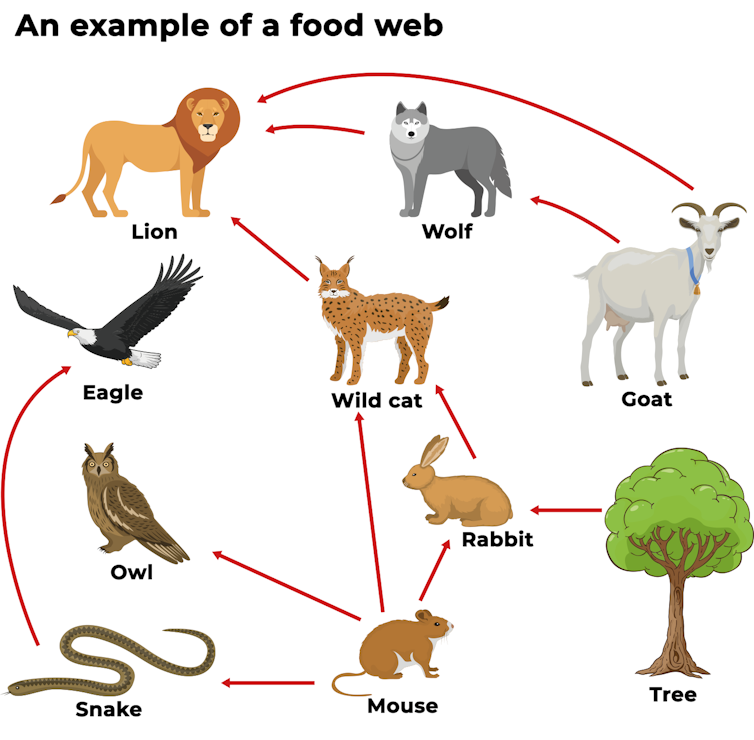
Nutrients and how animals digest them
The foods that animals eat give energy and parts to build bodies. But guts differ. That changes what fuel works best.
- Protein: builds muscle and enzymes. High in insects, fish, and meat. Growing young need more.
- Fat: dense energy. Crucial for cold, flight, and long swims. Marine foods are rich in omega-3 fats.
- Carbs and fiber: fuel and gut health. Plants give starch, sugars, and fiber. Ruminants turn fiber into energy with microbes.
- Vitamins and minerals: small but vital. Bones give calcium. Liver gives vitamin A. Fruits give C and antioxidants.
- Water: the most vital nutrient. Many animals get water inside their food.
Digestive styles:
- Hindgut fermenters like horses ferment fiber in the cecum. They eat often.
- Foregut fermenters like cows use a multi-chamber stomach. They chew cud and squeeze more energy from grass.
- Simple stomach carnivores digest fast. They need clean, rich prey.
- Birds have a crop and gizzard. Grit helps grind tough food.
I once toured a raptor center. They trim bone and offer whole prey in steps. This trains guts and beaks to handle real meals. It is a smart way to match food to design.

Practical tips for pet owners
When we pick foods that animals eat at home, we carry real duty. Pets rely on us to get it right. Here is what has worked for me and my clients.
- Cats: They are obligate carnivores. If you ask why your cat don't eat dry food, texture and smell may be the cause. Try fresh smells, warm water on wet food, and slow shifts.
- Dogs: Omnivore lean. Use a complete diet. Add safe extras like cooked veggies, sardines in water, or plain yogurt.
- Small herbivores: Rabbits and guinea pigs need hay first. Pellets are a small part. Fresh greens help, but avoid gas-forming mixes all at once.
- Fish: Species needs differ a lot. Match pellet size and type to mouth and gut. Vary with live or frozen treats.
- Birds: Many parrots need pellets plus fresh veg and some fruit. Seeds alone are not enough.
General rules:
- Change food slowly over 7 to 10 days.
- Watch body score, coat, energy, and stool.
- Use clean bowls and safe storage.
- Ask a vet for custom plans, not trends.
The best foods that animals eat at home are complete, safe, and loved by the animal. Taste matters. Trust your pet’s signals, and keep notes to track what works.

Ethics, ecology, and our impact
Our choices shape the foods that animals eat in the wild. This is true in yards, parks, farms, and seas.
- Habitat care: Plant native trees and flowers. This feeds insects and birds in real ways.
- Clean waste: Lock trash and fishing lines. Cut plastic loops. This keeps scavengers safe.
- Light and noise: Lower both at night. Many animals feed in the dark and need calm.
- Smart feeding: If you feed wildlife, do it right or do not do it. Wrong feeds can cause harm.
- Buy with care: Support seafood and farm goods from good sources. This helps whole food webs.
I have seen one small pond with native plants bring back dragonflies and swallows in weeks. The foods that animals eat can bloom again with simple steps.
Frequently Asked Questions of foods that animals eat
What are the main types of foods that animals eat?
Animals eat plants, animals, fungi, and detritus. Each species adapts to one or more of these based on body and habitat.
Why do some animals change diets with the seasons?
Food supply and needs change over time. Many animals switch to what is safe, rich, and close during each season.
Are insects a good food for many animals?
Yes. Insects are rich in protein, fat, and micronutrients. They are key foods that animals eat in many food webs.
Do all carnivores eat only meat?
No. Some carnivores will eat fruit or grass at times. Diets can be flexible, even in meat-first species.
How do human cities change the foods that animals eat?
Cities add trash and crops, which shift diets. This can boost numbers but also raise risks like disease and injury.
Conclusion
The foods that animals eat tell a clear story about bodies, places, and change. From grass to krill to insects, each bite connects to survival and balance. When we learn this, we care better for pets and for the wild.
Try one small step today. Plant one native shrub, secure your trash, or adjust your pet’s bowl with care. If this guide helped, subscribe for more simple, science-based tips, or leave a comment with your questions.

Leave a Reply