A food stuffed animal is a plush toy shaped like favorite foods.
I’ve tested and collected food stuffed animal designs for years, from tiny sushi plush to giant avocado pillows. In this guide, you will learn what a food stuffed animal is, why people love them, how to choose a safe and durable one, how to clean and store it, and where to buy with confidence. If you want clear tips, expert insights, and friendly advice, you are in the right place.
What Is a Food Stuffed Animal?
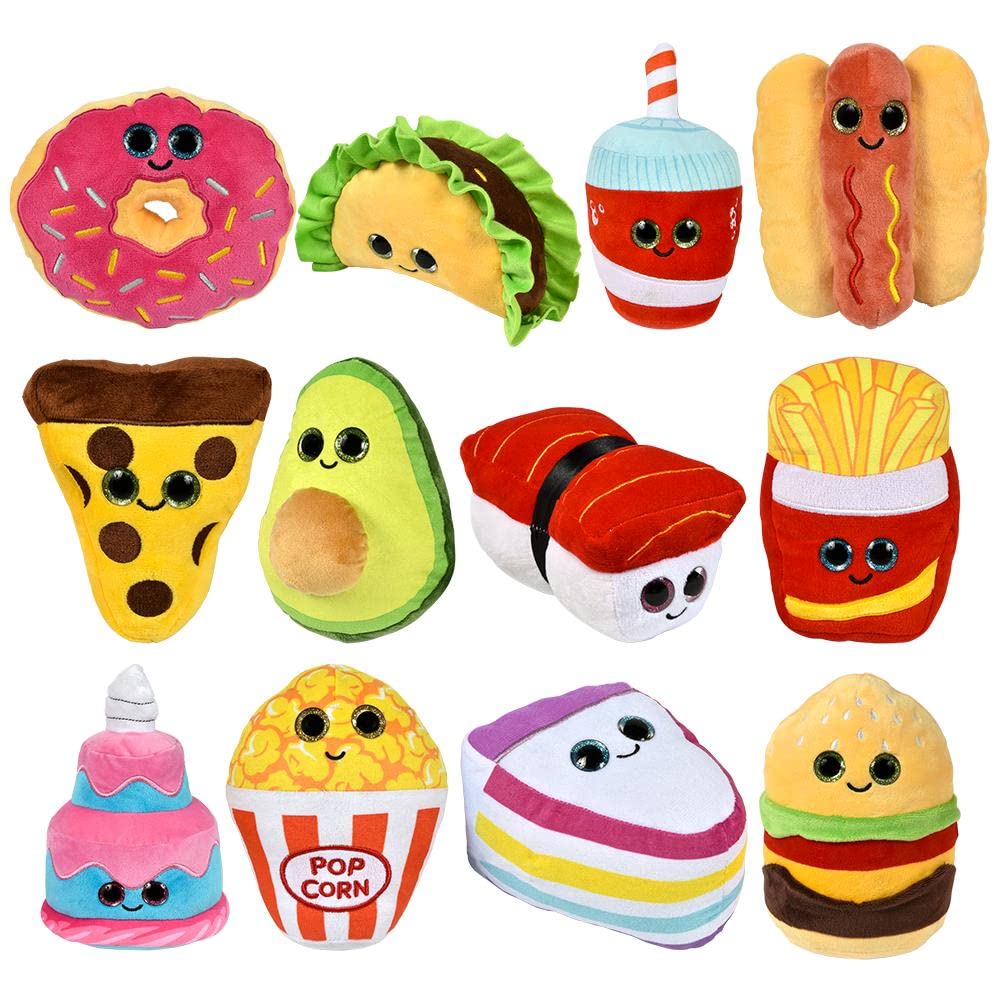
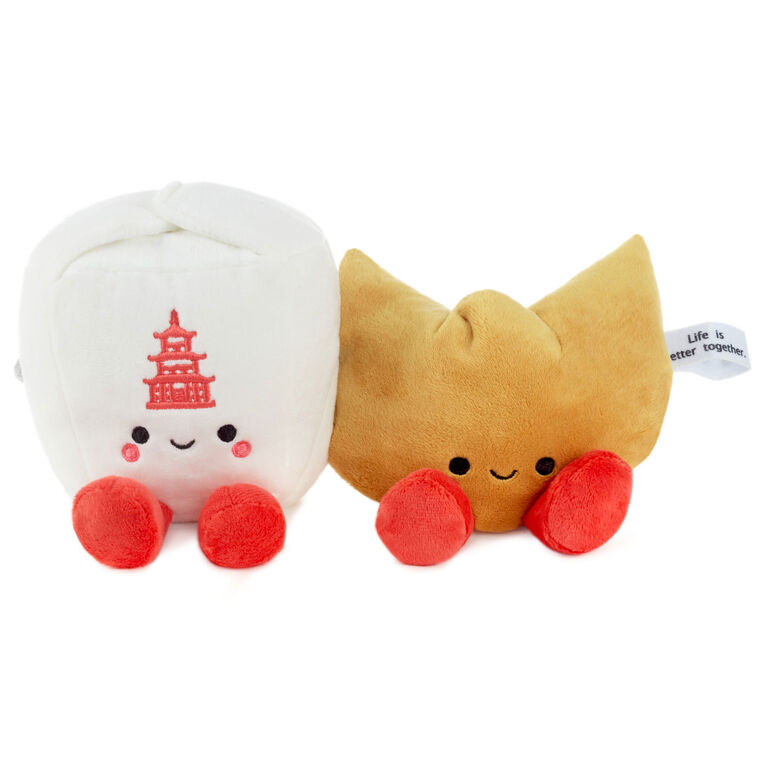
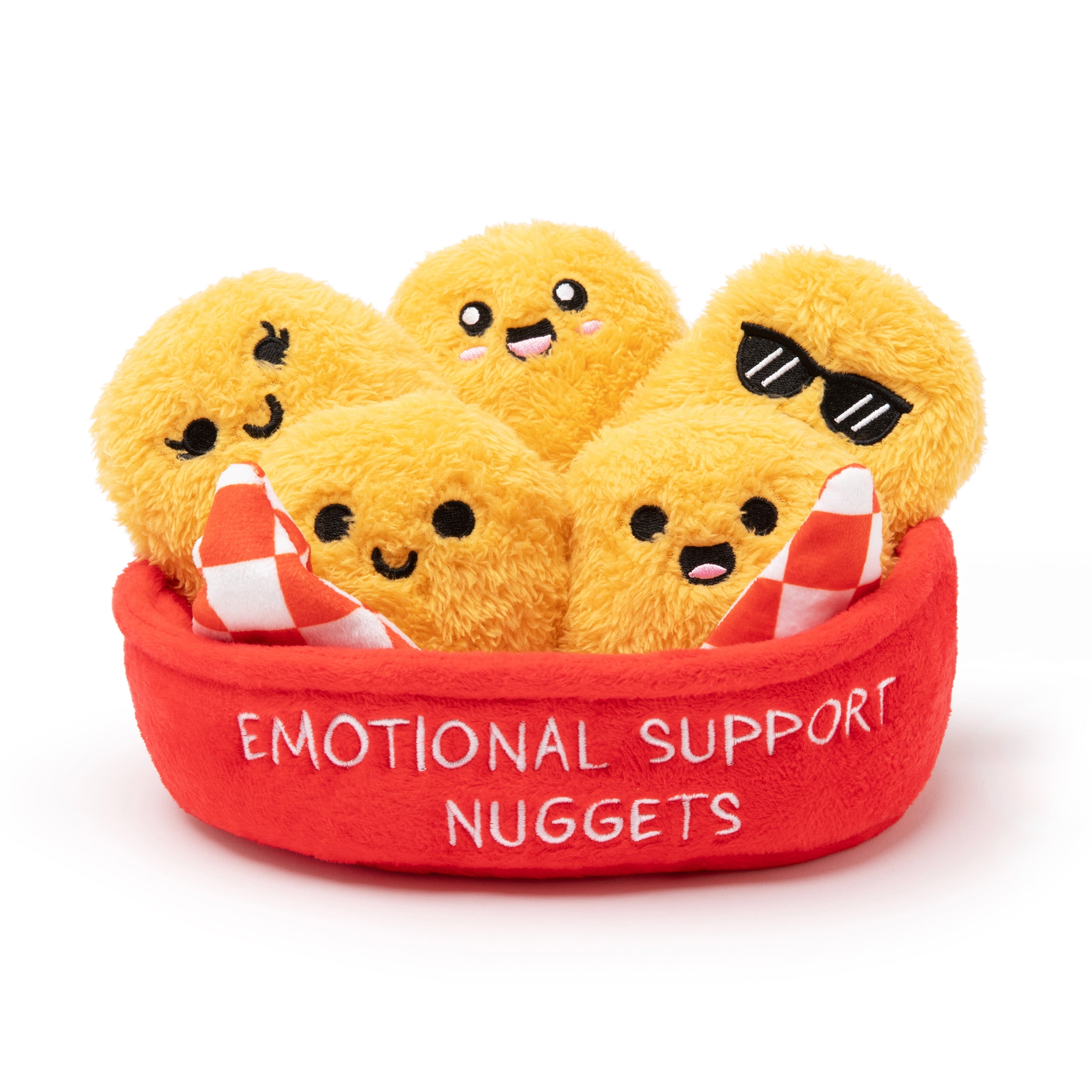
A food stuffed animal is a soft plush toy that looks like food. Think pizza slices with smiles, squishy dumplings, or a happy boba cup. It blends comfort with playful design.
This trend grew from kawaii culture, cozy gaming setups, and decor on social media. Many brands now release themed lines each season. You can find a food stuffed animal for almost any taste, from ramen to blueberries.
Most food plush use polyester fabric and fiberfill. Some add beans for weight. Safer models use embroidered eyes instead of plastic parts. Reputable toys follow rules like ASTM F963, CPSIA, and EN71. Check the tag to be sure.
A food stuffed animal is not the same as a slow-rising squishy. Squishies are foam and are more for fidget play. Plush is soft fabric and stuffing. It is better for hugs and long play.
Why People Love Food Plush
A food stuffed animal is comfort you can hold. It makes a couch or bed feel warm and fun. Parents tell me their kids reach for plush fruit when they feel shy or stressed.
It also helps with pretend play. A child can run a make-believe cafe or picnic. This supports language and creativity.
Adults love them too. A food stuffed animal adds joy to a desk or reading nook. It can be a cute prop for photos or streaming. I keep a small croissant plush near my keyboard. It makes tough days softer.
Materials, Safety, and Quality Checklist
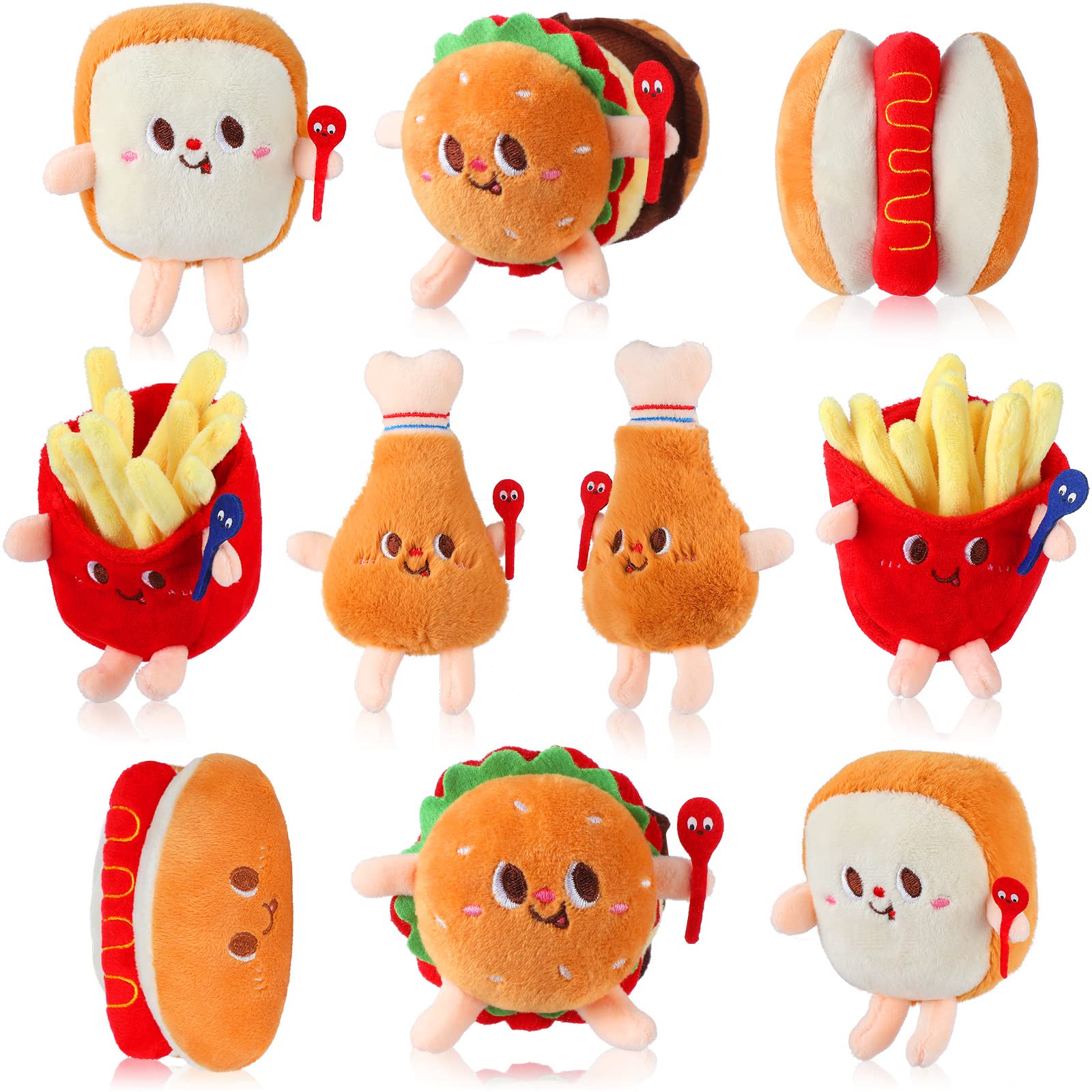
When you shop for a food stuffed animal, look at the build first. Good fabric feels soft and does not shed. Seams should be tight and even. The plush should spring back after a squeeze.
Use this quick checklist:
- Fabric type. Look for minky or velour polyester. OEKO-TEX labels are a plus.
- Filling. High-quality polyester fill or recycled PET holds shape well.
- Eyes and details. Embroidery is safer than hard plastic for young kids.
- Labels. Check for ASTM F963, CPSIA, or EN71 on the tag.
- Age grade. Under 3 years needs extra care. Avoid loose parts.
- Washability. Machine washable is ideal. A mesh bag helps protect seams.
- Dyes. Colors should not bleed. Rub with a damp white cloth to test.
If a food stuffed animal has a chemical smell, air it out first. If the smell stays, skip it. Safety and comfort come first.

How to Choose the Right Food Stuffed Animal
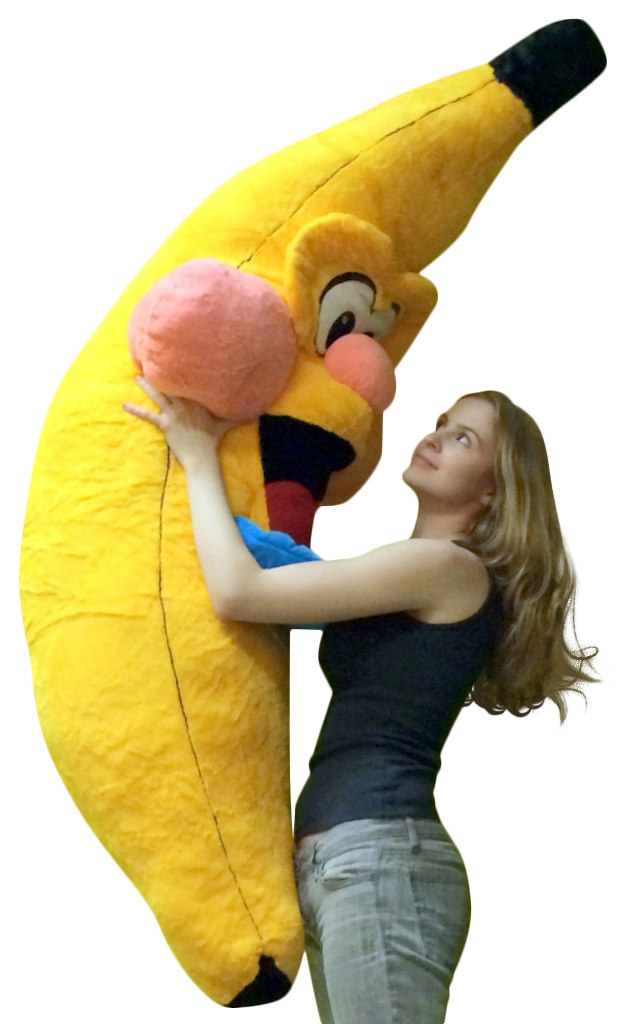
Size matters. Mini plush at 4 to 6 inches are great for bags and rewards. Medium plush at 8 to 12 inches make solid gifts. Jumbo plush above 20 inches work well as body pillows.
Think about firmness. Some people like floppy plush for hugs. Others want a firmer food stuffed animal for support on the couch. If you buy online, read reviews for clues about feel.
Match the theme to the person. Pizza and fries are playful. Fruit and veggie plush can support healthy food talk. A sushi food stuffed animal fits a foodie or traveler.
Set a budget. You can find quality from $10 to $60. Limited editions can cost more. Buy from trusted stores to avoid fakes.

Care, Cleaning, and Storage
A clean food stuffed animal lasts longer. Most can go in the washer on gentle. Use cold water and mild soap. Put it in a mesh bag to protect seams.
Air dry flat or hang dry. If you use a dryer, set it on low with a few clean towels. A quick brush with a soft clothes brush will fluff the fur.
For spot stains, dab with a mix of water and gentle detergent. Avoid bleach. For odors, sprinkle baking soda, wait 15 minutes, then shake it off.
Store plush in a cool, dry place. Use breathable bins. Keep away from direct sun to avoid fading. If pets love plush, store the collection on higher shelves.
Creative Ways to Use a Food Stuffed Animal
You can use a food stuffed animal for learning games. Sort by color, shape, or food groups. Practice counting with a set of donut plush.
Therapists use food plush to build comfort and social skills. A calm plush partner can help a shy child speak up. I have used a plush mango to help kids name feelings.
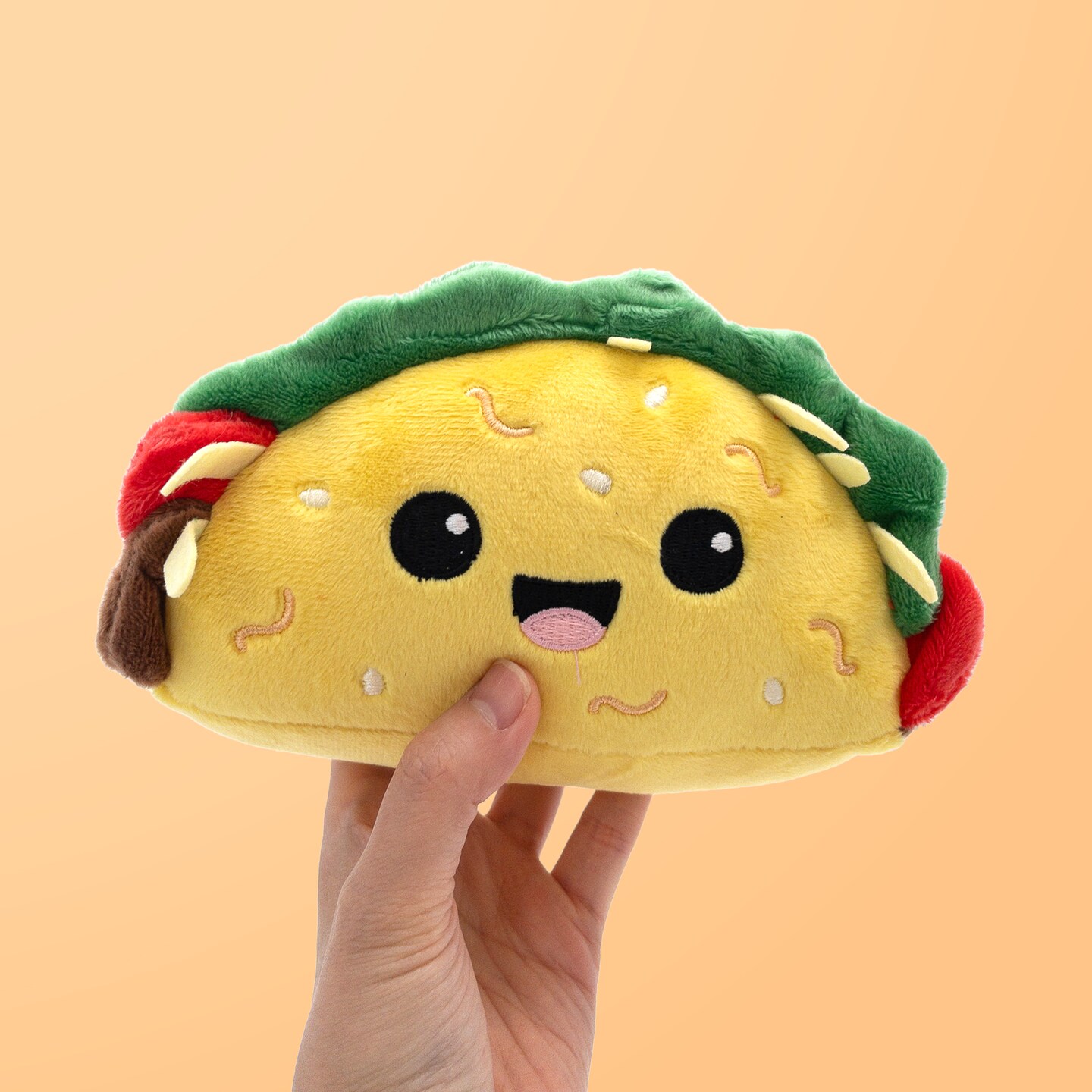
Use them for parties and photos. A donut wall of plush looks great on camera. A boba plush makes a fun streamer backdrop. In the office, a tiny taco plush can be a stress buddy.

DIY and Customization Tips
You can make a simple no-sew taco food stuffed animal with felt. Cut two circles, add felt toppings, glue edges, and stuff lightly. It is a fun craft for kids with adult help.
Want a personal touch? Add a small name patch or embroidery. Use safety eyes only for displays. For small kids, stick with sewn details.
Some people add a light scent to a food stuffed animal with a sachet in a pocket. Keep scents mild and away from very young children. Always test for skin sensitivity.
Best Places to Buy and What to Watch Out For
Buy from official brand stores, toy shops, and known online marketplaces. Artisan makers also sell unique food stuffed animal designs. Conventions and pop-ups can have limited items.
Watch for red flags. Very low prices, missing tags, or blurry photos suggest knockoffs. Read reviews that mention fabric feel, seam strength, and wash results.
Ask the seller about size, fill, and safety labels. Good sellers reply fast and with detail. If the listing is vague, move on.
Sustainability and Ethics
Choose a food stuffed animal with recycled fill when you can. Some brands use recycled PET bottles. Others use fabrics tested for harmful substances.
Look for makers that report factory audits and fair pay programs. Many list third-party checks like BSCI or WRAP. Clear supply chain info builds trust.
Care and repair extend life. Mend small seam splits early. When you are ready to part with a plush, donate it if it is clean and safe. Keep textiles out of landfills when possible.
Price Guide and Value
Expect $10 to $20 for minis, $20 to $40 for standard sizes, and $40 to $100 for jumbo. Limited runs and licensed items cost more. Signature art pieces can be higher.
A rare food stuffed animal can hold value if kept clean with tags. Store the tag in a sleeve to avoid bends. Take clear photos if you plan to resell.
Value is also about joy. Pick the food stuffed animal that makes you smile. A happy daily moment is worth a lot.
Frequently Asked Questions of food stuffed animal
What age is best for a food stuffed animal?
Most food plush are fine for ages 3 and up. For toddlers, choose models with embroidered faces and no small parts.
How do I wash a food stuffed animal without damage?
Use a gentle cycle, cold water, and a mesh bag. Air dry flat, then fluff with a soft brush.
Are scented food plush safe for kids?
Use caution with scents around young children and those with allergies. Choose mild, fabric-safe scents or skip them.
How can I tell if a plush meets safety standards?
Check the label for ASTM F963, CPSIA, or EN71. Buy from reputable stores and ask the seller if the listing is unclear.
What is the difference between a plush and a squishy?
A plush uses fabric and fiberfill and is made for hugs. A squishy is foam and is mainly for fidget play.
Can a food stuffed animal help picky eaters?
It can help start kind, low-pressure food talk. Use plush fruit and veggies in pretend play to build interest.
How do I fix a loose seam on a plush?
Use a ladder stitch with strong polyester thread. Small repairs now prevent larger tears later.
Conclusion
A food stuffed animal is more than a cute toy. It is comfort, play, style, and a small joy you can hold. With smart picks on safety, size, and care, your plush will last and stay loved.
Start with one design that speaks to you, like a cheerful dumpling or a cozy avocado. Use the tips here to buy well, clean with care, and enjoy every hug. If this helped, subscribe for more guides, or share your favorite food stuffed animal in the comments.

Leave a Reply