
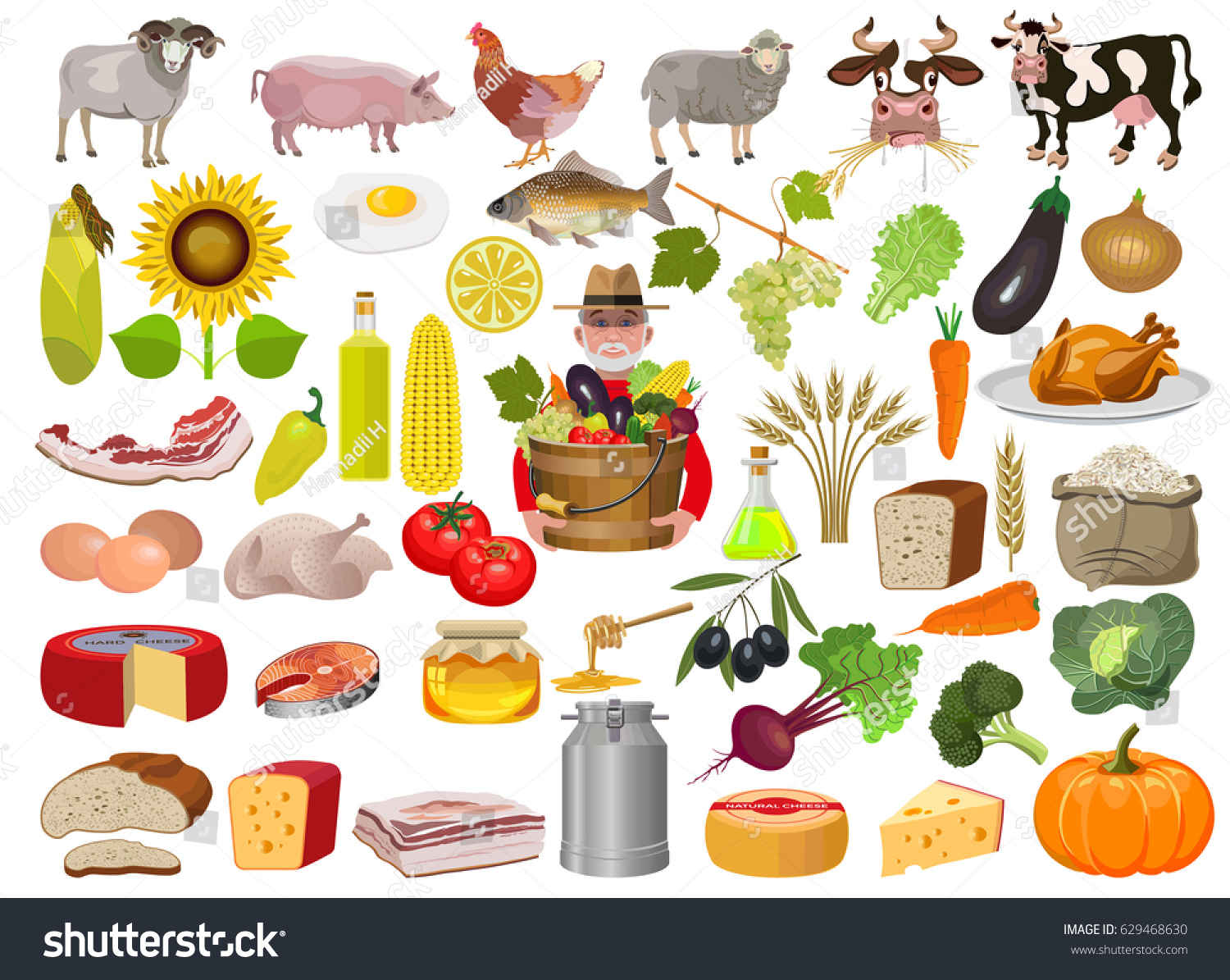
Balanced forage, grains, protein, minerals, vitamins, and clean water fuel healthy livestock.
If you want healthy animals and steady growth, the right food matters. I have fed cattle, poultry, pigs, sheep, and goats in all seasons. This guide breaks down food for farm animals in plain words. You will learn what to feed, how much, and when. You will also see mistakes to avoid, and tips that save money.

The core of nutrition: what animals need most
Food for farm animals must cover energy, protein, fiber, vitamins, minerals, and water. These parts work like gears in a simple machine. Miss one, and the whole plan slips.
Start with dry matter. That is feed without water. Aim for enough dry matter to meet daily needs. Animals eat to meet energy first. Then protein and the rest follow.
Ruminants have a rumen full of microbes. They turn fiber into energy and protein. Pigs and poultry are simple stomach animals. They need easy to digest grains and quality protein. Horses need steady fiber to keep the gut moving.
Water is the top nutrient. Feed works only if water is clean and fresh. Test water if you see odd intake, smell, or stains.

Food for farm animals by species
Cattle and dairy cows
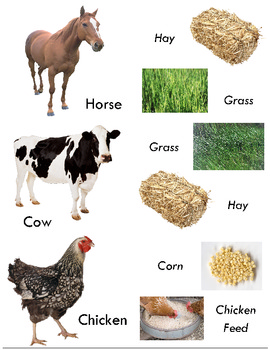
Feed mostly forage. Good pasture, hay, or silage should be the base. Add grain for cows in milk or fast growth. Balance with a mineral mix that matches your forage.
Watch manure. Loose means too much grain. Firm and stacked can mean too much fiber. I raise the forage quality before I raise grain for dairy cows.
Sheep and goats
They love browse and mixed pasture. Keep fiber in the diet. High grain can cause acidosis. Use a loose mineral mix with extra copper for goats. Keep copper low for sheep.
I learned to split twins early if the ewe is thin. A small bump in energy and protein helps milk.
Pigs
Pigs need energy from grains and quality protein. Use soybean meal or other plant meals. Balance lysine, methionine, and threonine. Keep salt and minerals on point. Do not feed moldy corn. Mycotoxins hit pigs hard.
Offer small, frequent meals for young pigs. They grow fast with steady intake.
Chickens and other poultry
Use a complete ration for stage and type. Starter, grower, and layer feeds are not the same. Layers need more calcium. Offer oyster shell free choice. Provide grit if they eat whole grains or pasture.
I switch flocks to a layer feed at the first egg. Egg shells get stronger in days.
Horses
Horses need long stem fiber most of the day. Good grass hay is safe. Alfalfa can be rich, so mix it. Add grain only if needed for work or body score. Keep meals small to reduce colic risk.
Rabbits and small stock
Offer grass hay at all times. Add a simple pellet and fresh water. Avoid high sugar treats. Balance fiber to prevent gut issues.
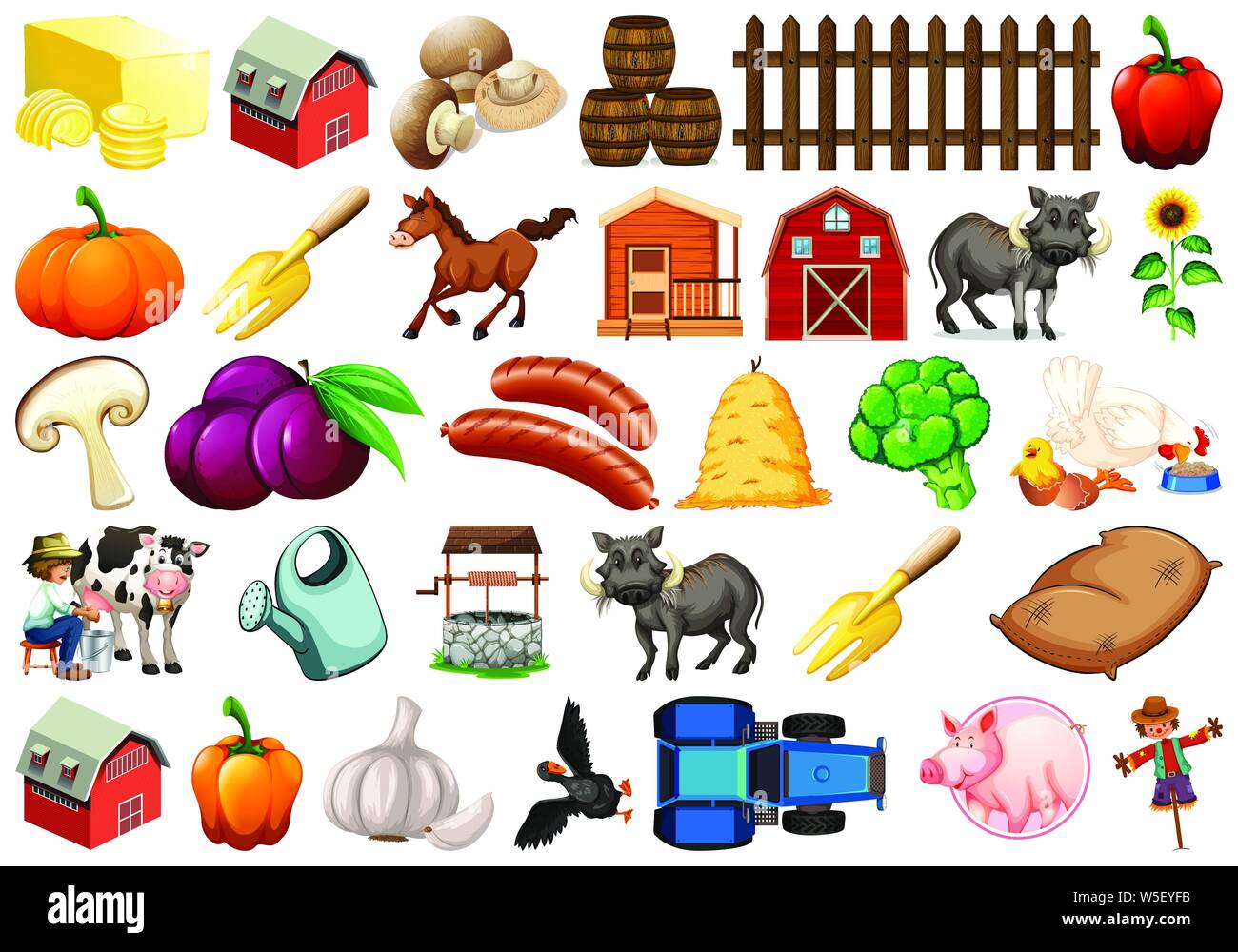
Forage, pasture, and hay: the foundation
Great forage lowers feed costs and boosts health. Aim for leafy grass and mixed legumes. Clover and alfalfa raise protein and calcium. Cut hay at early bloom for best value.
Simple checks help. Look for bright color, sweet smell, and soft stems. Avoid dust and mold. Rotate grazing to rest plants and prevent parasites. Move animals when grass is 3 to 4 inches left.
If you feed silage, pack it tight and seal well. Air is the enemy. Test forage each season. Then match grain and minerals to fill the gaps.

Concentrates, byproducts, and supplements
Grains like corn, barley, and wheat give energy. Oilseed meals like soybean and canola give protein. Byproducts can save money. DDGS, beet pulp, and brewer’s grains can work well when tested and balanced.
Use minerals and vitamins with care. Salt should be free choice. Match mineral mixes to species and forage. Cattle may need extra magnesium in lush spring grass. Layers need calcium. Goats need copper. Horses need steady salt and trace minerals.
Additives can help in some cases. Yeast, buffers, and enzymes can support gut health. Use them when a clear need exists. Track results and stop if no gain.
Water and feeding management
Animals drink a lot more than you think. As a guide per day:
- Cattle drink 10 to 30 gallons, more in heat.
- Dairy cows drink 4 to 5 pounds of water per pound of milk.
- Horses drink 5 to 15 gallons.
- Sheep and goats drink 1 to 3 gallons.
- Pigs drink 1 to 6 gallons.
- Chickens drink 0.1 to 0.2 gallons each.
Keep water tanks clean. Scrub algae and slime. Check flow and freeze points. In summer, shade troughs. In winter, use heaters or break ice often.
Feeding space matters. Give enough bunk or feeder room to cut stress. Small groups eat better than large crowded pens.
Life stage and goal based feeding
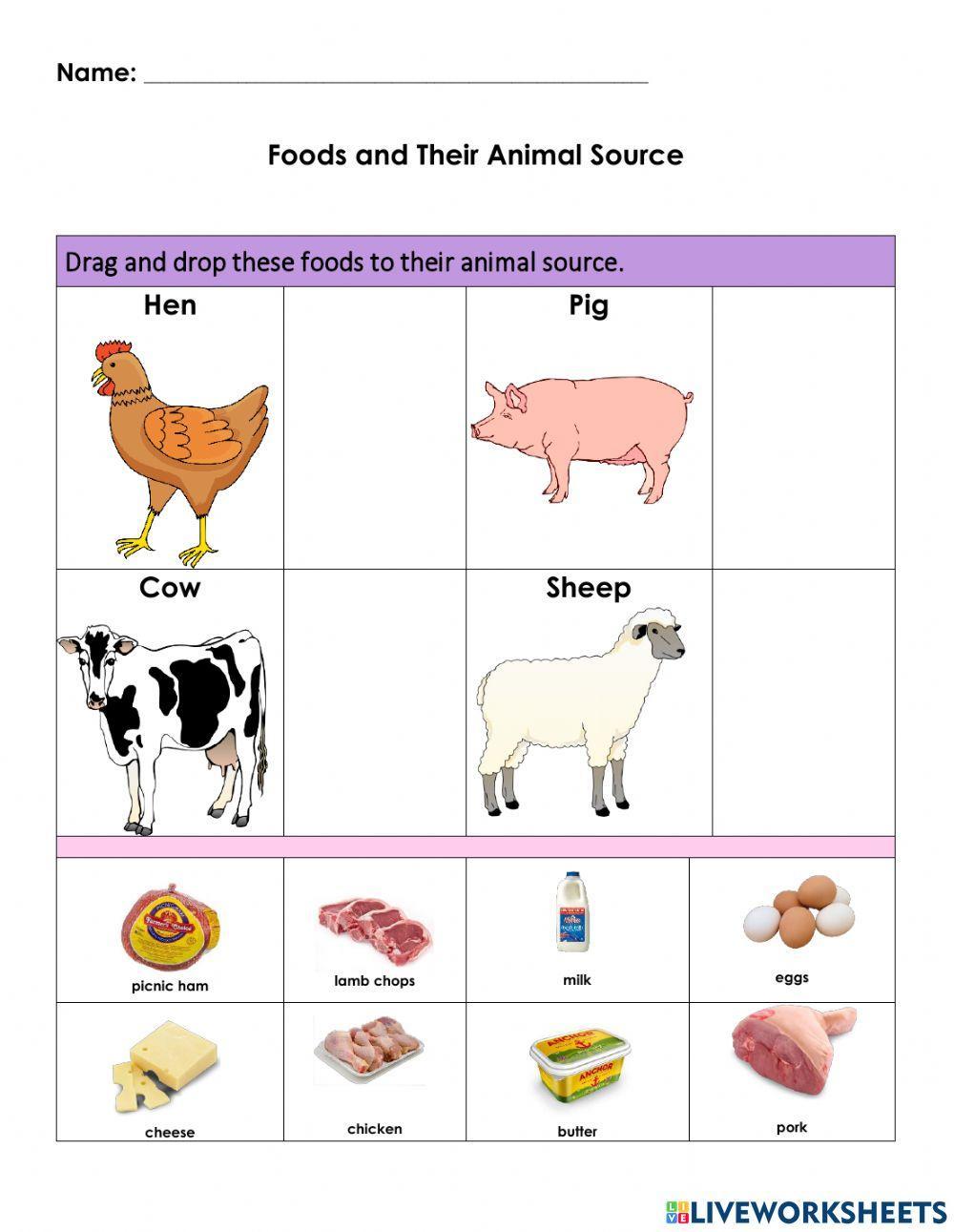
Food for farm animals should change with life stage and goal. One mix does not fit all.
- Growth needs more protein and balanced minerals. Keep energy steady to avoid fat or stunted growth.
- Late pregnancy needs energy and trace minerals. Avoid overfeeding, which can cause hard births.
- Lactation needs high energy and protein. Add calcium support for layers and dairy.
- Finishing needs dense energy but watch gut health. Raise fiber a bit to keep manure right.
- Maintenance needs enough to hold body score. Do not starve or overfeed.
I track body condition monthly. I adjust feed before big swings show.

Seasonal and climate strategies
Heat cuts intake. Offer shade, cool water, and feed in cool hours. Add electrolytes if needed. Raise fiber a bit and lower fast starch to help the rumen.
Cold raises intake. Give more energy, not just more bulk. Protect ears and teats in wet winds. Keep bedding dry so feed goes to gain, not heat loss.
Drought shrinks pasture value. Test hay and plan early. Use drought plans with sacrifice paddocks. Mud hurts feet and feed use, so add pads and scrape lanes.
Safe storage, biosecurity, and mycotoxins
Store feed off the floor and away from walls. Use pallets and tight bins. Keep rodents and birds out. They spread disease and waste feed.
Watch for mold and off smells. Aflatoxin and other toxins can harm pigs, poultry, and calves fast. Test suspect lots. Dilute or discard bad feed. Do not risk a herd to save a load.
Change diets slowly. Take 7 to 14 days to move from one mix to the next. Slow steps save guts and time.
Cost smart feeding without losing gains
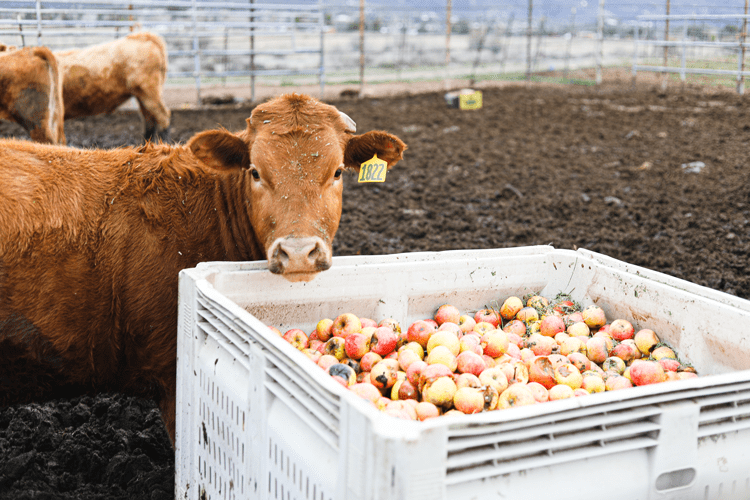
Food for farm animals can be affordable and sound. Start with a forage test. Then do a simple ration balance. Buy in bulk, split with neighbors, and lock in prices when fair.
Use local byproducts if they are clean and tested. Track feed waste. Fix leaky water lines and messy bunks. Small leaks cost big money.
I cut feed costs by 12 percent one winter. The trick was better hay and less spoilage. The herd held weight, and milk stayed steady.
Sample rations and daily menus
Here are simple, field tested menus. Adjust for weight, stage, and local feeds.
-
Dairy cow early lactation
- High quality alfalfa grass hay or silage ad lib
- 12 to 18 pounds grain mix with 16 to 18 percent crude protein
- Free choice salt and mineral with added magnesium
- Clean water at all times
-
Beef steer finishing
- 60 percent cracked corn
- 20 percent silage
- 20 percent hay
- Mineral with ionophore if allowed
-
Ewe late gestation with twins
- Good grass hay free choice
- 1 to 1.5 pounds grain with 14 to 16 percent protein
- Sheep safe mineral low in copper
-
Goat doe in milk
- Mixed pasture or hay free choice
- 1 to 2 pounds dairy goat grain per day
- Goat mineral with copper
-
Broiler chickens weeks 1 to 6
- Complete broiler starter to finisher feed
- Clean water, grit if whole grains added
- Light managed for steady intake
-
Laying hens
- Complete layer feed at 16 percent protein
- Oyster shell free choice
- Kitchen greens in small amounts
-
Pleasure horse at maintenance
- Good grass hay at 1.5 to 2 percent of body weight
- Small vitamin mineral balancer
- Add grain only if body score drops
Troubleshooting with body signs and behavior
Food for farm animals should show in calm, bright animals. If not, look closer.
- Low body score means low energy or poor teeth. Check parasites too.
- Dull hair or feathers can mean low protein, minerals, or parasites.
- Loose manure often means too much grain or sudden diet change.
- Wood chewing and cribbing can mean low fiber or boredom.
- Feather pecking often means low protein, low space, or stress.
- Off feed in heat can mean warm water or poor airflow.
Keep a simple log. Small notes make fast fixes later.
Sustainable and ethical feeding choices
Good food for farm animals can also be kind to land. Grow diverse pasture. Mix grasses, legumes, and deep roots. Rotate well to store carbon and boost soil.
Source feed with care. Pick local when you can. Use certified inputs if they fit your values. Reduce waste with better storage and exact feeding. Healthy animals use less medicine and live with less stress.
I moved to more pasture and better hay timing. I saw calmer stock, fewer vet calls, and lower feed bills.
Frequently Asked Questions of food for farm animals
What is the best food for farm animals overall?
A forage based diet with balanced grain, protein, minerals, vitamins, and clean water is best. Test forage and adjust the rest to match.
How often should I feed different species?
Ruminants do well with free choice forage and set grain times. Pigs and poultry eat best with consistent daily schedules.
Can kitchen scraps replace feed?
Small amounts are fine for chickens and pigs. Do not rely on scraps, and avoid salty, moldy, or spoiled food.
How do I know if my ration is balanced?
Check body condition, manure, coat, milk, and growth. A forage test and a simple ration tool help confirm.
What minerals do animals need most?
All need salt and trace minerals. Species and forage type decide the right mix of calcium, phosphorus, magnesium, copper, and selenium.
Is organic feed better?
It depends on your goals. Quality and balance matter most, whether organic or not.
How fast can I change a diet?
Take 7 to 14 days to shift blends. Slow changes protect the gut and reduce stress.
Conclusion
Feeding right is not fancy, but it is precise. Start with strong forage. Balance energy, protein, minerals, vitamins, and fresh water. Watch your animals and your records. Food for farm animals should fit the season, the stage, and your land.
Make one upgrade this week. Test hay, clean waterers, or fix bunk space. Your herd will show you the gain. Want more guides like this? Subscribe, ask a question, or share your own tips.

Leave a Reply