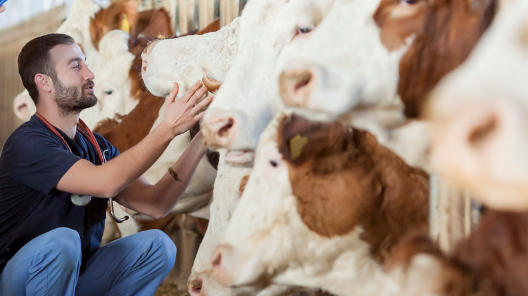
A food animal veterinarian protects herd health and secures your food supply.
If you raise cattle, pigs, poultry, sheep, or goats, the right food animal veterinarian is your most valuable partner. I’ve spent years working alongside these vets across beef ranches, dairy barns, swine units, and poultry houses. In this guide, I’ll break down how a food animal veterinarian keeps animals healthy, boosts farm profit, and guards public health—using clear steps, real stories, and proven methods.

What a food animal veterinarian does
A food animal veterinarian focuses on animals raised for meat, milk, and eggs. Their work blends animal care, business insight, and public health. The goal is simple: healthy animals, safe food, and a sustainable farm.
Key areas they cover include:
- Herd health planning to prevent problems before they start
- Diagnosis and treatment for illness, injury, and emergencies
- Reproduction and fertility management to improve calving and farrowing
- Vaccination, deworming, and biosecurity to control disease
- Welfare, handling, and housing advice
- Food safety guidance and records for audits and compliance
A skilled food animal veterinarian thinks in systems. One change in feed, bedding, or flow can affect health, growth, and your bottom line. Their value shows up in fewer sick days, better gains, and smoother audits.

A day in the life: field work that matters
Most days start early. The truck is a mobile clinic. There are pregnancy checks at dawn, a lame cow at noon, and a biosecurity review after lunch.
A short story: one winter morning, I rode along with a food animal veterinarian to a hard calving. Calm handling, clean tools, and a plan saved both cow and calf. Later, we updated the calving protocol to cut future risks. Small steps, big gains.
You’ll see your food animal veterinarian do more than treat. They ask about pen density, bunk space, drafts, and water flow. They look at the whole picture, not just one animal.
Education, licensing, and core skills
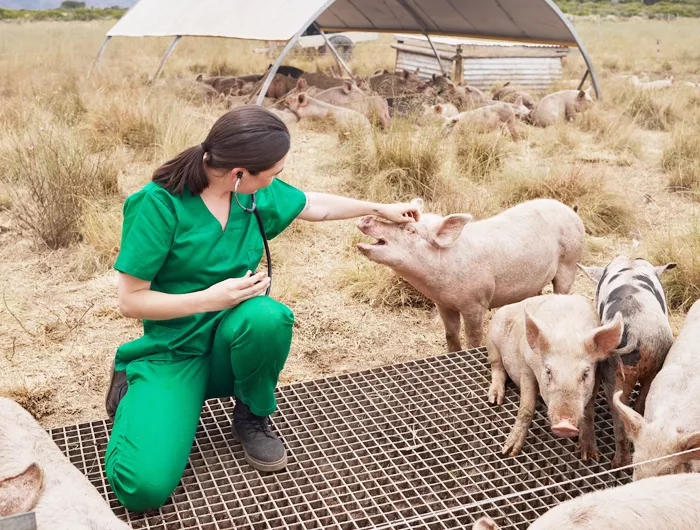
A food animal veterinarian completes a veterinary degree and passes licensing exams. Many add training in cattle, swine, or poultry. Some hold certifications in preventive medicine or epidemiology.
Skills that set them apart:
- Low-stress animal handling and calm decision-making
- Data literacy for records, software, and benchmarks
- Communication that turns science into simple steps
- Field surgery, obstetrics, and fluid therapy
- Biosecurity planning and outbreak response
If you farm, ask your food animal veterinarian about their training and focus. Fit matters.
Preventive medicine and herd health programs
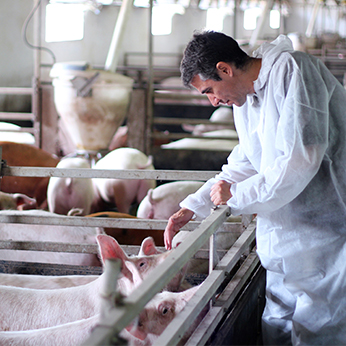
Prevention is the best money you will spend. A food animal veterinarian will build a written herd plan with you. This starts with a valid VCPR, which means a real working relationship and regular visits.
Core parts of a strong plan:
- Vaccines matched to local disease risk and your goals
- Parasite control based on fecal counts and seasons
- Biosecurity steps for new arrivals, trucks, and visitors
- Nutrition checks with a nutritionist to keep rumens and guts healthy
- Calf and piglet protocols for colostrum, drying, navel care, and iron
- Clear SOPs and training for staff
In my field visits, simple tweaks make big wins. A second waterer, better bedding, or a new sick-pen flow can lift health fast. Your food animal veterinarian will spot these early.
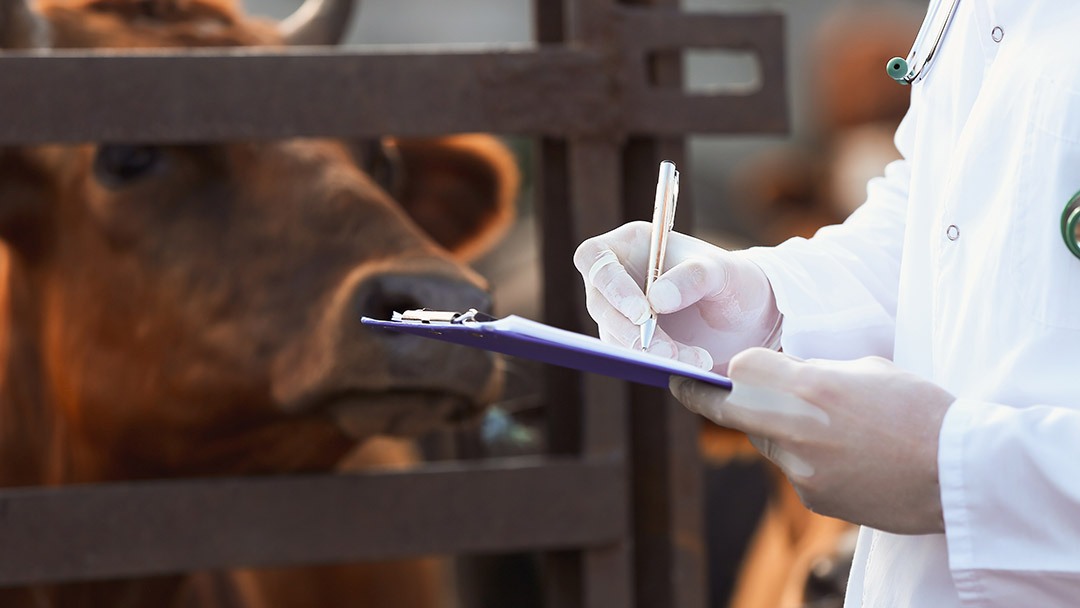
Reproduction, nutrition, and performance
Fertility drives profit. A food animal veterinarian tracks heat, confirms pregnancies, and reviews losses. They guide AI timing, bull or boar soundness, and farrowing or calving room set-up.
Areas they improve:
- Repro: heat detection, preg checks, culling rules, and calving or farrowing SOPs
- Nutrition: transition cow plans, bunk management, and feed hygiene
- Growth: weaning and starter plans that protect gut health
- Comfort: space, ventilation, and footing to cut lameness and stress
A good food animal veterinarian brings data to the table. Conception rate, days open, and mortality trends become tools you can act on.
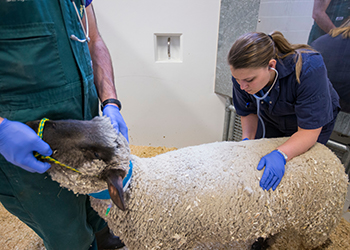
Disease control, antibiotics, and public health
Your food animal veterinarian helps prevent, find, and manage disease. They also guard food safety. This includes careful antibiotic use, clear withdrawal times, and residue risk control.
Proven steps they use:
- Herd-level diagnostics to find the real cause, not just the sign
- Antibiotic stewardship with narrow choices, short courses, and review
- Vaccines and hygiene to reduce drug need
- Zoonotic disease awareness to protect workers and families
- Records that stand up in audits and recall checks
I’ve seen farms cut antibiotics by focusing on colostrum quality, bedding, and air flow. The food animal veterinarian built a simple checklist. Sick rates dropped within weeks.
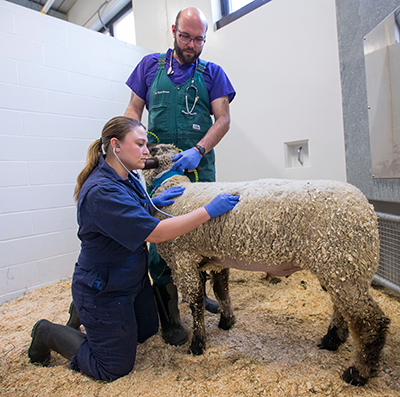
Tools and technology shaping the field
Modern tools help vets catch problems sooner and with less stress on animals. A food animal veterinarian will often use:
- Portable ultrasound for repro and lung checks
- On-farm labs for quick culture, fecals, and ketones
- Electronic ID and scales for growth and treatment records
- Sensors and activity tags for heat and health alerts
- Telemedicine for follow-ups and remote consults
- Data dashboards to track trends and spot red flags
When you share clean data, your food animal veterinarian can give targeted advice fast. Tech turns visits into results.
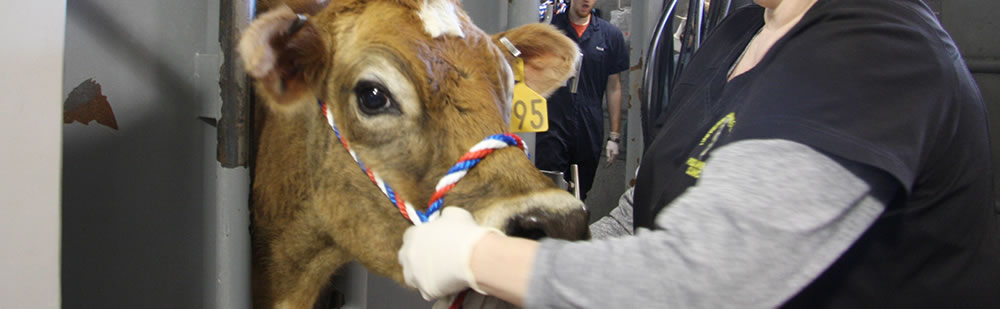
Costs, ROI, and working with your vet
Vet care is an investment. The best way to get ROI is to plan, not react. Ask your food animal veterinarian about service bundles, herd plans, and regular check-ins.
Ways to stretch your budget:
- Schedule routine herd checks to prevent crises
- Train staff to spot early signs and use SOPs
- Keep treatment logs and review them monthly
- Stock key supplies and maintain clean, safe pens
- Align goals with your vet: fewer deaths, better gains, cleaner audits
I’ve reviewed budgets where one fewer dead calf per pen paid for the whole herd plan. Prevention wins on paper and in the barn.
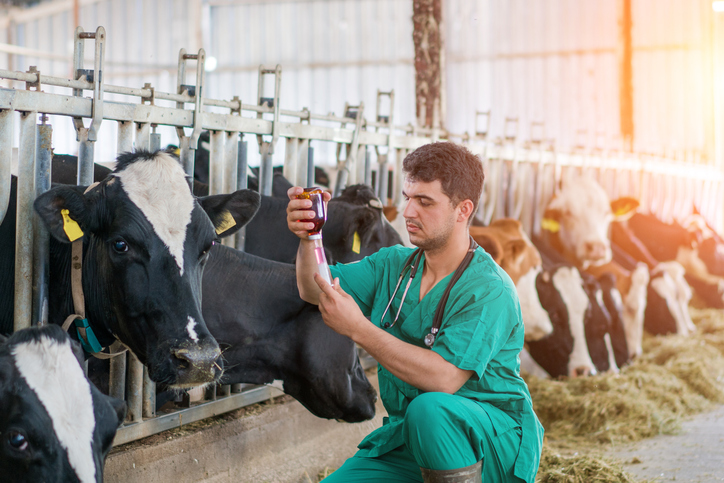
How to choose the right food animal veterinarian
The right fit depends on your species, size, and goals. Use this quick checklist:
- Species match and real herd experience
- Clear communication and simple, written SOPs
- Strong biosecurity and food safety knowledge
- Data skills and comfort with your software
- Emergency support and realistic response times
- A teamwork mindset with your staff and advisors
Meet on-farm before you commit. Walk pens together. A strong food animal veterinarian will listen first, then map next steps.
Career path and job outlook
Demand is steady, especially in rural areas. Many clinics need help for cattle, swine, and poultry. The work is hands-on and meaningful.
Paths include mixed practice, herd consulting, and industry roles. Some vets blend field work with data and training. A food animal veterinarian can grow toward leadership, research, or public health. If you love animals, farms, and people, this path can be a great fit.
Frequently Asked Questions of food animal veterinarian
What is a food animal veterinarian?
A food animal veterinarian is a vet who cares for livestock raised for meat, milk, or eggs. They protect animal health, farm profit, and food safety.
How often should a vet visit my herd?
Plan routine herd checks at least quarterly. High-risk seasons, like calving or weaning, may need more visits.
Do I need a VCPR for prescriptions?
Yes. A valid veterinarian-client-patient relationship is required for prescriptions and some medicated feeds. It also improves care quality.
How can I reduce antibiotic use on my farm?
Focus on prevention with vaccines, clean housing, and strong colostrum or starter plans. Work with your vet to set narrow, short-course protocols.
What records should I keep for audits?
Keep treatment, vaccine, feed, mortality, and movement records. Your food animal veterinarian can help set formats that pass audits.
What emergencies do vets handle most?
Common calls include difficult births, bloat, injuries, and severe scours or pneumonia. A clear emergency plan saves time and animals.
How does a vet help with welfare and handling?
They teach low-stress handling and review space, footing, and ventilation. Better welfare reduces injury, illness, and losses.
Conclusion
Healthy animals, safe food, and a strong farm all connect. A skilled food animal veterinarian brings the plan, the tools, and the calm focus you need. Start with a herd review, set simple SOPs, and track a few key numbers. Small steps now can unlock big gains this season.
Ready to go deeper? Reach out to your local food animal veterinarian, set a herd check, and make a one-page action plan. Subscribe for more practical guides, or leave a question and I’ll help you map next steps.

Leave a Reply