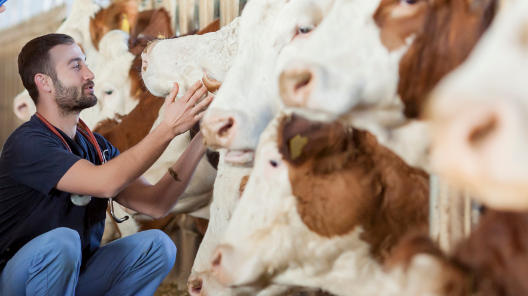
A food animal vet keeps herds healthy and our food supply safe.
I have worked side by side with ranchers and dairy teams for years. In this guide, I will walk you through what a food animal vet does, how we protect animal health and food safety, and how we help farms thrive. If you want clear, real-world insight on food animal vet care, you are in the right place.

What is a food animal vet?
A food animal vet is a licensed doctor for farm animals. We care for cattle, pigs, sheep, goats, poultry, and sometimes fish. Our job blends medicine, surgery, and herd health.
We protect animal welfare. We also guard food safety and public health. A food animal vet helps farms cut risk, boost gains, and keep costs in check.
We diagnose disease, treat sick animals, and set up herd plans. We coach teams and track results. This work is steady, hands-on, and vital to rural life.

Education, training, and licensing
Most vets complete a four-year degree before vet school. Vet school is four years. It leads to a DVM degree.
You must pass the NAVLE exam to get licensed. You also need a state license to practice. A food animal vet often seeks federal accreditation to do tests and write health papers.
Some vets do a one-year internship or a three-year residency. Board paths include food animal, dairy, swine, or preventive medicine. Ongoing training is part of the job, since science and rules keep changing.
Daily work and services provided
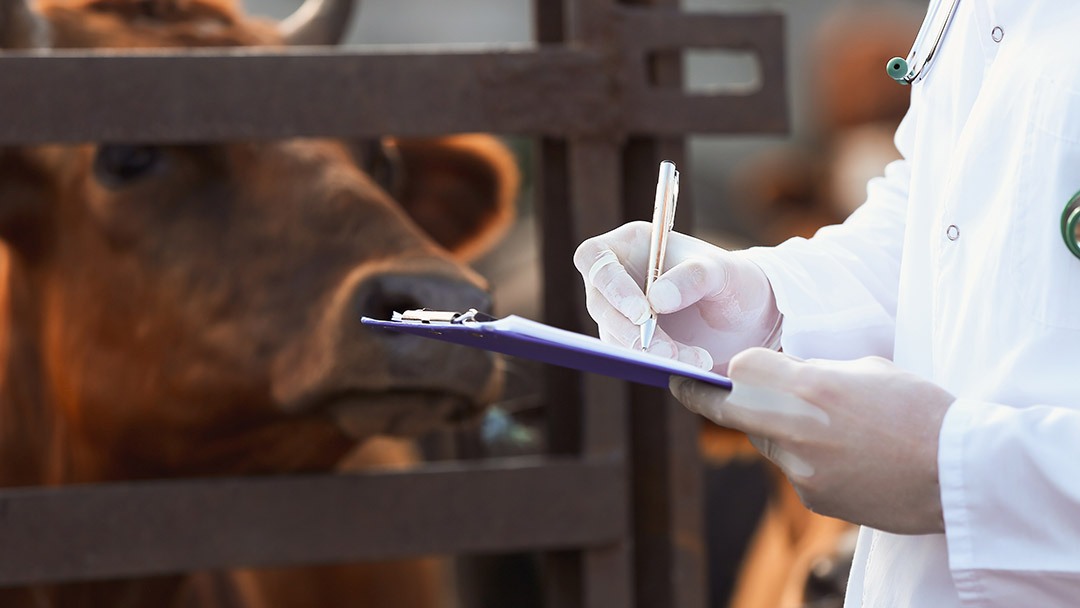
A food animal vet day can start at dawn. It may end late at night. Emergencies do not check the clock.
Common services include:
- Herd checks, pregnancy checks, and new heifer exams
- Vaccines, deworming, and health testing
- Calving help, C-sections, and prolapse care
- Lameness exams, hoof care, and pain control
- Mastitis control and milk quality plans
- Necropsies to learn why losses occur
- Records, reports, and staff training
I keep a mobile kit, ultrasound, and lab tools in my truck. A food animal vet brings the clinic to the farm.
Herd health management and biosecurity
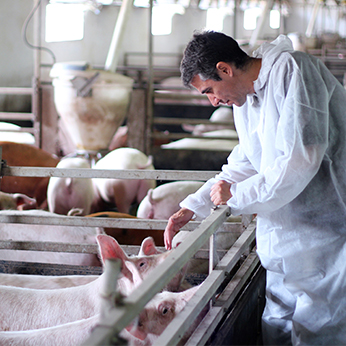
Herd health is the core of the job. We use data to guide plans. We aim to prevent, not just treat.
Key steps include:
- Vaccine plans for age groups and seasons
- Parasite control based on risk and tests
- Quarantine and testing for new stock
- Clean gear, clean boots, and traffic flow maps
- Vector control for flies, ticks, and rodents
We watch for key threats like BRD, scours, PRRS, and avian flu. A food animal vet helps farms prepare, respond, and recover. This lowers loss and stress.
Nutrition, welfare, and production medicine
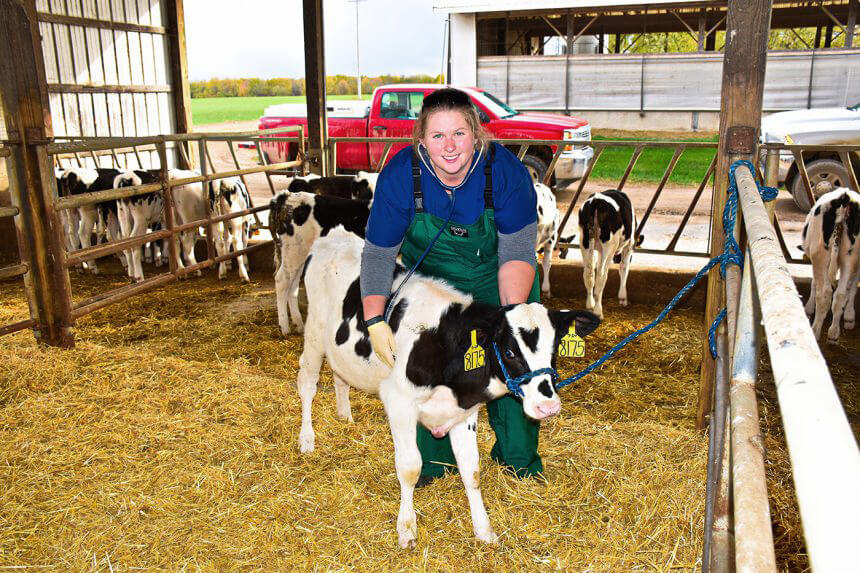
Good feed turns into milk, meat, and growth. Poor feed turns into loss. A food animal vet works with nutritionists to set rations.
We check body condition, manure score, and water access. We watch bunk space and stall comfort. We use welfare audits to spot stress.
Pain control matters. We use safe drugs and simple tools. Small fixes, like shade or soft bedding, can lift gains fast.
Economics, contracts, and working with producers
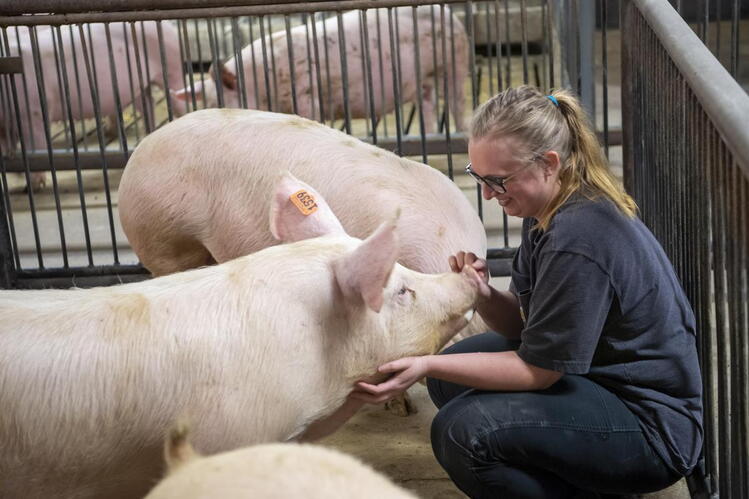
Farms are businesses. Health plans must make sense on the books. A food animal vet uses partial budgets to show return.
We help write treatment plans and drug logs. We align with programs like BQA or PQA Plus. Clear SOPs help every shift do the right thing.
Service models vary:
- Routine herd visits on a set schedule
- Emergency-only support with clear rules
- Full-service plans with data reviews and goals
Trust is the key. Listen first. Share numbers. Adjust the plan. When folks feel heard, results follow.
Tools, tech, and data in modern practice
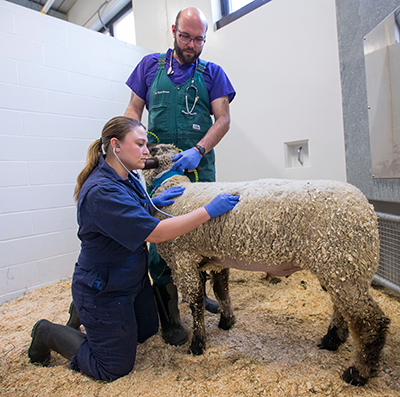
Tech helps us see more and guess less. A food animal vet uses:
- Portable ultrasound and handheld X-ray
- Chute scales and chute-side lab tests
- RFID tags and readers for fast ID
- Rumen bolus sensors for temp and activity
- Herd software for milk, growth, and health
Telemedicine can guide a night calving. Dashboards flag a rise in fevers or coughs. This makes fast, smart action possible.

Public health, regulations, and food safety
Food safety starts on the farm. A food animal vet is part of that chain. We track drug use and withdrawal times to prevent residues.
We use the Veterinary Feed Directive for certain feed meds. We push for careful antibiotic use to slow resistance. One Health links people, animals, and the environment.
Accredited vets handle tests and movement papers. We help with TB, brucellosis, and scrapie rules. We work with inspectors and labs when issues arise.

Career paths, salary, and job outlook
A food animal vet can work in private practice, industry, government, or academia. Many roles are in rural areas where need is high. The outlook is strong due to retirements and growth.
Pay varies by region and species focus. New grads often see competitive starting pay with steady growth. Some areas offer loan help for rural service.
Work-life balance takes planning. On-call is real. Good teams rotate calls, use tele-triage, and set clear limits.
How to choose a food animal vet
Pick a partner, not just a provider. Look for:
- Experience with your species and your scale
- Solid emergency coverage and response time
- Clear SOPs and training support for your team
- Biosecurity habits that match your site
- Data skills and simple reports you can use
- Knowledge of programs like BQA or milk quality
- Fair fees and an agreed scope of work
- Good fit with your farm culture
Meet on-farm. Walk the pens. Ask for a trial month. A great food animal vet will welcome that.
Common challenges and how vets cope
The work can be hard. Weather, mud, and long days add up. A food animal vet faces risk of injury and strain.
We cope with strong habits:
- Use safety gear and calm stock handling
- Keep a clear on-call plan and backup
- Debrief tough cases and support the team
- Set time for rest and family
Antibiotic pressure and supply chain gaps are real. We lean on prevention, vaccines, and smart stocking.
Case stories and personal insights
A dairy had a spike in mastitis in fresh cows. We checked stall comfort, pre-milking prep, and liners. A few simple tweaks cut cases by half in six weeks. The win came from staff training and daily logs.
A feeder had sudden deaths in a new pen. Necropsy showed clostridial disease. We added a vaccine, slowed diet shifts, and rewrote the receiving SOP. Losses dropped fast. A food animal vet uses facts, not hunches, to change course.
Tip: Track three numbers you can act on now. Pick one goal per quarter. Small steps stick.
Frequently Asked Questions of food animal vet
What does a food animal vet do day to day?
We prevent disease, treat sick animals, and guide herd plans. We also train staff, review data, and respond to emergencies.
How is a food animal vet different from a small animal vet?
We focus on herds and food safety, not pets. Our work blends medicine with farm business and public health.
Do I need a food animal vet if my herd is small?
Yes. Small herds still face disease and welfare risks. A simple plan can save money and stress.
How often should a food animal vet visit the farm?
At least each season is a good start. High-risk times, like calving or weaning, may need more visits.
Are antibiotics always needed for sick animals?
No. Many cases respond to care, rest, and support. When antibiotics are needed, we pick them with care and follow rules.
How can I lower vet costs without risking the herd?
Invest in prevention, training, and good records. Catch issues early and follow clear SOPs to avoid big losses.
Conclusion
Healthy herds, safe food, and strong farms all connect. A food animal vet brings medicine, data, and calm advice to that work. With the right plan, you can cut risk, lift gains, and sleep better at night.
Start with one step today. Book a herd review, set one clear goal, and track a simple metric. Want more tips like this? Subscribe, share your questions, or leave a comment so we can help you plan your next win.

Leave a Reply