
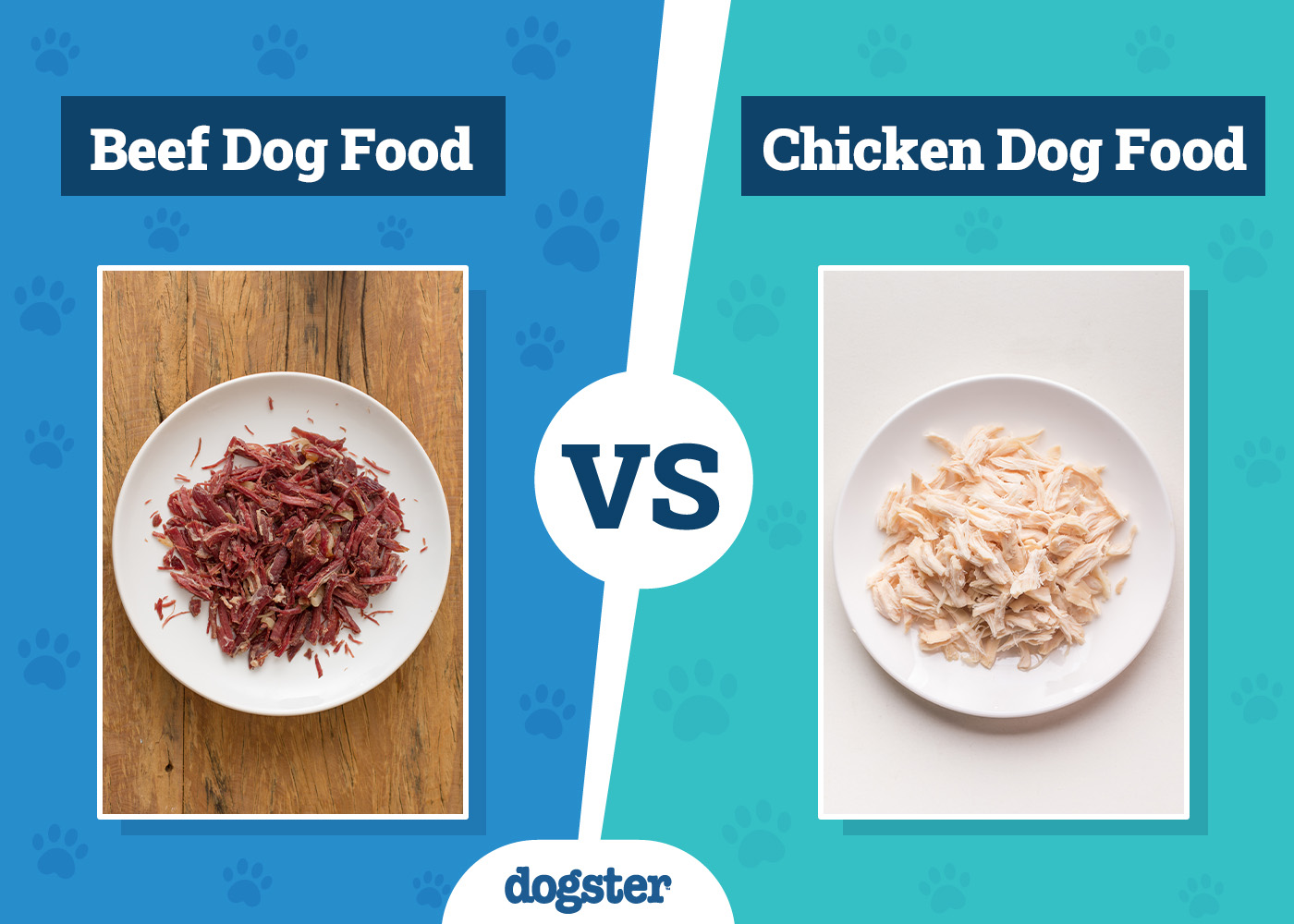
Chicken dog food is lean and gentle; beef dog food is richer and fuller flavored.
If you want a clear, friendly guide on Chicken dog food vs beef dog food, you are in the right place. I’ve helped many pet parents choose the best protein for their pups. In this deep dive, we compare nutrition, digestion, allergies, taste, cost, and labels. By the end, you will know which one fits your dog and how to switch with ease.
 proteins”
style=”max-width: 100%; height: auto; border: 2px solid black; border-radius: 10px; display: block; margin: 0 auto;”
loading=”lazy”
/>
What matters most when comparing proteins
The label says chicken or beef, but the best food is about fit. Dogs need complete and balanced diets that meet AAFCO standards. The protein source is one key part of that whole picture.
Chicken dog food vs beef dog food is not a simple winner-takes-all choice. Chicken is often leaner with lighter flavor. Beef is often higher in fat and richer in taste. Your dog’s age, activity, gut health, and skin issues matter more than hype.
Here is the big idea I share with clients:
- Match protein to your dog’s health goal.
- Check the full formula, not just the meat.
- Test and observe. Your dog will tell you the truth.
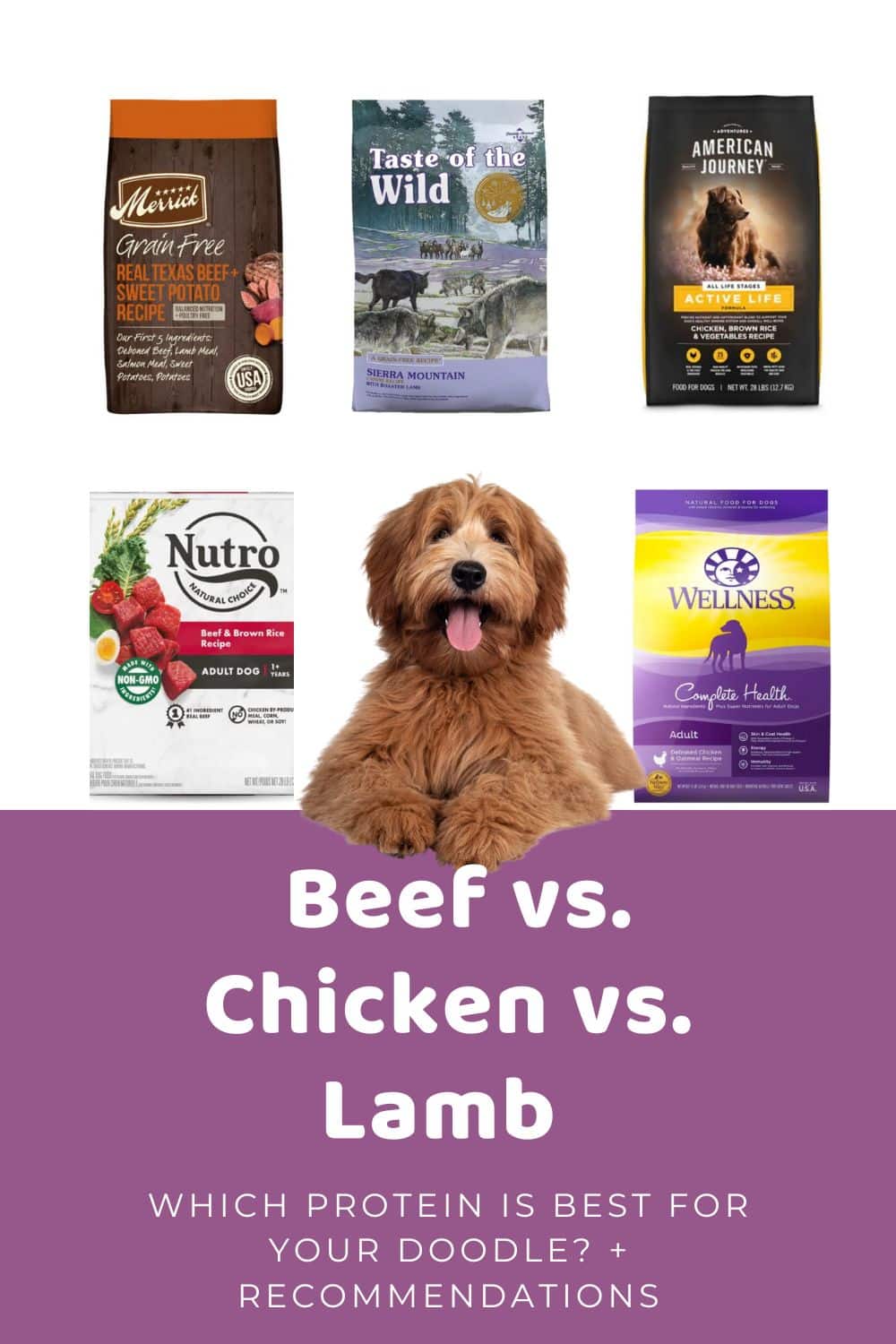
Nutrition breakdown: protein, fat, and micronutrients
Both chicken and beef can be great protein sources. Each has strengths.
- Protein density: Both offer complete amino acids for dogs. Properly made diets hit all needs.
- Fat and calories: Chicken formulas tend to be leaner. Beef foods often run higher in fat and calories.
- Micronutrients: Beef is rich in iron, zinc, and B12. Chicken offers more linoleic acid, which supports skin.
When I help a dog lose weight, I often start with chicken-based diets because they are easier to keep lean. For a high-drive sport dog, a beef formula can help meet calorie needs.
You will see this pattern across shelves. Still, formulas vary. Always compare the calorie number and guaranteed analysis. Chicken dog food vs beef dog food can swing a lot by brand.

Digestibility, tummy health, and stool quality
Good dog foods use well-cooked meats and balanced fiber. That helps digestion. Chicken dog food vs beef dog food can feel different in the gut.
- Chicken diets often feel lighter on the stomach.
- Beef diets may be richer and can lead to softer stools in some dogs.
- The fiber blend matters. Beet pulp, pumpkin, or prebiotics help stool form.
In my practice, sensitive dogs often settle better on chicken at first. Once stable, some do well on beef again. Watch stool shape, frequency, and gas. That is your daily report card.
Allergies and sensitivities: who should pick what
Food allergies in dogs are uncommon, but they do happen. Large vet surveys often list beef, dairy, and chicken among the top triggers. That means either protein can be a problem for a sensitive dog.
Here is how I guide pet parents:
- If your dog flares on chicken, try beef, turkey, or fish.
- If your dog flares on beef, try chicken, lamb, or duck.
- Use a true elimination trial when needed, guided by your vet.
Chicken dog food vs beef dog food is not the cure by itself. You need a single-protein plan, no table scraps, and time to test. Most trials take 6 to 8 weeks.

Palatability and picky eater strategies
Taste and smell drive eating. Many dogs love the aroma of beef. Some prefer the lighter taste of chicken. I keep both on hand for picky dogs.
Try these tips:
- Warm the food with a splash of warm water.
- Add a spoon of bone broth with no onions or garlic.
- Rotate proteins every few months if your dog does well.
When I rotated chicken to beef for a picky senior, appetite rose within two days. Keep it slow, and track weight. Chicken dog food vs beef dog food can also change calorie intake without you noticing.
Cost, sourcing, and sustainability
Budget matters. Chicken foods are often more affordable than beef foods. Beef costs more to raise, so it often costs more in the bowl.
- Cost: Chicken is budget-friendly in many brands.
- Sustainability: Chicken has a lower carbon footprint than beef.
- Sourcing: Look for brands that name the meat source and country of origin.
If you care about your eco footprint, Chicken dog food vs beef dog food leans toward chicken. Still, choose what keeps your dog healthy and happy.
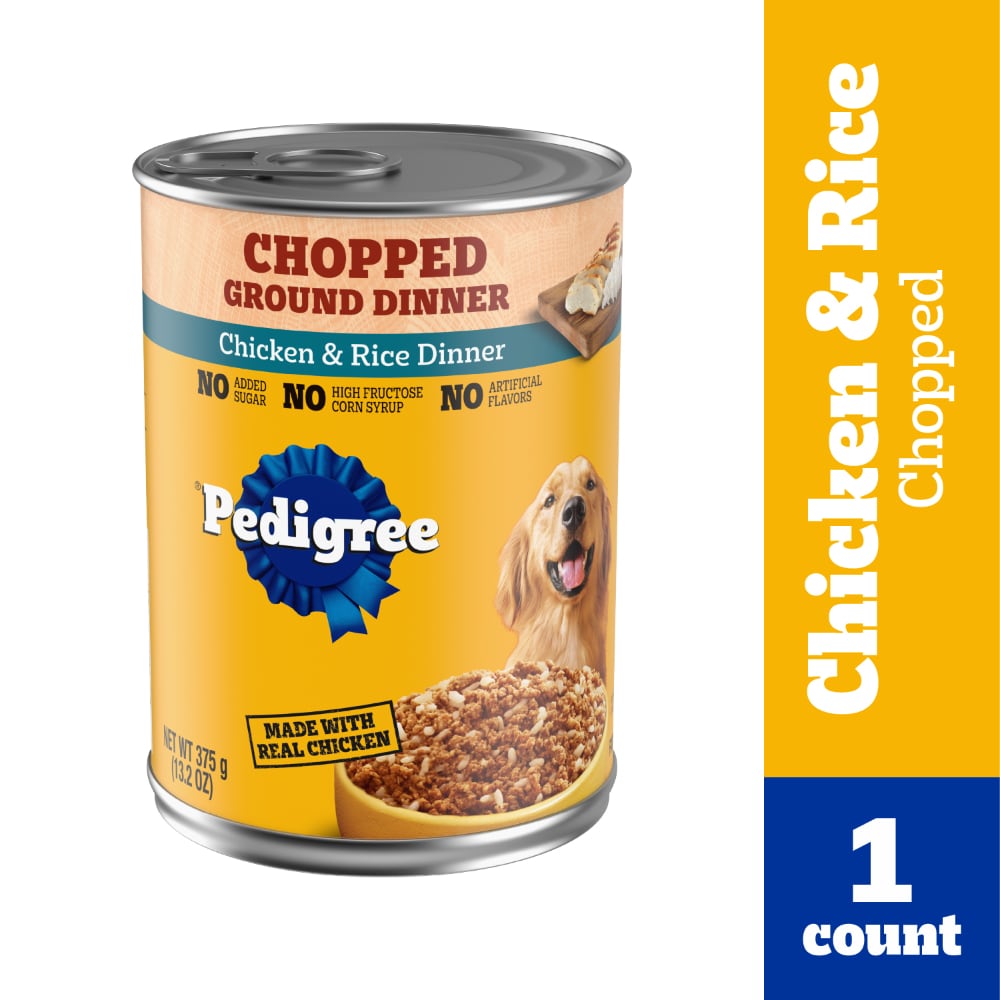
Label reading 101: chicken, beef, and meals
Labels can be tricky. Here are simple rules I teach:
- Ingredient order: Listed by weight before cooking.
- Meat vs meal: Chicken meal or beef meal can be a very rich protein source. It is dry and dense.
- AAFCO statement: Look for “complete and balanced” for your dog’s life stage.
- Guaranteed analysis: Compare protein, fat, fiber, and moisture.
- Calories: Check kcal per cup. That drives weight change.
Chicken dog food vs beef dog food may look equal at first glance. The guaranteed analysis and calories show the truth.
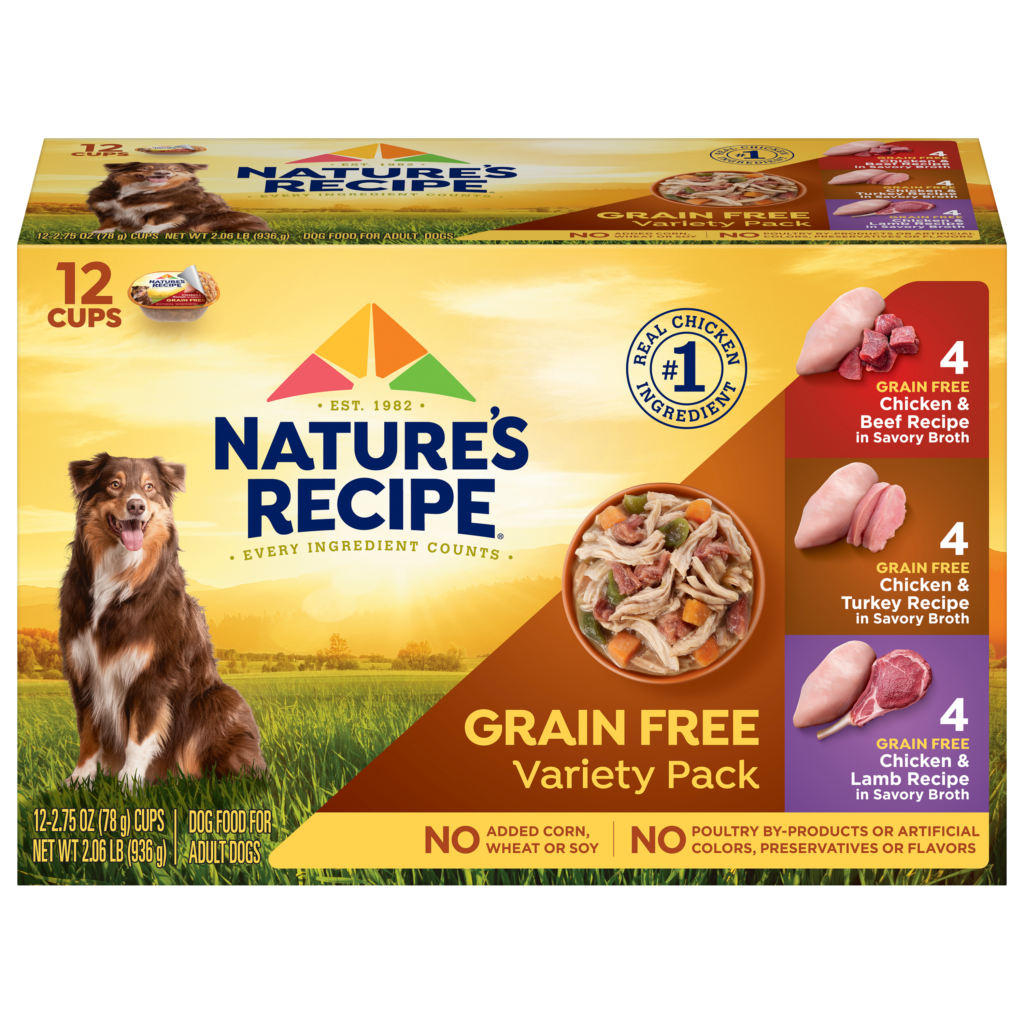
Life stage and health goals
Different dogs need different fuel. Match the protein to the goal.
- Puppies: Both chicken and beef work if balanced for growth. Many pups do well on chicken for steady weight gain.
- Active adults: Beef diets can support higher calorie needs. Add fish oil for omega-3s if needed.
- Seniors: Chicken can help with weight control. Choose joint support add-ons like glucosamine.
Chicken dog food vs beef dog food is about fit, not brand wars. Your dog’s needs change with time.
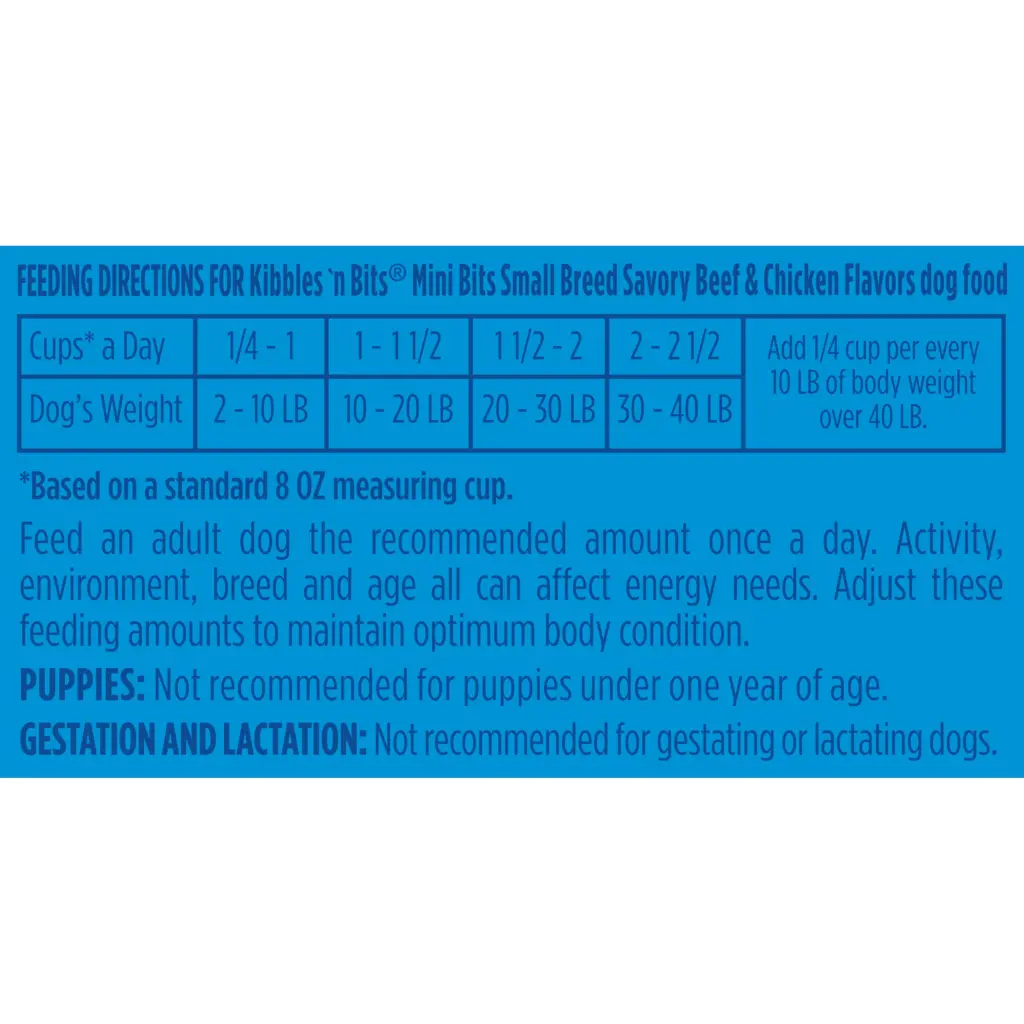
Switching safely: how to transition without stress
A smooth switch protects the gut. Use this simple plan:
- Days 1 to 3: 75 percent old food, 25 percent new.
- Days 4 to 6: 50 percent old, 50 percent new.
- Days 7 to 10: 25 percent old, 75 percent new, then 100 percent new.
If stools get soft, slow the steps. Add a bland topper like plain, unsweetened pumpkin. Note energy, itch, and coat. This works for Chicken dog food vs beef dog food and any other protein switch.
Real-world notes from the field
I have tested many recipes with my own dogs and client dogs. Here is what I see most:
- Overweight dogs trim down faster on chicken diets with clear calorie labels.
- High-drive dogs in sport work hold weight better on beef diets.
- Dogs with mild tummy issues often settle on chicken first.
- Allergic dogs need a true plan, not just a guess.
Chicken dog food vs beef dog food is a tool, not a rule. Let your dog’s body lead. Keep notes, and be patient.
How to choose based on your dog’s profile
Use this quick guide to pick with confidence.
- For weight control: Start with chicken. Check calories per cup.
- For picky eaters: Try beef. Warm the meal to boost aroma.
- For sensitive skin: Trial one protein at a time. Keep the formula simple.
- For high activity: Beef or higher-fat chicken blends. Watch muscle and stamina.
- For budget: Chicken often wins. Compare per-day cost, not just bag price.
Remember, Chicken dog food vs beef dog food is part of a full plan. Water, routine, and smart treats all play a role.
Frequently Asked Questions of Chicken dog food vs beef dog food
Is chicken or beef better for weight loss?
Chicken foods are often leaner and lower in calories. They make it easier to control portions and help the scale move.
Which protein is more likely to cause allergies?
Both can trigger allergies, though beef and chicken are common culprits. Use a single-protein diet and run a vet-guided trial.
Can I rotate between chicken and beef?
Yes, many dogs do well on rotation. Transition slowly over 7 to 10 days and watch stool and skin.
Is beef always higher in fat?
Not always. Many beef formulas are richer, but some brands make lean options. Always check the guaranteed analysis and calories.
Are chicken meals or beef meals bad?
No. Quality meals can be very protein-dense and digestible. Judge the whole recipe, AAFCO statement, and brand quality.
Which is better for picky eaters?
Beef often smells stronger and can tempt picky dogs. If that fails, warm chicken with broth to boost aroma.
What about joint or heart health?
Both can work well when balanced. Add omega-3s from fish oil and choose formulas with joint support if needed.
Conclusion
There is no one-size-fits-all winner here. Chicken dog food vs beef dog food comes down to your dog’s weight, gut, skin, taste, and budget. Chicken is usually lean and gentle. Beef is often richer and more enticing.
Pick a complete and balanced diet, read the label, and match it to your goals. Try, track, and adjust. If you are ready, start a slow transition this week and watch how your dog feels. Want more tips like this? Subscribe, share your experience, or drop your questions in the comments.

Leave a Reply