
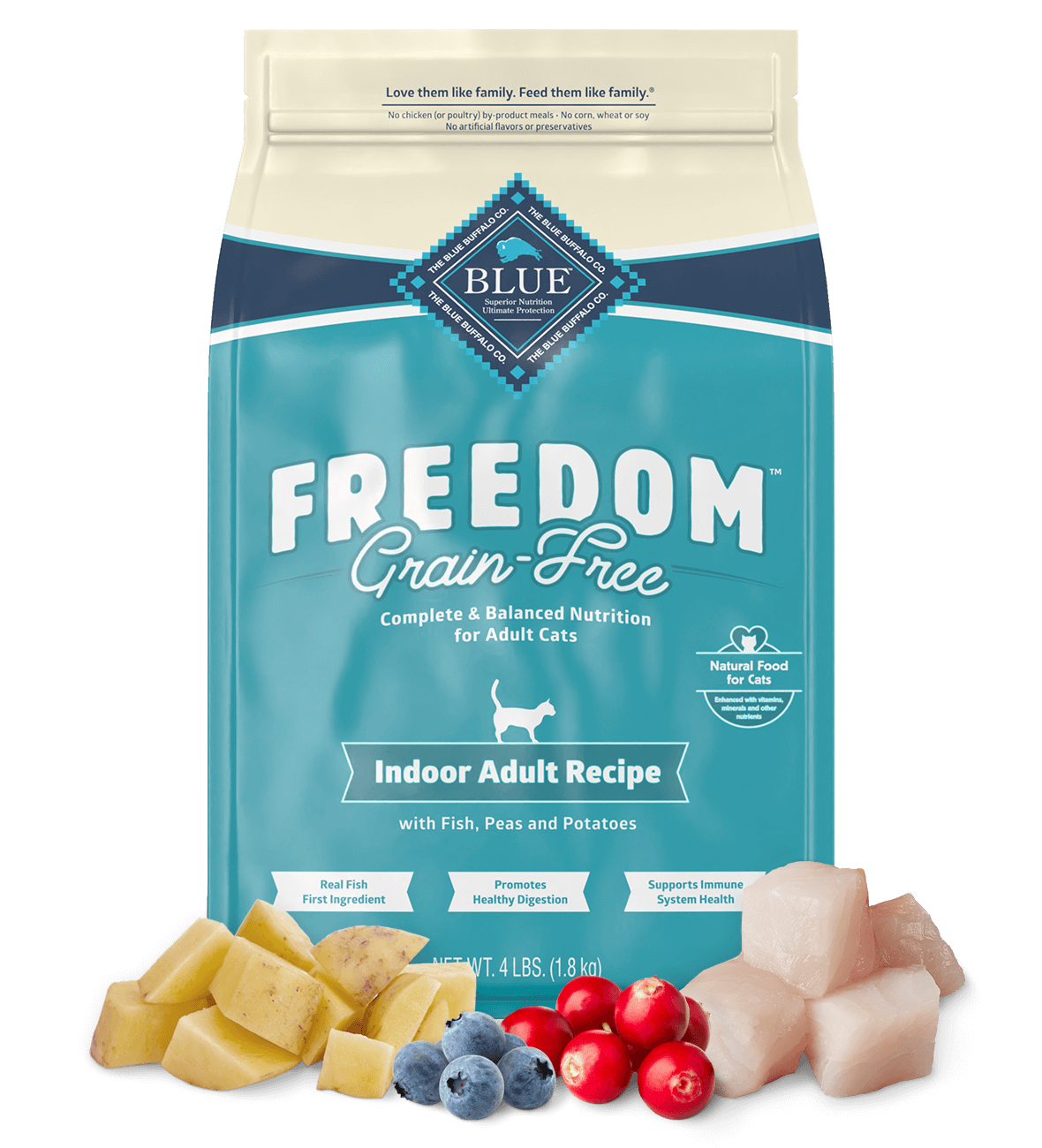
Chicken fits everyday feeding; fish shines for flavor and omega-3 variety.
Wondering if chicken or fish is best for your cat? You are not alone. I help pet parents sort this out every week. In this guide, I break down Chicken cat food vs fish cat food in clear, simple terms. You will learn what matters, when to pick each, and how to feed both safely. Expect practical tips, real results from home trials, and research-backed advice that keeps your cat happy, healthy, and purring.
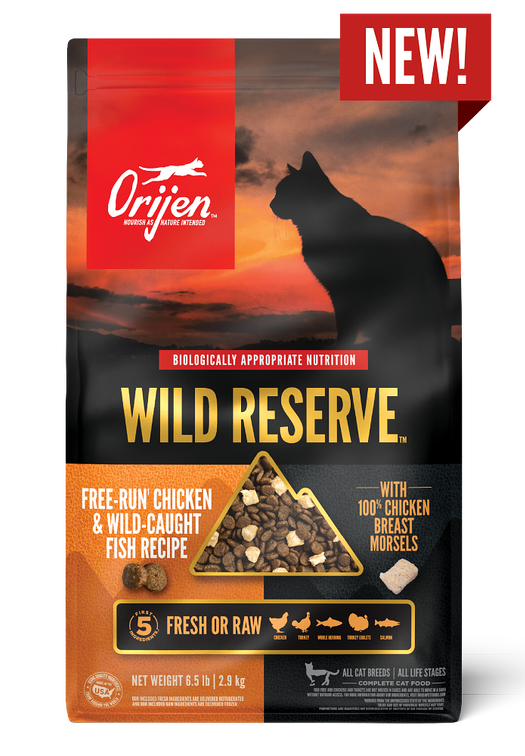
What cats really need from food
Cats are obligate carnivores. They need animal protein, fat, and key micronutrients.
- Protein fuels muscle, repair, and sleek coats.
- Fat gives energy and flavor.
- Taurine, arachidonic acid, and vitamin A are essential.
- Moisture supports urinary health.
Look for complete and balanced food that meets AAFCO standards. This note on the label matters more than marketing words.
Chicken cat food vs fish cat food both can meet these needs. The winner depends on your cat, your goals, and quality.
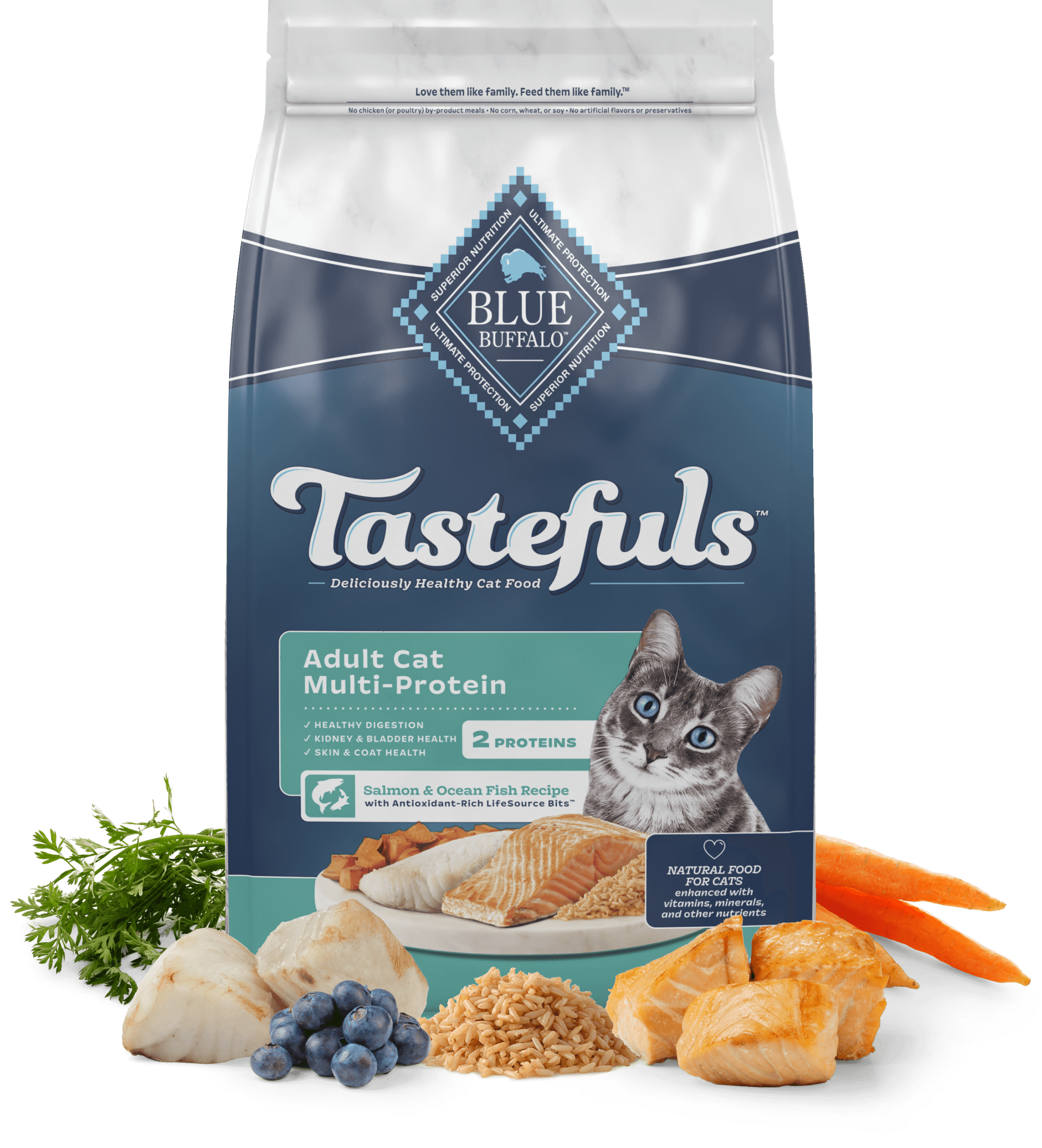
Chicken cat food: pros, cons, and best uses
Chicken is the classic daily protein for many cats.
Pros:
- Gentle on most stomachs and easy to digest.
- Leaner fat profile helps with weight control.
- Often budget friendly and widely available.
Cons:
- Chicken is a common food allergen in cats.
- Some formulas use more by-products or fillers.
- Flavor fatigue can happen in picky eaters.
Best uses:
- Ideal base for everyday meals.
- Good for weight and routine digestion.
- Pairs well with rotation feeding.
From my consults, most cats settle well on a chicken base. I see smoother stools and steady energy. When cats itch or lick their paws, I test a chicken-free plan.
Chicken cat food vs fish cat food is not a fight here. Think balance. Use chicken as your stable anchor.
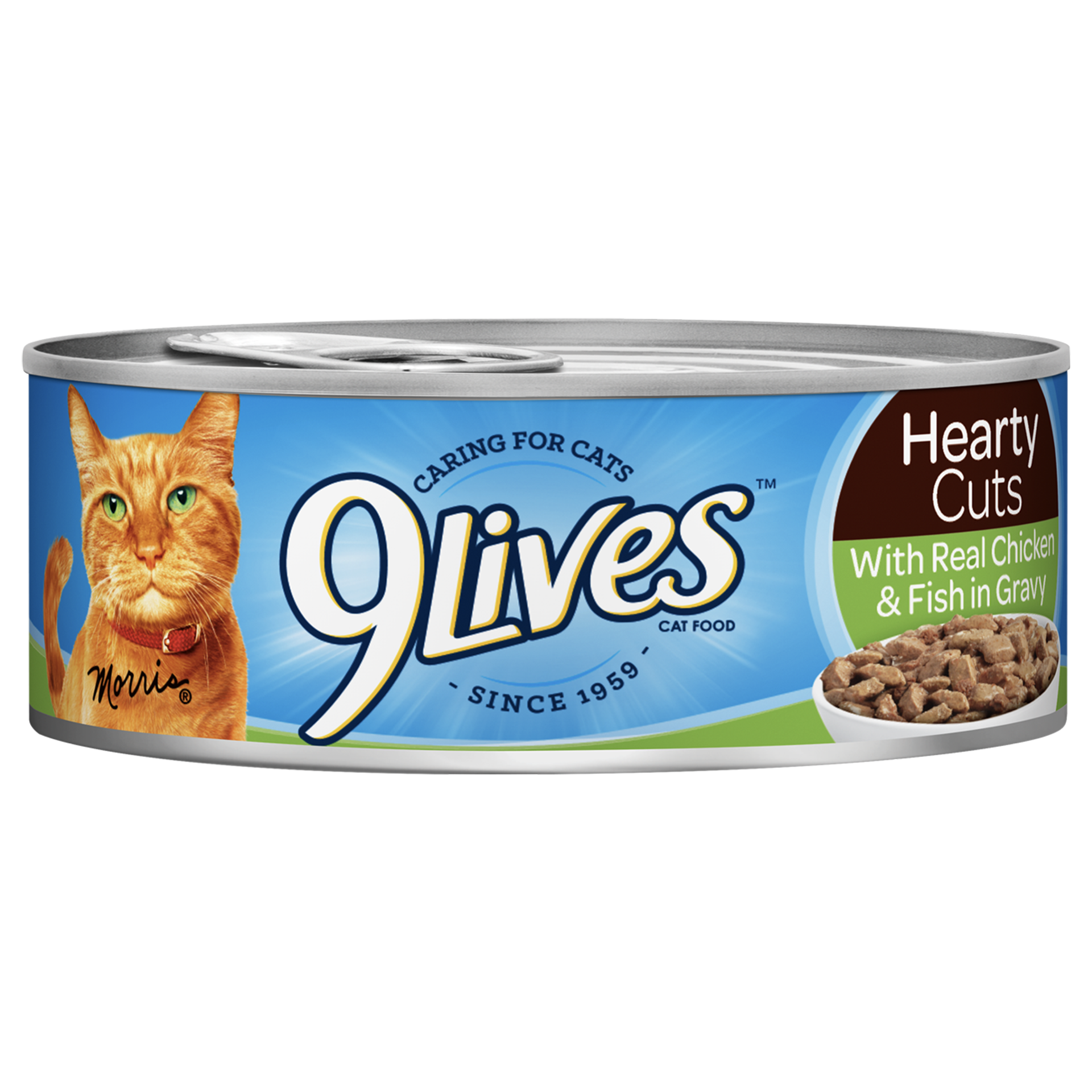
Fish cat food: pros, cons, and best uses
Fish can be a strong tool, but use it with care.
Pros:
- High in omega-3s (EPA and DHA) for skin and joints.
- Big aroma boosts appetite in picky cats.
- Works well in rotation for variety.
Cons:
- Risk of heavy metals in certain fish types.
- Some fish contain thiaminase if raw or poorly processed.
- Fish can trigger food allergies too.
- Strong smell can mask poor quality in cheap foods.
Best uses:
- Great topper or part of a rotation plan.
- Helpful for dull coats or dry skin.
- Useful for cats who refuse other foods.
In home trials, fish saved many “no appetite” cases. A spoon of fish-based wet food got cats eating again. I still avoid daily all-fish diets long term.
Chicken cat food vs fish cat food here is about frequency. Fish is a tool, not the whole toolbox.
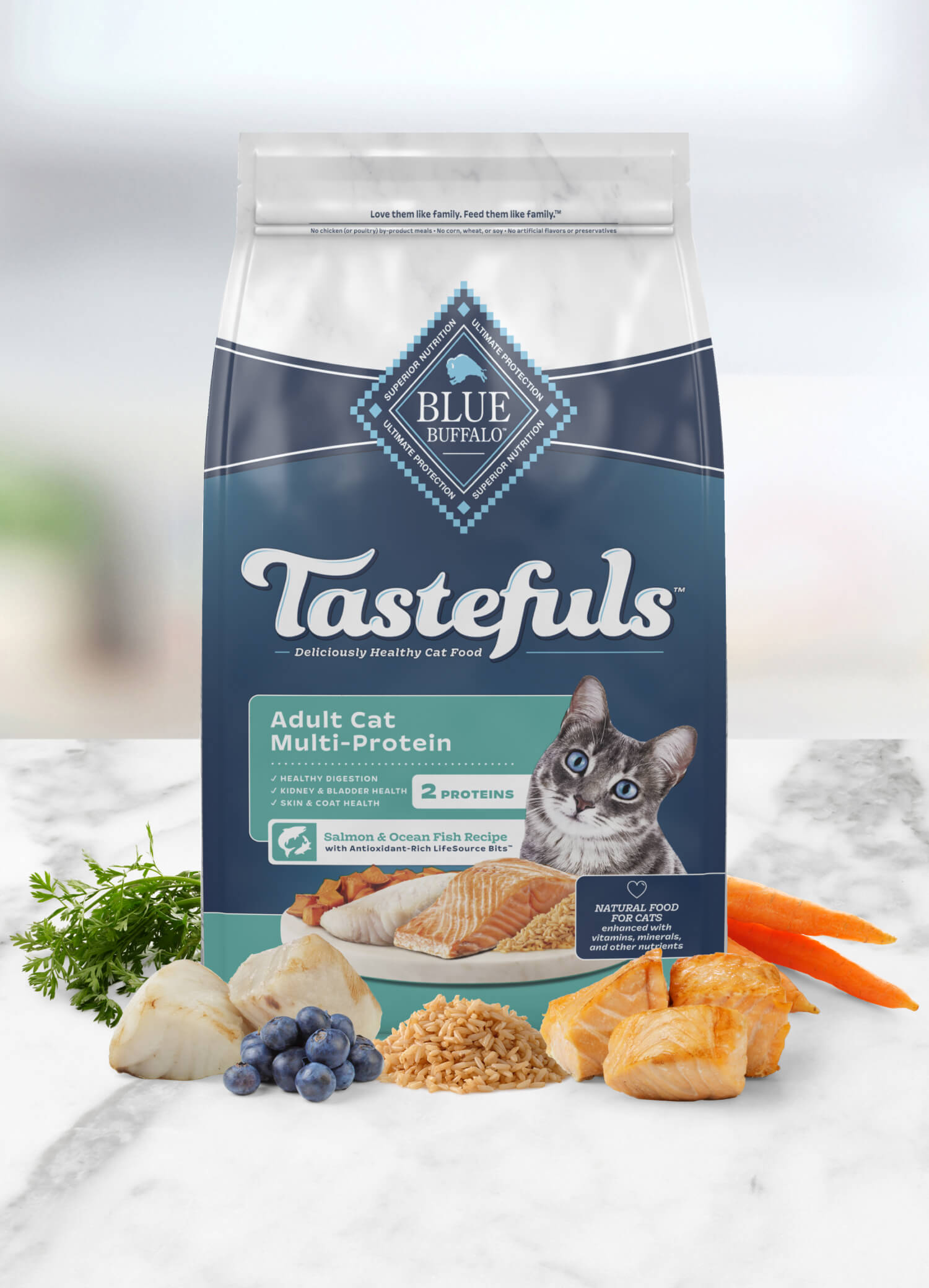
Chicken cat food vs fish cat food: head-to-head
Digestibility:
- Chicken is often easier on the gut for daily feeding.
- Fish can be rich and may loosen stools in some cats.
Allergies:
- Chicken is a top allergen. Watch for itch, ear gunk, or soft stools.
- Fish can also trigger reactions. Always test slowly.
Taste and appetite:
- Fish is extra tempting for picky cats.
- Chicken is steady and less smelly.
Skin and coat:
- Fish wins for omega-3s. Shiny coats and less dandruff.
- Chicken can still shine if the brand adds fish oil.
Safety:
- Choose fish types with lower mercury. Many pet brands blend safer species.
- Avoid raw fish unless guided by a vet nutritionist. Thiaminase risk is real.
Urinary health:
- Wet food matters more than protein type for hydration.
- Sodium and mineral balance matter. Check the label, not rumors about “ash.”
Weight:
- Chicken foods can be leaner. Great for weight goals.
- Fish foods can be higher in fat. Watch portions.
Sustainability:
- Chicken supply is steady but varies by farm.
- Fish sourcing can stress oceans. Look for responsible claims.
The practical take on Chicken cat food vs fish cat food:
- Use chicken for daily balance.
- Use fish for variety, skin support, and appetite rescue.
- Rotate to reduce allergy risk and flavor fatigue.
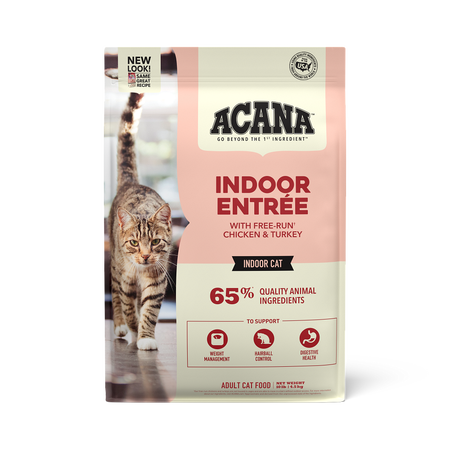
How to read labels and pick quality
Good labels look boring. That is a good sign.
- Look for complete and balanced per AAFCO for your cat’s life stage.
- Choose named proteins. Chicken or chicken meal beats “meat by-product.”
- Check the first five ingredients. They tell most of the story.
- For fish, prefer salmon, sardine, menhaden, or mackerel over “generic fish.”
- See “added taurine” and a clear fat source, like chicken fat or fish oil.
- Skip vague terms, heavy dyes, and sugar.
Chicken cat food vs fish cat food both win when the brand is transparent. If you can, contact brands and ask about sourcing and testing.

Health goals and life stages: what to feed when
Kittens:
- High protein, energy dense, DHA for brain.
- Mix chicken with fish-based wet food for growth.
Adults:
- Aim for steady weight and strong muscle.
- Chicken base with fish 1 to 3 times a week works well.
Seniors:
- Keep protein high to protect muscle.
- Fish oil helps stiff joints. Watch phosphorus if kidneys are a concern.
Allergies or IBD:
- Try limited-ingredient or novel proteins.
- If chicken triggers signs, use fish with care or pick novel meats.
Urinary issues:
- Wet food is key. Aim for high moisture.
- Pick formulas with urine pH support, not just “fish-free.”
In practice, Chicken cat food vs fish cat food shifts with life stage. You can fine-tune without stress.
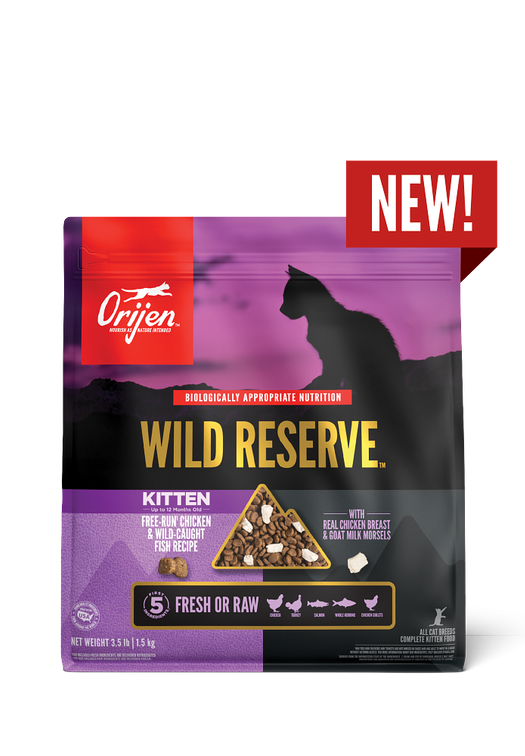
A smart feeding plan: rotation, portions, and transitions
Rotation feeding:
- Rotate proteins every 2 to 8 weeks.
- Keep one safe fallback, often chicken.
Portions:
- Use your cat’s body shape to guide amounts.
- Adjust by 10% every week until weight holds steady.
Wet vs dry:
- Wet boosts hydration and urine flow.
- Dry can help dental crunch. Use both if it suits your cat.
Transition steps:
- Day 1 to 3: 75% old, 25% new.
- Day 4 to 6: 50% old, 50% new.
- Day 7 to 10: 25% old, 75% new.
- Then go 100% new.
Chicken cat food vs fish cat food rotation keeps taste fresh. It also helps you spot what actually works.
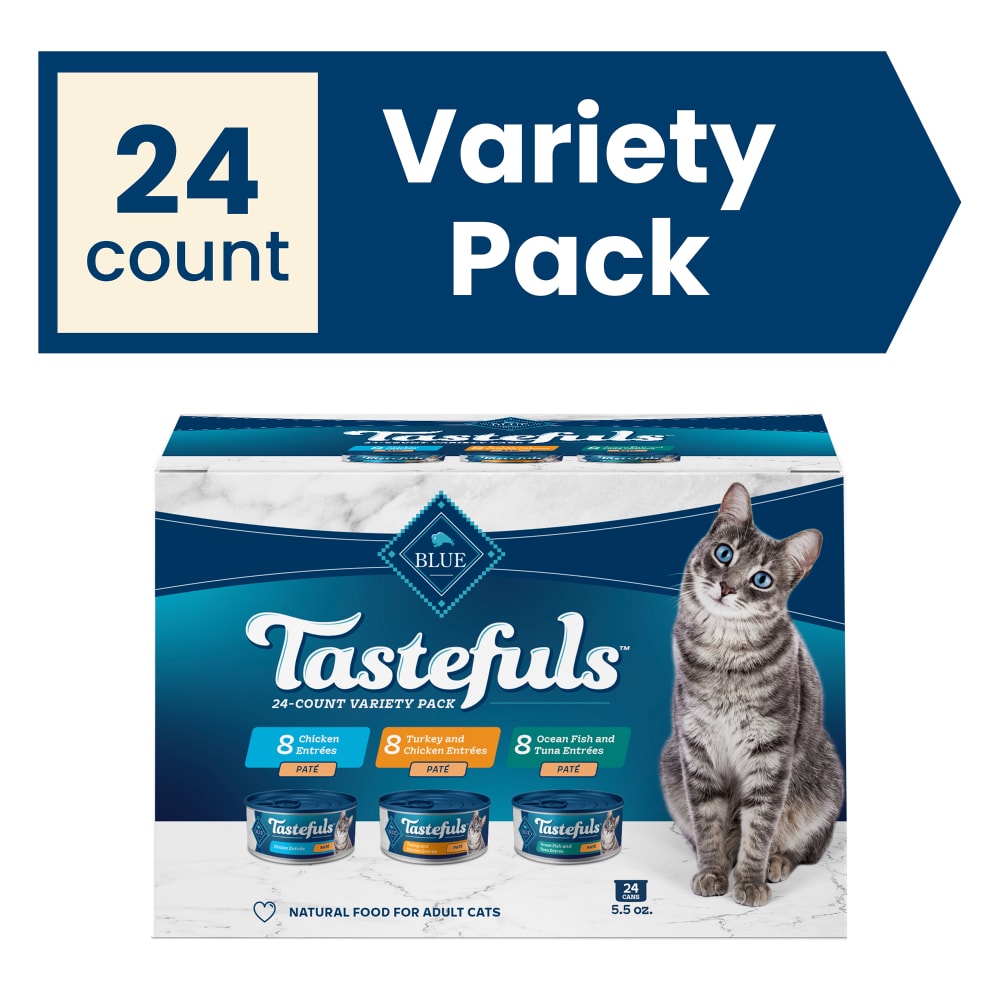
Budget, sustainability, and sourcing
Budget tips:
- Buy mid-tier foods with clear labels.
- Use fish as a topper to stretch cost.
- Wet food can be cheaper per benefit than you think.
Sustainability:
- Look for responsible fish sourcing claims.
- Seek chicken from audited farms when possible.
Smart shopping:
- Watch for heavy marketing and light facts.
- AAFCO statement plus named proteins wins over hype.
For searchers asking why your cat don't eat dry food:
- Many cats find dry food hard to digest.
- Add wet chicken or fish to improve taste and hydration.
Chicken cat food vs fish cat food choices can align with your values. You do not need to overspend to do better.

Signs it works and when to call your vet
Healthy signs:
- Bright eyes, clean ears, and small, well-formed stools.
- Shiny coat with little dandruff.
- Steady weight and good energy.
Red flags:
- Itching, vomiting, soft stools, or dull coat.
- Sudden thirst, peeing more, or weight loss.
- Refusing food for over 24 hours.
Call your vet if red flags persist. Bring photos of labels and a food log. Chicken cat food vs fish cat food data helps your vet help you.
Frequently Asked Questions of Chicken cat food vs fish cat food
Is chicken or fish better for everyday feeding?
Chicken is better for daily use for most cats. Fish is great as a rotation protein or topper for flavor and omega-3s.
Can fish cat food cause allergies?
Yes, fish can cause allergies in some cats. Chicken is also a common trigger, so test one change at a time.
Is mercury a big risk in fish cat food?
Quality brands manage species and test for safety. Choose trusted brands and avoid all-fish, long-term diets.
Does fish help with skin and coat?
Yes, fish brings EPA and DHA, which support skin and shine. You can also add fish oil to chicken-based diets.
Is wet food better than dry for urinary health?
Wet food helps because of moisture. The protein type matters less than hydration and overall mineral balance.
How often should I feed fish-based food?
Use fish 1 to 3 times a week for most healthy cats. Adjust based on your cat’s skin, stools, and appetite.
What if my cat won’t eat chicken?
Try a fish-based wet topper or mix-in. Transition slowly and check for hidden chicken in labels.
Conclusion
Chicken cat food vs fish cat food is not a winner-takes-all choice. Use chicken as your steady base. Use fish for omega-3s, flavor, and picky days. Keep meals complete and balanced, rotate proteins, and watch your cat’s coat, stool, and energy for feedback. Small changes, done slowly, bring big gains.
Ready to fine-tune your cat’s bowl? Try a two-week rotation plan and note the results. Subscribe for more simple guides, or drop a comment with your cat’s favorite chicken or fish pick.

Leave a Reply