
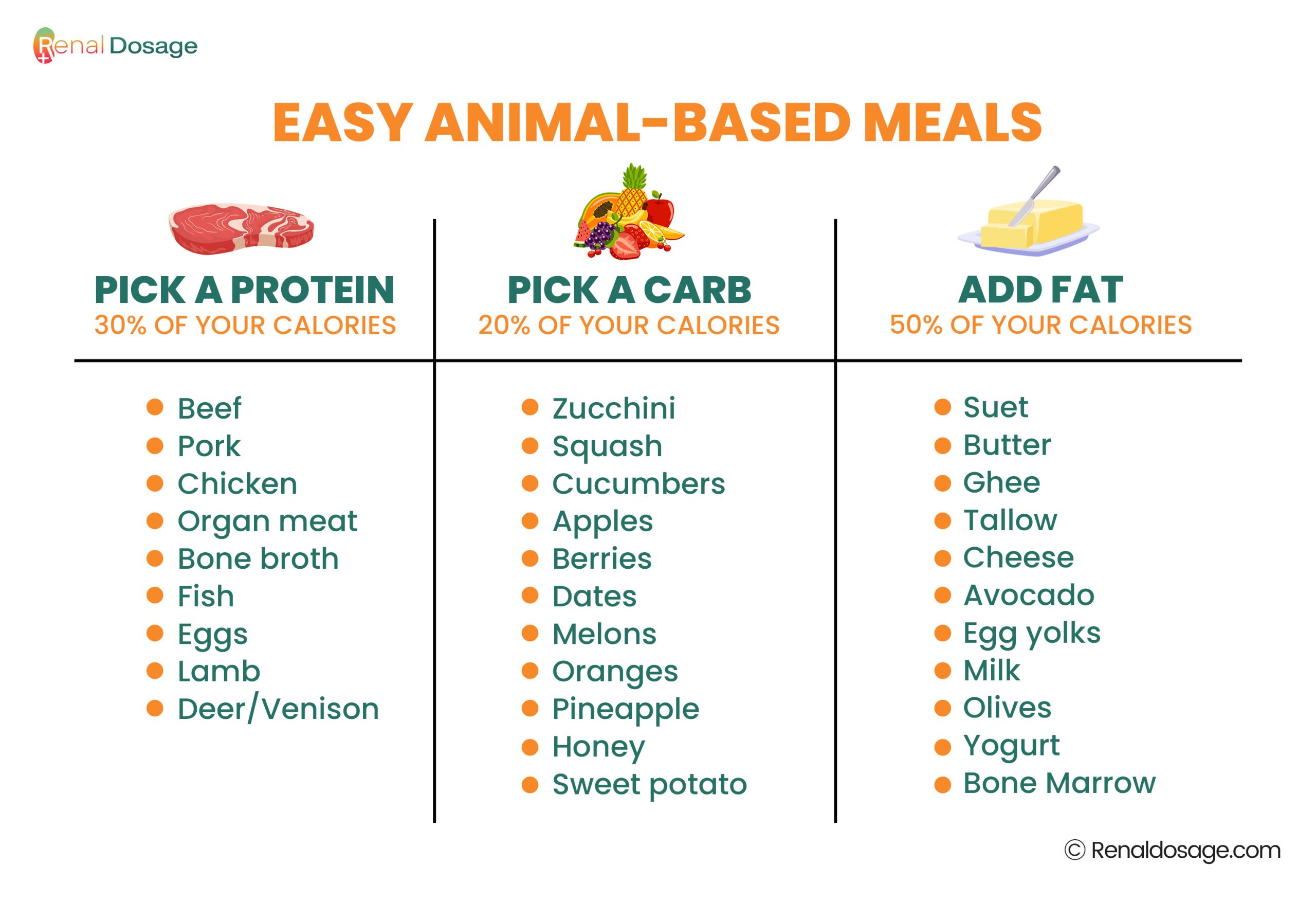
The animal based 30 food list features 30 nutrient-rich meats, seafood, eggs, and dairy.
If you want clear energy and simple meals, this guide is for you. I’ve helped clients use an animal based 30 food list to feel steady, satisfied, and strong. We will cover what it is, why it works, and how to use it in real life. You will get simple tips, a full list, and a plan you can start today.

What Is The Animal-Based 30 Approach?
Animal-based 30 is a simple, whole-food way to eat for a month. You focus on high-quality animal foods. You skip ultra-processed food, seed oils, and sugar. Many people use it to reset cravings, improve protein intake, and boost nutrients.
You build each meal around protein and natural fats. Think steak, eggs, fish, and dairy if you tolerate it. Organ meats and bone broth add extra nutrients. The animal based 30 food list makes meal planning easy and repeatable.
In my coaching work, this approach helps busy people eat better with less stress. It is not a cure-all or medical advice. It is a clear framework that supports real results.
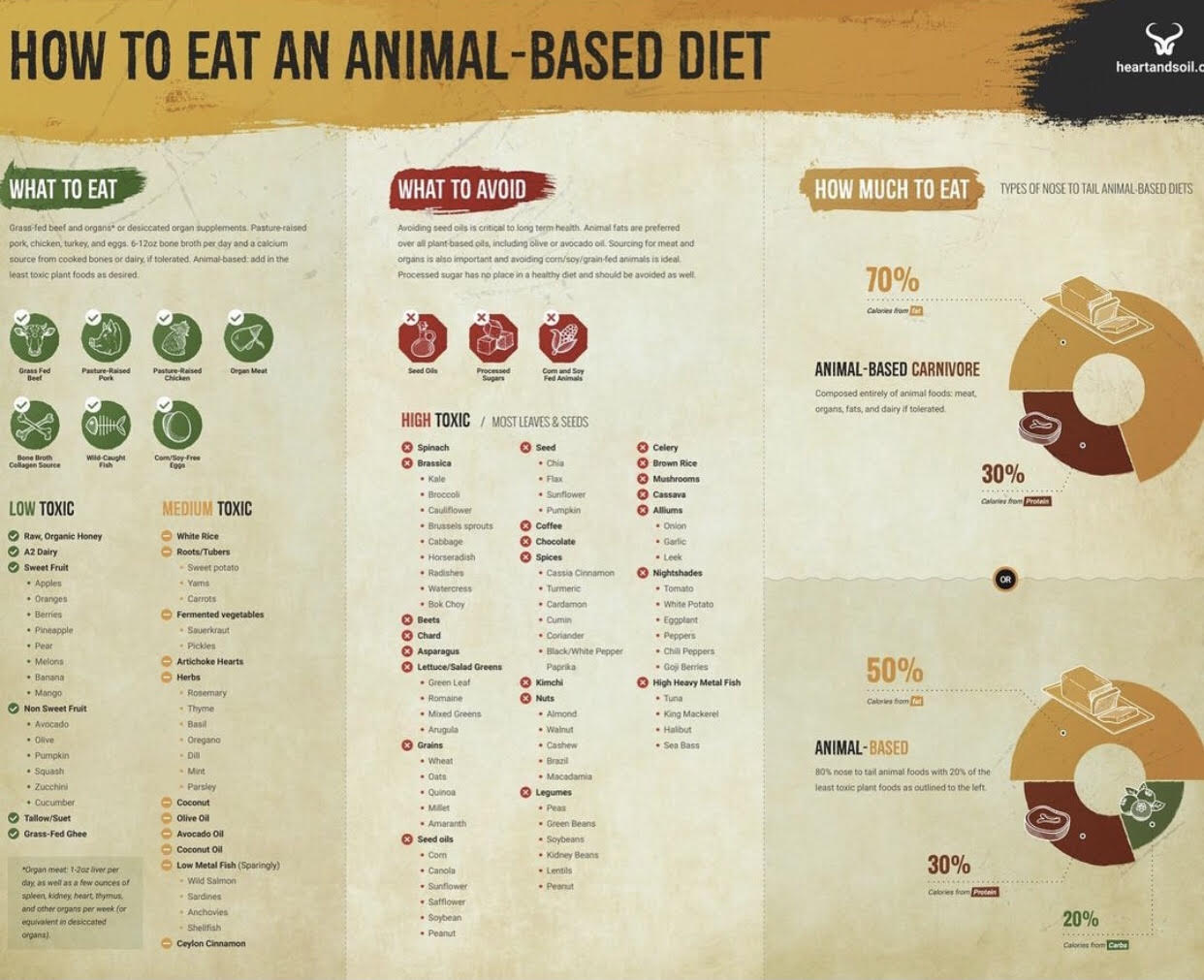
The Animal Based 30 Food List: 30 Nutrient-Dense Foods
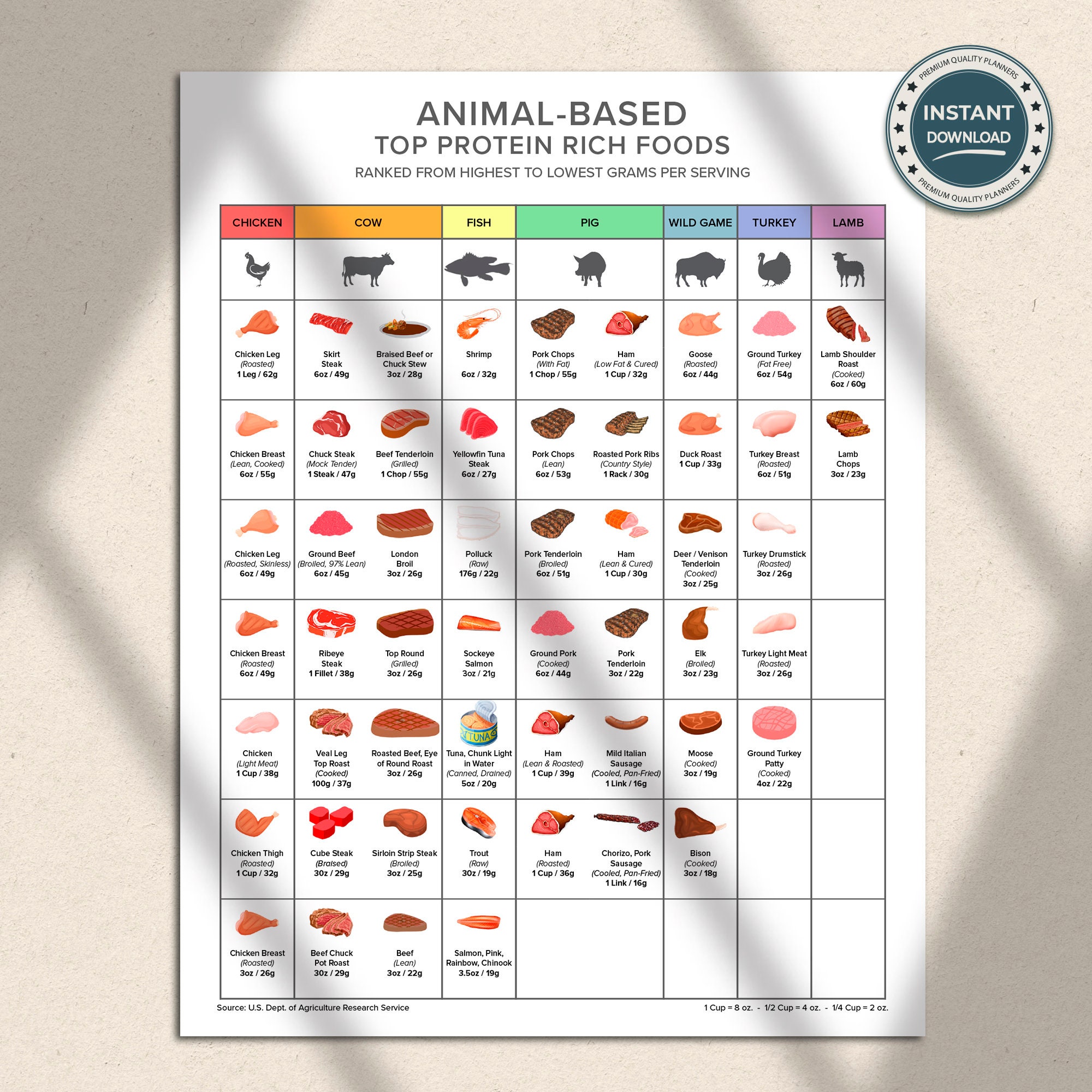
Below is a complete animal based 30 food list. These foods are rich in protein, vitamins, and minerals. Pick the ones you enjoy and tolerate well.
Ruminant meats
- Grass-fed ground beef. Versatile and budget friendly.
- Ribeye steak. High in protein and natural fat for satiety.
- Beef liver. Very high in vitamin A, iron, and B12.
- Beef heart. Lean protein with CoQ10 for heart health.
- Beef kidney. Rich in selenium and B vitamins.
- Beef bone marrow. Fat, collagen, and flavor.
- Lamb chops. Tender, nutrient dense, and lower omega-6.
- Lamb liver. A mineral powerhouse.
- Bison sirloin. Leaner red meat with bold taste.
- Goat stew meat. Great for slow cooks and stews.
Poultry and pork
- Chicken thighs (skin-on). Juicy and easy to cook.
- Chicken liver. Gentle intro to organ meats.
- Turkey breast. Lean, mild, and high in protein.
- Duck legs. Rich flavor and healthy fat.
- Pork shoulder. Ideal for slow cooking.
- Pork belly. Satisfying fat with crisp texture.
- Sugar-free bacon. Choose clean, minimal ingredients.
Seafood and shellfish
- Wild-caught salmon. High in omega-3 EPA and DHA.
- Sardines (with bones). Calcium, omega-3s, and protein.
- Atlantic mackerel. Fatty fish with strong omega-3s.
- Cod fillet. Mild, lean protein option.
- Shrimp. Quick-cooking and high in iodine.
- Oysters. Zinc rich; great for immune support.
- Mussels. Iron, B12, and easy to steam.
Eggs and dairy
- Whole eggs. Choline, protein, and micronutrients.
- Grass-fed butter. Flavor and fat-soluble vitamins.
- Ghee. Clarified butter for those sensitive to lactose.
- Aged cheddar. Calcium and protein with low lactose.
- Full-fat Greek yogurt. Thick, tangy, and high in protein.
Nose-to-tail staples
- Bone broth (beef or chicken). Collagen, glycine, and comfort.
You can run an animal based 30 food list with only a few staples. Or you can explore all 30 items over the month. Keep it simple. Choose foods you enjoy and digest well.
Nutrition Benefits Backed by Research
Animal foods offer complete proteins with all essential amino acids. This supports muscle, skin, and hormones. Studies show higher protein meals improve fullness and reduce cravings.
Iron, zinc, B12, and choline are highly bioavailable from meat and eggs. Fatty fish add EPA and DHA for heart and brain health. Cutting refined carbs often lowers triglycerides and helps steady energy. Many people report better sleep, stronger nails and hair, and fewer midday crashes on an animal based 30 food list. Results vary by person and starting point.
How To Build A Simple Plate
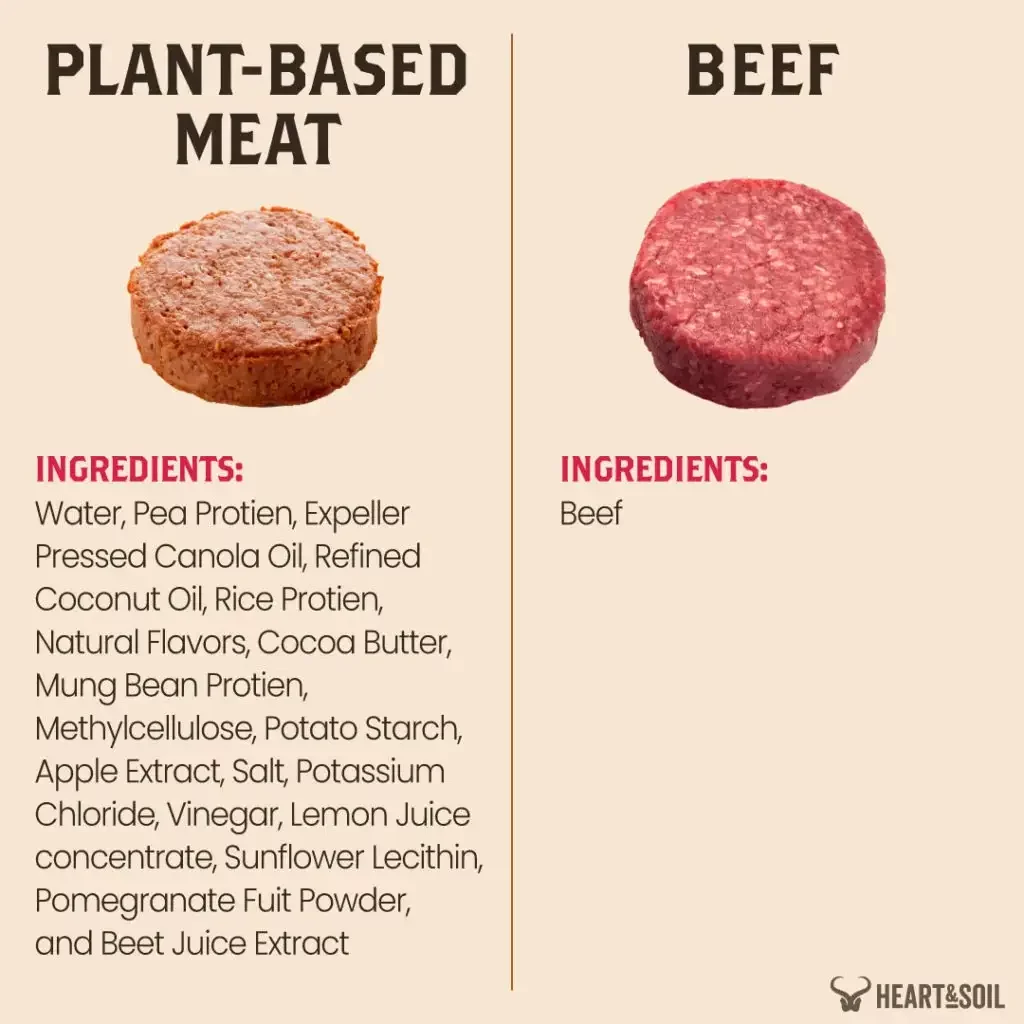
Use this easy framework for each meal.
- Pick a protein anchor. Steak, salmon, ground beef, eggs, or chicken.
- Add natural fat if needed. Butter, ghee, egg yolks, or fatty cuts.
- Include a nutrient boost. Liver 1–2 times per week. Bone broth as desired.
- Season well. Use salt to taste. Add herbs and simple spices.
- Hydrate. Drink water. Add electrolytes if you sweat a lot.
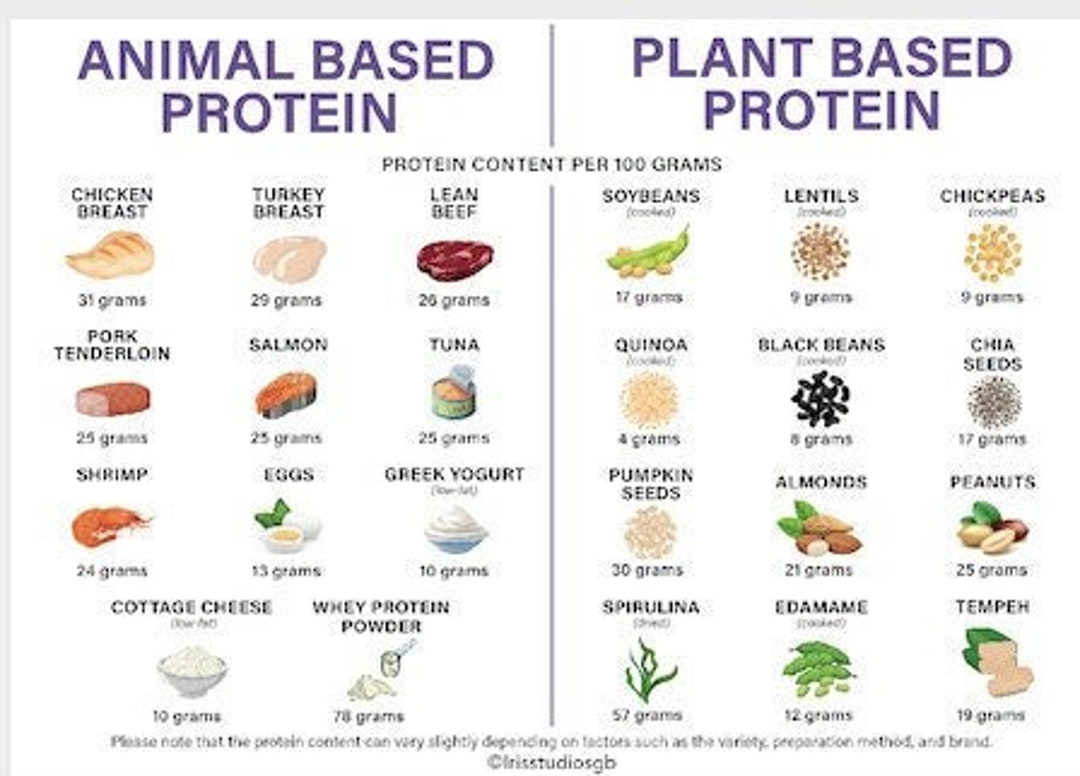
How much to eat? Aim for 0.7 to 1.0 grams of protein per pound of goal body weight. Adjust fat for hunger and energy. This helps the animal based 30 food list fit your needs, not someone else’s.
Shopping And Sourcing Guide
You do not need fancy cuts to succeed. Buy what you can afford and cook it well.
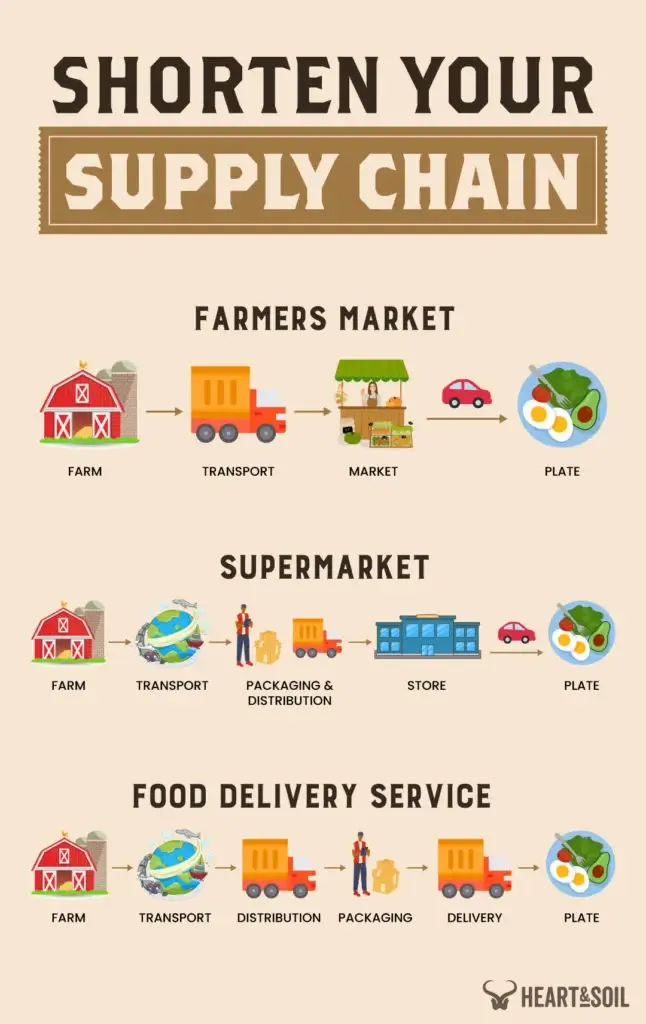
- Choose quality when possible. Grass-fed or pasture-raised for ruminants. Wild or low-mercury fish.
- Fresh or frozen both work. Frozen fish and ground beef are budget wins.
- Read labels. Pick bacon and dairy with few ingredients and no seed oils.
- Rotate seafood. Include sardines and mackerel for omega-3s and low mercury.
- Organ meats. Start small. One to two ounces a few times a week is enough.
- Store and prep. Batch-cook ground beef. Freeze bone broth in cubes.
When I started, I kept five items on repeat. It made the animal based 30 food list feel simple and stress free.
Tips, Mistakes, And Variations
Common mistakes are easy to fix.
- Too little salt. Add 1 to 2 teaspoons per day across meals if you eat very low carb. Adjust to taste and health needs.
- Cutting fat too low. Include some fat for energy and flavor.
- Jumping into large organ servings. Start small to avoid nausea.
- Not drinking enough water. Dehydration can cause headaches.
- Living on only bacon. Use a mix of meats and fish.
Helpful tips:
- Use bone broth in slow cooks for extra glycine.
- If dairy bothers you, try ghee or aged cheese. Or skip dairy.
- If hunger is high, raise protein first, then add fat.
- Use simple seasonings to keep meals tasty and easy.
The animal based 30 food list is flexible. Tailor it to your goals and your gut.

Safety, Allergies, And Who Should Be Careful
Talk to your clinician if you have kidney disease, gout, or gallbladder issues. Some people see LDL cholesterol rise with high saturated fat. If that is you, lean cuts and more seafood can help.
Pregnant people should avoid raw or undercooked foods. Histamine issues can flare with aged meats and fish. Choose very fresh options. If lactose is a problem, use ghee, aged cheese, or skip dairy. Shellfish allergies need obvious swaps. You can still run an animal based 30 food list with beef, lamb, eggs, and bone broth.

7-Day Simple Meal Ideas
These ideas use the animal based 30 food list to keep life easy. Mix and match based on hunger and schedule.
- Day 1: Ribeye with butter. Sardines on the side at lunch. Bone broth.
- Day 2: Ground beef patties with ghee. Aged cheddar. Shrimp in garlic.
- Day 3: Salmon with salt and lemon. Chicken thighs. Greek yogurt if you tolerate dairy.
- Day 4: Lamb chops. Oysters. Bone broth before bed.
- Day 5: Turkey breast with butter. Pork belly. Cottage-style yogurt swap if needed.
- Day 6: Bison steak. Eggs over easy in ghee. Mussels in broth.
- Day 7: Cod with butter sauce. Bacon and eggs. Small serving of liver.
Keep portions simple. Eat to comfortable fullness. Adjust based on training and sleep.
Frequently Asked Questions of animal based 30 food list
What is the animal based 30 food list?
It is a set of 30 animal foods to guide your meals for a month. It helps you focus on protein, healthy fats, and key micronutrients.
Can I include fruit or honey on this plan?
Some versions add fruit and honey. This article stays focused on a strict animal based 30 food list to keep things simple.
How much protein should I eat per day?
A good range is 0.7 to 1.0 grams per pound of goal body weight. Adjust up if you train hard or have higher needs.
Do I have to eat organ meats?
No, but small amounts add big nutrients. Start with one to two ounces of liver once or twice a week.
Is dairy required?
Not at all. If dairy works for you, choose full-fat options. If not, use ghee or skip it.
Will I get constipated?
Some people do at first. Add more salt, fluids, and bone broth. Many adjust within a week.
Is this safe long term?
Most healthy adults can do well with a well-planned animal-based plan. Work with your clinician if you have medical conditions or see unusual lab changes.
Conclusion
The animal based 30 food list gives you clarity, structure, and strong nutrition. It is rich in protein, minerals, and healthy fats. It cuts noise and helps you feel satisfied with simple meals.
Try it for a month. Plan your staples. Prep a few go-to plates. Track how you feel and adjust. If this guide helped, subscribe for more tips, share your favorite meals, or leave a comment with your results.

Leave a Reply