
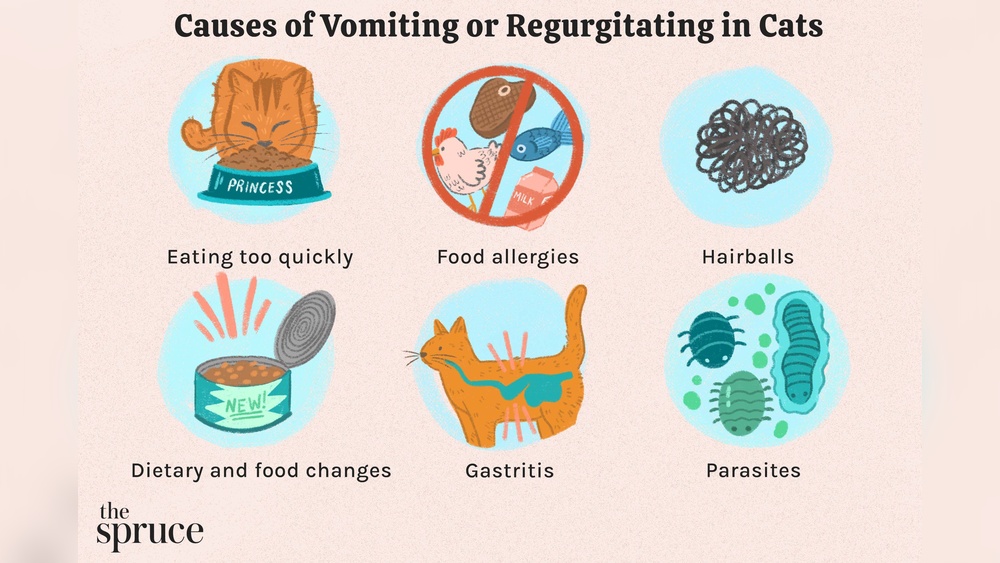
Every cat owner knows the joy of watching their pet enjoy a meal. But what if your cat starts vomiting after eating dry food? This is a worrying sight for anyone. You may see your cat rush to the food bowl, eat quickly, and then throw up minutes later. Or maybe your cat seems fine, but you’re cleaning up vomit too often. If this sounds familiar, you’re not alone. Many cat parents across the USA experience this problem.
Dry food, or kibble, is convenient and popular in American homes. It’s easy to store and usually less expensive than wet food. But for some cats, dry food can cause digestive trouble. Vomiting is more than just a mess—it’s a signal that something isn’t right.
In this article, you’ll find clear answers about why this happens, what you can do, and how to choose the best food for cats with this issue. You’ll learn practical solutions, get expert tips, and see real examples to help your cat live a healthier, happier life.
Why Do Cats Vomit After Eating Dry Food?
Vomiting is not normal for cats, even if it seems common. Here are the main reasons cats throw up after eating dry food:
1. Eating Too Fast
Some cats, especially in multi-cat homes, eat quickly because they feel they must compete for food. When a cat gulps dry kibble, it swallows air, which can cause regurgitation soon after eating. This is different from true vomiting, which involves stomach contractions.
2. Dry Food Size And Shape
Dry kibble pieces can be too large or oddly shaped for some cats. If a cat doesn’t chew well, chunks can irritate the throat or stomach, leading to vomiting.
3. Food Sensitivities Or Allergies
Just like people, cats can have food allergies or sensitivities. Common triggers in dry food include chicken, beef, fish, dairy, and grains like corn or wheat. If your cat is sensitive to an ingredient, vomiting is a frequent reaction.
4. Lack Of Moisture
Cats naturally have a low thirst drive. Their ancestors got water from prey. Dry food contains about 10% moisture, compared to 70–80% in wet food. This lack of water can make kibble hard to digest, leading to vomiting, especially in older cats.
5. Underlying Health Problems
Sometimes vomiting after dry food points to bigger health issues:
- Hairballs: Dry food may not help hair pass through the digestive tract.
- Dental issues: Painful teeth make chewing kibble hard.
- Gastrointestinal diseases: Inflammatory bowel disease (IBD), pancreatitis, or food intolerances can all cause vomiting.
A key insight: Many owners think an occasional vomit is normal. It’s not. More than once a month should prompt investigation.
How To Tell If Your Cat’s Vomiting Is Serious
It’s important to know when you need a vet’s help versus when you can try changes at home. Watch for these signs:
- Frequent vomiting (more than once a week)
- Weight loss
- Lethargy (sleeping more than usual)
- Diarrhea
- Blood in vomit or stool
- Loss of appetite
If your cat shows these symptoms, see your veterinarian. Vomiting that starts suddenly, is severe, or doesn’t improve with diet changes is a red flag.
Many cat owners miss subtle signs. For example, a cat who only eats half her meal or hides after vomiting may be in pain. Don’t wait for obvious sickness.
The Right Cat Food For Vomiting After Eating Dry Food
If your cat vomits after eating dry food, changing what and how you feed can help. The right food depends on the cause, but here’s what matters most:
1. High Moisture Content
Cats do better when their food has more water. Wet or canned food is closer to a natural diet and is easier to digest. If you prefer dry food, look for moisture-rich kibbles or add water/broth to regular kibble.
2. Limited Ingredients
Foods with fewer ingredients reduce the risk of triggering a sensitivity. Look for limited ingredient diets (LID) with one protein and one carbohydrate source.
3. Easily Digestible Proteins
Chicken, turkey, or rabbit are usually gentle on the stomach. Avoid by-products or mystery meats.
4. Grain-free Or Sensitive Stomach Formulas
Some cats are sensitive to grains like corn, wheat, or soy. Try grain-free recipes or those marked for sensitive stomachs.
5. Smaller Kibble Size
Kibble that’s too big or hard can cause vomiting. Choose foods with small, round pieces that are easy to chew and swallow.
6. Added Fiber
Fiber helps hairballs pass and supports digestion. Look for foods with beet pulp, pumpkin, or prebiotics.
Let’s compare popular options:
| Food Type | Moisture (%) | Main Protein | Special Features |
|---|---|---|---|
| Wet/Canned | 75-80 | Chicken, Turkey, Fish | High moisture, gentle on stomach |
| Dry (Kibble) | 8-12 | Chicken, Salmon, Duck | Convenient, may need soaking |
| Freeze-Dried | 5-7 | Rabbit, Duck, Turkey | Can be rehydrated, minimal processing |
| Limited Ingredient | Varies | Single protein | Reduces allergy risk |
Transitioning To A New Cat Food
Switching foods suddenly can cause more vomiting. Cats have sensitive stomachs, so take it slow:
- Mix 75% old food with 25% new food for 2–3 days.
- Move to 50% old, 50% new for 2–3 days.
- Then 25% old, 75% new for 2–3 days.
- Finally, 100% new food.
During the switch, monitor for vomiting, diarrhea, or appetite changes. If problems persist, slow down the transition.
A non-obvious tip: Even if your cat loves the new food, resist switching all at once. Some cats seem fine for a few days, then react badly.
Top Cat Food Brands For Vomiting After Eating Dry Food
Here are some trusted cat food brands chosen by American cat owners and veterinarians. These options focus on sensitive stomachs and fewer ingredients:
1. Hill’s Science Diet Sensitive Stomach & Skin
This food is made for cats with digestive issues. It contains prebiotic fiber and easy-to-digest ingredients. Many owners report less vomiting and shinier coats.
2. Blue Buffalo Basics Limited Ingredient Diet
Blue Buffalo uses a single protein and gentle carbs like potatoes or peas. It’s grain-free and avoids common allergens.
3. Royal Canin Digest Sensitive Loaf In Sauce (wet Food)
This is a canned option for cats who don’t tolerate dry kibble. It’s soft, high in moisture, and balanced for sensitive digestion.
4. Purina Pro Plan Focus Sensitive Skin & Stomach
Purina’s formula uses easily digestible salmon and rice. It includes antioxidants and omega-6 fatty acids for overall health.
5. Natural Balance L.i.d. (limited Ingredient Diets)
This brand offers both dry and wet versions. The recipes feature a single animal protein and limited carbs, making it suitable for allergy-prone cats.
6. Instinct Limited Ingredient Diet Grain-free Recipe
Instinct uses one animal protein and one vegetable. It’s grain-free and avoids dairy, eggs, and chicken (common allergens).
7. Merrick Purrfect Bistro Grain-free Sensitive Stomach
Merrick uses deboned chicken or salmon and includes probiotics to help with digestion.
8. Wellness Core Digestive Health
This food contains prebiotics, probiotics, and high-quality proteins. It’s free of fillers and artificial ingredients.
9. Iams Proactive Health Sensitive Digestion & Skin
Iams offers an affordable option with turkey as the first ingredient. It’s easy to find in most US stores.
10. Blue Buffalo True Solutions Blissful Belly
Specially designed for cats with tummy troubles, this food is made with natural ingredients and is veterinarian-recommended.
Each brand has different flavors and types. Always check the ingredient list and consult your vet before making big changes.
Homemade Cat Food Options
Some owners prefer making food at home, especially if commercial diets aren’t working. Home-cooked meals let you control every ingredient. However, homemade food must be nutritionally complete. Cats need taurine, calcium, and certain vitamins not found in meat alone.
A simple example:
- Protein: Cooked chicken or turkey (no bones, skinless)
- Carbohydrate: Steamed pumpkin or sweet potato
- Fat: Small amount of olive or fish oil
- Supplements: Taurine, calcium (ask your vet for brands and doses)
Never feed only cooked meat or fish—this leads to deficiencies. Work with your vet or a pet nutritionist to create a balanced recipe.
Feeding Strategies That Reduce Vomiting
Besides changing food, how you feed your cat matters. Here are strategies that help:
1. Feed Small, Frequent Meals
Cats’ stomachs are small. Divide the daily food into 3–4 smaller meals to prevent overloading the stomach.
2. Slow Feeder Bowls Or Puzzle Toys
These bowls force cats to eat slowly and chew more. They also add mental stimulation. Many cats vomit less with slow feeders.
3. Raise The Food Bowl
Sometimes, raising the bowl a few inches helps cats swallow more easily, especially older or flat-faced (brachycephalic) cats.
4. Add Moisture
If your cat prefers dry food, try adding warm water or low-sodium chicken broth. This softens the kibble and helps with digestion.
5. Keep Food And Water Separate
Some cats vomit if they drink a lot of water right after eating. Try placing the water dish in a different spot from the food bowl.
6. Avoid Dairy And Table Scraps
Many cats are lactose intolerant. Even a small amount of cheese or milk can cause vomiting. Stick to cat-specific treats.
When To Consider Prescription Diets
If your cat has a diagnosed condition—like IBD, pancreatitis, or food allergies—a prescription diet may be the safest choice. These foods are made to be gentle, complete, and often need a vet’s prescription.
Some examples:
- Hill’s Prescription Diet z/d: Hydrolyzed protein for severe allergies
- Royal Canin Gastrointestinal Moderate Calorie: Designed for chronic vomiting and diarrhea
Prescription diets are more expensive, but many cats improve dramatically on them.
The Role Of Hydration
Cats who eat only dry food often don’t drink enough water. Mild dehydration can make vomiting worse. Try these hydration tips:
- Offer several water bowls around your home.
- Try a cat water fountain—many cats prefer running water.
- Add water or broth to food.
- Offer ice cubes as a treat (some cats love to bat them around).
Chronic dehydration can lead to kidney disease, especially in older cats.
Understanding Hairballs Vs. Vomiting
Not all vomiting is due to food. Hairballs are common, especially in long-haired breeds like Persians or Maine Coons. If your cat hacks up fur mixed with food, it can look like vomiting.
To help with hairballs:
- Brush your cat regularly to remove loose fur.
- Feed a hairball-control formula with extra fiber.
- Use hairball gels if recommended by your vet.
If your cat vomits only hairballs once a month, that’s usually normal. Frequent or food-related vomiting needs attention.
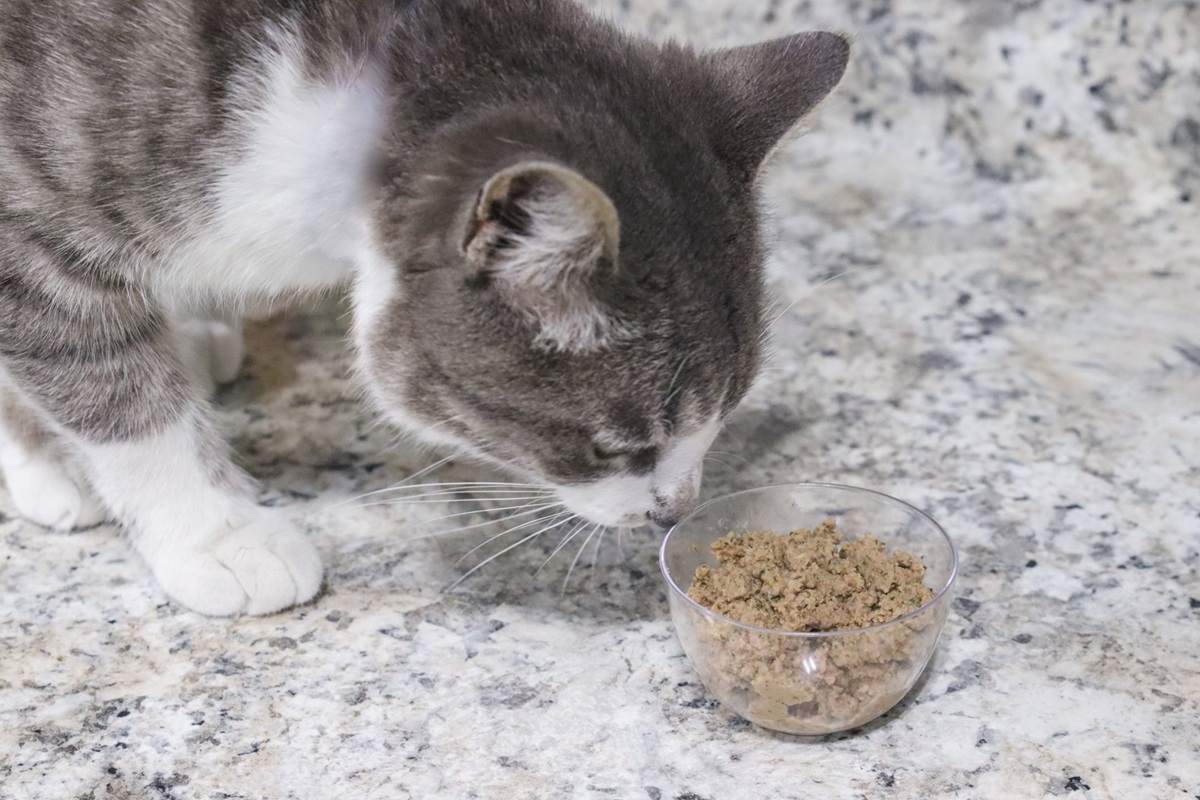
Credit: cats.com
Common Mistakes Cat Owners Make
Many well-meaning owners accidentally make things worse. Here are mistakes to avoid:
- Switching foods too quickly: Sudden changes shock the digestive system.
- Ignoring food allergies: Don’t assume vomiting is normal for your cat.
- Feeding only dry food: Most cats do better with at least some wet food.
- Overfeeding: Too much food at once can cause regurgitation.
- Using low-quality foods: Cheaper foods often use fillers and dyes that upset stomachs.
- Not seeking veterinary advice: Chronic vomiting is a medical issue.
A key insight: If you have multiple cats, separate feeding stations. This prevents competition and gulping.
When To See The Vet
Vomiting is a symptom, not a disease. If your cat continues vomiting after food changes, or if you see other symptoms (like weight loss or blood), a vet visit is necessary. The vet may do blood tests, X-rays, or an ultrasound to check for hidden problems.
In some cases, vomiting signals a serious disease like kidney failure, liver disease, or cancer. Early diagnosis makes a big difference.
How To Read Cat Food Labels
Understanding labels helps you pick the best food. Here’s what to look for:
- Named protein first: “Chicken,” “Turkey,” or “Salmon” should be the first ingredient.
- Limited fillers: Avoid foods with corn, wheat, soy, or artificial colors.
- AAFCO statement: This means the food is complete and balanced.
- Short ingredient list: Fewer ingredients often mean fewer allergy risks.
Let’s look at an example:
| Label Term | What It Means |
|---|---|
| By-product meal | Ground parts not usually eaten (feet, beaks) |
| Natural | No artificial chemicals added |
| Grain-free | No corn, wheat, or soy |
| With real chicken | Some chicken, but not always the main protein |
Real-life Stories From Cat Owners
Americans across the country have faced the challenge of cats vomiting after dry food. Here are a couple of real examples:
- Megan from Ohio noticed her cat Jasper threw up every time she switched to a “supermarket brand” dry food. Her vet suggested a grain-free, limited ingredient diet. After a slow transition, Jasper’s vomiting stopped, and his energy improved.
- Carlos in Texas found that splitting his cat’s meals into four small portions and using a puzzle feeder made a big difference. His cat, Luna, went from vomiting three times a week to almost never.
These stories show that with patience and the right approach, you can help your cat feel better.
How To Choose The Best Food For Your Cat
Every cat is unique. Here are steps to find the best food for a cat who vomits after dry food:
- Consult your veterinarian to rule out medical causes.
- Try a limited ingredient or sensitive stomach formula.
- Add moisture—switch to wet food or soak kibble.
- Introduce new food slowly.
- Monitor for improvement—keep a diary of vomiting episodes.
- Adjust as needed—what works for one cat may not work for another.
If you want more detailed guidelines, the American Association of Feed Control Officials (AAFCO) sets pet food standards. You can learn more at their official website.
Cost Comparison: Dry Vs. Wet Vs. Special Diets
Many owners worry about cost. Here’s a simple comparison:
| Food Type | Average Cost (per lb) | Monthly Cost (1 cat) |
|---|---|---|
| Regular Dry Food | $2–$4 | $10–$20 |
| Wet/Canned Food | $6–$10 | $30–$50 |
| Limited Ingredient/Sensitive | $4–$8 | $20–$40 |
| Prescription Diets | $8–$15 | $40–$70 |
Switching to better food may cost more, but it can save on vet bills and improve your cat’s quality of life.
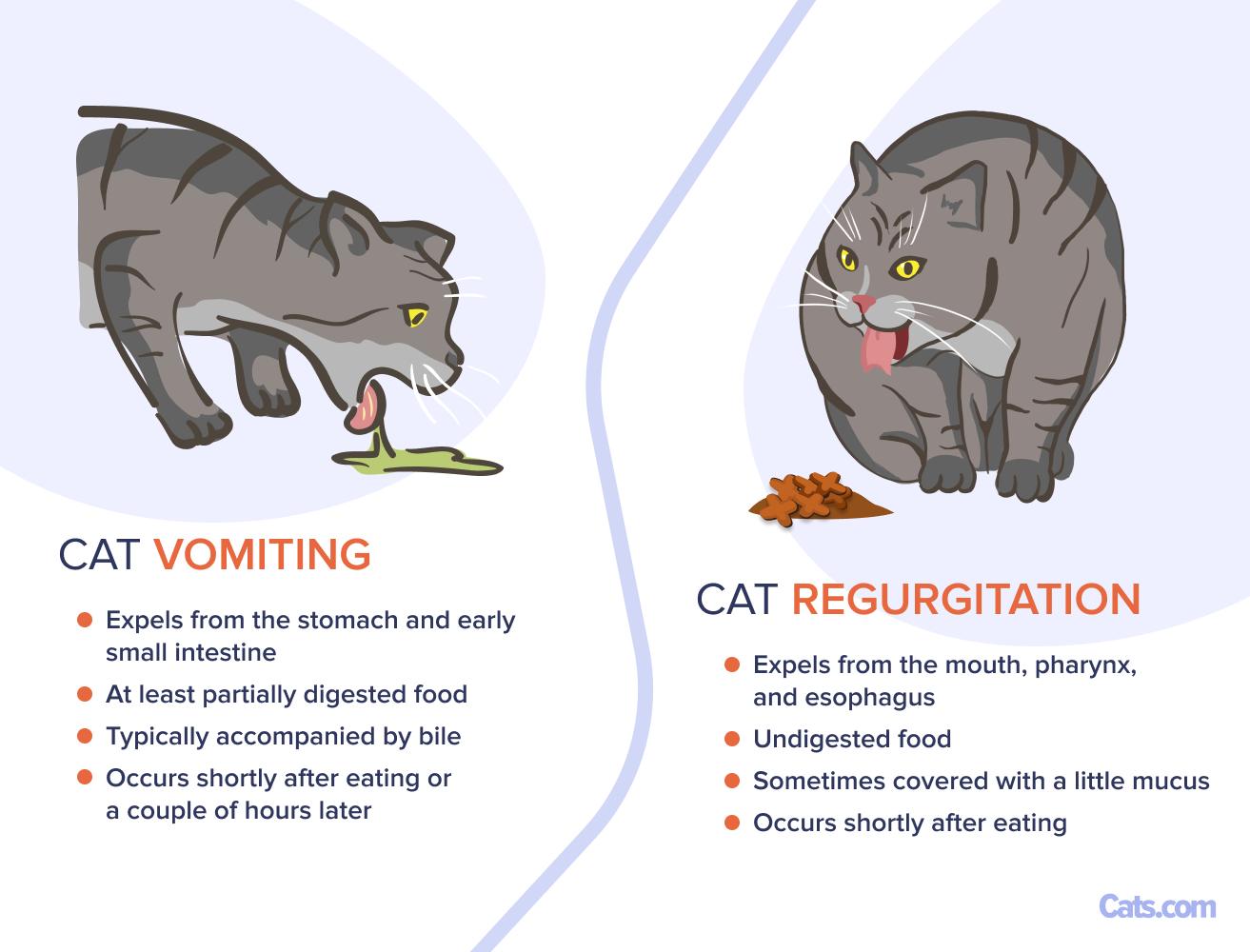
Credit: cats.com
The Takeaway: Helping Your Cat Thrive
When your cat vomits after eating dry food, it’s not just an inconvenience. It’s a sign to pay attention. The cause could be as simple as eating too fast, or as complex as a food allergy or illness. With careful observation, smart food choices, and a partnership with your vet, most cats recover well.
Remember:
- Choose food with gentle, simple ingredients.
- Add moisture whenever possible.
- Feed small, frequent meals.
- Watch for signs of serious illness.
You don’t have to face this alone. Reach out to your vet, join cat owner communities, and keep learning. Your cat depends on you for health and comfort.
Frequently Asked Questions
Why Does My Cat Vomit Only After Eating Dry Food?
Dry food is low in moisture and often contains fillers or ingredients some cats can’t digest well. Eating too quickly or not chewing dry food can also cause vomiting. Wet food usually digests more easily.
How Do I Know If My Cat Has A Food Allergy?
Common signs include vomiting, diarrhea, itchy skin, or hair loss. An elimination diet (removing suspected allergens) is the most reliable way to find food allergies. Your vet can help guide this process.
Can I Feed My Cat Homemade Food To Stop Vomiting?
Yes, but homemade food must be nutritionally complete. Cats need specific nutrients like taurine and calcium. Work with your vet or a pet nutritionist to build a safe recipe.
Should I Switch To Wet Food If My Cat Vomits After Dry Food?
Often, yes. Wet food is easier for many cats to digest because of the higher moisture content. Transition slowly and watch for improvement.
Is Vomiting Normal For Cats?
No. Occasional hairballs are normal, but regular vomiting (more than once a month) is not. It usually signals a digestive or medical problem that needs attention.
Helping your cat with vomiting after eating dry food is possible. With the right diet, feeding strategies, and veterinary support, you can give your pet the comfort and health they deserve.
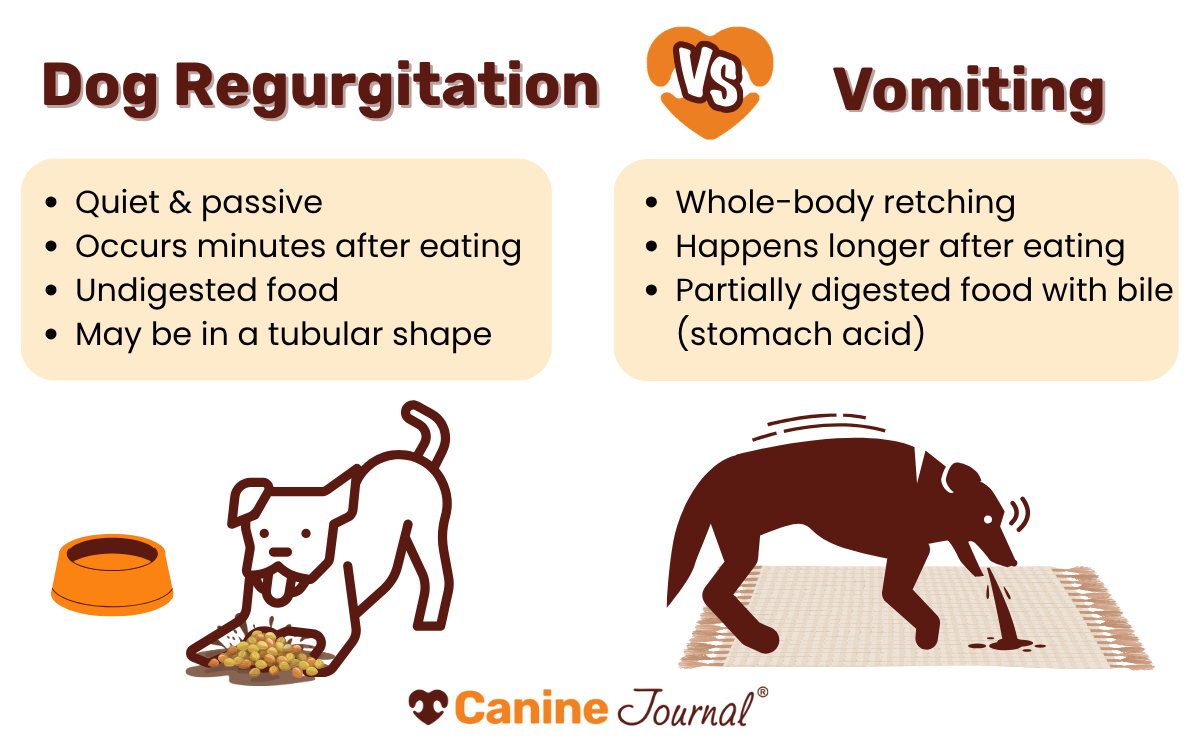
Credit: www.nilds.gov.ng

Leave a Reply