Rabbits are gentle pets loved by many people. Feeding them well is very important. Good food helps rabbits stay healthy and happy. But what is better for rabbits? Homemade food or commercial pellets? Let’s learn about both options.
What Is Homemade Rabbit Food?
Homemade rabbit food means food you prepare at home. It has fresh vegetables, fruits, and herbs. You can also add some grains or hay. Homemade food is natural and fresh. You decide what goes into your rabbit’s bowl. It can be easy and cheap to make. But it takes time to prepare every day.
Common Ingredients In Homemade Rabbit Food
- Fresh hay (such as timothy hay)
- Leafy greens (like lettuce, spinach, kale)
- Vegetables (carrots, bell peppers, cucumber)
- Fruits (small amounts of apples, berries)
- Herbs (parsley, cilantro, basil)
Each ingredient gives rabbits different nutrients. Fresh vegetables give vitamins and water. Hay helps rabbits grind their teeth. Fruits are treats and should be given in small amounts.
What Are Commercial Pellets?
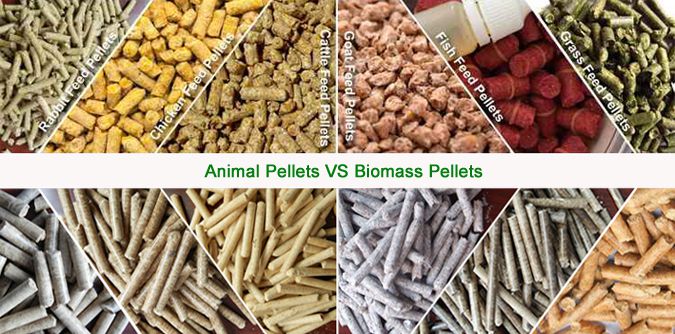
Commercial pellets are made in factories. They have many nutrients mixed in one small piece. Pellets are easy to feed. You just give the right amount each day. They last long and do not spoil fast. Pellets are made to give rabbits the food they need.
What Do Pellets Contain?
- Fiber from hay or grass
- Protein for muscle growth
- Vitamins and minerals
- Sometimes added seeds or grains
Pellets are balanced to keep rabbits healthy. But some pellets may have fillers or sugar. It is important to choose good quality pellets.
Benefits of Homemade Rabbit Food
Homemade food has many good points. Here are some benefits:
- Freshness: Food is fresh and natural.
- No chemicals: You avoid preservatives or additives.
- Variety: You can change the food often.
- Cost: Using garden vegetables can save money.
- Control: You decide the quality and amount.
Rabbits like fresh food. It can be fun to prepare food for your pet. It also helps you watch what your rabbit eats closely.
Benefits of Commercial Pellets
Pellets have their own strong points too. Look at these benefits:
- Convenience: Easy to feed and store.
- Nutrition: Balanced nutrients in every pellet.
- Less waste: Rabbits usually eat all the pellets.
- Consistent quality: Made under strict rules.
- Long shelf life: Pellets last longer than fresh food.
Pellets are good for busy owners. You do not worry about daily shopping or preparing food.
Drawbacks of Homemade Rabbit Food
Homemade food is not perfect. Here are some problems:
- Time-consuming: Preparing fresh food takes time.
- Risk of imbalance: Too much or too little of some nutrients.
- Storage problems: Fresh food spoils fast.
- Not always available: Some vegetables may be hard to find.
- Wastage: Rabbits may not like all fresh food.
It is easy to make mistakes in homemade diets. Rabbits need fiber, protein, and vitamins in the right amounts.
Drawbacks of Commercial Pellets
Pellets also have some downsides. Here are some issues:
- Less variety: Rabbits may get bored with only pellets.
- Possible additives: Some pellets have fillers or sugar.
- Cost: Good pellets can be expensive.
- Overfeeding risk: Rabbits can eat too many pellets.
- Less fresh: No fresh water or crunch from fresh veggies.
Some pellets are low quality. Always check the label and choose well.
Credit: www.gemco-energy.com

Credit: silverhomestead.com
Which Is Better for Your Rabbit?
The answer is not simple. Both homemade food and pellets have good points. The best choice depends on your rabbit and lifestyle.
Many rabbit owners use both. They feed pellets and add fresh vegetables. This way, rabbits get balanced nutrition and fresh taste.
Tips For Feeding Rabbits Well
- Always provide fresh hay every day.
- Use pellets as a part of the diet, not the whole diet.
- Give fresh vegetables and leafy greens daily.
- Avoid sugary treats and too much fruit.
- Provide clean water all the time.
- Watch your rabbit’s health and weight.
Sample Daily Diet for a Rabbit
| Food Type | Amount | Notes |
|---|---|---|
| Fresh Timothy Hay | Unlimited | Most important part of diet |
| Commercial Pellets | 1/4 cup | Choose high-quality pellets |
| Fresh Leafy Greens | 1-2 cups | Mix different greens daily |
| Vegetables | 1/4 cup | Carrots, bell peppers, cucumber |
| Fruits (Treat) | 1-2 tablespoons | Give only occasionally |
Frequently Asked Questions
What Is Homemade Rabbit Food Made Of?
Homemade rabbit food usually contains fresh vegetables, hay, and some grains. It focuses on natural ingredients for better nutrition.
Are Commercial Pellets Safe For Rabbits To Eat?
Commercial pellets are generally safe but vary in quality. Choose high-fiber pellets without added sugars or artificial ingredients.
How Does Homemade Food Benefit Rabbit Health?
Homemade food offers fresh nutrients and fiber, which support digestion and teeth health. It allows control over ingredients.
Can Commercial Pellets Replace Fresh Vegetables For Rabbits?
Pellets cannot fully replace fresh vegetables. Rabbits need fresh greens for vitamins and hydration.
Conclusion
Feeding rabbits is a big responsibility. Homemade food and commercial pellets both have pros and cons. Fresh homemade food is natural and tasty. Pellets are easy and balanced. Most owners give both. They keep hay as the main food. Then, add pellets and fresh vegetables. This keeps rabbits healthy and happy.
Remember, always watch your rabbit closely. Change food slowly. And ask a vet if you see problems. Good food means a long, happy life for your rabbit.

Leave a Reply