Feeding your cat the right food is very important. Cats need proteins to stay strong and healthy. But how do you know which cat food has good proteins? The answer is simple: read the cat food label carefully. This guide will help you understand cat food labels. You will learn how to find healthy proteins for your cat.
Why Proteins Are Important for Cats
Cats are carnivores. This means they need meat to live well. Proteins come from meat, fish, and some plants. Proteins help build muscles, skin, and fur. They also give energy to cats. Without enough protein, cats can get weak or sick.
So, when you pick cat food, check the protein content first. Good protein makes your cat happy and active.
What to Look for on Cat Food Labels
Cat food labels have many words. Some are hard to understand. But you can find the important parts easily. Here are the main things to check:
- Ingredients list
- Guaranteed analysis
- Protein sources
- Protein percentage
Ingredients List
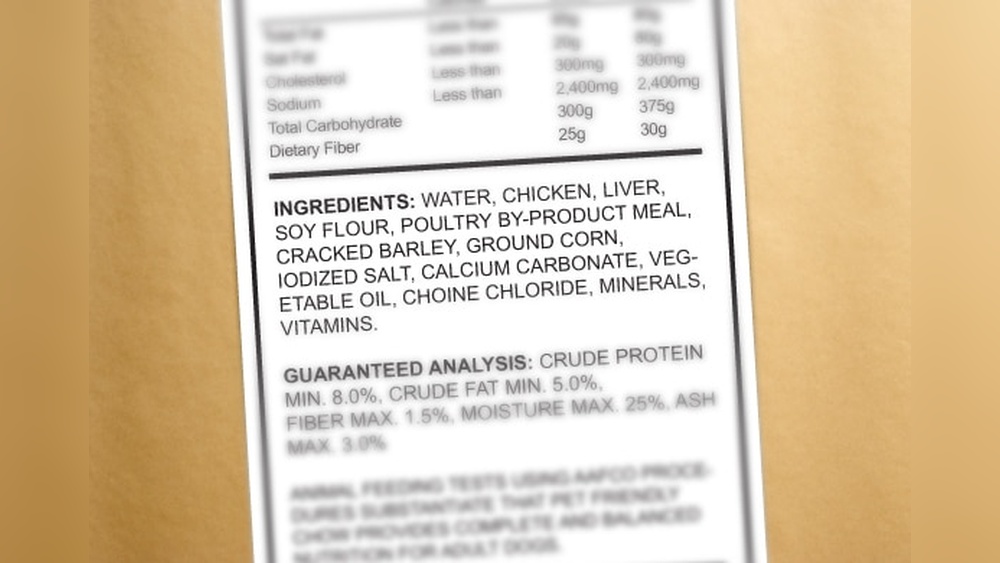
The ingredients list shows everything inside the food. It is written in order. The first ingredient is the most in the food. If meat is the first ingredient, that is good. For example, “chicken,” “beef,” or “fish” should be at the top.
If you see words like “meat by-product,” it means parts of meat that are less good. Not bad, but not the best. Try to choose food with real meat names first.
Guaranteed Analysis
This section tells you the amount of protein, fat, fiber, and moisture. Look for the protein number. It shows how much protein is in the food.
A good dry cat food usually has at least 30% protein. Wet food can have 8-12% protein. Remember, cats need protein, so choose food with more protein.
Protein Sources
Not all proteins are the same. Some are better for cats. Meat and fish proteins are the best. They have all the amino acids cats need.
Plant proteins, like corn or soy, are cheaper but less good. They do not have all amino acids. Cats need animal proteins more.
Protein Percentage
The protein percentage is important. It tells how much protein is in the food. Higher protein is better for cats. You can find this in the guaranteed analysis.
For example, if a dry food says 35% protein, it has good protein. If it says 20%, it may be low for cats.
Common Protein Words on Cat Food Labels
Here is a table of common protein words. It helps you know what each word means:
| Word on Label | Meaning | Good for Cats? |
|---|---|---|
| Chicken, Beef, Fish | Real meat or fish | Yes, very good |
| Chicken Meal, Fish Meal | Meat or fish cooked and dried | Good, concentrated protein |
| Meat By-Product | Parts of animals not usually eaten by humans | Okay, but less good |
| Animal Digest | Processed meat parts for flavor | Not a protein source |
| Corn, Soy, Wheat | Plant protein sources | Less good for cats |
How to Choose the Best Protein for Your Cat
Follow these simple steps when buying cat food:
- Check the first ingredient. It should be meat or fish.
- Look at the protein percentage. It should be high.
- Avoid too many plant proteins. Cats need meat proteins.
- Choose foods with meat meal. It is good protein.
- Stay away from vague words. Like “meat by-product” if possible.
Credit: www.thepetbeastro.com
Wet Food vs. Dry Food Protein
Wet and dry cat foods are different. Wet food has more water. So, protein numbers look smaller.
Dry food is more concentrated. It has higher protein per weight.
Example:
- Dry food: 35% protein
- Wet food: 10% protein
Both can be good. But remember wet food has water. So protein is less by weight.

Credit: www.petfoodinstitute.org
Common Mistakes When Reading Cat Food Labels
Many people get confused by labels. Here are some common mistakes:
- Thinking “by-product” means bad food. It is not always bad.
- Ignoring protein percentage. This is very important.
- Choosing food with too many grains or plants.
- Not checking if meat is the first ingredient.
- Confusing “animal digest” with protein source.
Avoid these mistakes. Your cat will thank you.
Why Some Proteins Are Better Than Others
Animal proteins have all amino acids cats need. These are called “complete proteins.” Cats cannot make some amino acids themselves. They need them from food.
Plant proteins miss some amino acids. So, they are “incomplete proteins.” Cats need animal proteins for health.
Good protein helps cats grow, have shiny fur, and stay strong.
Understanding Protein Quality
Protein quality means how good the protein is for your cat. High-quality protein is easier to digest.
For example, chicken and fish proteins are high quality. They give better nutrition than plant proteins.
Some cat foods add extra amino acids. This makes plant proteins better. But real meat is always best.
Tips for Feeding Your Cat Healthy Proteins
- Buy cat food with real meat listed first.
- Choose food with at least 30% protein for dry food.
- Mix wet and dry foods for variety.
- Ask your vet if unsure about food choice.
- Watch your cat’s health and energy levels.
Frequently Asked Questions
What Does “crude Protein” Mean On Cat Food Labels?
Crude protein shows the total protein amount in the food. It includes all types of protein from meat, fish, or plants. Cats need a high protein diet for energy and health.
How To Find Healthy Proteins In Cat Food?
Look for named meat sources like chicken or fish first on the label. Avoid vague terms like “meat by-products” as they are lower quality. Quality protein supports strong muscles and good health.
Why Are Animal Proteins Important For Cats?
Cats are carnivores and need animal proteins to stay healthy. Animal proteins provide essential amino acids cats cannot get from plants. These proteins help with growth, repair, and energy.
Can Plant Proteins Replace Animal Proteins For Cats?
Plant proteins do not fully meet a cat’s nutritional needs. Cats need specific nutrients found only in animal proteins. Plant proteins can be part of the diet but should not be the main source.
Conclusion
Reading cat food labels is easy when you know what to look for. Focus on protein sources and amounts. Choose food with real meat or fish first. Check the protein percentage in the guaranteed analysis. Avoid too many plant proteins or vague ingredients.
Healthy proteins keep your cat strong and happy. Now, you can pick the best food with confidence. Your cat will enjoy tasty, healthy meals every day.

Leave a Reply