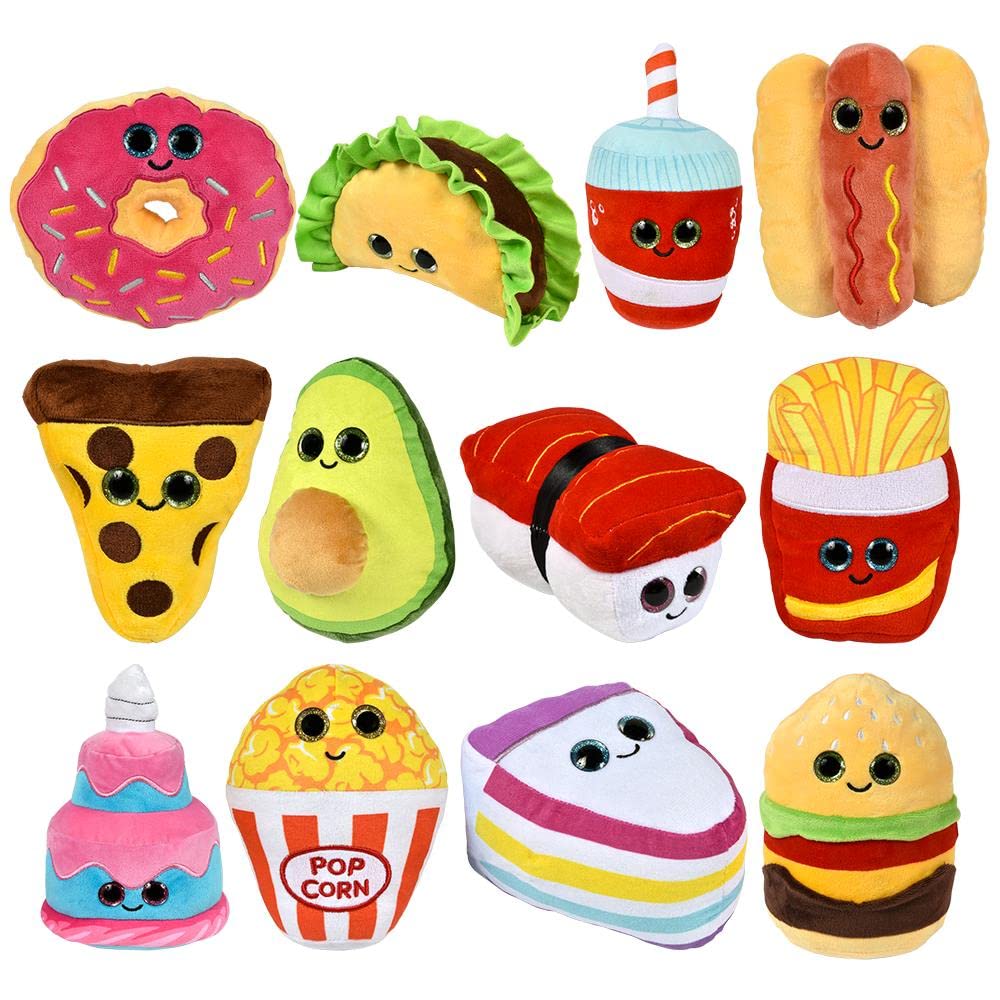
Food stuffed animals are plush toys shaped like favorite snacks and meals.
If you love cute decor, cozy comfort, and a dash of whimsy, you will adore food stuffed animals. I have spent years testing plush toys for softness, safety, and style. In this guide, I share what to buy, how to care for them, and ways to enjoy food stuffed animals at home, at work, or as gifts.
What Are Food Stuffed Animals?
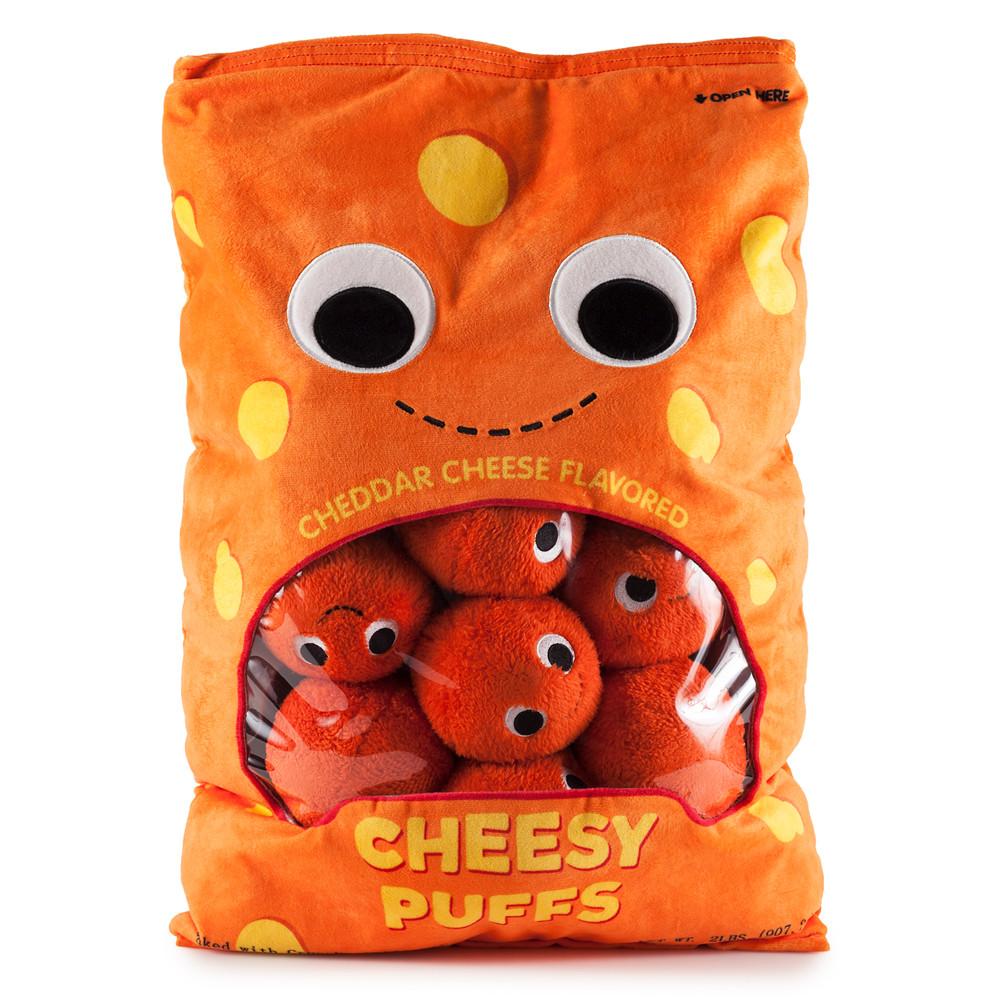
Food stuffed animals are plush toys that look like food. Think sushi rolls with smiling faces, giant squishy donuts, or a soft avocado with a pit that pops out. They blend comfort, color, and play.
They come in many sizes. You will find tiny keychain plushies and oversized floor cushions. Some are realistic, while others are cute and cartoon-like. Many brands now offer dessert plush, boba tea plush, pizza plush, bread loaves, and even dumpling plush.
These toys work for kids and adults. People use food stuffed animals for decor, stress relief, gifts, or photo props. Collectors also trade rare runs, seasonal sets, and exclusive drops.
Why People Love Food Stuffed Animals
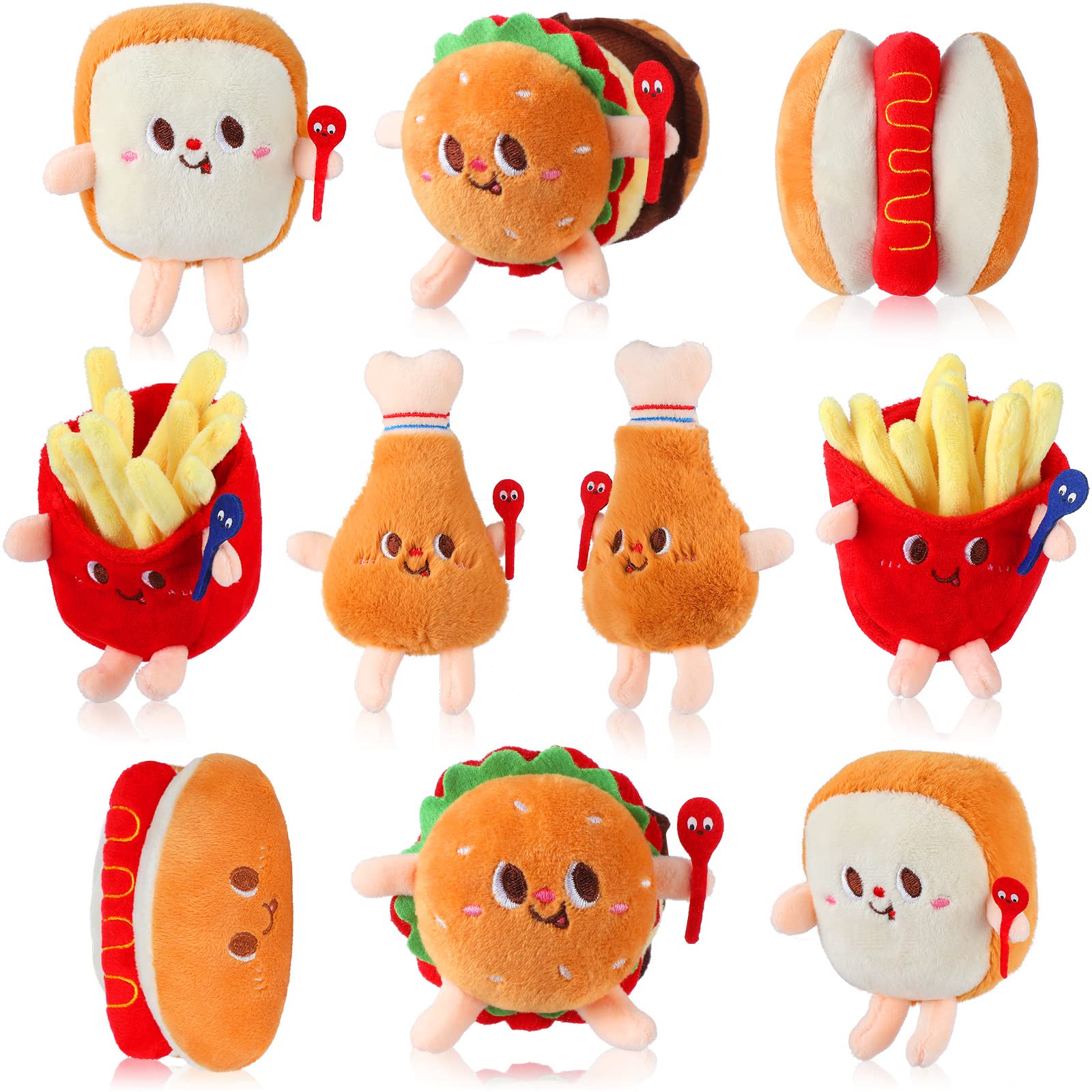
They are cute and fun. Food shapes feel familiar, so they spark joy fast. The soft textures bring calm and comfort after a long day.
They also work as decor. A ramen plush or croissant plush adds warmth to a sofa or bed. A bright fruit plush can lift the mood of a dorm or office.
Parents like them for play and learning. Food stuffed animals can help kids learn colors, shapes, and names of foods. Teens and adults love them for cozy vibes and as a way to show style.
From my own shelves, a giant baguette plush always gets a laugh. It turns a plain room into a happy space.
Safety, Materials, and Quality Standards
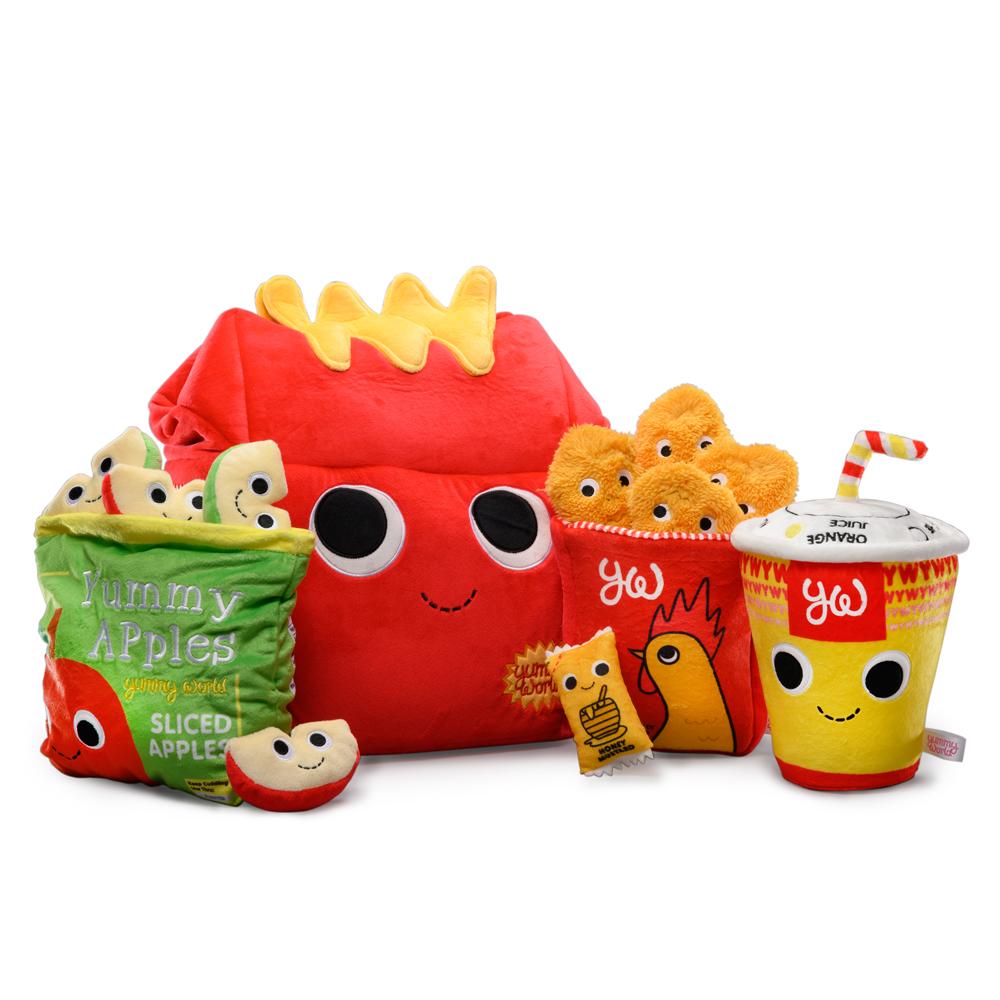
Safety comes first. Look for age grading and labels that state compliance with toy safety rules. Common rules include ASTM F963 in the United States and EN71 in Europe. For young kids, check for secure stitching, no loose parts, and safe eyes.
Materials matter. Most food stuffed animals use polyester fabric and fiberfill for a soft feel. Some use cotton blends or minky fabric for extra plushness. Avoid strong chemical smells. Dyes should not bleed when damp.
Washability is key. Check care tags for surface wash or machine wash rules. Tight seams, durable thread, and safe embroidery increase life span. If a plush has beads, make sure the liner keeps them locked in place.
I test new plush by tugging on seams and eyes. If a seam gapes or threads fray, I pass on it.

How to Choose the Best Food Stuffed Animals
Start with who it is for. For toddlers, choose embroidered faces and no small parts. For collectors, look for limited runs, tags, and clean stitching.
Think about size and softness. Oversized food stuffed animals are great for hugging. Medium sizes are better for beds and chairs. Try a simple squeeze test. If it springs back slow and even, the fill is likely high quality.
Check the fabric. Minky or velour feels extra soft. Short pile is easier to clean. If you have pets, go for tight fabric to resist hair and snags.
Look at care. Machine washable plush saves time. If surface wash only, make sure the cover resists stains. Read reviews for pilling, shedding, and durability.
Trending Types and Ideas
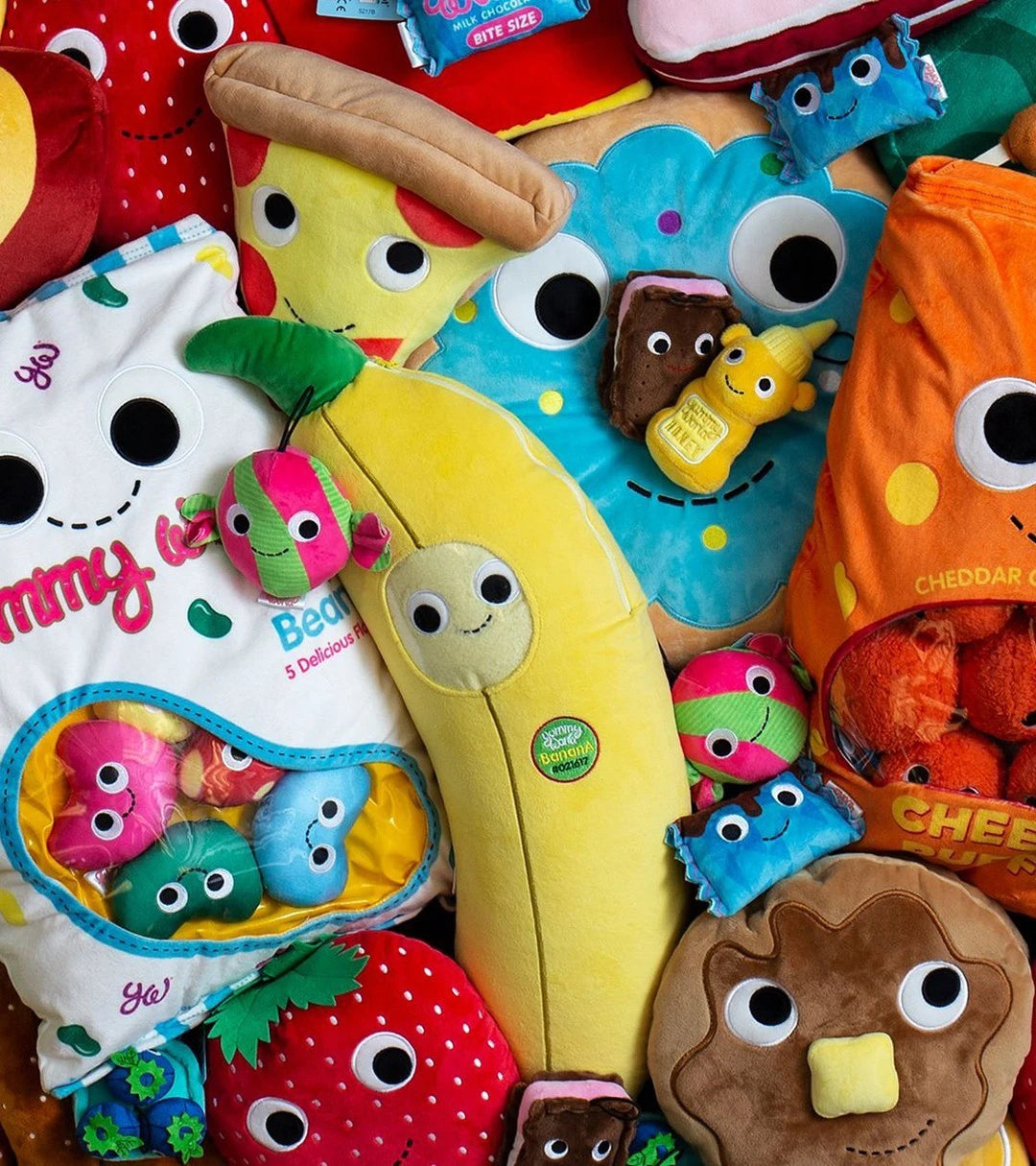
Popular picks right now include:
- Boba tea plush with removable straw tops
- Avocado plush with a detachable pit
- Sushi and onigiri plush sets for display
- Ramen bowls with soft egg and noodle details
- Pizza slices that form a full pie when joined
- Donut and cupcake dessert plush with sprinkles
- Bread loaf plush that doubles as a cushion
Seasonal themes are hot. Think pumpkin pie in fall or heart-shaped macarons in winter. Food stuffed animals with faces and soft blush keep trending across ages.

Care, Cleaning, and Storage Tips
Use a mesh laundry bag for machine-safe plush. Choose cold water and a gentle cycle. Air dry to protect shape. A fan helps speed it up. Avoid high heat.
For stains, dab with mild soap and water. Do not soak the whole plush if it is surface wash only. For odor, use baking soda, then vacuum with a handheld tool.
Store them in breathable bins to avoid dust. Rotate display pieces to prevent sun fade. For pet homes, keep a lint roller nearby.
I refresh older food stuffed animals with a soft brush after drying. It fluffs the fibers and restores the look.
DIY Food Stuffed Animals: Simple Tutorial
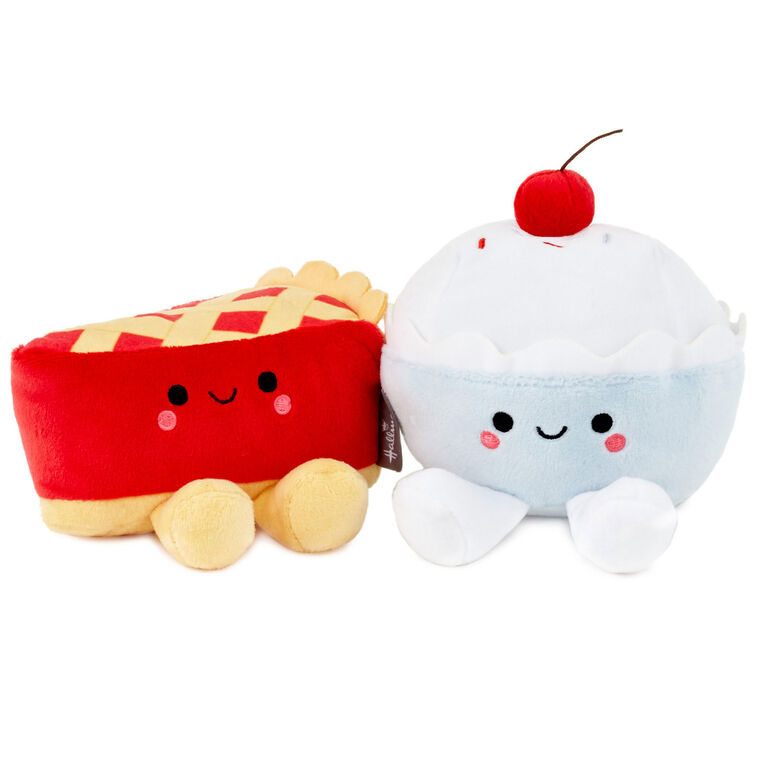
You can make your own with basic tools. Keep the shapes simple, like a donut, dumpling, or toast.
- Gather fabric, thread, needles, scissors, pins, and fiberfill.
- Draw a pattern on paper. Cut two fabric pieces for the front and back.
- Add a face using felt or embroidery before sewing closed.
- Sew around the edges, leave a small opening, turn inside out, and stuff.
- Close the gap with a ladder stitch for a neat seam.
Use child-safe fabric paint only if needed. Keep parts large and well stitched for little hands.

Gift Guide and Use Cases
Food stuffed animals make easy, joyful gifts. They fit birthdays, holidays, and care packages.
- For kids: choose fruit plush or cupcake plush with embroidered eyes.
- For teens: try boba plush, sushi plush, or quirky snacks.
- For college: bread loaf plush as a dorm pillow.
- For office: small dessert plush to brighten a desk.
- For stress relief: oversized, slow-rise plush for hugging.
Pair a plush with a matching snack in a gift box. It feels personal and fun.
Where to Buy and What to Avoid
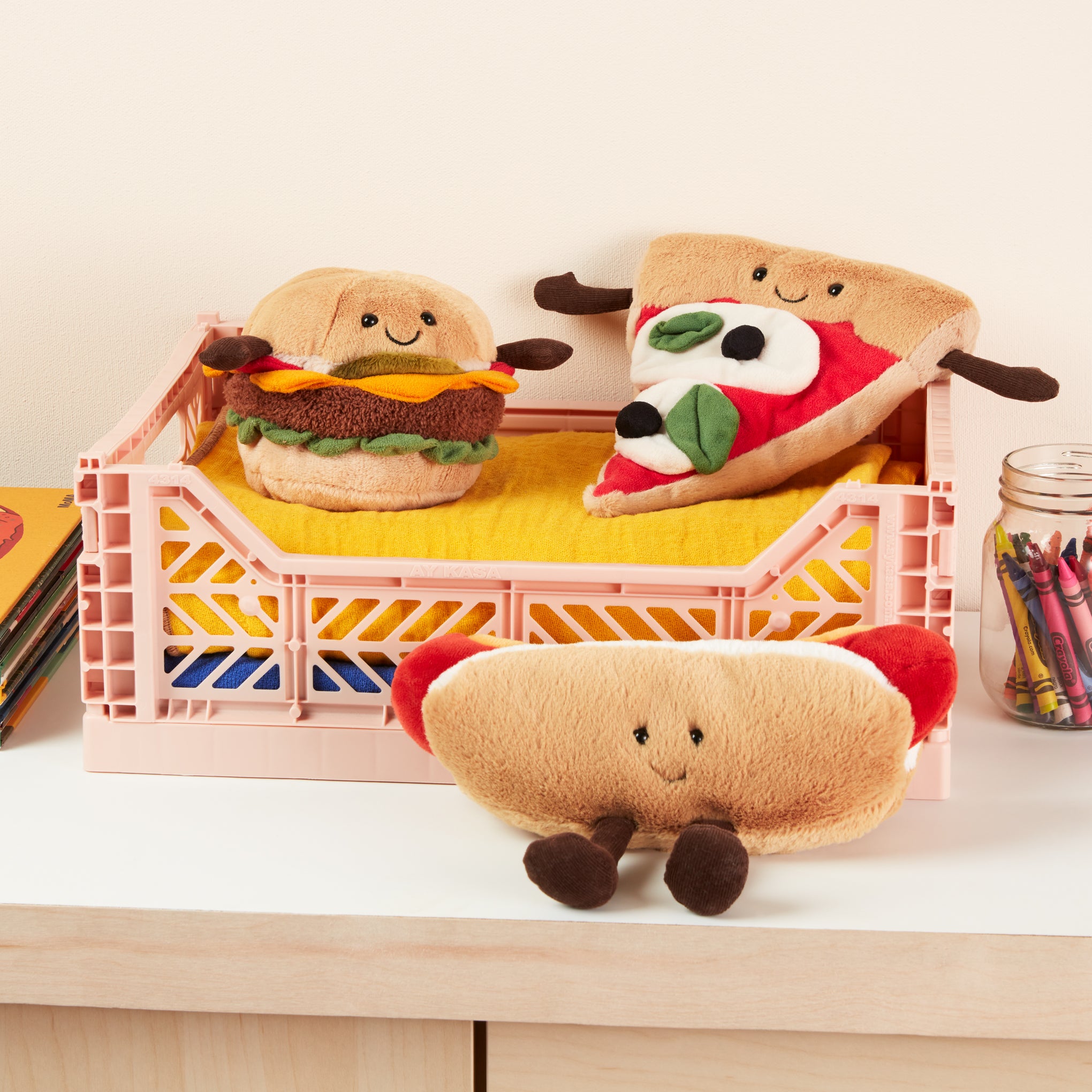
You can shop online stores, brand shops, boutique toy stores, and artist markets. Conventions and craft fairs often feature handmade food stuffed animals with unique designs.
Watch for counterfeits. Check seller ratings, product tags, and clear photos. Real listings show fabric texture, seams, and care labels. Avoid items with vague descriptions or no safety info.
Read reviews about shedding, smell, and seams. If you see repeat issues, skip it.
Budget and Value: Price Ranges
Prices vary by size, fabric, and brand.
- Minis and keychains: very affordable
- Small to medium plush: moderate
- Oversized floor plush: higher
- Limited editions or artist handmade: premium
Value comes from quality stitching, safe materials, and easy care. A well-made plush feels better and lasts longer, so it often saves money over time.
Collecting and Community
Collectors track sets, tags, and drops. Many keep a log with buy dates and care notes. Some rotate displays by season or theme, like sushi month or dessert week.
Engage with communities through social hashtags, local swaps, and photo challenges. Use natural light and clean backgrounds to show colors and textures. Keep original tags if you plan to resell.
I label storage bins by theme. My ramen and sushi food stuffed animals share one bin. It makes setup fast and fun.
Frequently Asked Questions of food stuffed animals
Are food stuffed animals safe for toddlers?
Choose plush with embroidered features and no small parts. Look for safety labels and age grading for peace of mind.
How do I wash food stuffed animals without damage?
Use a mesh bag, gentle cycle, and cold water if machine safe. Air dry and brush the fibers lightly after.
What sizes work best for small rooms?
Small to medium plush save space and still look great. Choose one oversized piece as a statement if you want impact.
How can I spot a quality plush before buying?
Check seams, fabric density, and labels. Give a light tug on arms and details to test stitch strength.
Do food stuffed animals help with stress?
Yes, the soft feel and playful shapes can calm and comfort. Many people use them for quick mood boosts during breaks.
Are handmade food stuffed animals worth it?
They can be, due to unique design and craft. Make sure the maker uses safe materials and solid stitching.
Conclusion
Food stuffed animals bring warmth, fun, and comfort to any space. With the right picks, you get safe materials, soft textures, and playful designs that last. Use the tips here to choose well, care with ease, and build a small collection that feels like you.
Start with one piece that makes you smile, then add a theme you love. Share your favorites, ask questions, or subscribe for more guides and ideas on the best plush and cozy decor.

Leave a Reply