
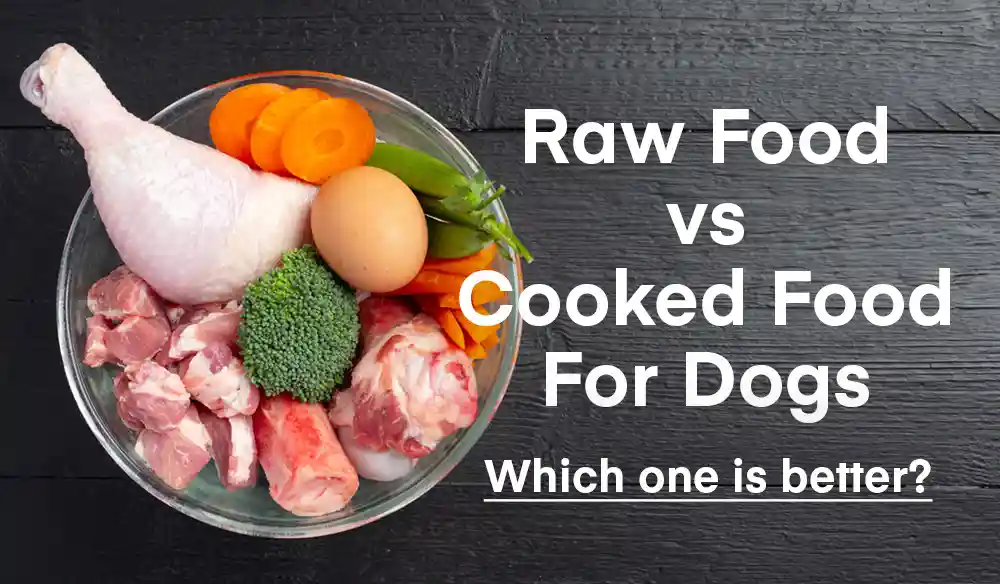
Raw dog food vs cooked dog food comes down to safety, balance, and your dog’s needs.
You want the best for your pup, and the choices can feel loud. I’ve guided many pet parents through Raw dog food vs cooked dog food, and I’ve fed both in my own home. In this guide, I break down the science, the risks, and the wins. You’ll get practical steps, real stories, and simple tips to help you choose with confidence.

What each diet really means
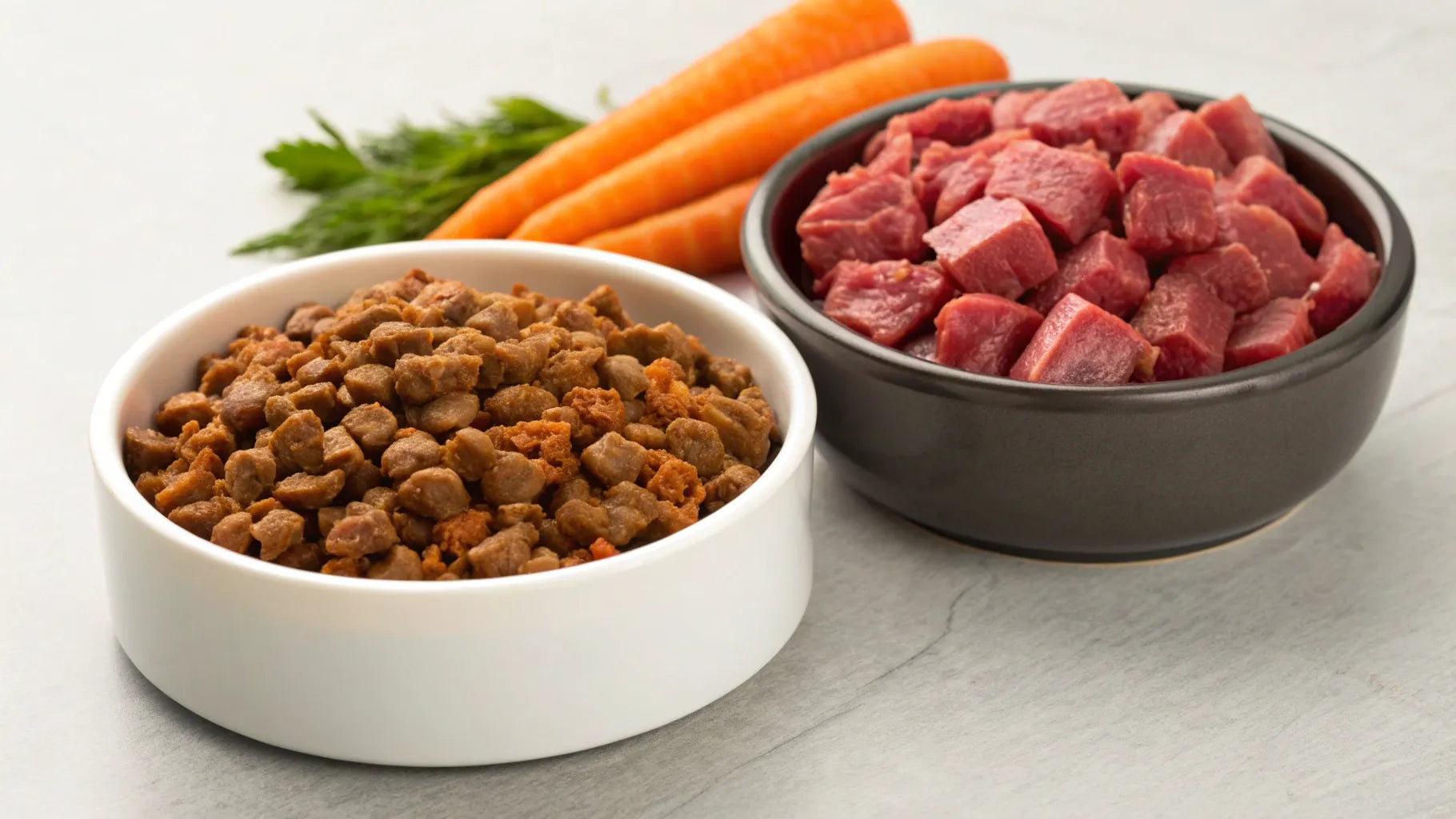
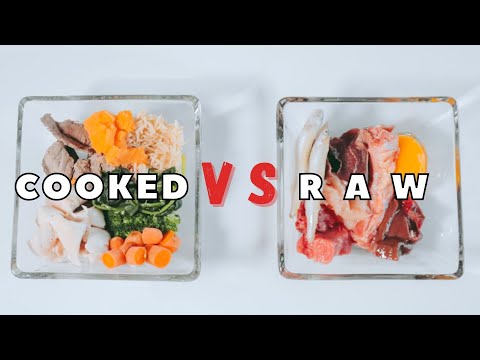
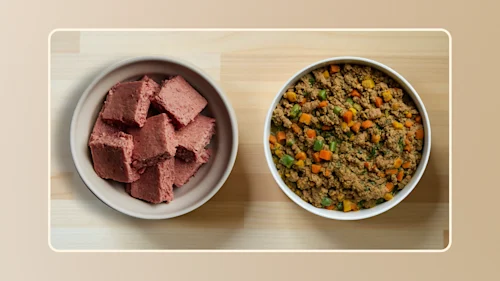
Raw means uncooked muscle meat, organs, and sometimes raw meaty bones. Many add fruits, veggies, eggs, and fish. Some buy complete frozen or freeze-dried formulas. Others make it at home with custom mixes.
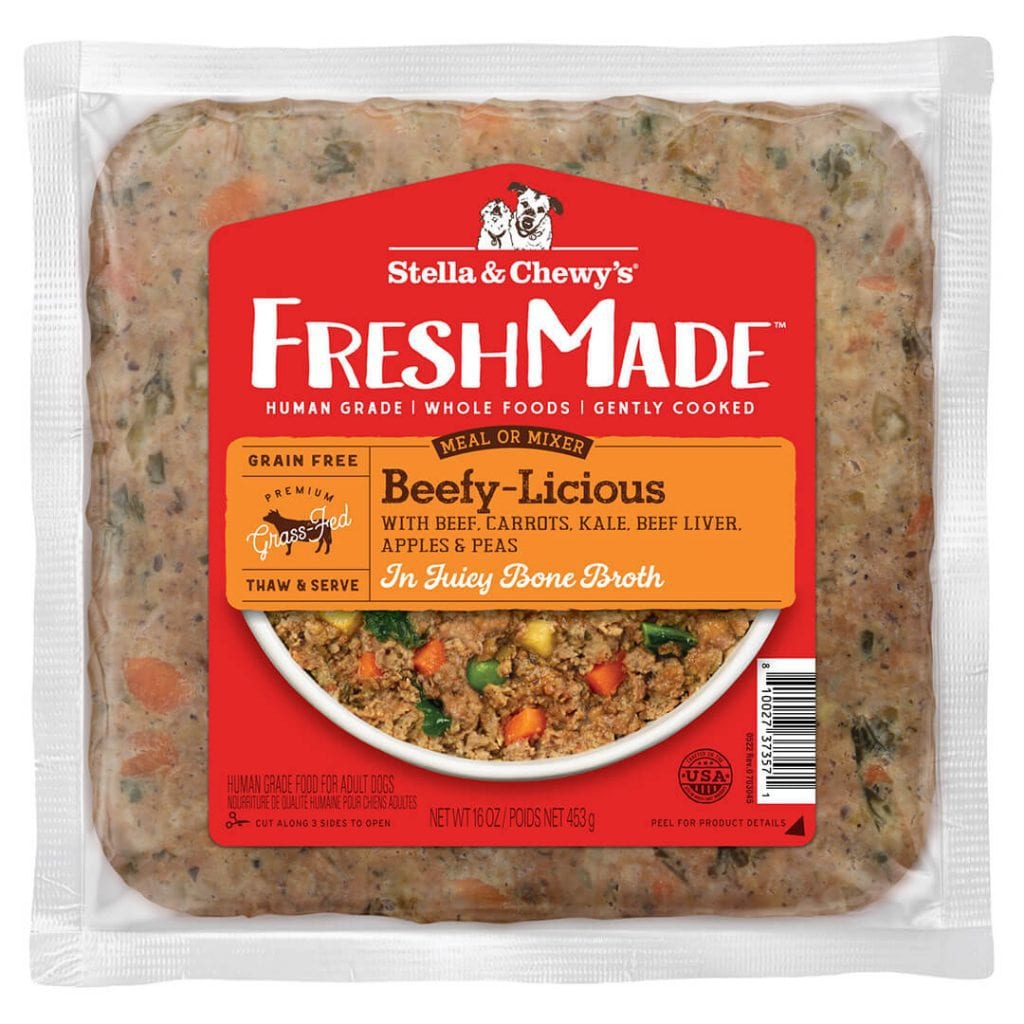
Cooked means food heated to safe temps. This includes fresh-cooked home recipes, vet-formulated kits, and gently cooked commercial meals. It also includes canned and kibble.
The debate over Raw dog food vs cooked dog food often ignores one key point. Any diet must be nutritionally complete and safe to serve. Balance and hygiene matter more than labels.
Raw dog food vs cooked dog food: clear pros and cons
Here is a simple, honest view from years of feeding and consulting.
Pros of raw
- High palatability. Many picky dogs dive in.
- Less processed. You control ingredients and textures.
- Some dogs get smaller stools and great coat shine.
Cons of raw
- Higher risk of pathogens like Salmonella and Campylobacter.
- Nutrient gaps are common without expert formulas or supplements.
- Raw bones can crack teeth or cause blockages.
Pros of cooked
- Safer food handling. Heat lowers pathogen risk for pets and people.
- Easier to balance with vet-formulated recipes or complete products.
- Better fit for homes with kids, seniors, or immune-compromised people.
Cons of cooked
- Some dogs prefer raw texture and smell.
- Extra prep time for home-cooked unless you buy prepared meals.
- Nutrients can drop with overcooking if not planned.
Raw dog food vs cooked dog food is not a one-size choice. Your dog, your kitchen, and your family all matter.

What science says about health outcomes
Research shows raw diets can improve stool quality for some dogs. Many owners report better coat and energy. But studies also show raw meat can carry pathogens that shed in dog saliva and feces. This can spread in your home.
Cooked diets can protect from those bugs. They are easier to keep consistent and complete. Peer-reviewed nutrition audits often find homemade diets, both raw and cooked, miss key nutrients without supplements. Calcium, iodine, copper, vitamin D, and omega-3s are common gaps.
Dental health is mixed. Chewing raw meaty bones can reduce tartar. But they can break teeth. Safer chew options or dental cleanings may be wiser.
When we compare Raw dog food vs cooked dog food on long-term health, balance and safety still lead. A complete and safe cooked diet can be just as nourishing as a complete raw plan.

Safety, hygiene, and real-world risk control
I love kitchen projects, but food safety comes first. Raw meat needs strict handling.
Best practices for raw
- Wash hands, bowls, and surfaces right away with hot, soapy water.
- Thaw in the fridge, never on the counter.
- Store below ready-to-eat foods to prevent drips.
- Use dedicated cutting boards and utensils.
- Freeze portions to reduce waste and manage freshness.
- Skip raw feeding if someone in the home is very young, elderly, or immune-compromised.
Safe bones
- Avoid weight-bearing beef bones. They are very hard.
- Choose soft, size-appropriate options or go boneless with balanced calcium sources.
For cooked diets, cook meats to safe internal temps. Avoid garlic, onions, and cooked bones. Keep supplements labeled and measured.
In the Raw dog food vs cooked dog food debate, safety at home often tips the scale. Choose the path you can manage every single day.
Cost, convenience, and sourcing
Budget matters. So does time.
Costs
- Commercial raw and fresh-cooked both cost more than most kibble.
- DIY raw can be cheaper, but only if you can buy in bulk and still balance nutrients.
- Add the cost of supplements, storage, and time.
Convenience
- Raw needs freezer space and planning.
- Cooked needs prep time or higher spend for ready-made.
- Complete commercial formulas, raw or cooked, reduce guesswork.
Quality sourcing
- Ask brands for nutrient profiles that meet AAFCO or FEDIAF.
- Look for lot testing, pathogen controls, and transparent sourcing.
- For home diets, use a vet nutritionist tool or a consult to lock in balance.
When you weigh Raw dog food vs cooked dog food on cost and effort, pick the plan you can sustain. Dogs thrive on consistency.

When each diet makes sense
Every dog is an individual. This is how I guide clients.
Raw may fit when
- You can handle strict hygiene.
- Your dog needs high palatability and does well on raw texture.
- You use complete, tested formulas or a nutritionist-built plan.
Cooked may fit when
- You want lower pathogen risk at home.
- Your dog has a sensitive stomach and needs gentle meals.
- You prefer clear labels and easy portion control.
Special cases
- Puppies need exact calcium and energy. Work with a vet nutritionist.
- Seniors may need kidney, liver, or heart-friendly tweaks.
- Allergy cases can use elimination diets with either raw or cooked under vet care.
Raw dog food vs cooked dog food is a tool choice. Use the tool that fits your dog and your life.
How to transition without tummy trouble
Switch slow. Give the gut time to adjust.
Simple plan
- Days 1 to 3: 25 percent new food, 75 percent current food.
- Days 4 to 6: 50 percent new, 50 percent current.
- Days 7 to 10: 75 percent new, then move to 100 percent.
Helpful tips
- Add a vetted probiotic during transition.
- Keep meals small and regular.
- Watch for loose stools, vomiting, or itch flares. Pause and step back a stage if needed.
If you mix raw and cooked, feed them as separate meals at first. This helps you spot what works. It also keeps prep steps clear. In practice, this smooth plan beats a jump change every time.
A careful transition makes Raw dog food vs cooked dog food shifts much easier on your dog.

Sample meal ideas and balancing notes
Please treat these as examples, not full prescriptions. For full balance, use a nutritionist or a complete product.
Example raw day for a 30-pound adult
- Ground turkey thigh, about 2 to 3 percent of body weight
- Beef liver and chicken heart in small, set amounts
- Sardines twice a week for omega-3s
- Finely ground eggshell or bone meal for calcium
- Small mix of blended spinach, blueberries, and pumpkin
- Vitamin E and iodine per a vet nutritionist plan
Example cooked day for a 30-pound adult
- Gently cooked turkey or beef
- Cooked sweet potato or rice
- Lightly steamed zucchini or green beans
- Fish oil for EPA and DHA
- Calcium, trace minerals, and a complete vitamin blend per recipe
I once helped a reactive eater who refused kibble in summer. A chilled, gently cooked blend with fish oil turned things around in three days. Palatable, balanced, and safe won. That is the heart of Raw dog food vs cooked dog food: results you can keep.
For both paths, confirm calories and nutrients. Ask for diets that meet AAFCO maintenance. Or get a custom recipe from a board-certified veterinary nutritionist.
Frequently Asked Questions of Raw dog food vs cooked dog food
Is raw food healthier than cooked food for dogs?
Not always. Health comes from complete nutrition and safety. Both raw and cooked can work when balanced and handled right.
Can I mix raw and cooked in the same day?
Yes. Many dogs do fine with separate raw and cooked meals. Start slow and watch stools and energy.
Are bones safe for dogs?
Raw bones can help clean teeth but can also break them. Cooked bones are unsafe because they splinter. Ask your vet for safe chew options.
How do I know if a diet is balanced?
Look for AAFCO or FEDIAF statements on commercial foods. For homemade, use a vet nutritionist recipe and the correct supplements.
What if my dog has diarrhea during the switch?
Slow the transition and reduce the new food portion. Add a gentle probiotic and contact your vet if it does not improve in 24 to 48 hours.
Conclusion
The best diet is the one your dog thrives on and you can serve safely. Raw dog food vs cooked dog food is not a battle to win. It is a choice to tailor. Focus on balance, hygiene, and steady routines.
Pick a path, plan a slow transition, and track stool, skin, and energy. Partner with your vet or a nutritionist for a recipe that fits. Want more guidance and sample plans? Subscribe for updates or drop a question in the comments.

Leave a Reply