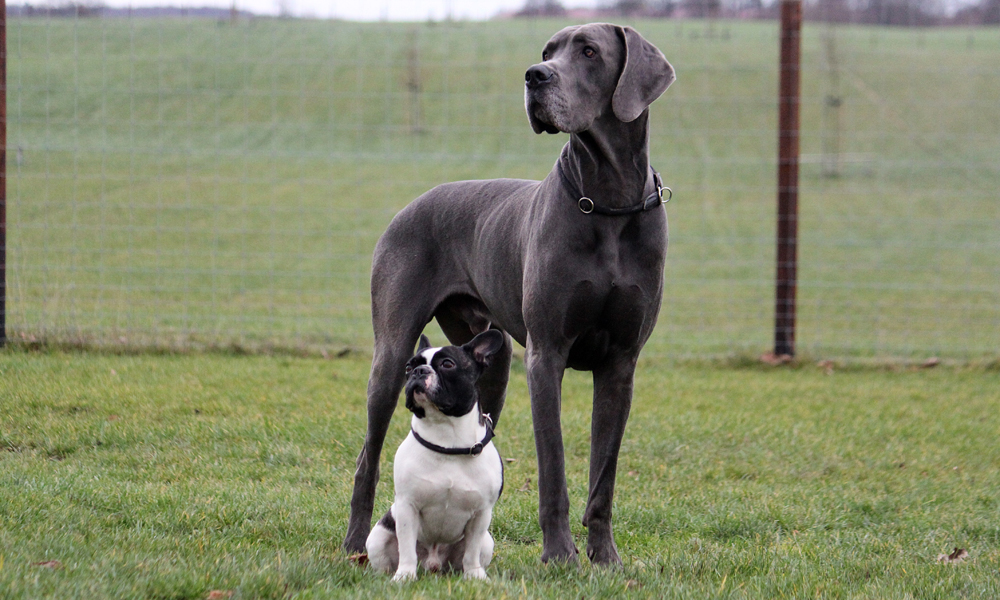
Small and large dogs need different nutrition, kibble size, and feeding strategies.
If you’ve ever stood in the pet aisle wondering about Small breed dog food vs large breed, you’re not alone. I’ve helped dozens of dog parents choose the right formula, and the difference is more than bag size. This guide breaks down how size changes nutrition needs, how to feed safely, and how to shop smart. By the end, you’ll know exactly how to choose between Small breed dog food vs large breed for your pup’s age, weight, and lifestyle.
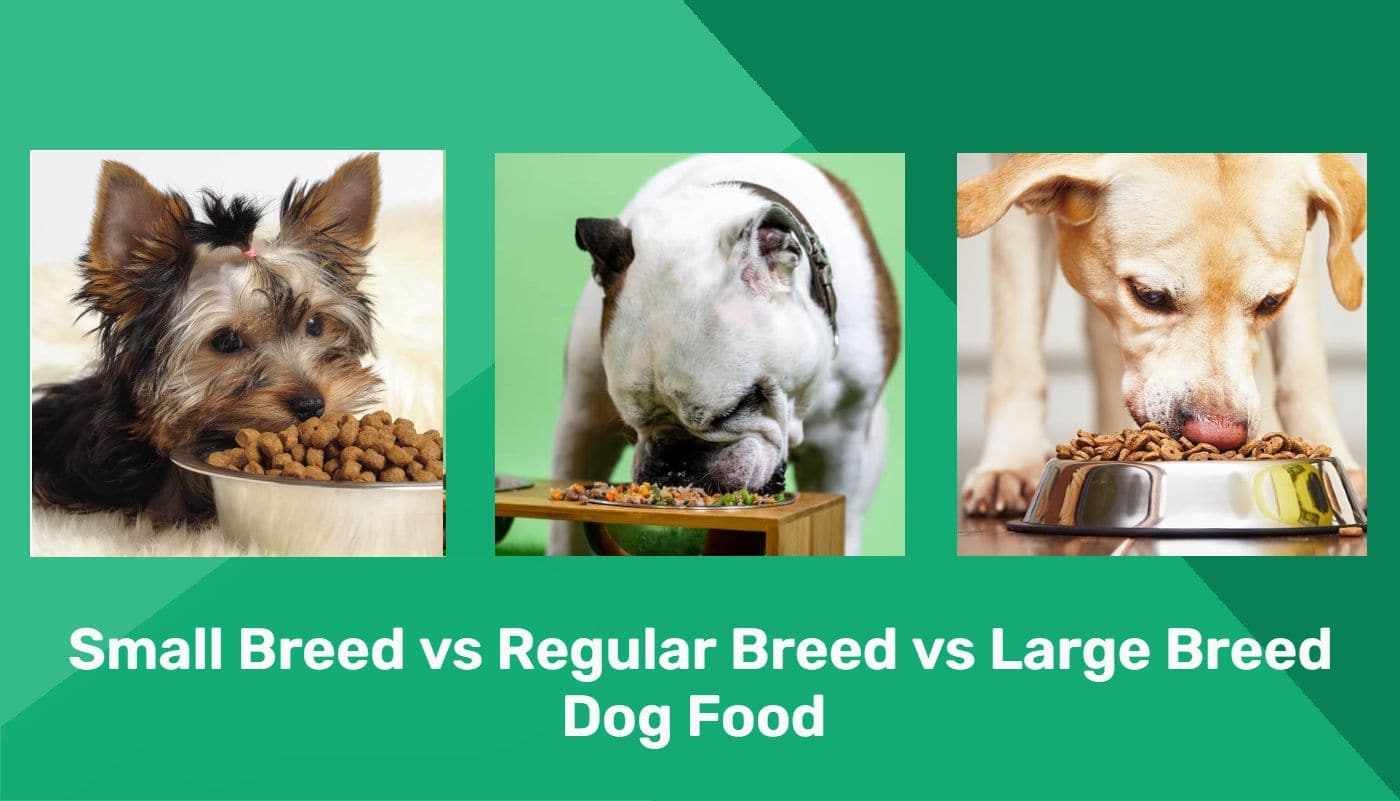
What actually differs in Small breed dog food vs large breed?
Small dogs and large dogs live in different bodies. That shapes their nutrition needs and feeding habits. Small breed formulas tend to pack more calories per cup. Large breed recipes focus on steady growth and joint support.
Key differences you’ll see on the shelf:
- Calorie density: Small breed foods are often higher per cup to fuel fast metabolisms.
- Kibble size: Tiny pieces for small mouths; larger pieces to slow big gulpers.
- Minerals: Large breed puppy foods keep calcium and phosphorus controlled for safe bone growth.
- Joint support: Large breed foods often add glucosamine and chondroitin.
- Feeding guidance: Small breeds do better with more frequent meals; large breeds with measured portions.
I’ll compare Small breed dog food vs large breed in plain terms and show how to pick what fits your dog.

Core nutrition differences that matter
Energy needs per bite
- Small dogs burn hot for their size. Small breed foods often run higher in calories per cup to hit energy needs without huge portions.
- Large dogs need total calories, but not dense cups. Too rich can add weight fast, which strains joints.
Protein and fat
- Both sizes do well on quality animal protein. Small breeds can benefit from slightly higher fat for energy.
- Large breeds often do best with moderate fat to avoid excess weight.
Minerals for bone health
- Large breed puppies must have controlled calcium and a balanced calcium-to-phosphorus ratio. This helps prevent rapid, uneven bone growth.
- Small breed puppies tolerate a broader range, but still need balanced minerals.
Digestive support
- Small dogs can get constipated on very low-fiber diets; gentle fiber like beet pulp or pumpkin helps.
- Big dogs may benefit from fermentable fibers and prebiotics to support large intestines.
Evidence you can trust
- Industry guidelines set safe ranges for growth, adult, and senior stages.
- Research shows that controlling calcium and overall growth rate in large breed puppies helps reduce joint issues later.
- Studies link excess body weight to higher orthopedic risk in big dogs.
When we compare Small breed dog food vs large breed, these are the levers that matter most for health and lifespan.

Puppies, adults, and seniors: size-specific needs
Small breed puppies
- Grow fast but not huge. They may need more energy-dense food and more frequent meals.
- Tiny kibble helps chewing and reduces choking risk.
Large breed puppies
- Slow and steady growth is the goal. Choose a formula labeled for large breed growth.
- Look for controlled calcium and balanced minerals for safe bones and joints.
Adults
- Small adult dogs often thrive on calorie-dense food in small portions.
- Large adult dogs need portion control and joint support to avoid weight gain.
Seniors
- Both sizes benefit from lean protein, joint support, and digestive care.
- Adjust calories down if activity drops, but keep protein quality high.
Small breed dog food vs large breed changes by life stage, so match the label to your dog’s age and size.
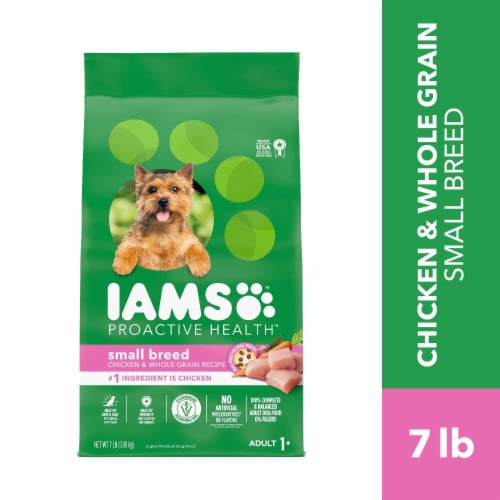
Safe feeding strategies for different sizes
Meal frequency
- Small breeds: 2 to 3 meals daily. Toy breeds may need 3 to 4 to prevent low blood sugar.
- Large breeds: 2 measured meals daily. Avoid one giant meal.
Portion control
- Start with the bag’s guide, then adjust by your dog’s body condition score.
- Use a digital scale for accuracy. Cups vary.
Avoid risks
- Small dogs can have hypoglycemia if meals are too far apart.
- Large dogs may be prone to bloat. Feed smaller meals, avoid hard exercise right after eating, and use slow feeders if they gulp.
Helpful tools
- Slow bowls, snuffle mats, and puzzle feeders help both sizes.
- Track weight every 2 to 4 weeks and tweak portions as needed.
These simple steps make a big difference in Small breed dog food vs large breed feeding success.
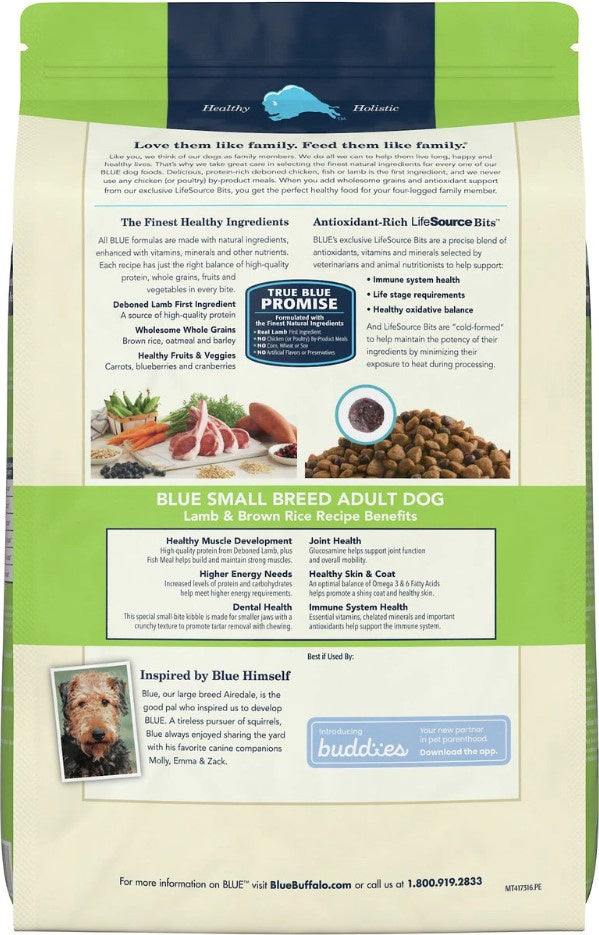
How to read labels when comparing Small breed dog food vs large breed
What to look for
- AAFCO statement: It should match your dog’s life stage and size needs. Large breed puppies need a formula tested or formulated for large breed growth.
- Calories per cup: Helps you compare value and plan portions.
- Calcium and phosphorus: For large breed puppies, look for controlled levels and a balanced ratio.
- Kibble size: Check product photos or reviews if it is not listed on the bag.
- Look for named animal proteins as the first ingredients.
- Carbs like rice, oats, or barley can help sensitive stomachs.
- Prebiotics and probiotics support the gut.
When you stack Small breed dog food vs large breed side by side, these label cues guide a smart pick.
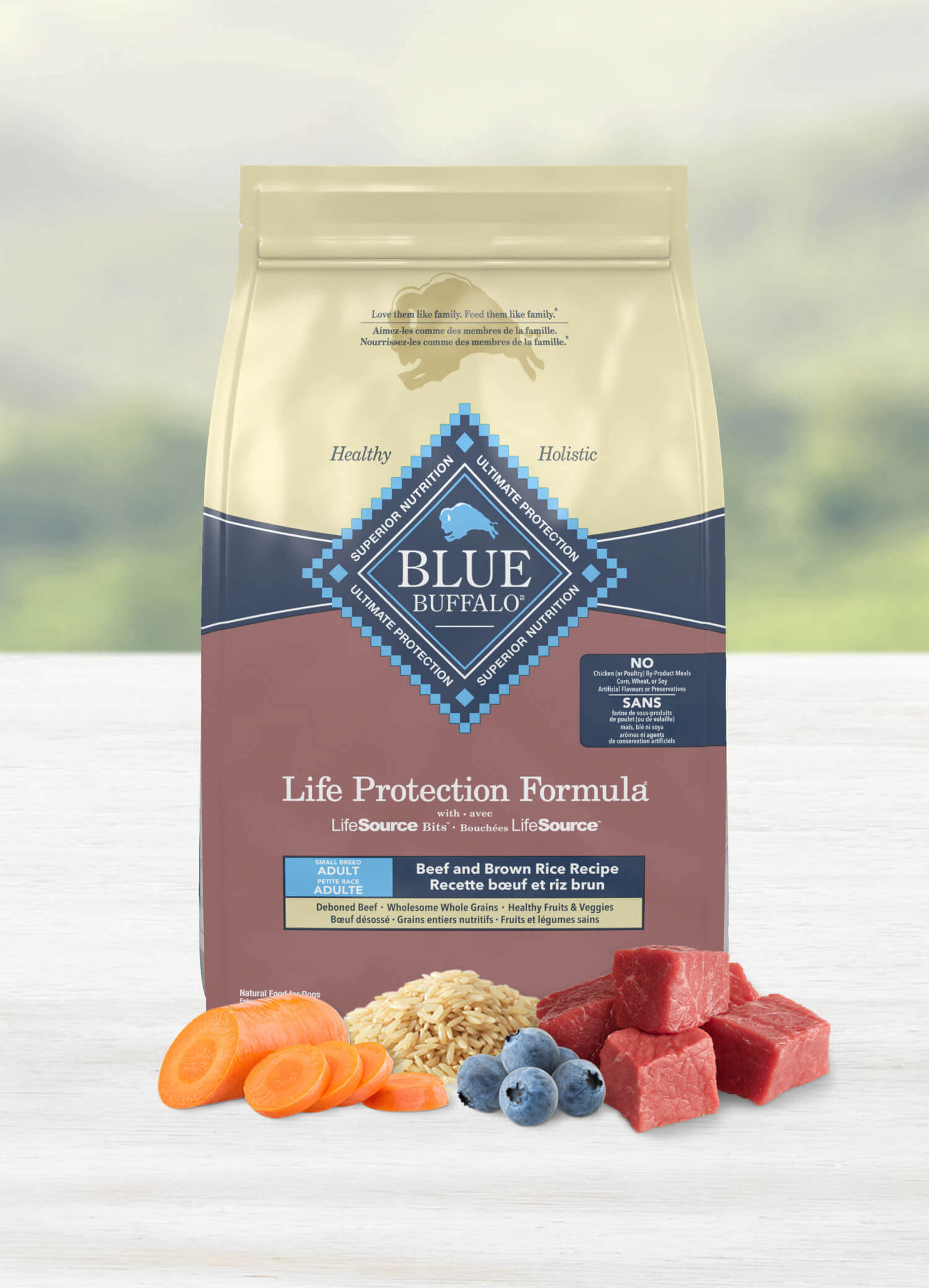
Common mistakes and how to avoid them
- Feeding regular puppy food to a large breed puppy: This can push growth too fast. Choose large breed puppy formulas.
- Skipping meals for tiny dogs: This raises the risk of low blood sugar. Keep meals small and steady.
- Free-feeding big dogs: This often leads to weight gain. Use measured meals.
- Over-supplementing calcium: Especially risky for large breed puppies. Do not add calcium unless your vet says so.
- Ignoring body condition: The bag is a starting point. Your dog’s rib feel and waist shape are the truth.
When people weigh Small breed dog food vs large breed, these traps are easy to miss. Keep them in mind.
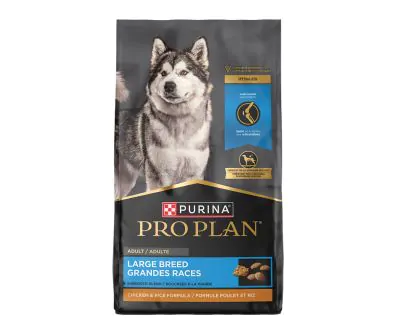
Sample portions and how to adjust
Example starting points
- Small breed adult, 10 lb, moderate activity: 250 to 300 calories per day, split into two or three meals.
- Large breed adult, 80 lb, moderate activity: 1,500 to 1,700 calories per day, split into two meals.
- Large breed puppy, 40 lb at 5 months: Use a large breed growth formula and follow the brand’s weight chart. Adjust weekly.
How to tweak like a pro
- Feel ribs: You should feel ribs with a light touch, not see sharp outlines.
- Look at the waist: It should taper behind the ribs.
- Change portions by 5 to 10 percent at a time and recheck in 10 to 14 days.
These small checks make Small breed dog food vs large breed choices work in real life.
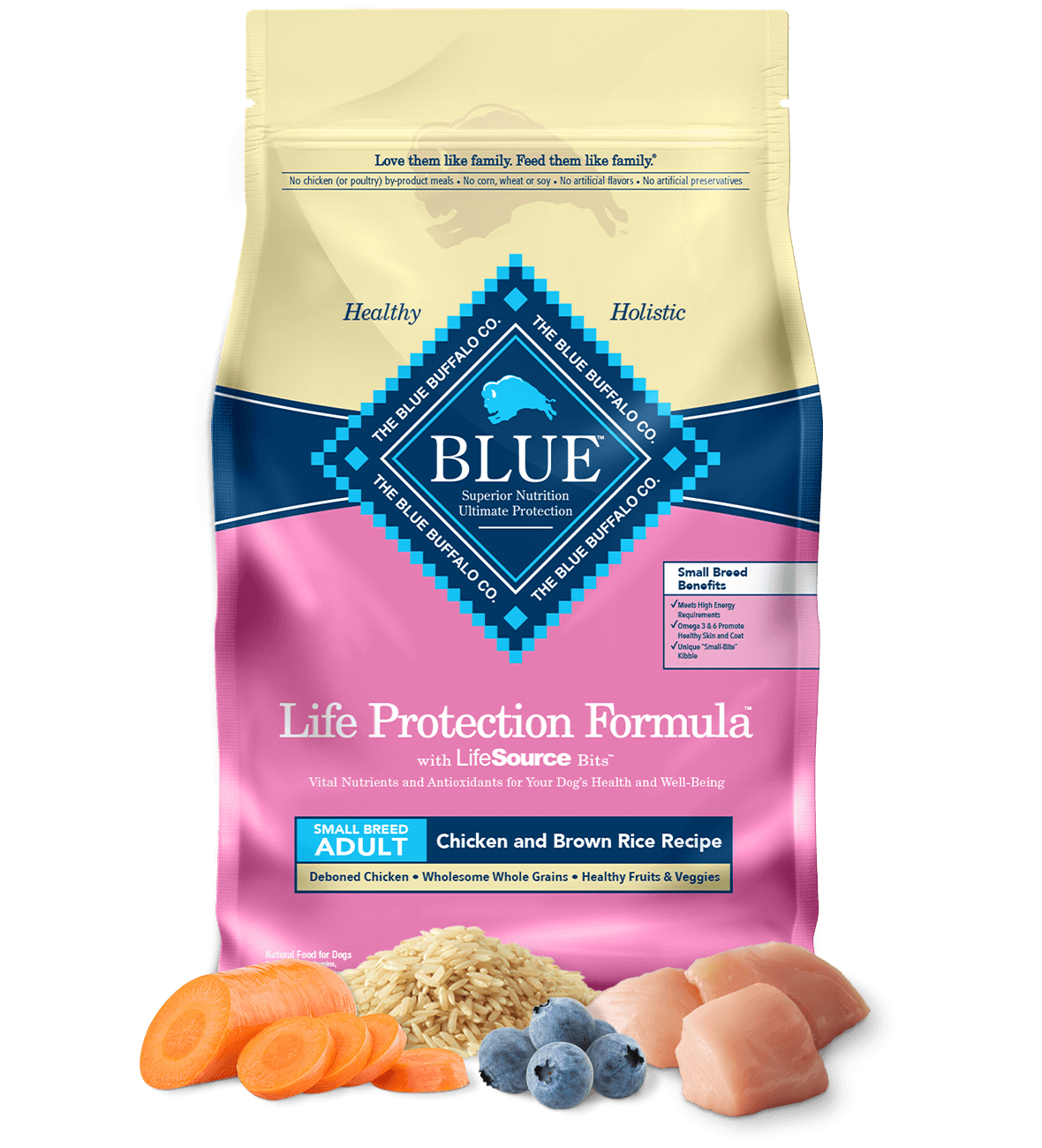
What I’ve learned working with big and tiny dogs
From my time helping families switch foods:
- Pico, a 6 lb Chihuahua, stopped grazing and gained pep when we moved to a small breed formula with higher calories per cup and tiny kibble. Three meals kept his energy steady.
- Maple, a Great Dane pup, eased off knuckling issues after moving to a true large breed puppy diet with controlled calcium. We used a slow feeder and two smaller meals. Her weight held steady, and her gait improved.
The biggest lesson in Small breed dog food vs large breed is simple: match the formula to the body, then personalize it to the dog in front of you.

Frequently Asked Questions of Small breed dog food vs large breed
Do small dogs really need small breed formulas?
Yes, in many cases. Smaller kibble, higher calories per cup, and tailored nutrient levels can help them eat well and keep steady energy.
Why do large breed puppies need special food?
They grow for longer and are prone to joint issues. Controlled calcium and steady calories help protect bones and joints as they mature.
Can a small dog eat large breed food?
It is not ideal. The kibble may be too big, and the calorie density may be too low for tiny appetites.
Can a large dog eat small breed food?
It can be too calorie-dense and may lead to weight gain if portions are not adjusted. The kibble may also be too small, which can increase gulping.
How do I switch foods safely?
Mix the new food with the old over 7 to 10 days, increasing the new food slowly. Watch stool quality and energy, and slow down if you see issues.
What is the best way to prevent bloat in large breeds?
Feed two or more smaller meals, avoid heavy exercise right after eating, and use a slow feeder if your dog gulps. Talk with your vet about your dog’s specific risk.
Conclusion
Small breed dog food vs large breed is more than marketing. It reflects real needs for size, growth, and joint health. Choose an age-appropriate formula, check calories per cup, and watch minerals for large breed puppies. Then personalize portions by body condition, not just the bag.
Start today: pick one change from this guide and test it for two weeks. If you found this helpful, share it with a friend or subscribe for more simple, science-backed pet tips.

Leave a Reply