
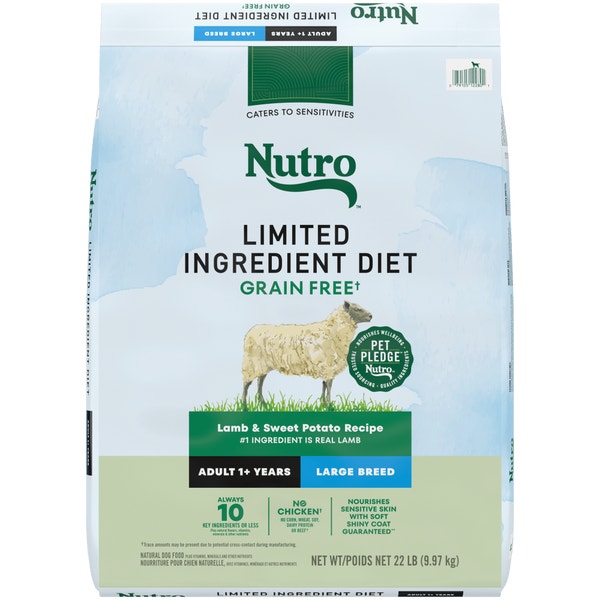
Limited ingredient dog food can ease sensitivities; regular diets fit most healthy dogs.
If you’re weighing limited ingredient dog food vs regular, you’re in the right place. I help pet parents sort through labels, myths, and marketing every day. This guide breaks down limited ingredient dog food vs regular from real-world use, research, and vet-backed nutrition basics, so you can feed with confidence and calm.
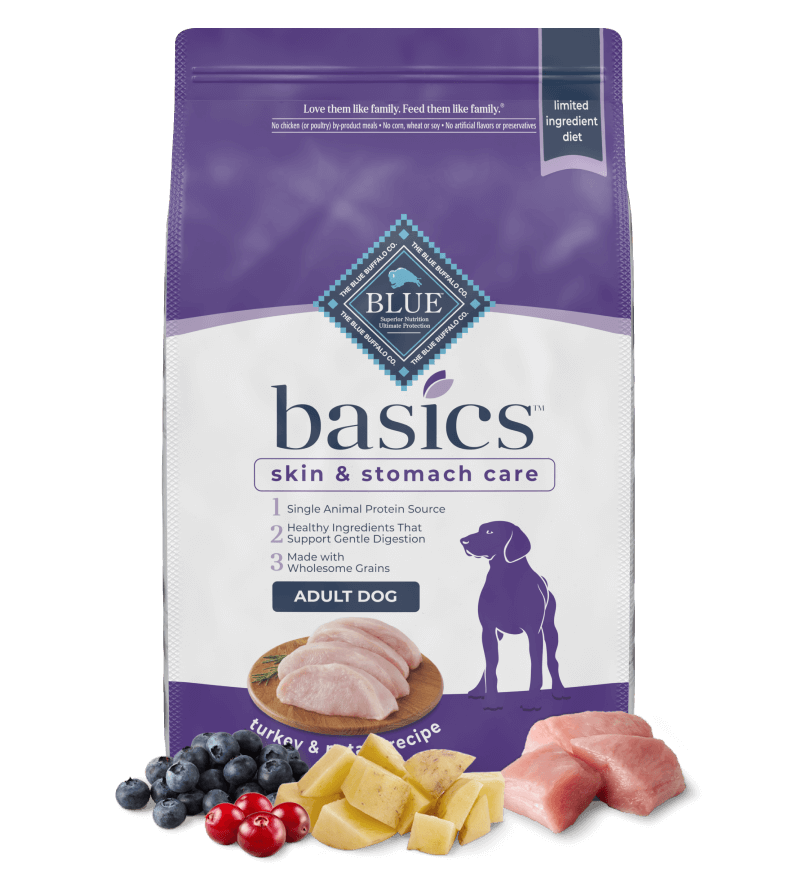
What is limited ingredient dog food vs regular?
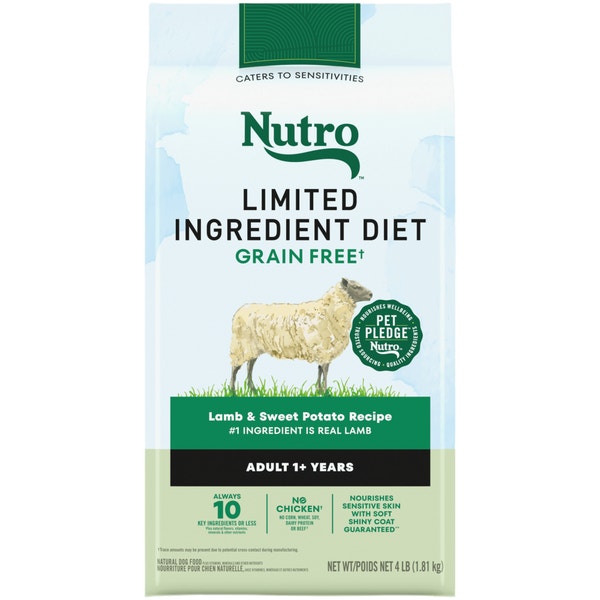
Limited ingredient diets use fewer components, usually one protein and one carb source. The goal is to lower the chance of a reaction by cutting common triggers. Regular dog food uses a wider range of proteins, grains, fibers, and extras to hit nutrition goals and keep costs fair.
Think of limited ingredient as the minimalist closet. Simple, tidy, and easier to sort when something bothers your dog. Regular food is the full wardrobe. Flexible, affordable, and great for most dogs.
Limited ingredient dog food vs regular is not a good vs bad debate. It is a fit question based on your dog’s skin, gut, age, and history.

Key differences at a glance
Limited ingredient dog food vs regular comes down to how many things go in the bag and why.
- Ingredients: Limited ingredient uses fewer inputs; regular uses more variety.
- Proteins: Limited picks a single or novel protein; regular may blend common proteins.
- Carbs: Limited keeps one main carb; regular may use several grains or legumes.
- Additives: Limited trims flavors and fillers; regular may include more extras.
- Claims: Limited often targets sensitivities; regular targets broad nutrition and value.
- Vet use: Limited can support elimination trials; regular is best for healthy dogs without issues.
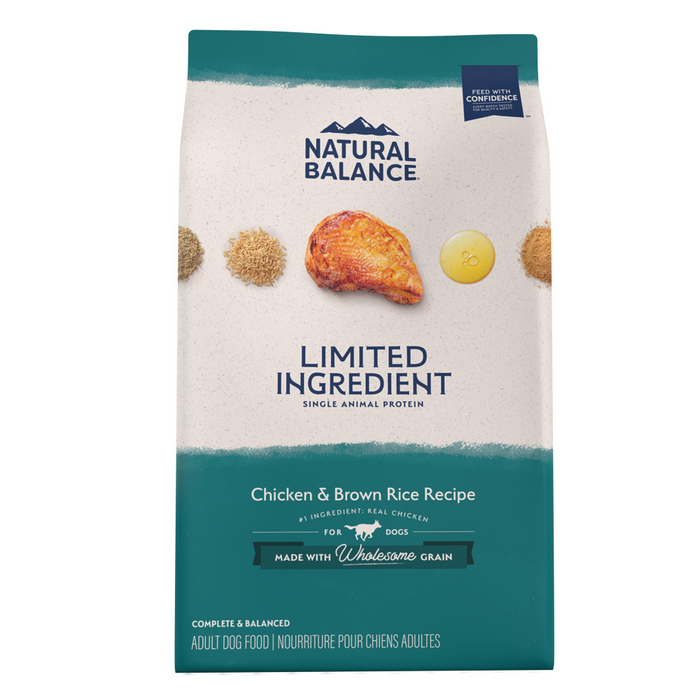
Pros and cons of limited ingredient dog food vs regular
Benefits of limited ingredient diets
- They simplify elimination trials to spot a food trigger.
- They may reduce itch, ear gunk, gas, or loose stool in sensitive dogs.
- Labels are easier to audit. Fewer lines to read and track.
Drawbacks of limited ingredient diets
- Not always hypoallergenic. Cross-contamination can happen in shared plants.
- Less choice for picky eaters. Shorter recipe lines.
- Often higher cost per pound. May need larger budgets for big dogs.
Benefits of regular diets
- Balanced for most dogs at a friendly price.
- Wide range of flavors, life stages, and formats.
- Easy to find, from big-box stores to local shops.
Drawbacks of regular diets
- More ingredients can mean more possible triggers for sensitive dogs.
- Blended proteins make elimination trials harder.
- Some budget lines may cut corners on protein quality or fiber sources.
When to choose limited ingredient dog food vs regular
Choose a limited ingredient diet when you see signs that point to food reactions. Watch for chronic itch, ear infections, face rubbing, soft stool, or gas that returns after meals. If your vet suspects food allergy or intolerance, an 8–12 week elimination trial with a limited ingredient diet or a true hydrolyzed diet is the gold path.
Choose regular food when your dog is healthy, maintains weight, has firm stool, and shows no skin or ear issues. Many dogs thrive on regular diets for life.
A note from practice: food allergies are less common than many think. They make up a small slice of dog allergies, and beef, chicken, dairy, and wheat top the list. For true allergies, hydrolyzed protein diets often test best. Still, limited ingredient diets can help many dogs with mild beef or chicken sensitivities.
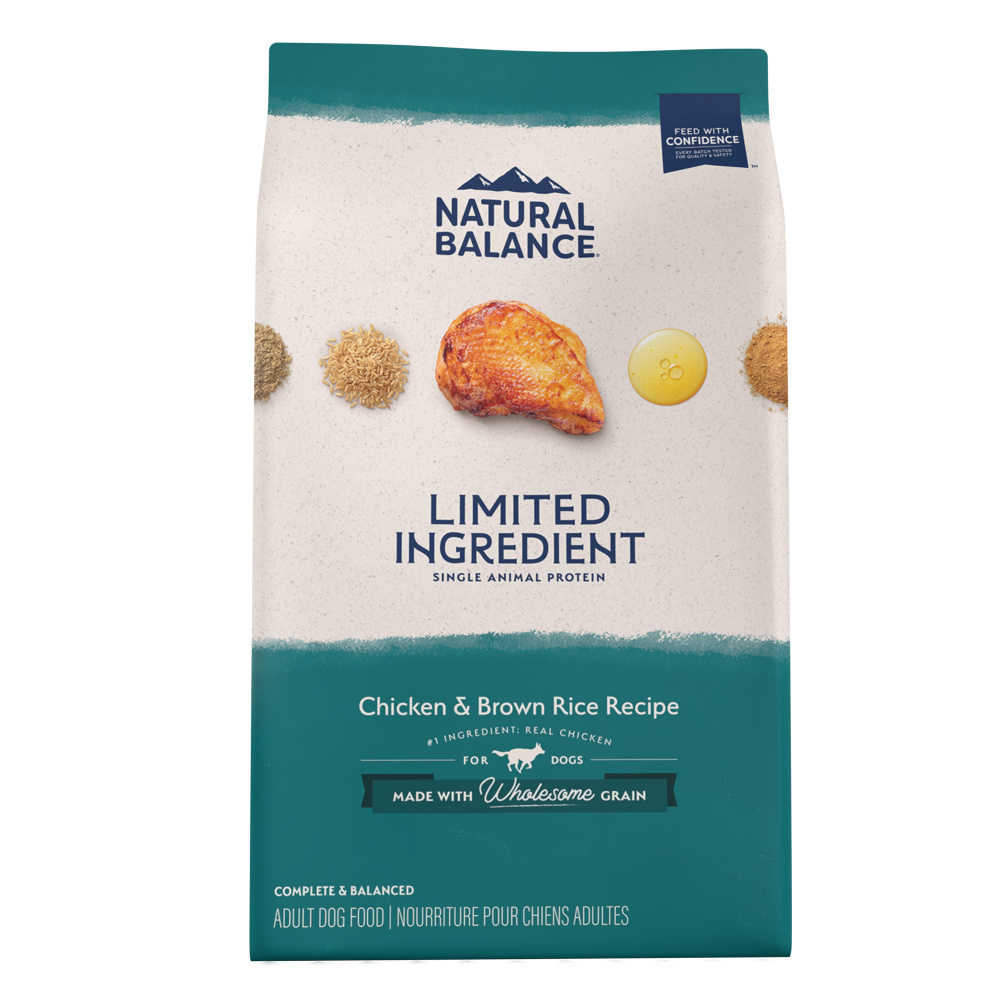
How to read labels without getting fooled
Limited ingredient dog food vs regular can look clear on the front and messy on the back. Slow down and read.
- Scan for the AAFCO statement. Look for complete and balanced for your dog’s life stage.
- Check protein source. One named animal protein is a good sign for limited ingredient.
- Watch for mixed meals or broths. These can hide extra proteins.
- Count carb sources. Sweet potato, potato, peas, lentils, rice, barley. Fewer is better for limited ingredient aims.
- Find fat sources. Named animal fat or specific oils are safer picks.
- Note fiber. Beet pulp, pumpkin, oats, and inulin can help stool quality.
- Look for contact info. Brands that share lot codes and support lines tend to be more transparent.
- Take claims with care. Words like natural or human-grade can distract from the basics: protein, fat, fiber, and digestibility.
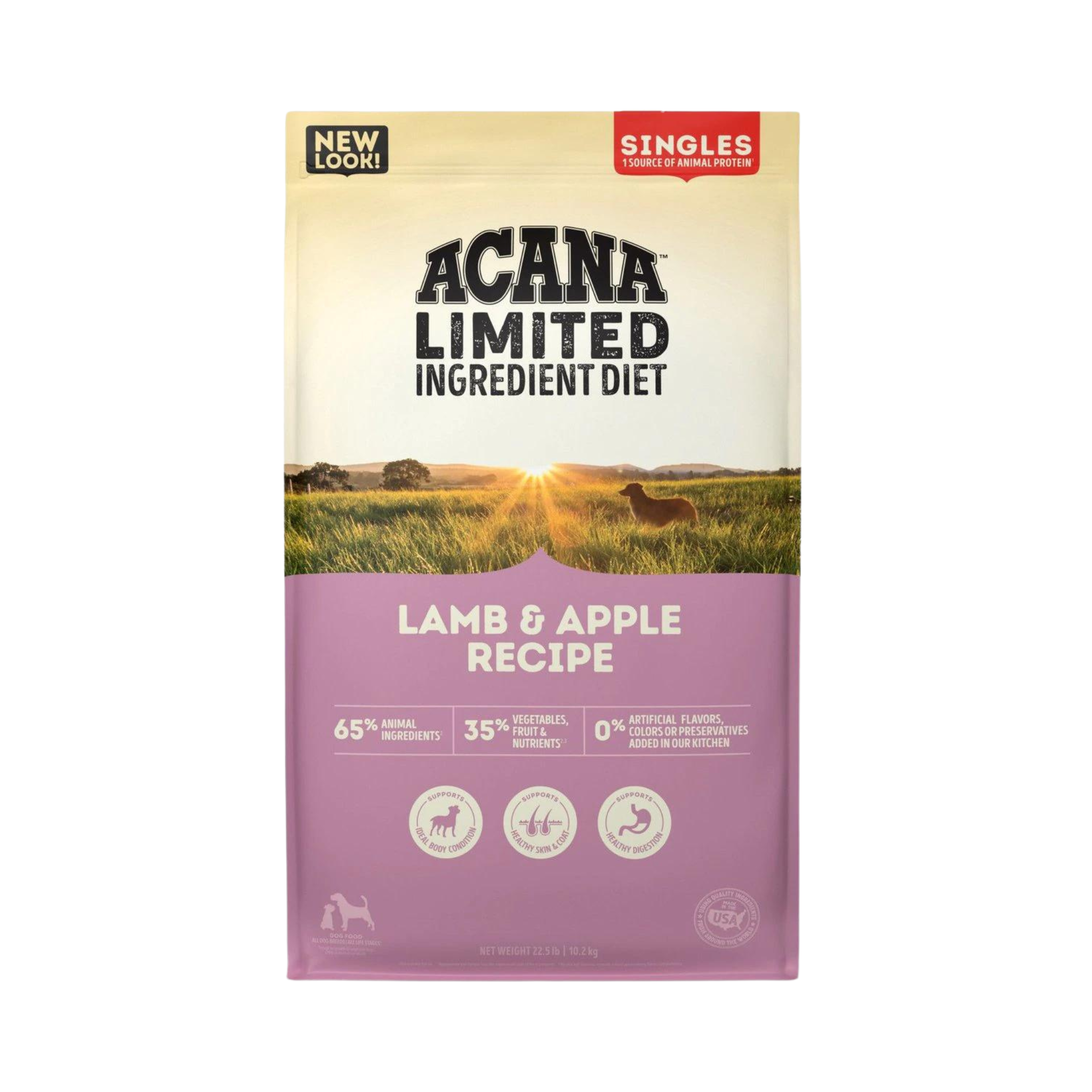
Transition plan and feeding tips
Switching between limited ingredient dog food vs regular needs time. Your dog’s gut likes routine.
- Day 1–3: 75% old food, 25% new.
- Day 4–6: 50% old, 50% new.
- Day 7–9: 25% old, 75% new.
- Day 10+: 100% new food.
Extra tips:
- Add a splash of warm water to boost aroma.
- Split meals into two or three feedings to ease digestion.
- Track stool with a simple 1–5 firmness scale and note itch or ear changes weekly.
- Do not add treats during an elimination trial. Use kibble from the trial food as treats.
Cost, value, and sustainability
Limited ingredient dog food vs regular often differs in price. Limited recipes tend to cost more due to tighter sourcing and shorter supply chains. Regular foods can bundle proteins and grains to lower cost per calorie.
To compare value:
- Check price per 1,000 kcal, not just bag price.
- Use feeding charts to estimate monthly cost.
- Look for return policies. Good brands stand behind results.
- Consider sustainability. Novel proteins or fish should note sourcing and testing for heavy metals.
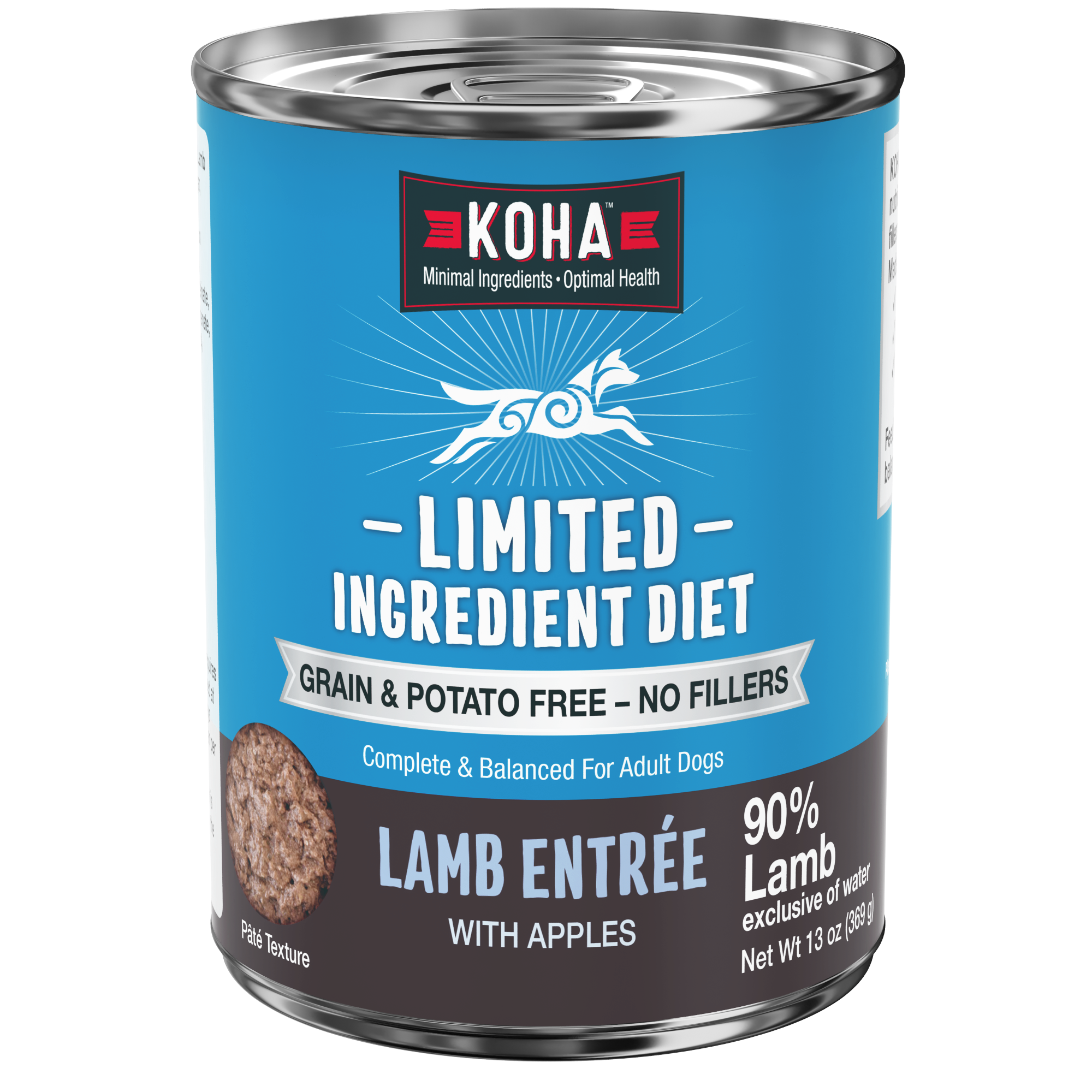
Real-world stories and lessons learned
From my own clients, limited ingredient dog food vs regular has taught me this: simple changes can fix long battles. One mixed-breed with monthly ear infections calmed down on a limited ingredient salmon and rice diet within six weeks. We kept it stable for a year, then tested a regular chicken blend and the itch crept back in three days. The owner felt relief and stuck with the limited recipe.
Another case: a high-energy Lab did fine on regular chicken and oat formulas. The owner tried a limited ingredient diet after social media hype. The dog lost weight and begged more. We went back to a regular performance formula and stool and energy snapped back. The lesson: do not fix what is not broken.
Myths and facts about limited ingredient dog food vs regular
- Myth: Limited ingredient diets are always hypoallergenic.
Fact: They reduce variety but are not the same as hydrolyzed veterinary diets. - Myth: Grain-free equals limited ingredient.
Fact: Grain-free can still have many legumes and proteins. - Myth: All fillers are bad.
Fact: Some fibers support gut health and stool quality. - Myth: More protein is always better.
Fact: Quality and digestibility matter more than a big number on the bag. - Myth: Regular food means low quality.
Fact: Many regular diets are highly digestible and well balanced.
Frequently Asked Questions of Limited ingredient dog food vs regular
What dogs benefit most from limited ingredient diets?
Dogs with chronic itch, ear issues, or digestive upset may benefit. A limited ingredient diet helps you test and remove likely triggers.
Is a limited ingredient diet good for puppies?
Yes, if it is complete and balanced for growth. Check the AAFCO statement and confirm with your vet.
How long should I try a limited ingredient diet before judging results?
Aim for 8–12 weeks with no other foods or treats. Many dogs show changes by week 3–4, but full results need time.
Are regular diets bad if my dog is healthy?
No. If your dog thrives on a regular diet, there is no need to switch. Monitor weight, stool, skin, and energy.
What if limited ingredient does not help?
Talk to your vet about a hydrolyzed diet or further testing. Food is only one piece; environment and parasites can also cause itch.
Conclusion
Limited ingredient dog food vs regular is about fit, not trends. If your dog has signs of sensitivity, a well-made limited ingredient diet can clear the picture. If your dog is thriving, a balanced regular diet is a smart, budget-friendly path.
Pick one clear plan, track results, and give it time. Your next step: choose a diet that matches your dog’s needs, read the label like a pro, and start a gentle transition. Have questions or a story to share? Leave a comment and join the conversation.

Leave a Reply