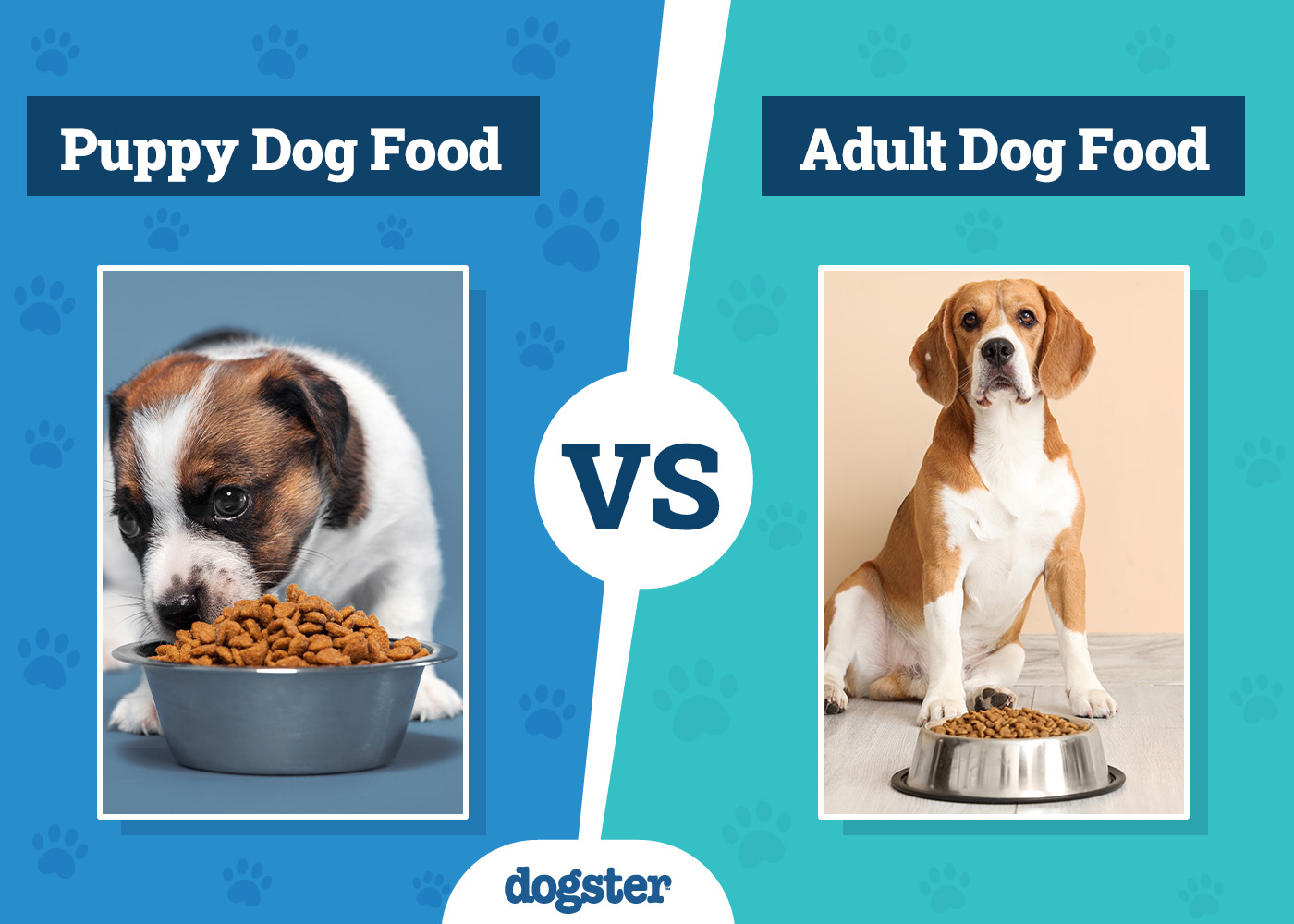
Puppy food packs more calories, protein, and minerals for growth; adult formulas maintain weight.
Choosing well between Puppy food vs adult dog food can shape your dog’s health for life. I’ve helped many pet parents navigate labels, feeding charts, and messy transitions. This guide breaks down what changes with age, what to avoid, and how to feed with confidence. If you’ve ever felt stuck on Puppy food vs adult dog food, you’re in the right place.

The real nutrition gap: Puppy food vs adult dog food
Puppies are building bone, muscle, and brain tissue fast. Adults are holding steady. That is the core difference.
Here’s how Puppy food vs adult dog food stacks up based on established veterinary nutrition standards:
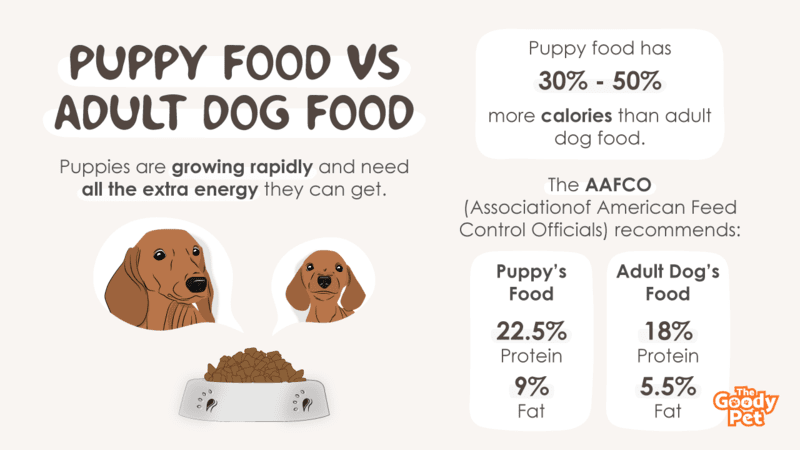
- Protein: Puppy foods often target higher levels. Growth diets meet higher minimums than adult maintenance diets.
- Fat and calories: Puppy foods carry more energy per cup for rapid growth and play.
- DHA and EPA: Many puppy foods add omega-3s for brain and eye development.
- Calcium and phosphorus: Ratios are tighter in puppy formulas to support safe bone growth.
- Micronutrients: Puppies need more of certain vitamins and trace minerals per calorie.
What to look for on the label:
- Complete and balanced for Growth or All Life Stages
- A clear calcium-to-phosphorus ratio in the safe range for puppies
- DHA listed in the guaranteed analysis or ingredients (fish oil, algal oil)
- Calorie content per cup so you can portion well
When I compare Puppy food vs adult dog food for clients, I also check stool quality and coat. Healthy growth shows up in small ways. Firm stools and a shiny coat are good signs your formula fits.

How age, size, and breed affect the choice
Puppy food vs adult dog food timing depends on body size and maturity.
General timelines:
- Toy and small breeds: Switch around 9 to 12 months.
- Medium breeds: Switch around 12 months.
- Large and giant breeds: Switch at 15 to 24 months, after growth plates close.
Large dogs take longer to mature. They do best with controlled calories and careful calcium. Small dogs burn hot and need energy-dense meals early on.
Real-world tip from my work: I do not rush the switch if a dog is still looking lanky or clumsy. Growth takes time. I also slow transitions if a pup is recovering from illness or a growth spurt.
Use the phrase Puppy food vs adult dog food as a check-in with your vet during booster visits. Ask if your dog’s body score fits a switch.

Reading the label with confidence
Decoding labels makes Puppy food vs adult dog food simpler.
Start with the nutritional adequacy statement:
- Growth or Growth and Reproduction means puppy-appropriate.
- Maintenance means adult-only.
- All Life Stages meets puppy needs too, but portion control matters.
Key lines to read:
- Calories per cup or can: This helps you set the right amount.
- Guaranteed analysis: Check protein, fat, fiber, DHA when listed.
- Minerals: Look for calcium and phosphorus within safe limits for growth.
- Ingredients: Animal proteins up top often help puppies thrive.
- Feeding guide: Use it as a starting point, not a rule.
Many parents compare Puppy food vs adult dog food and worry about grains. Choose what your dog digests well. Whole grains can support gut health. If you go grain-free, speak to your vet and pick a brand with strong testing.
Transitioning from puppy to adult food step by step
Make the switch slow. This protects the gut and helps you watch for issues.
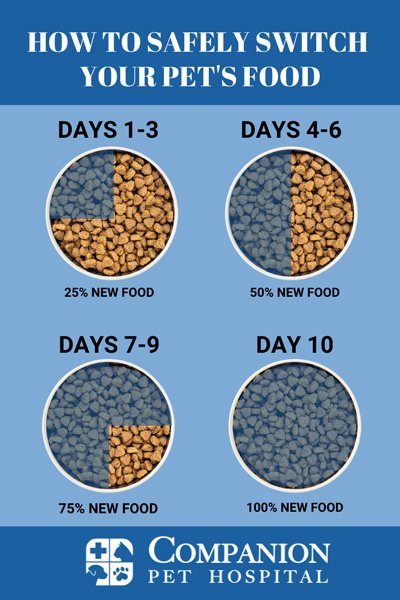
Follow this 7 to 10 day plan:
- Days 1 to 3: 75% puppy, 25% adult
- Days 4 to 6: 50% puppy, 50% adult
- Days 7 to 10: 25% puppy, 75% adult, then 100% adult
Adjust as needed:
- If stools soften, hold at the current mix for a few days.
- If your dog is hungry or losing weight, raise calories slightly.
- If your dog gains too fast, reduce portions by 5% to 10%.
When coaching families on Puppy food vs adult dog food, I suggest weighing your dog weekly for a month. A simple digital scale keeps you honest.

Large-breed puppies need special rules
Large-breed puppies are unique. Puppy food vs adult dog food is not enough. You need a growth formula meant for large breeds.
Why it matters:
- Too many calories can speed growth and stress joints.
- Too much calcium can disrupt normal bone development.
- Balanced energy and minerals help reduce orthopedic risks.
What to do:
- Pick a puppy food labeled for large-breed growth or all life stages with large-breed guidance.
- Keep body condition lean. You should feel ribs with light pressure.
- Do structured play, not intense jumping or long runs until mature.
I have seen limping improve after a food change and portion control. Food is not magic, but for large-breed pups, it is a big lever.
Common myths in Puppy food vs adult dog food
Let’s clear a few myths I hear often.
- All life stages is bad for puppies: Not true. All life stages meets puppy standards. You still must portion well.
- High protein makes puppies hyper: Protein does not cause hyper behavior. Extra calories and lack of structure do.
- Grain-free is always better: Not always. Some dogs do well on grains. Work with your vet if you choose grain-free.
- Switching at six months is fine for all dogs: Not true. Many medium and large dogs still need puppy nutrition past six months.
- Treats do not count: They do. Keep treats under 10% of daily calories to prevent imbalances.
When weighing Puppy food vs adult dog food, focus on body condition and steady growth. Not trends.

Wet vs dry in Puppy food vs adult dog food
Both can work well. It depends on your dog and your routine.
Benefits of wet:
- Great for picky eaters and small mouths
- Adds water for hydration
- Often very palatable during teething
Benefits of dry:
- Easy to portion and store
- More cost-effective per calorie
- Works well in puzzle feeders for mental play
Mixing can help. Aim for complete and balanced options for the right life stage. If you compare wet and dry in Puppy food vs adult dog food, watch total calories and stool quality.

Budget-smart shopping without cutting corners
You can feed well without overspending. Here is how I guide families.
Smart moves:
- Check price per 1,000 calories, not per bag. Value is in energy.
- Choose brands that do feeding trials and have a vet nutrition team.
- Buy the right bag size. Fresh food stores better and keeps aroma.
- Use a measuring cup or, even better, a scale for accuracy.
- Avoid marketing noise. Focus on the adequacy statement and analysis.
If you are torn on Puppy food vs adult dog food due to cost, compare calories and adjust portions. Sometimes the higher-priced bag lasts longer because you feed less.

Homemade, raw, and veterinary diets
This is where I get cautious, especially for puppies.
- Homemade and raw diets can miss key minerals for growth.
- Even small calcium errors can affect bones.
- If you choose homemade, use a recipe from a board-certified veterinary nutritionist.
Adult dogs have more room for choice. Still, any diet must be complete and balanced. When clients ask about Puppy food vs adult dog food and raw feeding, I stress testing and expert guidance. Safety first during growth.
Frequently Asked Questions of Puppy food vs adult dog food
When should I switch from puppy to adult food?
Most small dogs switch at 9 to 12 months, medium dogs at 12 months, and large or giant dogs at 15 to 24 months. Ask your vet to confirm based on body condition.
Can I feed an all life stages food to my puppy?
Yes, if it says complete and balanced for all life stages. Portion control is key because these foods can be calorie dense.
What happens if I switch too early?
Your dog may lose weight or miss growth nutrients. Wait until growth slows and your vet agrees the timing is right.
Is grain-free better for puppies?
Not by default. Many puppies do well with whole grains, which support gut health. Talk to your vet if you are considering grain-free.
How do I know if a food is right for my puppy?
Look for steady weight gain, firm stools, a shiny coat, and good energy. If any of these slide, revisit your portions or formula.
Can adult dog food harm a young puppy?
If fed long-term, adult maintenance diets can shortchange growth needs. Puppies need food labeled for growth or all life stages.
Do treats and chews affect nutrition?
Yes. Keep treats under 10% of daily calories to avoid nutrient imbalance. Use part of the meal ration for training.
What about mixing wet and dry food?
It is fine if both are complete and balanced for the right life stage. Track total calories and adjust portions.
Conclusion
Puppy food vs adult dog food is about matching nutrition to biology. Puppies need more energy, protein, DHA, and precise minerals. Adults need steady calories and balance. Read labels, watch body condition, and transition slowly. The right choice today supports strong bones and a happy life tomorrow.
Take one action this week: check your bag’s adequacy statement and calories per cup. If you have questions on Puppy food vs adult dog food, ask your vet or drop them in the comments. Ready for more tips? Subscribe and keep your best friend thriving.

Leave a Reply