
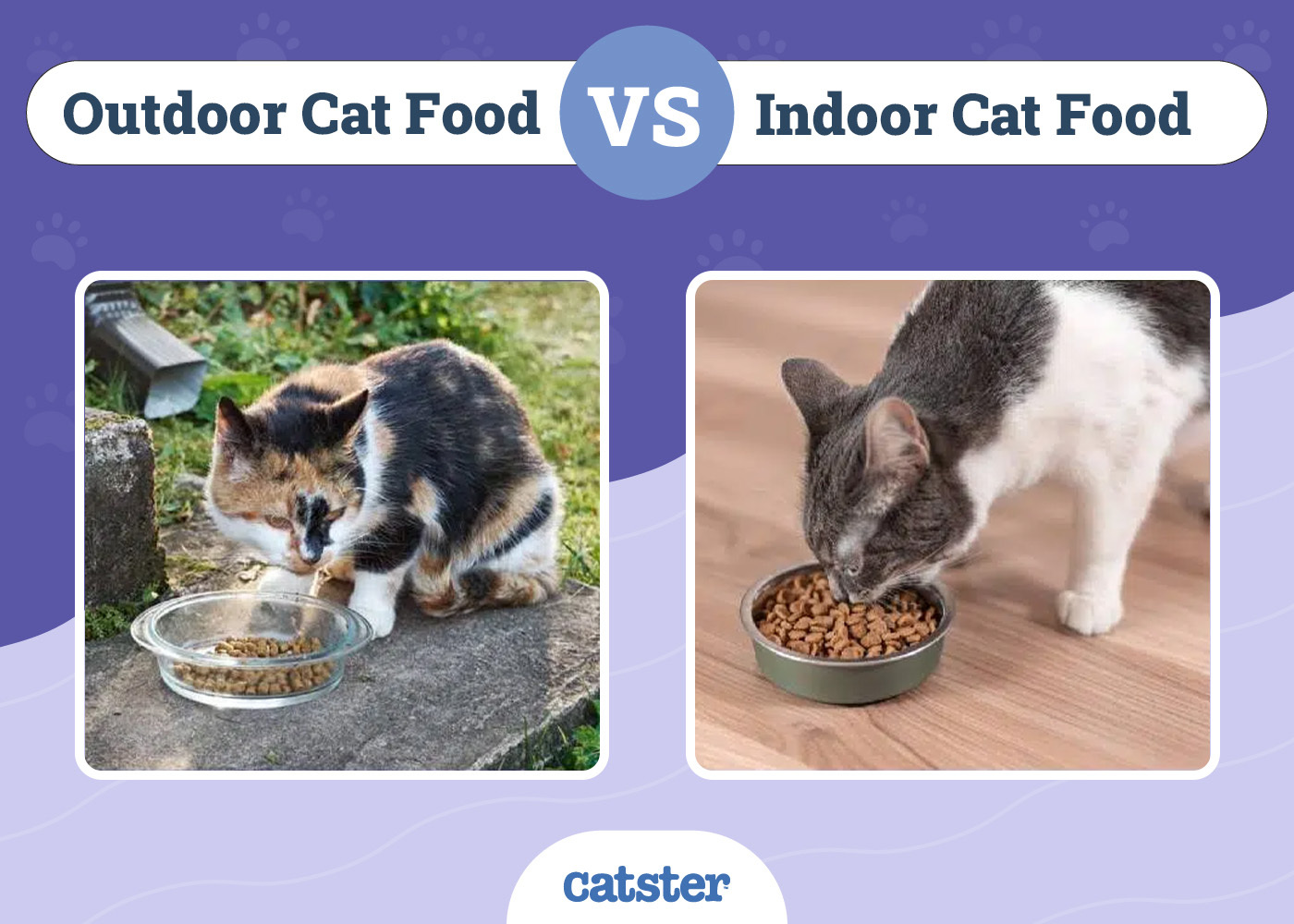
Indoor formulas focus weight control; outdoor diets prioritize higher calories, protein, and joint support.
If you have ever stood in the pet aisle, you know the labels can blur fast. I help cat parents every day, and I’ve learned what matters in Indoor cat food vs outdoor cat food. In this guide, I break down real nutrition needs, label claims, and smart feeding plans. You will see clear steps you can use today, with tips from home and clinic experience.
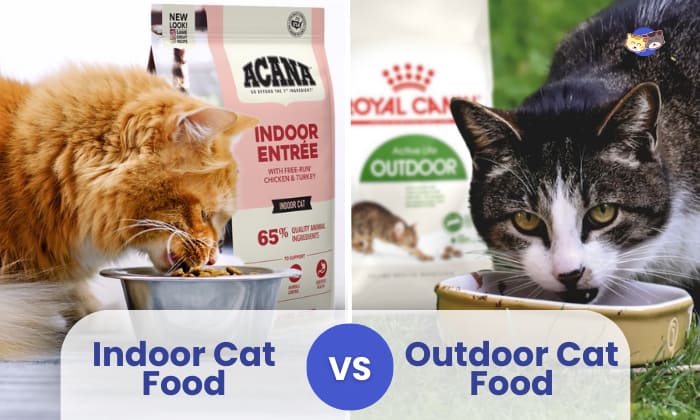
What actually changes between indoor and outdoor cats
Indoor cats move less. They nap more. They live in a steady climate. So they burn fewer calories each day. They also groom more and use a litter box, so hairball control and stool odor matter.
Outdoor cats roam, climb, and patrol. Cold or heat can raise energy burn. Their paws and joints take more stress. They also face more immune stress and small injuries.
Think of Indoor cat food vs outdoor cat food like two toolkits. Indoor diets often cut calories, raise gentle fiber, and support hairballs. Outdoor diets tend to raise calories, fat, and protein, plus omega oils for skin and joints.
Key differences at a glance:
- Energy: Indoor needs are lower. Outdoor can double in cold weather.
- Fiber: Indoor blends add beet pulp or cellulose for hairballs.
- Fat and protein: Outdoor diets often raise both for fuel and repair.
- Micronutrients: Outdoor blends may add antioxidants for immune health.
- Hydration: Wet food helps both, but outdoor cats may miss water bowls.
Standards from AAFCO and FEDIAF set baselines for complete and balanced diets. The right choice still depends on your cat’s life stage, body condition, and daily activity.
Indoor cat food vs outdoor cat food: key differences on the label
When you compare Indoor cat food vs outdoor cat food, the label tells the story. Start with the calorie line. Look for kcal per cup or per can. Many indoor formulas sit lower. Many outdoor or active formulas sit higher.
What to look for:
- Calories: Indoor ranges often near 300–370 kcal per cup. Outdoor blends can be 380–450+.
- Protein: Aim for at least 30% on dry for most adults. Outdoor cats may do better with 35–42%.
- Fat: Indoor diets may sit at 9–12%. Outdoor can be 14–20% for fuel.
- Fiber: Indoor diets often list 5–10% crude fiber for hairball control.
- Omega-3s: EPA and DHA from fish oil aid joints and skin.
- Add-ons: L-carnitine for fat use, glucosamine for joints, prebiotics for gut health.
Check the AAFCO statement. It should say “complete and balanced” for the correct life stage. Growth, adult, and all life stages each have set nutrient targets. That line matters more than front-of-bag claims.

Ingredient choices and smart formulation
The best diets use animal protein first. Named meats or meals help show quality and digestibility. That matters more than buzzwords. In Indoor cat food vs outdoor cat food, the protein source and fiber type can change results fast.
Helpful details:
- Protein sources: Chicken, turkey, rabbit, or fish are common. Rotate if your cat is picky.
- Digestibility: Highly digestible proteins leave less waste. That helps litter box odor.
- Fiber mix: Beet pulp and psyllium can cut hairballs. Too much fiber lowers calories.
- Fat sources: Chicken fat and fish oil add energy and omega-3s.
- Minerals: Keep calcium, phosphorus, and magnesium in balance. That supports kidneys and the urinary tract.
- Taurine: Must be enough. Cats cannot make their own.
From my work with indoor fosters, a moderate-protein, high-fiber dry plus a wet meal at night kept weight steady and coats glossy. For farm cats I support, a higher-fat, higher-protein dry with added wet food kept weight up through winter.
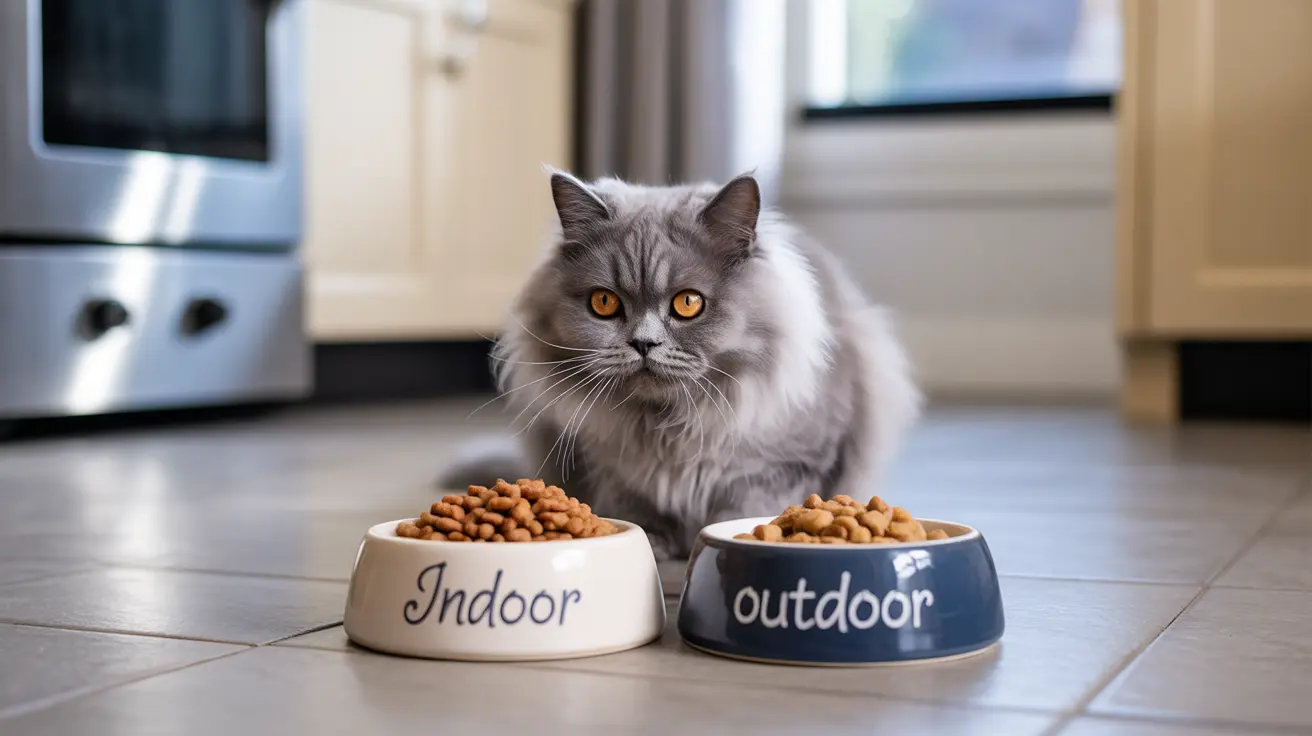
Real-world feeding plans you can use
Here are plans I use with clients. Adjust amounts by your cat’s body condition and energy.
Indoor-only cat, 9–11 lb, average build:
- Dry: 1/3 to 1/2 cup of indoor formula per day, split in two meals.
- Wet: Add a 3 oz can at dinner for hydration and satiety.
- Tip: Use a puzzle feeder to slow intake and add play.
Indoor-outdoor cat, lean and active:
- Dry: 1/2 to 3/4 cup of active or outdoor blend.
- Wet: 5–6 oz total across the day, especially on cold days.
- Tip: Add a teaspoon of fish oil three times a week for joints.
Outdoor colony or barn cats:
- Dry: Free-choice is common, but use a high-calorie, high-protein blend.
- Wet: Offer wet food in the evening to boost water and calories.
- Tip: Add heated water bowls in winter. Check body condition weekly.
Indoor cat food vs outdoor cat food is not only about the bag. It is about calories in and energy out. Weigh your cat every two weeks at home. Adjust by 10% as needed.

Common mistakes to avoid
I see these errors often. They are easy to fix.
- Overfeeding indoor cats: The cup is bigger than you think. Use a scale and the kcal per cup.
- Underfeeding outdoor cats: Cold snaps burn fuel fast. Add wet food when temps drop.
- Switching too fast: Take 7–10 days to transition foods. Mix a bit more each day.
- Chasing grain-free hype: Balance matters more than the grain claim.
- Forgetting water: Many cats are low-level dehydrated. Wet food helps both indoor and outdoor cats.
If your cat turns away from dry food, ask why your cat don't eat dry food. Check dental pain, stale kibble, or bowl location first.

Buying guide: how to read and compare labels
The pet aisle is noisy. Use this simple checklist for Indoor cat food vs outdoor cat food.
- AAFCO statement: Must say complete and balanced for your cat’s life stage.
- Calories: Compare price per 100 kcal, not per pound.
- Protein and fat: Target ranges that match indoor or outdoor needs.
- First ingredients: Look for named animal proteins first.
- Fiber type: Beet pulp, psyllium, or cellulose can help hairballs.
- Add-ons: Omega-3s, L-carnitine, and joint support can be helpful.
- Recall history and brand transparency: Choose brands that share testing data.
Bring a photo of the label when you shop. Compare at home if needed. You do not need the perfect food. You need a stable, balanced, and well-tolerated one.

Homemade and raw diets: pros, cons, and safety
Some cats thrive on careful home-prepared diets. But balance is hard. In Indoor cat food vs outdoor cat food, home diets for indoor cats must control calories. For outdoor cats, they must deliver safe, dense energy.
What to know first:
- Complete and balanced: Use a recipe from a board-certified veterinary nutritionist or a tested premix.
- Pathogens: Raw meat can carry bacteria. Handle with care and keep bowls clean.
- Bones: Whole bones can chip teeth or cause blockages. Use ground bone in recipes only when directed.
- Cost and time: Home diets take effort. Plan storage and prep days.
If you try this route, get a baseline blood panel and recheck every 6–12 months. Track weight closely.
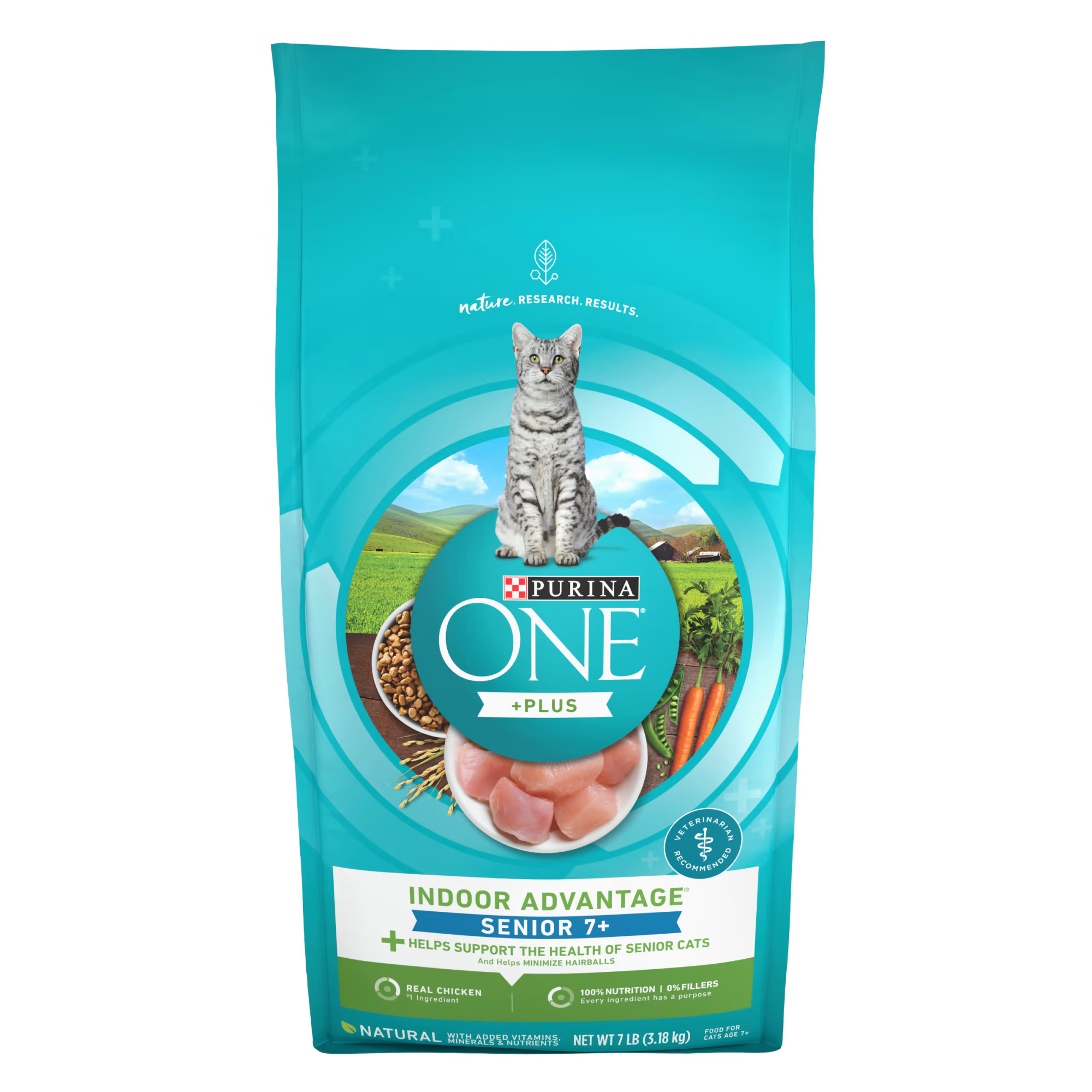
Transition and monitoring: is the diet working?
You picked a side in the Indoor cat food vs outdoor cat food choice. Now watch the results. Most changes show in 4–8 weeks.
Track simple signs:
- Body condition score: Aim for a visible waist and easy-to-feel ribs.
- Muscle condition: Watch shoulder blades and thighs for muscle loss.
- Coat and skin: Glossy coat and less dandruff mean good nutrition.
- Stool and litter box: Well-formed stool and less odor are good signs.
- Energy and play: More play can mean the calories and protein fit.
Adjust portions by small steps. Ten percent up or down for two weeks. Then reassess. If you are stuck, bring notes and photos to your vet.
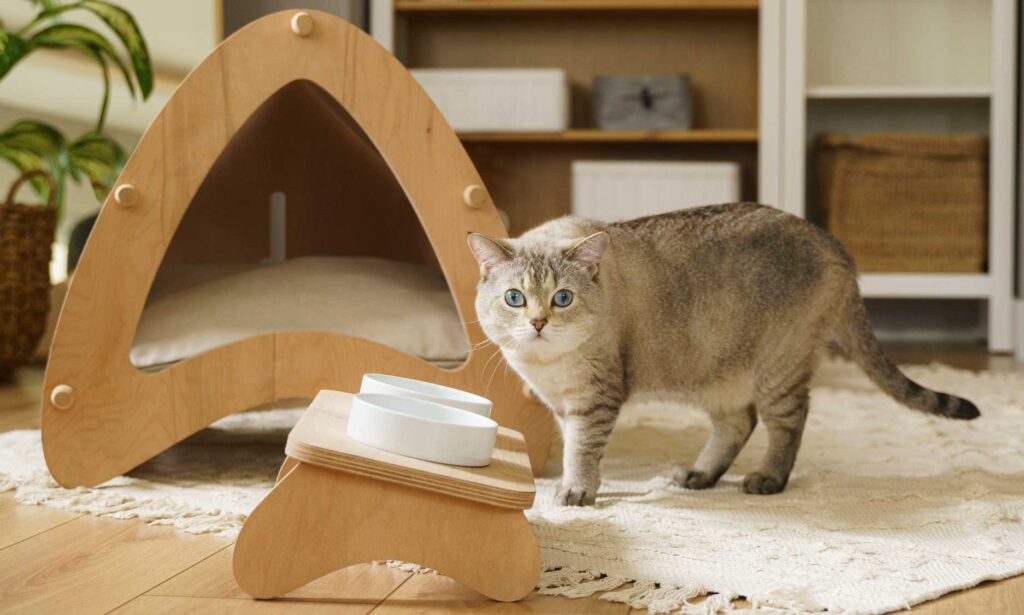
Frequently Asked Questions of Indoor cat food vs outdoor cat food
Is indoor cat food lower in calories than outdoor cat food?
Yes. Indoor diets often cut calories and add fiber to support weight. Outdoor diets tend to be richer in calories and fat for energy.
Can I feed my indoor cat an outdoor formula?
You can, but watch weight gain. Outdoor formulas may be too calorie-dense for a low-activity cat.
How do seasons affect outdoor cat feeding?
Cold weather raises calorie needs. Increase portion sizes or add wet food during winter.
Should indoor cats have hairball control food?
It helps many indoor cats that groom a lot. Look for beet pulp or psyllium and make sure protein stays high.
Is wet food better for both indoor and outdoor cats?
Wet food boosts water intake and satiety. It is helpful for urinary health and can add calories for outdoor cats.
How fast should I switch foods?
Take 7–10 days. Mix a little more of the new food each day to avoid stomach upset.
Do indoor kittens need indoor formulas?
Kittens need growth or all life stages diets, not adult indoor formulas. They need higher protein, fat, and minerals.
Conclusion
Indoor cat food vs outdoor cat food comes down to energy, fiber, and real life. Indoor cats do best with calorie control, gentle fiber, and steady routines. Outdoor cats need dense fuel, strong protein, and joint and immune support.
Pick a balanced food, feed to body condition, and adjust with the seasons. Start today by checking the kcal per cup on your bag, weighing a week’s portions, and adding a wet meal for hydration. Want more help? Subscribe for new guides, or leave a comment with your cat’s age, weight, and routine so I can suggest a plan.

Leave a Reply