
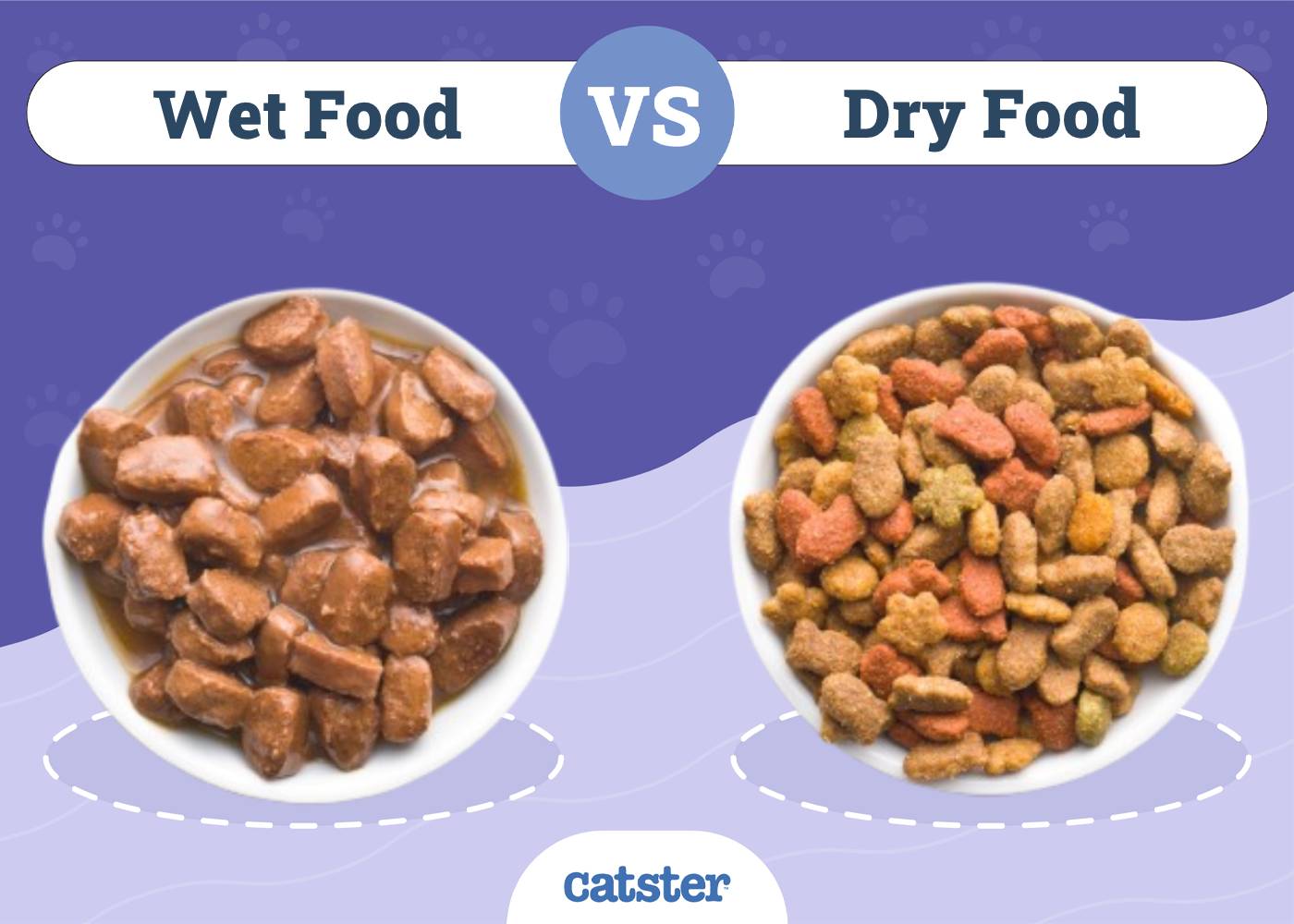
Wet cat food vs dry cat food: wet hydrates better; dry is convenient and cost-effective.
Choosing between wet cat food vs dry cat food should not feel like a guessing game. I’ve helped many cat parents compare labels, test feeding plans, and solve picky eating. In this guide, I’ll break down how wet cat food vs dry cat food affects hydration, weight, dental care, budget, and long-term health. You’ll leave with a clear plan that fits your cat and your life.
What makes wet cat food vs dry cat food different?
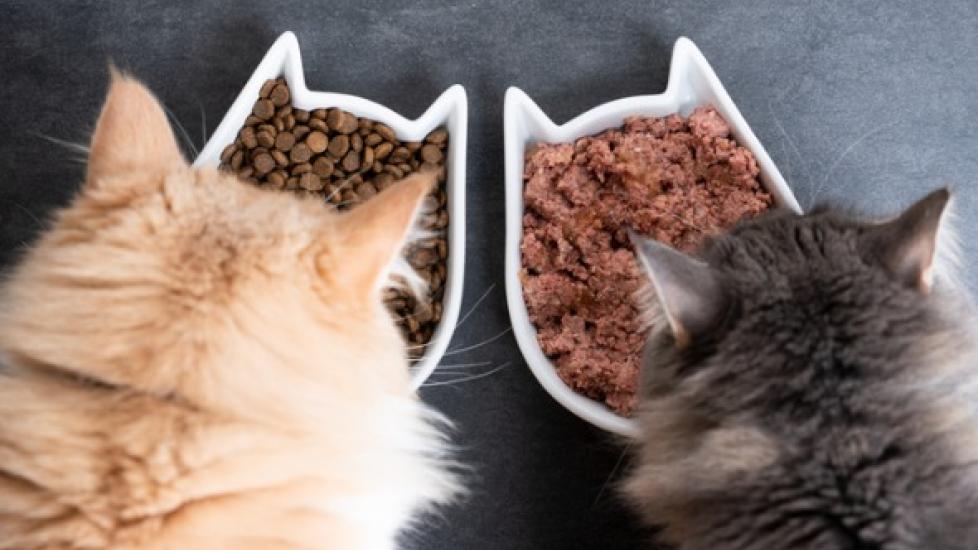
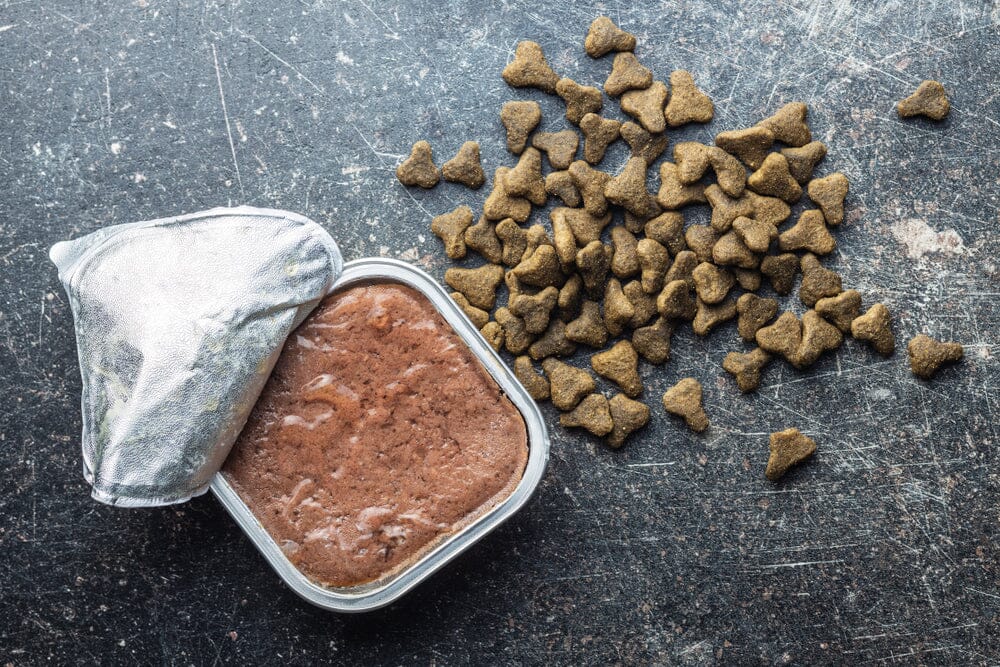
Wet cat food is high in moisture and usually higher in animal protein. Dry cat food is low in moisture and easier to store and measure. Both can meet complete and balanced standards when made well.
Think of it like this: wet food is a juicy stew; dry food is a dense trail mix. Cats need water, protein, and the right calories. Wet cat food vs dry cat food is about which path gets you there with the fewest hiccups.

Benefits of wet cat food
Wet cat food offers real gains for many cats. It shines for hydration and weight control.
Key advantages:
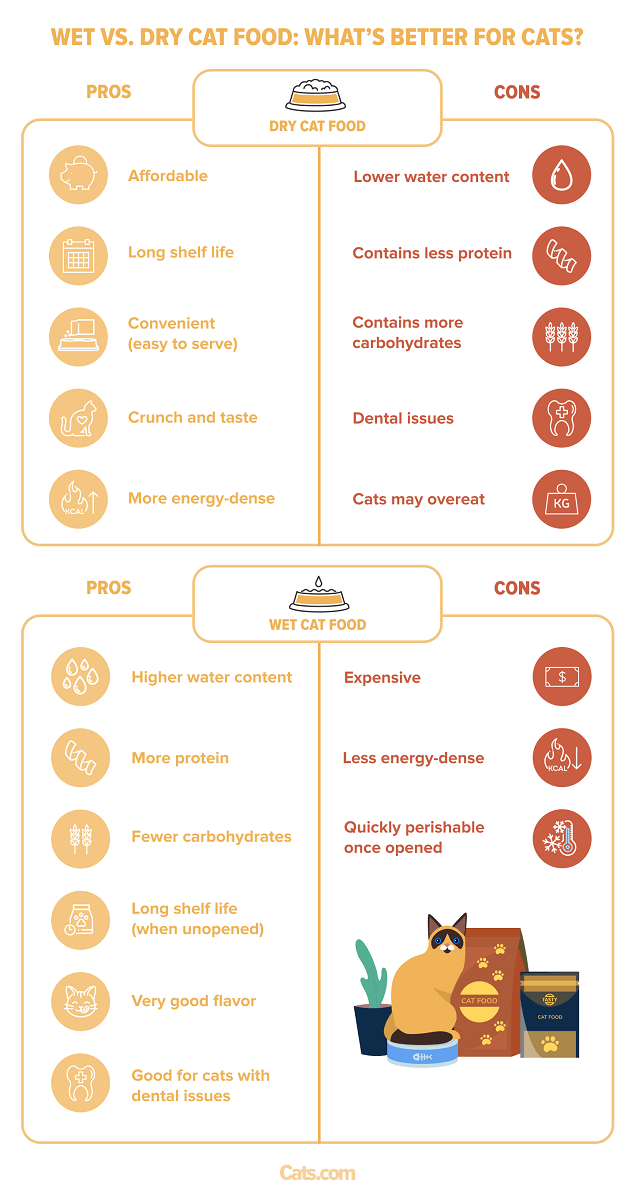
- Hydration boost. Most wet foods are 70 to 80 percent water. This helps urinary health and supports kidney function.
- Strong aroma and taste. Many cats eat better with wet food, which helps picky or senior cats.
- Lower carbs on average. This can support steady blood sugar.
- Calorie control. It is harder to overeat wet food due to water volume.
- Easier to chew. Great for cats with dental pain or missing teeth.
From experience, switching to wet helped my client’s male cat with repeat urinary issues. He needed fewer vet visits after we added two wet meals daily. Veterinary research aligns with this, showing higher moisture intake supports urinary tract health.
Benefits of dry cat food
Dry cat food helps with cost, storage, and routine. It can work well when chosen with care.
Key advantages:
- Budget friendly. Often cheaper per calorie, which helps multi-cat homes.
- Simple to store and serve. It lasts longer once opened.
- Measured feeding. Easy to track calories using a measuring cup or scale.
- Useful for puzzles and feeders. It supports enrichment and slow feeding.
- Wide variety. Many life-stage and specialty options exist.
A note on teeth: regular kibble does not clean teeth well by itself. Dental-specific diets can help, but nothing beats daily brushing or vet cleanings.
Downsides and risks to watch
Every choice has trade-offs. Know the weak spots of each type.
Wet food watch-outs:
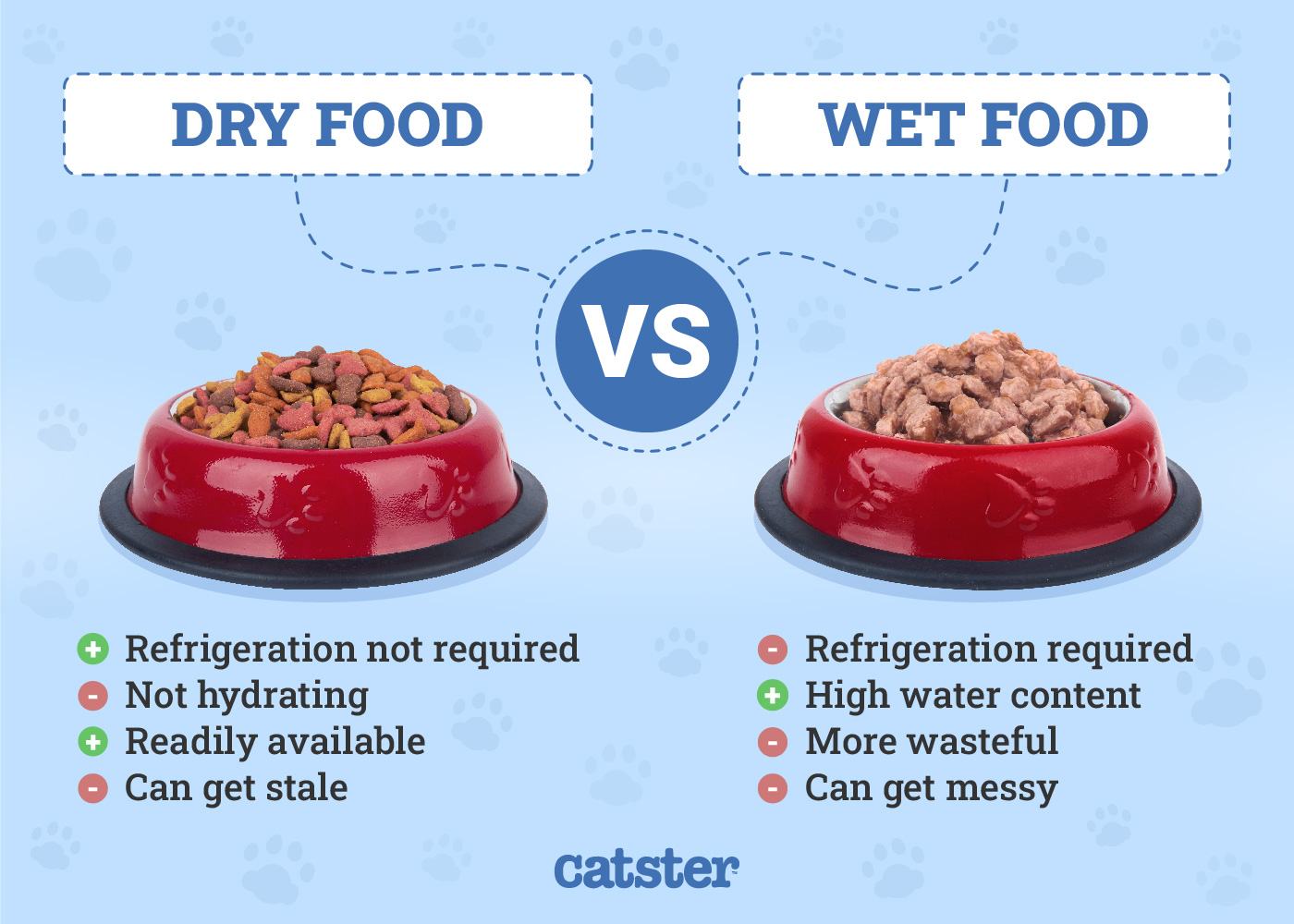
- Cost per day can be higher.
- Open cans need the fridge and quick use.
- Messy bowls if your cat “face-plants” while eating.
Dry food watch-outs:
- Low moisture. Cats may not drink enough water to make up the gap.
- Easy to overfeed, which can lead to weight gain.
- Often higher in carbs, depending on the recipe.
I see a common pattern: cats who graze on dry food gain weight and drink little. A simple fix is measured portions and a water fountain. Some cats need wet added to hit hydration goals.
Nutrition deep dive: protein, moisture, and carbs
Cats are obligate carnivores. Protein quality matters more than fancy marketing.
Targets to keep in mind:
- Moisture: Wet food 70 to 80 percent. Dry food 8 to 12 percent.
- Protein (dry matter): Aim for around 35 to 50 percent for most healthy adult cats.
- Fat (dry matter): Often 15 to 25 percent supports energy and coat health.
- Carbs (dry matter): Lower is often better for cats. Try to keep it modest.
Why this matters in wet cat food vs dry cat food:
- Wet food’s moisture helps the urinary tract and can reduce constipation.
- Dry food can pack calories in small bites. Great for active cats, risky for couch cats.
- Animal-based proteins tend to support lean muscle and satiety.
Large veterinary nutrition guidelines support AAFCO-compliant diets that meet complete and balanced standards. Still, read beyond the label to see protein sources, calories, and phosphorus for kidney care when needed.

Health goals by life stage and condition
Wet cat food vs dry cat food should match your cat’s needs, not a trend.
Kittens
- Need energy and high protein. Both wet and dry can work.
- Wet supports growth and hydration. Dry supports training with kibble rewards.
Adult indoor cats
- Often do best on mixed feeding for weight and hydration control.
- Measured portions reduce mindless snacking.
Senior cats
- Wet helps if sense of smell drops or teeth hurt.
- Many seniors drink less. Wet can fill that gap.
Weight management
- Wet can help cats feel full on fewer calories.
- Dry can fit a plan if you weigh portions and avoid constant grazing.
Urinary crystals or stones
- Wet food supports higher urine volume and lower urine concentration.
- Prescription diets may be needed. Work with your vet.
Kidney disease
- Moisture is key. Many CKD cats do better with wet food.
- Phosphorus control matters. Seek vet guidance on the right formula.

Budget, storage, and food safety
Choosing wet cat food vs dry cat food often comes down to the home routine.
Cost tips
- Compare by calories, not just price per bag or can.
- Mixed feeding reduces cost while keeping moisture up.
Storage
- Wet: Refrigerate opened cans with a lid. Use within 24 to 72 hours.
- Dry: Keep in the original bag inside an airtight bin. Use within 4 to 6 weeks after opening.
Safety
- Wash bowls daily. Bacteria love leftover gravy and crumbs.
- Toss uneaten wet food after 1 to 3 hours at room temperature.
Feeding strategies: mixed feeding and smooth transitions
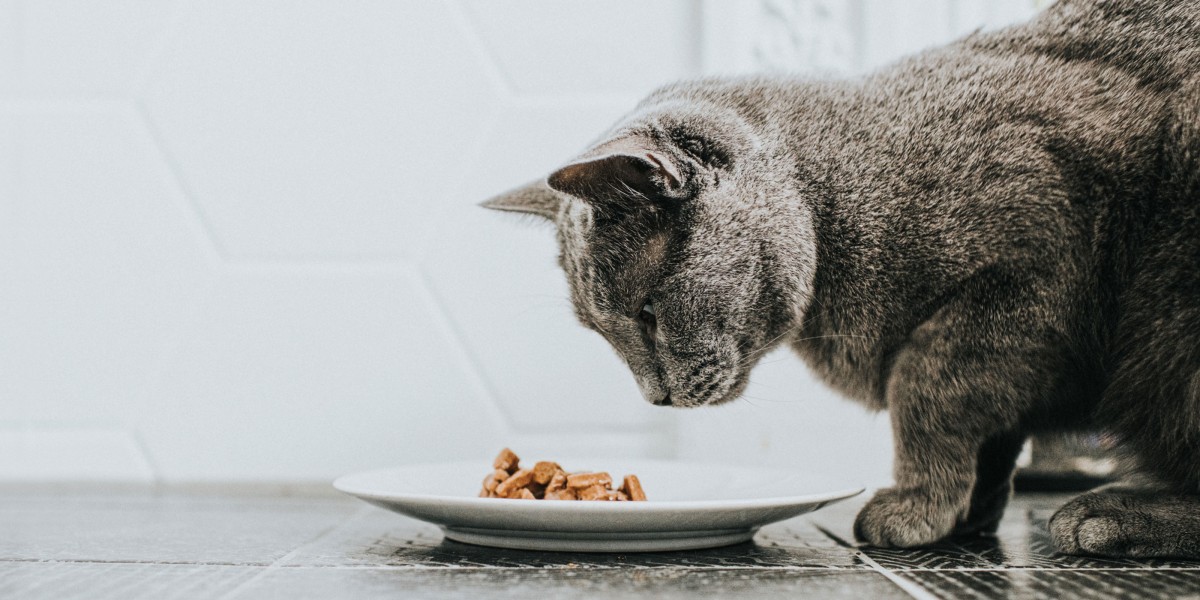
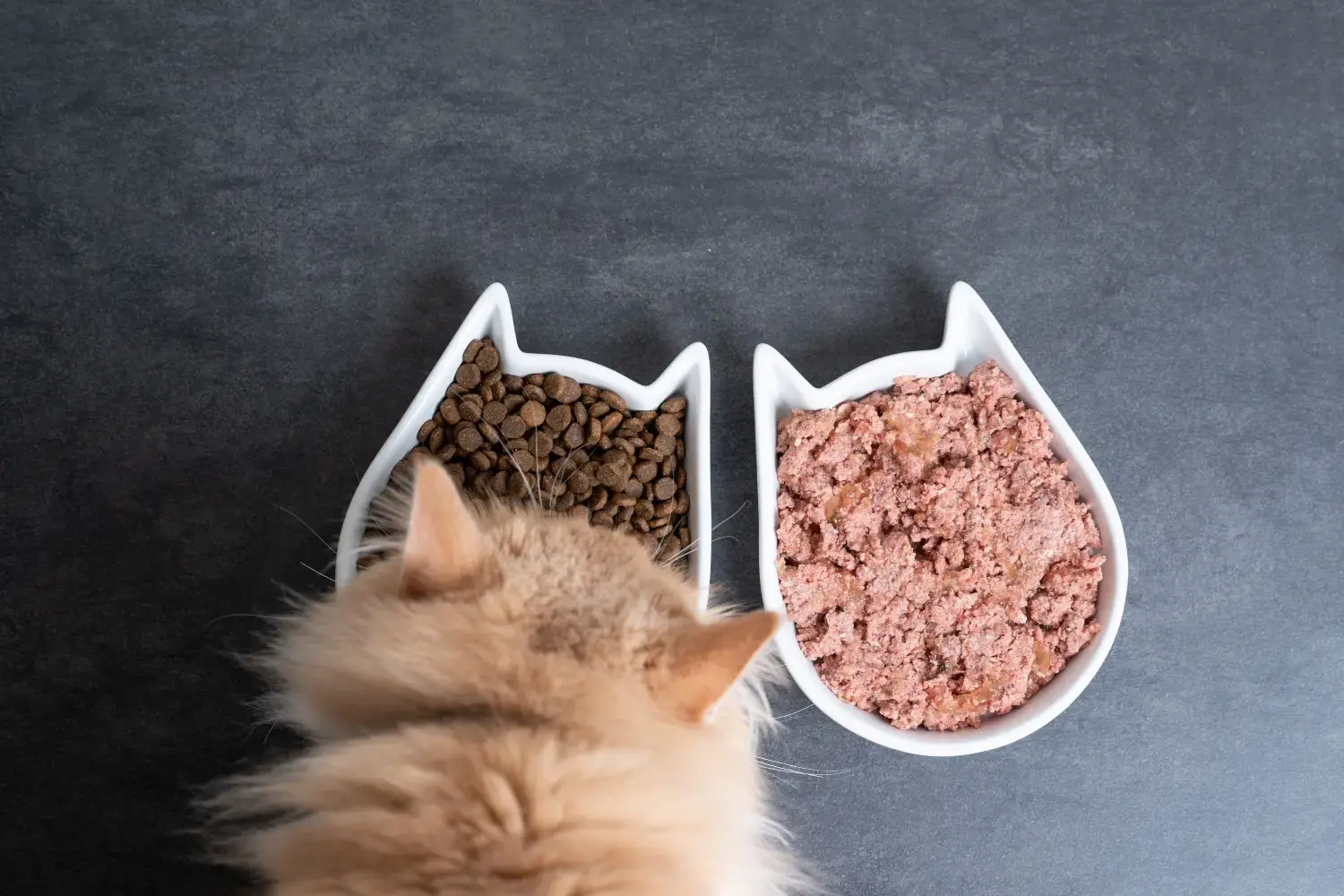
You do not need to pick one side in wet cat food vs dry cat food. Many cats thrive on both.
Mixed feeding ideas
- Morning wet meal for hydration.
- Evening measured dry meal for routine.
- Add water or broth (no onions, no garlic) to boost moisture.
Why your cat don't eat dry food
- Painful teeth or mouth.
- Prefers warmer smell of wet food.
- Learned habits from kittenhood.
Make changes slow. A fast switch can upset the gut.
Transition plan (7 to 10 days)
- Day 1 to 3: 75 percent old, 25 percent new.
- Day 4 to 6: 50 percent old, 50 percent new.
- Day 7 to 9: 25 percent old, 75 percent new.
- Day 10: 100 percent new.
Picky cat tricks
- Warm wet food slightly to release aroma.
- Try a topper like a spoon of wet on dry.
- Use food puzzles to spark interest.
Label reading and quality checks
Wet cat food vs dry cat food both need the same core checks.
What to look for
- AAFCO statement that says complete and balanced for your cat’s life stage.
- Named animal proteins high in the list.
- Clear calorie info per can or cup.
- Taurine listed (it should be).
Smart selection tips
- If your cat has kidney or urinary issues, check phosphorus and talk to your vet.
- Skip marketing buzzwords. Focus on nutrients, not trends.
- Protein quality and moisture are better guides than grain-free labels.
How to estimate calories
- Ask the brand or check the site if not on the label.
- Your vet can help set a daily calorie target based on weight and activity.
Common myths in wet cat food vs dry cat food
Let’s clean up a few myths I hear often.
Myth 1: Dry food cleans teeth
- Regular kibble does little for plaque. Dental diets or brushing help more.
Myth 2: Wet food causes diarrhea
- Not true for most cats. Slow transitions prevent tummy upsets.
Myth 3: Cats drink enough water with dry food
- Many do not. Wet food or fountains help hit hydration needs.
Myth 4: Wet food spoils too fast to be safe
- It is safe when you follow fridge and time rules.
Myth 5: All by-products are bad
- Many are nutrient rich. What matters is quality and balance.
Frequently Asked Questions of Wet cat food vs dry cat food
Is wet cat food better than dry for hydration?
Yes. Wet food has about 70 to 80 percent water. It helps cats who do not drink much.
Does dry cat food prevent dental disease?
Not by itself. Dental diets can help, but brushing and vet cleanings are most effective.
Can I mix wet and dry food?
Yes, and many cats do well on mixed feeding. It balances hydration, cost, and routine.
How much should I feed my cat each day?
Use calorie targets based on weight and activity. Check labels and ask your vet for a number.
Why won’t my cat eat dry food anymore?
Painful teeth, stress, or smell changes may be at play. Warm wet food, see your vet, and transition slowly.
Is grain-free always better in wet cat food vs dry cat food?
Not always. Focus on protein quality, moisture, and complete and balanced nutrition.
Conclusion
Wet cat food vs dry cat food is not a battle. It is a toolkit. Wet helps with hydration, appetite, and weight control. Dry helps with cost, storage, and routine. Many cats thrive when you mix both with measured portions and smart label reading. Start with your cat’s needs, then build a plan you can keep.
Try one small change this week: add a wet meal or a water fountain. Watch the litter box, energy, and weight for two weeks. If you want more tips, subscribe for updates or drop a comment with your cat’s age, weight, and current diet. I’m here to help.

Leave a Reply