
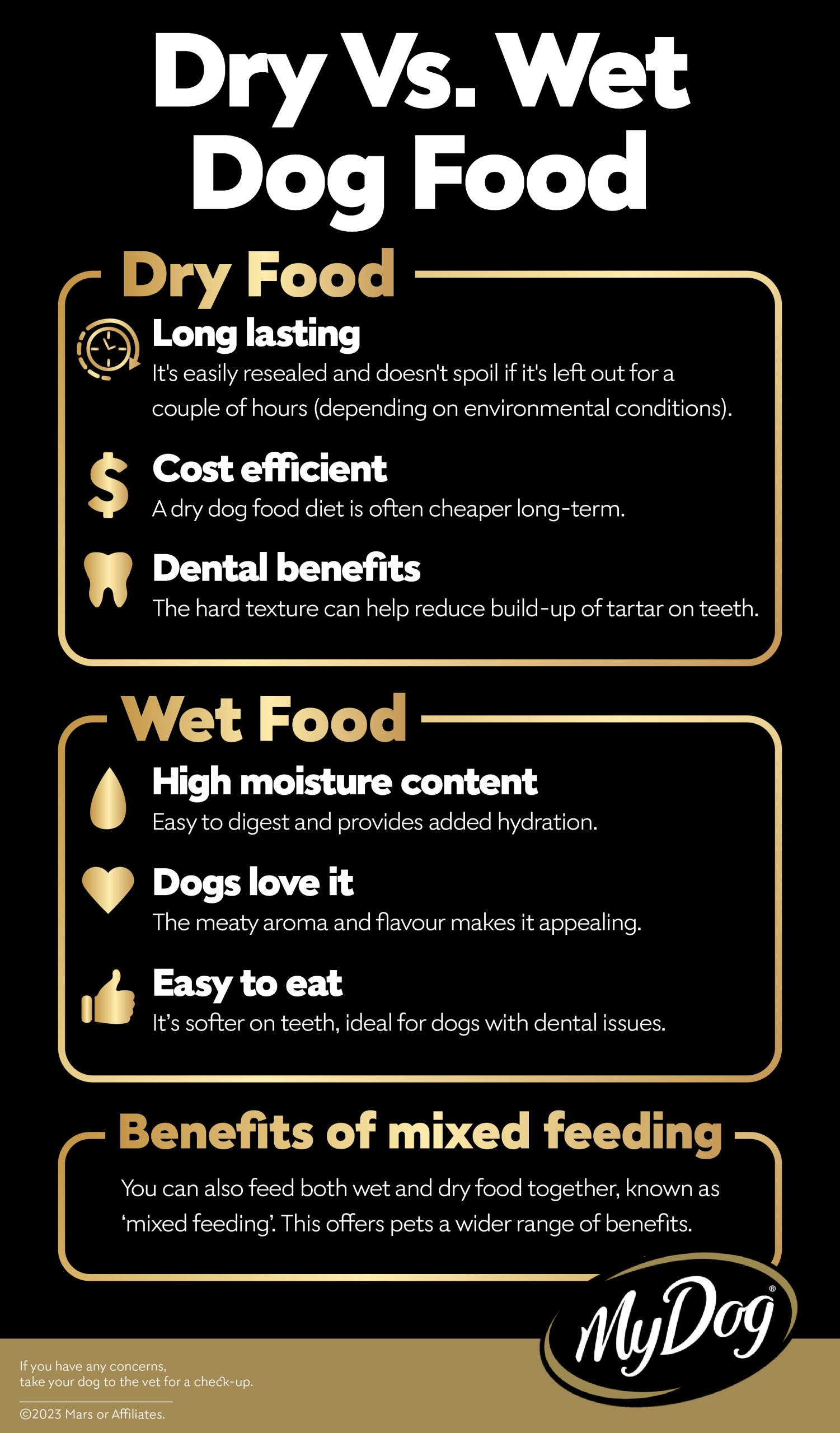
Wet dog food is tastier and hydrating; dry food is cheaper and convenient.
You want the clearest answer on wet dog food vs dry dog food, without fluff. I’ve helped many pet parents compare labels, track weight, and test meals in real homes. In this guide, I break down wet dog food vs dry dog food with simple math, real-life tips, and honest pros and cons so you can choose with confidence.

What wet dog food vs dry dog food really means
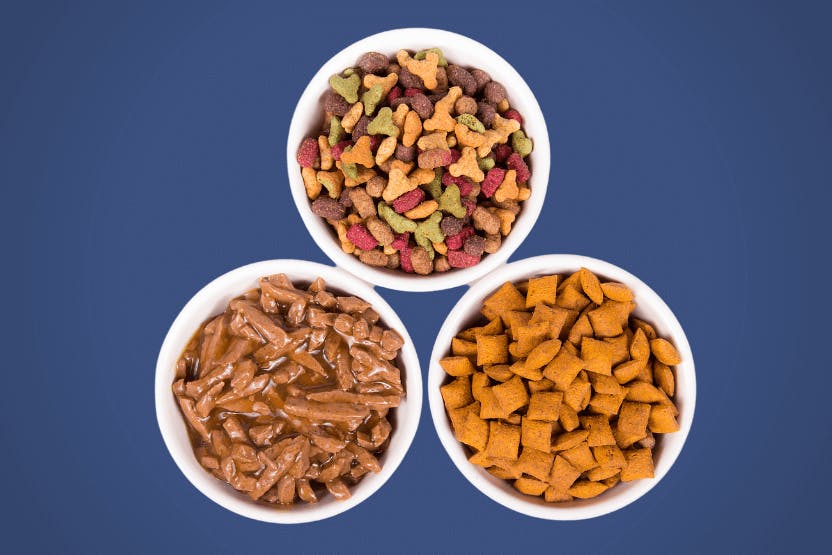
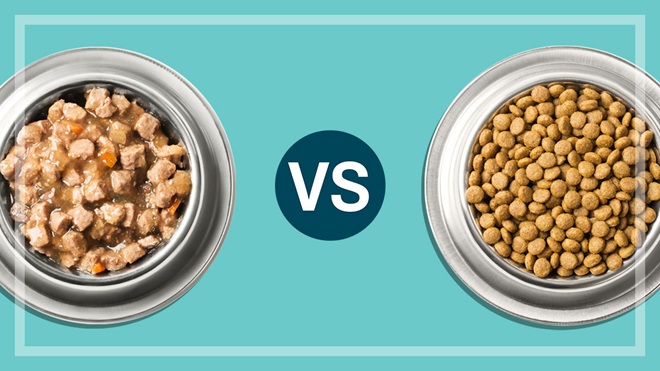
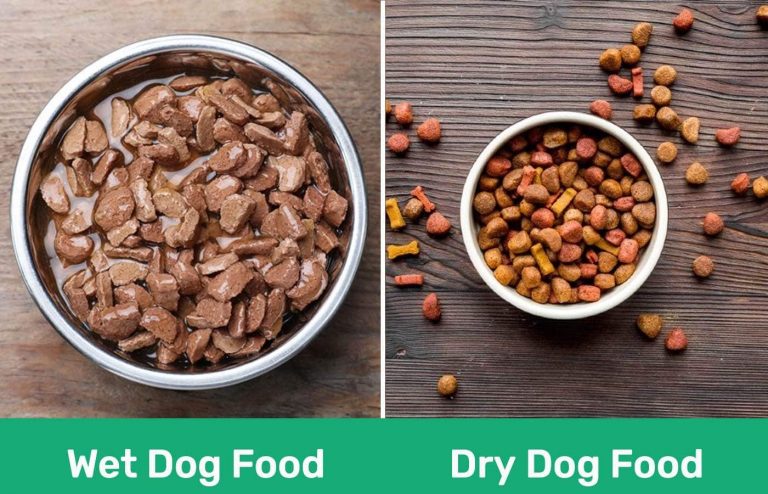
Wet food is canned or pouched food with high moisture. It often has 70 to 80 percent water. Dry food, also called kibble, has about 10 percent moisture and is more energy dense.
Both can meet full nutrition when they follow feeding guidelines. The key is the recipe and quality of the brand. When we compare wet dog food vs dry dog food, we weigh taste, cost, and health needs.
• Wet food tends to smell stronger. That helps picky eaters.
• Dry food is easy to store, scoop, and measure.
• Your dog’s age, teeth, and gut will guide the best choice.
Nutritional comparison at a glance
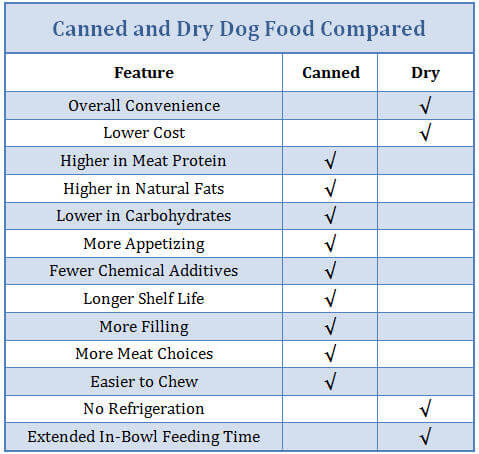
When we compare wet dog food vs dry dog food, focus on calories and nutrients per 1000 kcal. Moisture changes the label look, but not the true nutrient load. That is why dry food can look higher in protein on paper, yet be similar after we adjust for water.
• Protein: Wet foods often use more meat and can be very digestible. Many dry foods also give great protein from mixed sources.
• Fat: Wet food can be lower in calories per cup due to water. Dry food packs more calories into less volume.
• Carbs: Many kibbles use grains or legumes for structure. Some wet foods use less starch.
• Fiber: Kibble often has more fiber, which can help stool form.
• Hydration: Wet food adds water to every meal. This can help urinary health.
Veterinary nutrition research shows both types can be complete and balanced. The winner in wet dog food vs dry dog food depends on your dog, not the format alone.
Pros and cons of wet dog food
Wet food shines when appetite is low. The aroma and texture help dogs who turn away from bowls. I’ve seen seniors and small breeds start eating again on day one with canned diets.
Pros
• Very tasty for most dogs, great for picky eaters
• Helps with hydration and may support urinary comfort
• Softer texture helps dogs with dental pain or missing teeth
• Can feel more filling for weight loss plans due to volume
Cons
• Costs more per calorie for many brands
• Short shelf life once opened and needs the fridge
• Can stick to teeth and may raise plaque if dental care is skipped
• Messier to serve, and leftovers need safe handling
In wet dog food vs dry dog food, wet wins on taste and water. It can be a smart pick for seniors, tiny breeds, and dogs who need to drink more.

Pros and cons of dry dog food
Dry food is the daily driver for many homes. It is easy, stable, and budget friendly. In my work with busy families, kibble’s convenience often keeps feeding on track.
Pros
• Lower cost per calorie and widely available
• Simple to store, measure, and use with feeders or puzzles
• Good for training kibbles and slow feeders
• Many life-stage and size options from trusted brands
Cons
• Lower moisture and not ideal for dogs who drink little
• Can be hard to chew for dogs with dental pain
• Calories are dense, so it is easy to overfeed
• Kibble alone does not clean teeth as much as people think
With wet dog food vs dry dog food, dry wins on cost and convenience. It fits multi-dog homes and most healthy adult dogs.
Health situations: which to pick when
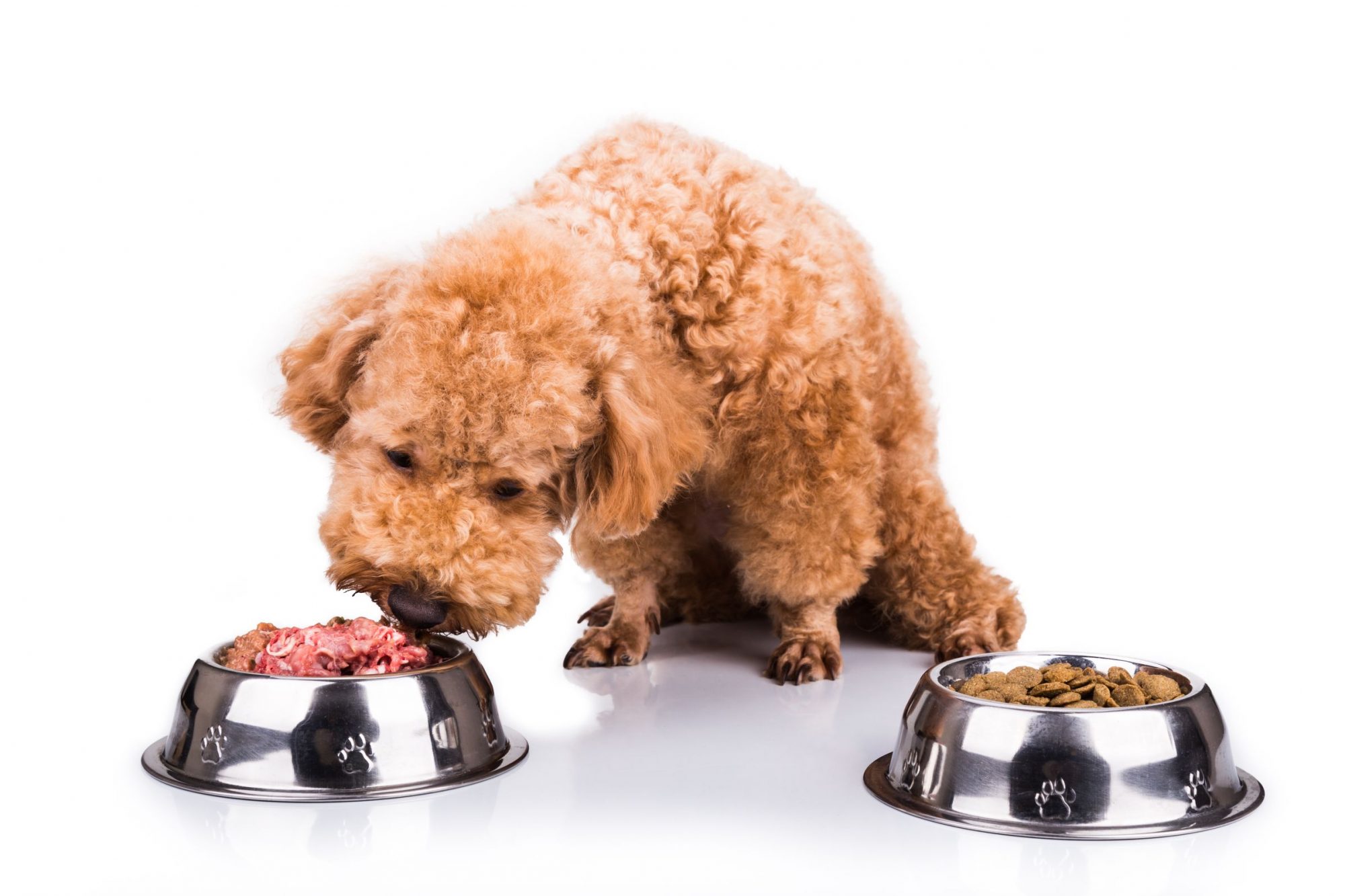
Every dog is unique. Use wet dog food vs dry dog food as a tool set. Pick the format that fits the body in front of you.
• Puppies: Either form works. Focus on complete puppy formulas and steady growth.
• Seniors: Wet food helps with hydration and chewing. Watch protein quality and joint support.
• Dental disease: Wet helps if chewing hurts. If you use dry, try a dental diet plus daily brushing.
• Urinary issues: Many dogs do well with higher moisture meals. Wet or added water to kibble can help.
• Weight control: Wet can add volume with fewer calories per cup. Kibble needs strict measuring.
• Sensitive stomach: Choose simple formulas with named proteins. Try slow transitions and smaller meals.
• Pancreas care: Low to moderate fat can be easier. Many brands make targeted recipes.
• Food allergies: Look for novel protein or hydrolyzed diets under vet guidance.
When in doubt, ask your vet to guide wet dog food vs dry dog food for your dog’s case.

Cost and convenience: real numbers
Price tags can trick you. Compare wet dog food vs dry dog food by cost per 1000 kcal, not per can or bag. Brands list calories per cup or per can on the label or site.
Here is a simple way to compare:
• Find kcal per can or per cup.
• Divide price by kcal.
• Compare cost for your dog’s daily calories.
A 50-pound dog may need 900 to 1200 kcal per day. Kibble often wins on price at scale. Wet can cost more, but you can mix it to gain taste and hydration without breaking the bank.

Poop, breath, and mess: the daily life test
Your nose and your yard will give quick feedback. Wet food may lead to softer stools if fiber is low. Kibble can make smaller, firmer stools due to higher dry matter.
• Stool volume and odor improve when the diet fits the dog.
• Gas can rise with sudden changes or too much fat.
• Breath may smell better with clean teeth, not just kibble.
• Wet food dishes need prompt cleaning to cut germs.
Track poop shape, coat shine, and energy. In wet dog food vs dry dog food, the better food is the one your dog thrives on.
Safety, storage, and handling
Safety matters. Wet food must be covered in the fridge after opening. Use within two to three days. Do not leave wet food out for more than two hours at room temp.
Dry food keeps longer but needs care too. Store in a cool, dry place, in the original bag inside an airtight bin. Oils can go rancid if left open for weeks. Wash scoops and bowls. Check recall news now and then.
For both types, use clean spoons and fresh water bowls. Good hygiene can prevent tummy upsets.
The best of both worlds: mixed feeding
You can blend wet and dry to get taste, hydration, and value. Many families do this and never look back. It makes wet dog food vs dry dog food a both-and, not an either-or.
Simple ways to mix
• Topper method: Add two spoonfuls of wet over measured kibble.
• Half and half: Split calories 50–50 between wet and dry.
• Hydration boost: Add warm water or low-sodium broth to kibble.
Tips to get it right
• Count total calories. Adjust each part so you do not overfeed.
• Keep protein sources steady while you test tolerance.
• Use slow feeders or snuffle mats to aid digestion and fun.
A sample plan: Morning kibble with water. Evening kibble with a wet topper. This pattern is easy to track and kind to your budget.
How to choose high-quality food
A smart choice beats a trend. When you compare wet dog food vs dry dog food, read labels with care.
What to look for
• A complete and balanced statement for your dog’s life stage
• Named animal proteins high on the ingredient list
• Clear calorie info and feeding guide
• A brand with quality control and a nutrition team
• Batch codes and a way to contact the company
Red flags
• Vague “meat flavor” with no named source
• Big claims without proof
• No feeding statement or missing calorie info
Do a short trial and watch stool, coat, and energy for two to four weeks. Keep notes. Your dog will tell you if you picked well.
Step-by-step switch guide
Switching diets needs patience. A slow change helps the gut adjust. This lowers the chance of loose stools.
• Days 1–2: 75 percent old, 25 percent new
• Days 3–4: 50 percent old, 50 percent new
• Days 5–6: 25 percent old, 75 percent new
• Day 7+: 100 percent new
If stools get soft, slow down and add a few more days at each step. Keep water fresh. Avoid extra treats while you test the new food. This method works for wet dog food vs dry dog food and for mixed plans.
Frequently Asked Questions of Wet dog food vs dry dog food
Is wet dog food better than dry for picky eaters?
Yes, wet food often smells stronger and tastes richer. Many picky dogs start eating better with a wet topper or full wet meals.
Does dry food clean my dog’s teeth?
Not on its own. Some dental diets help, but daily brushing and vet cleanings make the real difference.
Can I feed wet and dry together?
Yes, mixed feeding is common and safe. Just count total calories and transition slowly.
Which is better for weight loss?
Wet food can help due to lower calories per cup and higher volume. Kibble can work too with strict measuring and added low-cal toppers like green beans.
How long can wet food sit out?
No more than two hours at room temperature. Store leftovers in the fridge and use within two to three days.
Will my dog get enough water on dry food?
Many do if they drink well. If your dog drinks little, add water to kibble or include some wet food.
Is grain-free always better?
Not always. Pick what fits your dog’s needs, and speak with your vet if you have heart or allergy concerns.
Conclusion
Wet dog food vs dry dog food is not a battle. It is a choice you shape around your dog’s body, taste, and your routine. Use the facts, watch your dog, and adjust with care.
Try one small change this week. Measure meals, add a bit of water, or test a wet topper. Share what you learn, ask your vet when in doubt, and keep notes. If this helped, subscribe for more pet nutrition guides or leave a question below.

Leave a Reply